guide

How to recognise high blood pressure symptoms

How to Know If You Have High Blood Pressure: Signs, Readings, and When to Get Help

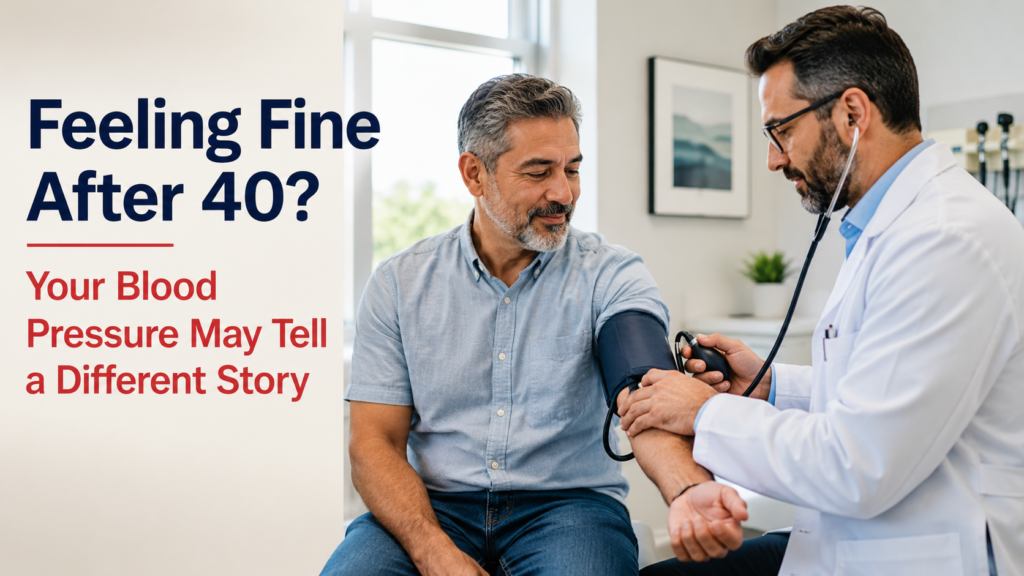
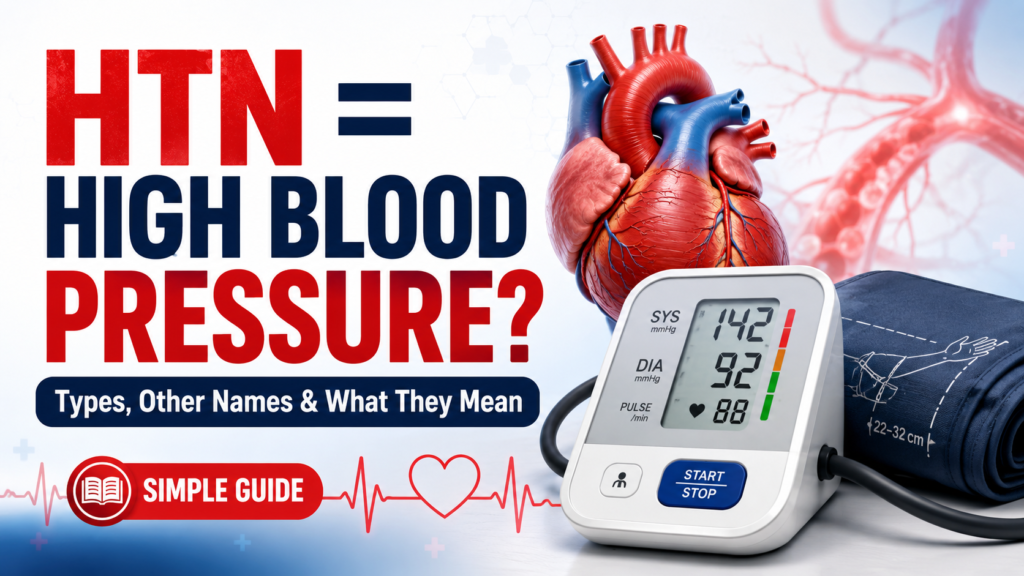
How Do You Know If You Have High Blood Pressure? The most reliable way to know if you have high blood pressure is to measure it with a blood pressure cuff. High blood pressure usually does not cause clear symptoms, which is why many people have it without knowing. CDC says measuring blood pressure is the only way to know whether you have high blood pressure. This matters because high blood pressure can quietly damage the heart, brain, kidneys, and eyes over time. In the United States, hypertension prevalence in adults was 47.7% during August 2021 to August 2023, and the CDC notes that high blood pressure contributes to a large number of deaths. The good news is that high blood pressure can be found early. Once it is detected, many people can lower their risk with lifestyle changes, medicine, or both. What is the fastest, most reliable way to know if you have high blood pressure? The fastest, most reliable way to know if you may have high blood pressure is to check your blood pressure with a validated upper-arm monitor or have it checked by a clinician. A diagnosis is usually based on consistently elevated readings, not on how you feel. CDC defines high blood pressure as blood pressure that is consistently 130/80 mm Hg or higher. NHLBI says a healthy blood pressure for most adults is less than 120/80 mm Hg. What do systolic and diastolic mean? Systolic is the top number, and diastolic is the bottom number. The systolic number measures pressure when the heart beats, and the diastolic number measures pressure when the heart rests between beats. For example, in a reading of 138/86 mm Hg: 138 is the systolic pressure 86 is the diastolic pressure What blood pressure numbers count as high? The commonly used adult categories are: Category Systolic Diastolic Normal Less than 120 and less than 80 Elevated 120 to 129 and less than 80 Stage 1 hypertension 130 to 139 or 80 to 89 Stage 2 hypertension 140 or higher or 90 or higher Severe hypertension Higher than 180 and/or higher than 120 A single reading can show where your blood pressure falls at that moment, but only a clinician can confirm a diagnosis of hypertension. Can you have high blood pressure without symptoms? Yes. Most people with high blood pressure have no warning signs or symptoms. That is why hypertension is often called a “silent” condition. This is the most important thing to understand: you cannot rely on headaches, dizziness, or “feeling fine” to rule high blood pressure in or out. Even when blood pressure has been high for a long time, a person may still feel normal. Because symptoms are unreliable, regular screening matters. The USPSTF recommends screening adults 18 years or older for hypertension. What symptoms can happen when blood pressure is dangerously high? Dangerously high blood pressure may cause symptoms, but routine hypertension often does not. Symptoms become more concerning when blood pressure is very high, especially above 180/120 mm Hg. Symptoms that can happen in a hypertensive emergency include: chest pain shortness of breath back pain numbness weakness change in vision difficulty speaking MedlinePlus also notes that severe headache, nausea, vomiting, confusion, and blurred vision can occur in severe hypertension. These symptoms do not diagnose hypertension by themselves, but they can signal a medical emergency when paired with a very high reading. Is one high blood pressure reading enough to mean you have hypertension? No. One high reading does not always mean you have long-term hypertension. High blood pressure is usually diagnosed when readings stay high over time. The USPSTF recommends: Screen in the office Confirm outside the clinical setting before starting treatment That outside confirmation can be done with: Ambulatory blood pressure monitoring (ABPM): a portable device checks blood pressure regularly over 12 to 24 hours Home blood pressure monitoring (HBPM): You check it yourself at home with an automated device This matters because readings can be temporarily high from stress, activity, or anxiety in a clinic. NHLBI describes white coat hypertension as blood pressure that is higher in a provider’s office than at home or in a pharmacy. CDC also notes that nervousness during a clinic visit can raise readings. How should you check your blood pressure at home for the most accurate reading? To get the most accurate home reading, use a validated upper-arm device, sit quietly first, and follow proper positioning. The USPSTF clinician summary says blood pressure should be taken at the brachial artery in the upper arm with a validated device after 5 minutes of rest. CDC recommends this setup before and during measurement: Do not eat or drink anything for 30 minutes before the reading Empty your bladder first sit in a chair with your back supported for at least 5 minutes Keep both feet flat on the floor Keep your legs uncrossed rest your arm at chest height Place the cuff on bare skin, not over clothing Do not talk during the reading CDC also advises taking at least two readings, 1 to 2 minutes apart, when checking at home. A simple home routine is: Sit quietly for 5 minutes Take the first reading Wait 1 to 2 minutes Take a second reading Write both numbers down with the date and time When should you call a doctor about a high reading? You should contact a doctor if your readings are repeatedly above normal, even if you feel fine. High blood pressure is often symptom-free, but it can still damage your health. As a general guide: Elevated blood pressure (120–129 and under 80): recheck and work on lifestyle habits Stage 1 hypertension (130–139 or 80–89): schedule a medical review, especially if readings stay in this range Stage 2 hypertension (140 or higher or 90 or higher): contact a clinician promptly for evaluation CDC also says you should talk with your health care team right away if you think you have high blood pressure or if you have

How to Know If You Have High Blood Pressure: Signs, Readings, and When to Get Help Read More »

Can High Blood Pressure Cause Headaches? Symptoms, Location & Relief Guide

Can High Blood Pressure Cause Headaches? Symptoms, Location, and Relief Explained High blood pressure and headaches are often linked in popular belief—but the reality is more nuanced. Many people assume that elevated blood pressure directly causes headaches, but medical research shows that this is not always the case. In most situations, mild to moderate hypertension does not cause noticeable symptoms. However, very high blood pressure—especially during a hypertensive crisis—can trigger headaches and other serious symptoms. Understanding when and why this happens is critical for your health. Does high blood pressure actually cause headaches? High blood pressure usually does not cause headaches unless it reaches dangerously high levels. According to the American Heart Association, hypertension is often called the “silent killer” because it rarely produces symptoms until it becomes severe. Key insight: Normal or moderately high BP → usually no headache Extremely high BP (≥180/120 mmHg) → may cause headache Why this matters: Many people rely on headaches as a warning sign—but this can be misleading You may have high BP without any symptoms at all When does hypertension cause headaches? Hypertension causes headaches mainly during a hypertensive crisis, when blood pressure rises suddenly and severely. A hypertensive crisis is defined as: Systolic ≥ 180 mmHg OR Diastolic ≥ 120 mmHg At this level, pressure can affect blood flow to the brain. Situations where headaches may occur: Hypertensive emergency (with organ damage) Sudden BP spikes Medication non-compliance Stress-induced BP surges Important:If you experience a severe headache with extremely high BP, it requires immediate medical attention. What does a high blood pressure headache feel like? A hypertension headache typically feels like a dull, pulsating pressure rather than a sharp or stabbing pain. It is often described as: Tight or squeezing sensation Pulsating pressure Heavy or “full” feeling in the head Is a hypertension headache throbbing or pressure-like? It is usually pressure-like rather than throbbing like a migraine. Migraine → throbbing, one-sided BP headache → pressure, both sides Are BP headaches constant or sudden? BP headaches are often persistent and worsen gradually, but can also appear suddenly during a crisis. Gradual onset → common in sustained high BP Sudden severe headache → warning sign of emergency Where is a hypertension headache located? Hypertension headaches are commonly felt at the back of the head (occipital region). However, they can also: Spread across the entire head Affect both sides equally Feel like pressure around the skull Why is the back of the head commonly affected? The back of the head is sensitive to changes in blood flow and vascular pressure. Blood vessels in this region respond to pressure changes Increased intracranial pressure may trigger pain What are the common symptoms of a high BP headache? A high blood pressure headache is often accompanied by other warning signs. Common symptoms include: Dizziness Blurred vision Nosebleeds Chest pain Shortness of breath Nausea or vomiting Confusion Critical warning signs (seek emergency care): Severe headache + vision loss Headache + chest pain Headache + weakness or numbness What causes hypertension headaches? Hypertension headaches are caused by increased pressure in blood vessels affecting brain circulation. Possible mechanisms: Increased intracranial pressure Blood vessel constriction Reduced oxygen supply to brain tissue Scientific insight: Studies suggest pain occurs when BP exceeds the brain’s autoregulation capacity This leads to vascular stress and neurological response How is a blood pressure headache different from migraines or tension headaches? A BP headache differs in cause, sensation, and severity compared to other headache types. Feature BP Headache Migraine Tension Headache Cause High BP Neurological Muscle tension Pain type Pressure Throbbing Tight band Location Back of the head One side Forehead/sides Symptoms Vision issues, dizziness Nausea, light sensitivity Mild discomfort Severity Moderate to severe Severe Mild to moderate When should you worry about a headache and high blood pressure? You should worry when a headache occurs alongside extremely high BP or severe symptoms. Seek immediate care if: BP ≥ 180/120 mmHg Sudden severe headache (“worst ever”) Neurological symptoms (confusion, weakness) Vision changes or chest pain Why this matters: Could indicate stroke, hypertensive crisis, or organ damage How can you get rid of a headache caused by hypertension? The most effective way to relieve a hypertension headache is to lower blood pressure safely. Immediate actions: Sit calmly and rest Avoid stress triggers Take prescribed BP medication Hydrate properly Medical treatment: Antihypertensive drugs Emergency IV medication (in severe cases) What NOT to do: Do not ignore severe symptoms Do not self-medicate aggressively How can you prevent high blood pressure headaches long-term? Preventing BP headaches requires consistent blood pressure control. Lifestyle changes: Reduce salt intake Exercise regularly Maintain a healthy weight Limit alcohol and caffeine Quit smoking Medical management: Regular BP monitoring Medication adherence Routine doctor visits Research insight:The World Health Organization reports that controlling hypertension significantly reduces the risk of stroke and heart disease. Key Takeaways High blood pressure usually does not cause headaches unless it is severe Headaches may occur during a hypertensive crisis BP headaches feel like pressure, often at the back of the head Severe headache + high BP = medical emergency Long-term prevention depends on BP control and lifestyle changes Frequently Asked Questions (FAQs) Can high blood pressure cause daily headaches? No, daily headaches are rarely caused by hypertension. Persistent headaches are more likely due to tension or migraine. What does a hypertension headache feel like? It feels like a dull, pressing pain, often at the back of the head. Can lowering blood pressure stop headaches? Yes, if the headache is caused by high BP, lowering it usually relieves the pain. Is a headache a reliable sign of high blood pressure? No, hypertension often has no symptoms, which is why regular monitoring is important. Where is a BP headache located? Most commonly at the back of the head, but it can spread across the entire head. Can stress-related BP cause headaches? Yes, sudden spikes in BP due to stress can trigger headaches. How quickly should I act on a BP headache? Immediately, especially if BP is

Can High Blood Pressure Cause Headaches? Symptoms, Location & Relief Guide Read More »

Can diabetes affect your skin?

5 Skin Problems Linked to Diabetes and How to Manage Them

5 Skin Problems Linked to Diabetes and How to Manage Them Diabetes can affect more than blood sugar. It can also show up on the skin. In fact, around 30% of people with diabetes develop a skin-related issue at some point. High blood sugar can damage small blood vessels, reduce circulation, and increase inflammation, which makes the skin more vulnerable to dryness, itching, slow healing, and other changes. Sometimes, skin symptoms even appear before type 2 diabetes is diagnosed. Common diabetes-related skin problems may include: darkened patches dry or itchy skin slow-healing cuts foot wounds  Skin infections and irritation Because the skin contains delicate nerves and blood vessels, it is one of the first places where signs of long-term high blood sugar may appear. Taking care of your skin is an important part of diabetes management. Helpful steps include avoiding very hot baths, applying moisturizer regularly, using a humidifier if indoor air is dry, checking your feet often for cuts or sores, wearing shoes that fit properly, and cleaning small wounds promptly with soap and water. More serious injuries, such as deep cuts or burns, should be checked by a doctor. If you have diabetes and notice unusual skin changes, ongoing itching, wounds that heal slowly, or signs of infection, it is a good idea to speak with a healthcare professional. Early attention can help prevent complications and keep minor problems from becoming serious. Faqs Q: Can diabetes affect your skin? Yes, diabetes can affect your skin in several ways. Skin problems are actually quite common in people with diabetes, and sometimes they can even be one of the early signs of the condition. Q: Why does diabetes cause skin problems? High blood sugar can damage small blood vessels, reduce circulation, and increase inflammation in the body. This can make the skin drier, more sensitive, and slow to heal. Q: What are some 5 common skin issues linked to diabetes? Some common skin problems include dryness, itching, dark patches of skin, infections, and wounds that take longer than normal to heal. Foot-related skin problems are also common. Q: Can skin changes be an early sign of diabetes? Yes, in some cases, skin changes may appear before type 2 diabetes is diagnosed. That is why unusual or ongoing skin problems should not be ignored. Q: Why is foot care so important for people with diabetes? Foot care is very important because diabetes can reduce feeling in the feet and slow down healing. Even a small cut, blister, or sore can become serious if it is not treated properly. Q: How can people with diabetes protect their skin? They can protect their skin by keeping it moisturized, avoiding very hot baths, using a humidifier if the air is dry, checking their feet regularly, and cleaning small cuts or wounds right away. Q: When should someone see a doctor? A doctor should be contacted if there is a wound that is not healing, signs of infection, severe dryness, unusual skin changes, or any deep cut or burn. Resources: Acanthosis nigricans. (2025). https://dermnetnz.org/topics/acanthosis-nigricans Dasari N, et al. (2021). Updates in diabetic wound healing, inflammation, and scarring. https://pmc.ncbi.nlm.nih.gov/articles/PMC8432997/ Diabetes and skin complications. (n.d.). https://diabetes.org/about-diabetes/complications/skin-complications Diabetes and your skin. (2024). https://www.cdc.gov/diabetes/signs-symptoms/diabetes-and-your-skin.html Edwards E, et al. (2025). Skin manifestations of diabetes mellitus. https://www.ncbi.nlm.nih.gov/books/NBK481900/ Skin problems associated with diabetes mellitus. (n.d.). https://dermnetnz.org/topics/skin-problems-associated-with-diabetes-mellitus

5 Skin Problems Linked to Diabetes and How to Manage Them Read More »

High blood pressure and fever symptoms

Does Blood Pressure Increase When You’re Sick? Causes, Risks & What to Do

Does Blood Pressure Increase When You’re Sick? Yes, blood pressure can temporarily increase when you’re sick. This is a common physiological response to infection, inflammation, stress, and certain medications. For most people, this rise is short-term and not dangerous. However, if you already have hypertension or other health conditions, illness-related blood pressure spikes may need closer attention. Understanding why this happens—and when to worry—can help you manage your health more confidently during illness. Can a Cold or Flu Raise Blood Pressure? Yes, a cold or flu can raise blood pressure temporarily. When your body fights a viral infection like the common cold or influenza, it activates stress hormones and immune responses that can increase heart rate and tighten blood vessels. Why does this happen? The immune system releases inflammatory chemicals The body produces stress hormones like adrenaline Blood vessels constrict slightly Heart rate may increase Important note:For healthy individuals, this increase is usually mild and temporary. Can Infections Cause High Blood Pressure? Yes, infections—both viral and bacterial—can cause temporary increases in blood pressure. This happens because infections trigger systemic inflammation and activate the body’s stress response. Common scenarios: Respiratory infections (cold, flu, COVID-19) Urinary tract infections (UTIs) Severe infections (like pneumonia or sepsis) In more serious infections, blood pressure can fluctuate—sometimes rising early and dropping later in severe cases like sepsis. Which Types of Infections Affect Blood Pressure the Most? Certain infections are more likely to impact blood pressure significantly: Severe bacterial infections (e.g., pneumonia) Systemic infections (affecting the whole body) Chronic infections (long-term inflammation) COVID-19 and similar viral illnesses (linked to cardiovascular effects) According to research published in journals like Hypertension and The Lancet, inflammation from infection can directly affect vascular function and blood pressure regulation. Why Does Blood Pressure Rise During Illness? Blood pressure rises during illness due to a combination of physiological responses. Does Fever Increase Blood Pressure? Fever can slightly increase blood pressure, but it more commonly raises heart rate. What happens: Body temperature rises The heart pumps faster Blood circulation increases This can indirectly lead to mild BP elevation, especially in sensitive individuals. Do Cold Medications Raise Blood Pressure? Yes, many cold medications can significantly raise blood pressure. Common culprits: Decongestants (pseudoephedrine, phenylephrine) Some combination of cold medicines Why: They constrict blood vessels to reduce nasal congestion This vasoconstriction increases blood pressure Important:People with hypertension should avoid or limit these medications unless advised by a doctor. Does Stress or Pain Affect Blood Pressure When Sick? Yes, stress and discomfort during illness can elevate blood pressure. Factors include: Physical discomfort (headache, body aches) Anxiety about being sick Poor sleep Fatigue These trigger the sympathetic nervous system, which raises blood pressure. Is High Blood Pressure While Sick Dangerous? In most cases, temporary high blood pressure during illness is not dangerous. However, it can be concerning if: You already have hypertension Blood pressure stays high after recovery Readings are consistently above 180/120 mmHg You experience symptoms like chest pain or dizziness When to seek medical help: Severe headache Vision problems Chest discomfort Shortness of breath How Long Does Blood Pressure Stay Elevated During Illness? Blood pressure usually returns to normal once the illness resolves. Typical timeline: Mild illness (cold): 3–7 days Moderate illness (flu): 1–2 weeks Severe infection: may take longer If elevated blood pressure persists beyond recovery, it should be evaluated. Who Is Most at Risk of Blood Pressure Spikes When Sick? Some people are more vulnerable to BP increases during illness. Higher-risk groups: People with existing hypertension Older adults Individuals with heart disease People taking certain medications Those with chronic stress or anxiety How Can You Manage High Blood Pressure When You’re Sick? Managing blood pressure during illness involves simple, practical steps. What helps: Stay hydrated Get enough rest Avoid decongestants if you have high BP Monitor your blood pressure regularly Continue prescribed medications Helpful habits: Reduce salt intake Avoid caffeine if sensitive Use a humidifier for congestion instead of meds What Are Common Myths About Blood Pressure and Illness? Myth 1: A cold causes permanent high blood pressure Reality: The increase is usually temporary. Myth 2: All BP spikes during illness are dangerous Reality: Most are mild and harmless. Myth 3: You should stop BP medication when sick Reality: You should usually continue it unless a doctor advises otherwise. Blood Pressure Changes During Illness vs Normal Conditions Factor Normal State During Illness Heart rate Stable Often increased Blood pressure Stable May rise temporarily Inflammation Low Elevated Hormones Balanced Stress hormones increase Medications None affecting BP Cold meds may increase BP Key Takeaways Yes, blood pressure can rise when you’re sick Colds, flu, and infections often cause temporary increases Medications like decongestants are a major hidden cause Most increases are short-term and not dangerous People with hypertension should monitor closely Blood pressure usually normalizes after recovery FAQs Does being sick raise blood pressure? Yes, illness can temporarily raise blood pressure due to stress, inflammation, and medication effects. Can a cold increase blood pressure significantly? Usually, no—it causes mild, temporary increases unless combined with medication or pre-existing conditions. Do infections cause long-term high blood pressure? No, most infections only cause temporary changes unless complications occur. Should I check my blood pressure when sick? Yes, especially if you have hypertension or experience unusual symptoms. Can fever alone raise blood pressure? Fever may slightly increase BP, but it mainly raises heart rate. Are cold medicines safe for people with high BP? Some are not. Decongestants can raise blood pressure and should be used cautiously. When should I worry about high BP during illness? If readings are very high or symptoms like chest pain or dizziness occur, seek medical care. Conclusion Getting sick can temporarily affect many parts of your body—including your blood pressure. In most cases, these changes are mild and resolve as you recover. The key is awareness. If you understand what’s normal and what’s not, you can manage your health confidently—even when you’re under the weather.

Does Blood Pressure Increase When You’re Sick? Causes, Risks & What to Do Read More »

Causes of high blood pressure explained

What Causes High Blood Pressure? Main Reasons, Risk Factors, and Hidden Causes

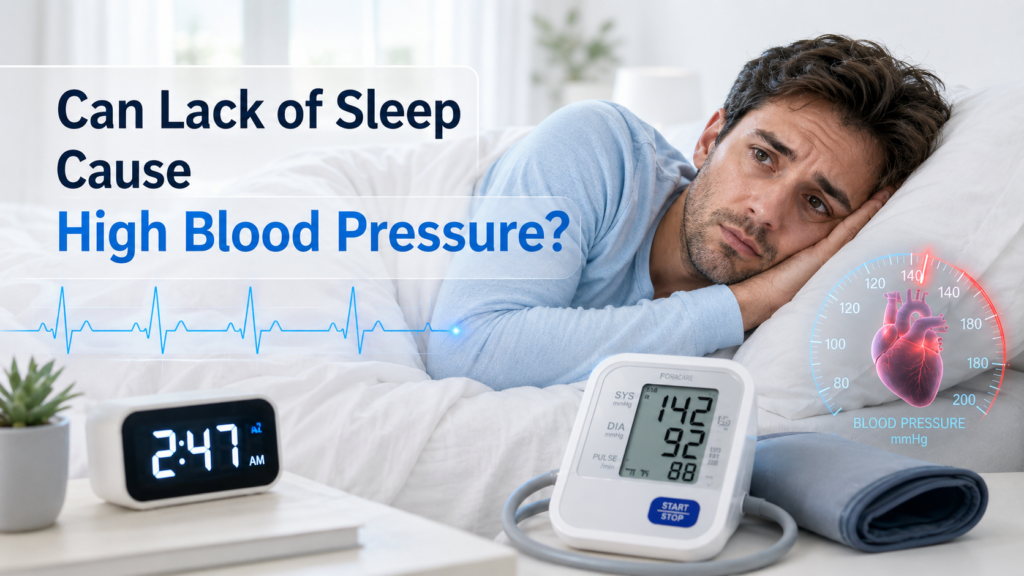
What Causes High Blood Pressure? High blood pressure usually does not come from one single cause. In most adults, it develops gradually over time because of a mix of aging, genetics, lifestyle habits, body weight, and other health conditions. In other cases, high blood pressure is secondary, which means an identifiable medical problem, medication, or substance is driving it. This topic matters because high blood pressure is common, often silent, and harmful when it stays uncontrolled. The World Health Organization says about 1.28 billion adults ages 30 to 79 worldwide have hypertension, and uncontrolled hypertension contributes to heart attacks, strokes, and premature death. The simplest answer is this: high blood pressure is most often caused or worsened by a combination of too much sodium, excess body weight, low physical activity, alcohol, tobacco exposure, poor sleep, stress-related behaviors, family history, aging, and medical conditions such as kidney disease, sleep apnea, diabetes, thyroid disorders, and pregnancy-related disorders. What is high blood pressure, and why does the cause matter? High blood pressure means blood is pushing against artery walls at an unhealthy level. Under current U.S. guidance reflected by CDC and NHLBI, hypertension is generally defined as consistent readings of 130/80 mm Hg or higher. Knowing the cause matters because treatment is not always the same. Someone with primary hypertension may benefit most from long-term lifestyle changes and sometimes medication, while someone with secondary hypertension may need treatment for an underlying condition such as kidney disease, sleep apnea, or a hormone problem. High blood pressure is especially important to catch because it usually has no warning signs or symptoms. CDC notes that measuring blood pressure is the only way to know whether it is high. What is the difference between primary and secondary hypertension? The difference is that primary hypertension has no single identifiable cause, while secondary hypertension is caused by another condition, medicine, or trigger. Mayo Clinic notes that for most adults, there is no identifiable single cause, and this form tends to develop gradually over many years. Secondary hypertension, by contrast, tends to appear more suddenly and can cause higher readings. This distinction helps explain why “cause” can mean two different things: a long-term pattern of risk factors that gradually raises blood pressure a direct underlying problem that pushes blood pressure up more abruptly In practice: Primary hypertension is more common and is linked to age, genetics, diet, inactivity, weight, and vascular changes. Secondary hypertension is more likely when blood pressure rises suddenly, becomes very hard to control, or appears alongside clues such as kidney disease, sleep apnea, thyroid problems, certain medicines, or pregnancy complications. What lifestyle factors cause or worsen high blood pressure? Lifestyle factors are among the most important modifiable causes of high blood pressure. NHLBI and CDC both note that unhealthy habits, especially poor diet, inactivity, and excess weight, can raise risk and contribute to hypertension over time. The biggest everyday contributors include: too much sodium excess body weight too little exercise alcohol overuse tobacco use poor sleep stress-related habits Does too much sodium raise blood pressure? Yes. Too much sodium can raise blood pressure by increasing fluid retention and affecting how blood vessels and the kidneys handle salt and water. NHLBI states that too much sodium can raise blood pressure, and notes that about 90% of children and adults in the U.S. eat too much salt. This matters because sodium is one of the most actionable causes. Cutting back often helps, especially in people who are salt-sensitive or already have hypertension. NHLBI also points to the DASH eating plan and lower sodium intake as proven ways to reduce blood pressure. Practical examples of high-sodium foods include: processed meats canned soups fast food chips and salty snacks pizza packaged sauces and frozen meals Can being overweight or obese lead to high blood pressure? Yes. Excess body weight is a major driver of high blood pressure. NHLBI lists overweight and obesity as risk factors, and CDC says obesity increases the risk of developing hypertension. Weight affects blood pressure in several ways: It changes blood vessel function It increases strain on the heart It affects kidney function and hormone systems It often overlaps with insulin resistance, diabetes, and sleep apnea CDC reports that 58% of U.S. adults with obesity have high blood pressure, which shows how tightly the two conditions overlap. That does not mean every person with obesity will have hypertension, but it does show that obesity is a major risk signal. Does inactivity make blood pressure worse? Yes. Not getting enough physical activity increases the risk of hypertension. CDC says high blood pressure can develop because of unhealthy lifestyle choices, such as not getting enough regular physical activity, and Mayo Clinic notes that inactivity often contributes to weight gain and higher resting heart rates. In simple terms, regular movement helps blood vessels function better and supports a healthier weight, blood sugar, and heart function. A sedentary pattern does the opposite over time. Can alcohol, smoking, and stress raise blood pressure? Yes. Alcohol, tobacco exposure, and stress can all raise blood pressure, although they do it in different ways. Mayo Clinic notes that drinking too much alcohol is linked with increased blood pressure, smoking can raise blood pressure immediately for a short time and damage blood vessels, and high stress can cause temporary increases while also driving unhealthy habits that keep pressure high. Here is the practical breakdown: Alcohol: heavy intake is linked with higher blood pressure. Smoking or vaping nicotine can cause short-term spikes and ongoing blood vessel injury. Stress: often raises blood pressure temporarily, and repeated stress may worsen it indirectly through overeating, alcohol, poor sleep, and tobacco use. A common misconception is that stress alone is the only cause. In reality, stress is usually one contributor in a larger pattern rather than the sole explanation. Can poor sleep contribute to high blood pressure? Yes. Poor sleep can contribute, especially when the problem is obstructive sleep apnea. NHLBI lists sleep apnea among medical conditions that can cause

What Causes High Blood Pressure? Main Reasons, Risk Factors, and Hidden Causes Read More »

What is good blood pressure

What Is a Good Blood Pressure? Normal Ranges Explained (2026 Guide)

What Is a Good Blood Pressure? A good blood pressure is typically around 120/80 mmHg or lower, according to guidelines from the American Heart Association and Centers for Disease Control and Prevention. That number represents a healthy balance where your heart pumps efficiently without putting extra strain on your arteries. But “good” blood pressure is not just one number—it’s a range that depends on overall health, age, and risk factors. Understanding your blood pressure is one of the most important steps you can take to protect your heart, brain, and long-term health. What is considered a normal blood pressure reading? A normal blood pressure reading is less than 120/80 mmHg. Explanation:This means: Systolic (top number): less than 120 Diastolic (bottom number): less than 80 According to the American Heart Association: This range indicates low risk for heart disease and stroke Why it matters: Staying in this range reduces strain on blood vessels Helps prevent long-term complications What do systolic and diastolic numbers mean? Systolic and diastolic numbers measure pressure in your arteries during and between heartbeats. Direct answer: Systolic pressure: the force when the heart beats Diastolic pressure: the force when the heart rests Example: 120/80 mmHg means: 120 = pressure during heartbeat 80 = pressure between beats Why both matter: High systolic → increased risk of heart attack High diastolic → risk of long-term artery damage What are the official blood pressure categories? Blood pressure is divided into clear categories: Category Systolic Diastolic Normal <120 <80 Elevated 120–129 <80 Hypertension Stage 1 130–139 80–89 Hypertension Stage 2 ≥140 ≥90 Hypertensive Crisis ≥180 ≥120 Source: American Heart Association Insight: Even “elevated” levels can increase risk over time Early action can prevent full hypertension What is a good blood pressure by age? A good blood pressure is generally the same (<120/80) across adults, but slightly higher readings may be acceptable in older individuals. Explanation: Blood vessels stiffen with age Slight increases may occur naturally Typical patterns: Young adults: closer to 110/70 Middle age: around 120/80 Older adults: slightly higher but ideally controlled Important note: Guidelines focus on risk reduction, not just age norms When is blood pressure considered too high? Blood pressure is considered high when it is 130/80 mmHg or higher. Explanation: This is called hypertension It increases the risk of: Heart disease Stroke Kidney damage Data insight: According to the CDC, nearly half of U.S. adults have high blood pressure, but many don’t know it When is blood pressure too low? Blood pressure is considered low when it is below 90/60 mmHg. Explanation: This is called hypotension It may cause: Dizziness Fainting Weakness Important: Low BP is only a problem if symptoms are present Why does blood pressure matter for your health? Blood pressure matters because it directly affects heart, brain, and organ health. Direct answer: High blood pressure damages arteries over time Risks include: Heart attack Stroke Kidney disease Vision problems Research insight: The World Health Organization reports that hypertension is a leading cause of premature death globally How can you check your blood pressure correctly? You can check blood pressure using a home monitor or at a clinic, but accuracy depends on proper technique. Steps: Sit quietly for 5 minutes Keep feet flat on the floor Place the cuff at heart level Avoid caffeine or smoking before measurement Common mistakes: Talking during measurement Wrong cuff size Measuring right after the activity What factors affect your blood pressure? Several lifestyle and biological factors influence blood pressure. Key factors: Diet (especially salt intake) Physical activity Stress levels Body weight Smoking Alcohol consumption Genetics Example: High sodium intake increases blood pressure Regular exercise lowers it How can you improve or maintain a healthy blood pressure? You can improve blood pressure through lifestyle changes and medical care when needed. Most effective strategies: Eat a balanced diet (e.g., DASH diet) Reduce salt intake Exercise regularly (150 min/week recommended) Maintain a healthy weight Manage stress Avoid smoking Medical options: Medication if lifestyle changes are not enough Key Takeaways A good blood pressure is below 120/80 mmHg High blood pressure starts at 130/80 mmHg Both systolic and diastolic numbers matter Lifestyle plays a major role in control Regular monitoring is essential FAQs What is the ideal blood pressure number? The ideal reading is below 120/80 mmHg. Is 130/80 considered high? Yes, it is classified as Stage 1 hypertension. Can blood pressure change daily? Yes, it varies due to stress, activity, and diet. What is dangerously high blood pressure? A reading of 180/120 mmHg or higher is a medical emergency. Is low blood pressure bad? Only if it causes symptoms like dizziness or fainting. How often should I check my blood pressure? At least once a year, or more often if you have risk factors. Conclusion A good blood pressure is more than just a number—it’s a key indicator of your overall health. By understanding your readings and making small lifestyle changes, you can significantly reduce your risk of serious diseases and improve your long-term well-being.

What Is a Good Blood Pressure? Normal Ranges Explained (2026 Guide) Read More »

New types of diabetes explained

What Is the New Type of Diabetes? New Subtypes Explained (2026 Guide)

What is the new type of diabetes? There is no single officially recognized “new type of diabetes” in current medical guidelines. According to the American Diabetes Association, diabetes is still classified into type 1 diabetes, type 2 diabetes, gestational diabetes, and other specific types caused by underlying conditions. However, modern research has introduced newer, more precise ways of grouping diabetes, often referred to as research-based subtypes or clusters. These help explain why diabetes behaves differently in different people—even when they are diagnosed with the same “type.” What are the cluster-based subtypes of diabetes? Cluster-based subtypes are five research-driven categories of diabetes identified using biological markers such as insulin resistance, insulin production, age at diagnosis, body weight (BMI), HbA1c levels, and autoimmune markers. These five subtypes were proposed in a major study published in The Lancet and are considered a step toward precision medicine in diabetes care. The five cluster-based diabetes subtypes: The five cluster-based subtypes are: SAID (Severe Autoimmune Diabetes) SIDD (Severe Insulin-Deficient Diabetes) SIRD (Severe Insulin-Resistant Diabetes) MOD (Mild Obesity-Related Diabetes) MARD (Mild Age-Related Diabetes) What is SAID (Severe Autoimmune Diabetes)? SAID is a form of autoimmune diabetes similar to type 1 diabetes. Presence of immune markers (GAD antibodies) Low insulin production Often appears earlier in life Requires insulin therapy early 👉 Closely related to type 1 diabetes and LADA What is SIDD (Severe Insulin-Deficient Diabetes)? SIDD is characterized by very low insulin production and high blood sugar levels. High HbA1c at diagnosis Poor glucose control Higher risk of eye complications (retinopathy) Often misclassified as type 2 👉 Key issue: insulin deficiency, not resistance What is SIRD (Severe Insulin-Resistant Diabetes)? SIRD is defined by strong insulin resistance, where the body does not respond well to insulin. High insulin resistance Often linked with obesity Increased risk of: Kidney disease Fatty liver disease May benefit from insulin-sensitizing treatments 👉 Key issue: insulin is present, but not effective What is MOD (Mild Obesity-Related Diabetes)? MOD includes people with obesity-related diabetes but milder metabolic disturbance. Higher body weight Less severe insulin resistance than SIRD Generally, fewer complications early on 👉 Considered a milder subtype of type 2 diabetes What is MARD (Mild Age-Related Diabetes)? MARD is the most common subtype and occurs in older adults. Later onset (older age) Mild metabolic changes Slower disease progression Lower complication risk compared to severe clusters 👉 Often manageable with lifestyle and basic medication Why do these newer diabetes subtypes matter? These newer subtypes matter because they show that diabetes is not a single, uniform disease. Key benefits of this classification: Helps explain why patients respond differently to treatment Identifies people at higher risk for complications Supports personalized treatment plans Improves prediction of: Kidney disease Eye disease Cardiovascular risk Important: These clusters are still research-based and are not yet used as a standard diagnosis in everyday clinical practice. Comparison Table Subtype Age at Onset BMI HbA1c Insulin Resistance Key Risks Treatment SAID Young Low High Low Autoimmune progression Insulin SIDD Young Low Very high Low Poor control Insulin early SIRD Middle High Normal Very high CKD, MASLD, CV IR drugs, kidney protection MOD Middle-young Very high Mild Moderate Neuropathy Lifestyle, orals MARD Old Normal Mild Low Retinopathy, late CKD Metformin, lifestyle Is type 3c diabetes a newer type of diabetes? Type 3c diabetes is a recognized clinical form, but it is not part of the five-cluster research model. What is type 3c diabetes? Type 3c diabetes (also called pancreatogenic diabetes) occurs when diabetes develops due to damage to the pancreas. Common causes include: Chronic pancreatitis Pancreatic surgery Pancreatic cancer Cystic fibrosis 👉 In this condition, both insulin production and digestion-related functions of the pancreas are affected. Key Differences from Other Types Aspect Type 1 Type 2 Type 3c Cause Autoimmune Resistance + deficiency Pancreatic damage Exocrine Issues No No Yes (diarrhea, steatorrhea) Onset Any age, sudden Gradual, adulthood After pancreatic disease Treatment Insulin only Orals ± insulin Insulin + enzymes What is the most accurate way to describe “new diabetes types”? The most accurate and SEO-friendly way to explain this is: There is no single new official type of diabetes But there are: Emerging research-based subtypes (SAID, SIDD, SIRD, MOD, MARD) Less commonly known clinical types, like type 3c diabetes This distinction keeps your content factually accurate, medically aligned, and highly trustworthy. Key takeaway : There is no single “new type of diabetes” officially recognized in clinical guidelines. However, research has identified five newer subtypes—SAID, SIDD, SIRD, MOD, and MARD—based on insulin resistance, insulin production, age, and autoimmune markers. These clusters may help improve personalized treatment in the future, but they are not yet used in routine diagnosis. Sources: https://my.clevelandclinic.org/health/diseases/24953-type-3c-diabetes https://www.nature.com/articles/s41598-025-22556-4 https://www.remedypublications.com/open-access/new-paradigms-of-diabetes-classification-implications-for-complication-10031.pdf    

What Is the New Type of Diabetes? New Subtypes Explained (2026 Guide) Read More »

What Grocery List Supports a 1,500 Calorie Weight Loss Plan?

20 Warning Signs of Diabetes + A1C Levels, Symptoms & New Types Explained

What Are the Warning Signs, A1C Levels, and Key Indicators of Diabetes? Diabetes is one of the most common chronic diseases worldwide, and many people live with it for years without knowing. According to the World Health Organization, over 420 million people globally have diabetes, and a significant portion remains undiagnosed. The most important thing to understand is this: diabetes often starts silently but gives warning signs if you know what to look for. This guide breaks down those signs, explains A1C levels, and helps you recognize when to take action. What are the 20 warning signs of diabetes? The 20 warning signs of diabetes include frequent urination, excessive thirst, fatigue, blurred vision, and slow-healing wounds. These symptoms happen because high blood sugar disrupts normal body functions. Common early and advanced warning signs: Frequent urination (polyuria) Excessive thirst (polydipsia) Increased hunger (polyphagia) Unexplained weight loss Fatigue or weakness Blurred vision Slow-healing wounds Frequent infections Dry skin Tingling or numbness in hands/feet Dark patches on skin (acanthosis nigricans) Irritability Headaches Bad breath (fruity smell in severe cases) Nausea or vomiting Recurrent yeast infections Reduced concentration Increased nighttime urination Erectile dysfunction (in men) Vision changes over time Why these occur:High blood glucose damages blood vessels and nerves, leading to widespread symptoms across multiple body systems. What are the early warning signs vs late symptoms of diabetes? Early signs are subtle (thirst, fatigue), while late symptoms involve complications like nerve damage and vision loss. Early signs: Mild fatigue Increased thirst Slight weight changes Frequent urination Late-stage symptoms: Nerve pain (neuropathy) Vision problems (retinopathy) Kidney issues Chronic infections Key insight: Early detection can prevent most complications. What do the 5 C’s of diabetes mean? The 5 C’s of diabetes are common symptoms: excessive urination, thirst, hunger, fatigue, and blurry vision. The 5 C’s explained: Constant urination → kidneys remove excess sugar Constant thirst → dehydration from fluid loss Constant hunger → cells lack usable glucose Chronic fatigue → low energy utilization Cloudy vision → fluid shifts in eye lenses These are classic textbook indicators doctors use for initial screening. What does undiagnosed diabetes feel like? Undiagnosed diabetes often feels like persistent fatigue, brain fog, and unexplained body changes that don’t improve. Common experiences: Always tired, even after rest Feeling “off” or mentally slow Frequent infections Increased thirst without a clear cause Subtle weight loss or gain Important: Many people ignore these symptoms because they develop gradually. What is the A1C level for diabetes diagnosis? An A1C level of 6.5% or higher is used to diagnose diabetes. According to the American Diabetes Association: A1C Level Meaning Below 5.7% Normal 5.7% – 6.4% Prediabetes 6.5% or higher Diabetes What A1C measures:It reflects your average blood sugar over the past 2–3 months, not just a single reading. What is a normal A1C vs prediabetes vs diabetes? A normal A1C is below 5.7%, while diabetes starts at 6.5% or higher. Quick comparison: Normal: < 5.7% Prediabetes: 5.7–6.4% Diabetes: ≥ 6.5% Why it matters:Even prediabetes significantly increases the risk of developing full diabetes if not addressed. What is the A1C goal for a 70-year-old? For most healthy adults aged 70, the A1C goal is typically below 7.0–7.5%, depending on overall health. Individualized targets: Healthy older adults: < 7–7.5% Multiple conditions: < 8% Frail individuals: < 8–8.5% Why goals differ:Older adults are at higher risk of hypoglycemia (low blood sugar), so targets are slightly relaxed. How does A1C vary by age and health condition? A1C targets become less strict with age and comorbidities to balance safety and control. Factors affecting A1C goals: Life expectancy Risk of hypoglycemia Heart disease Kidney function Medication type Key idea: Diabetes care is personalized, not one-size-fits-all. What are the newer research-based subtypes of diabetes? Newer research-based subtypes of diabetes are five biologically distinct clusters identified in adults with newly diagnosed diabetes: SAID, SIDD, SIRD, MOD, and MARD. These clusters were proposed to move beyond the simple “type 1 vs. type 2” model by grouping people according to autoimmune status, insulin production, insulin resistance, age at diagnosis, body size, and blood sugar control. The five cluster-based subtypes are: SAID (Severe Autoimmune Diabetes): This group resembles classic autoimmune diabetes. People in this cluster tend to have positive GAD antibodies, an earlier onset, poor insulin production, and a clinical picture similar to type 1 diabetes or LADA. SIDD (Severe Insulin-Deficient Diabetes): This subtype is marked by low insulin secretion and high HbA1c at diagnosis. Research has linked it to poorer glucose control and a higher risk of diabetic retinopathy. SIRD (Severe Insulin-Resistant Diabetes): This group is defined by marked insulin resistance. Follow-up studies have found that it is associated with a higher risk of diabetic kidney disease and fatty liver–related complications. MOD (Mild Obesity-Related Diabetes): This subtype usually includes people with obesity but without the same degree of severe insulin resistance seen in SIRD. It is generally considered a milder phenotype than the severe subgroups. MARD (Mild Age-Related Diabetes): This cluster tends to appear in older adults and usually has a comparatively milder metabolic profile at diagnosis. This classification matters because different clusters appear to carry different risks for complications and may eventually support more personalized treatment. In the original Lancet study, the authors concluded that this five-cluster model could be a first step toward precision medicine in diabetes, because disease progression and complication risk were not the same across all groups. At the same time, these clusters are not the standard day-to-day diagnostic system used in routine clinical guidelines. Current ADA classification still organizes diabetes into major clinical categories such as type 1 diabetes, type 2 diabetes, gestational diabetes, and other specific types due to other causes, including monogenic diabetes and diabetes caused by exocrine pancreatic disease or medications. How are modern classifications of diabetes changing? Modern research is shifting diabetes classification from 3 types to multiple subgroups based on biology. Key changes: Focus on insulin resistance vs deficiency Use of genetic and metabolic markers More precise treatment approaches Insight: Diabetes is not a single disease—it’s

20 Warning Signs of Diabetes + A1C Levels, Symptoms & New Types Explained Read More »

How to lower blood sugar quickly

How to Lower Blood Sugar Quickly (10-Minute, Immediate & 24-Hour Methods)

How Can I Lower My Blood Sugar Quickly? If your blood sugar is high, the fastest way to lower it safely is through hydration, light physical activity, and (if prescribed) medication like insulin. These methods work by helping your body either use glucose or remove excess sugar from the bloodstream. High blood sugar—also called hyperglycemia—can happen after eating too many refined carbs, missing medication, stress, or illness. According to the Centers for Disease Control and Prevention, consistently high blood sugar increases the risk of heart disease, kidney damage, and nerve problems. This guide gives you practical, evidence-based steps you can use immediately, within minutes, and over the next 24 hours. What brings down blood sugar immediately? The fastest ways to lower blood sugar immediately are drinking water, taking a short walk, and using prescribed insulin if needed. These methods work quickly because they either: Help your body use glucose (exercise) Help flush excess glucose through urine (hydration) Directly lower glucose (medication) Immediate actions you can take: Drink water (1–2 glasses): Helps the kidneys remove excess glucose Walk for 10–15 minutes: Muscles use glucose for energy Take insulin (if prescribed): Most effective for rapid control Avoid eating more carbs: Prevents further spikes 👉 Research shows that even light activity after meals can reduce post-meal glucose spikes. Can you lower blood sugar in 10 minutes? Yes, you can start lowering blood sugar within 10 minutes, but a significant reduction usually takes 30–60 minutes. The fastest short-term impact comes from movement and hydration. What works in 10 minutes: Brisk walking or climbing stairs Drinking water Deep breathing (reduces stress hormones) What does NOT work instantly: Eating “healthy foods” (takes time to digest) Supplements claiming instant results “Detox” drinks 👉 Exercise begins improving glucose uptake almost immediately because muscles pull sugar from the blood without needing as much insulin. How can I flush sugar out of my system fast? You cannot literally “flush sugar out instantly,” but you can help your body remove excess glucose faster through hydration and urination. What actually works: Drink water regularly Stay hydrated throughout the day Support kidney function naturally What is a myth: Detox drinks Lemon water “flushing sugar.” Herbal cures act instantly 👉 The body naturally regulates sugar through: Insulin Kidneys Liver No shortcut bypasses this system. What drinks bring blood sugar down? The best drinks for lowering blood sugar are water, unsweetened tea, and certain low-calorie beverages that improve insulin sensitivity. Best drinks: Water (most effective) Helps eliminate excess glucose through urine Green tea Contains antioxidants linked to improved insulin sensitivity Black coffee (unsweetened) May improve glucose metabolism ([research it and add it from your own, Insert study]) Apple cider vinegar (diluted) Some studies show it may reduce post-meal glucose spikes Drinks to avoid: Soda Fruit juice Energy drinks Sweetened tea Drink Type Effect on Blood Sugar Water Lowers Green tea Supports control Soda Raises sharply Juice Raises quickly What is the number one snack to lower blood sugar? The best snack to stabilize blood sugar is a combination of protein and fiber, such as nuts or Greek yogurt. These foods slow down digestion and prevent spikes. Top snack options: A handful of almonds or walnuts Greek yogurt (unsweetened) Boiled eggs Peanut butter with apple slices Chia pudding Why these work: Protein slows glucose absorption Fiber reduces spikes Healthy fats improve satiety 👉 According to the American Diabetes Association, balanced snacks help prevent rapid blood sugar fluctuations. How do I lower my blood sugar in 24 hours? You can significantly lower blood sugar within 24 hours by combining diet, hydration, movement, and medication adherence. 24-hour action plan: Morning Drink water Eat a high-protein breakfast Take medications as prescribed Daytime Walk after meals Avoid refined carbs Stay hydrated Evening Eat a light, balanced dinner Avoid late-night snacking Key principles: Reduce carb load Increase activity Stay consistent 👉 Studies show that diet and activity changes can improve glucose levels within a single day. What should you avoid when your blood sugar is high? Avoid anything that causes rapid glucose spikes or worsens insulin resistance. Avoid immediately: Sugary drinks White bread, rice, pasta Fried foods Large meals Skipping medication Why this matters: These foods cause sharp spikes followed by crashes, making control harder. When should you seek medical help for high blood sugar? Seek medical help if blood sugar is persistently above 300 mg/dL or accompanied by symptoms. Warning signs: Extreme thirst Frequent urination Blurred vision Nausea or vomiting Confusion These may indicate serious conditions like diabetic ketoacidosis (DKA). What are the most common mistakes when trying to lower blood sugar fast? The biggest mistakes include relying on myths, skipping medication, and overcorrecting. Common errors: Drinking sugary “health” drinks Ignoring medication Overeating “healthy carbs.” Panic eating Better approach: Stay calm Use proven methods Monitor glucose levels Key Takeaways The fastest way to lower blood sugar is water + movement + medication (if prescribed) You can start lowering it in 10–15 minutes, but the full effect takes longer There is no instant “flush” solution Protein + fiber snacks help stabilize glucose Consistency over 24 hours makes a big difference FAQs How fast can blood sugar drop? Blood sugar can begin dropping within 10–15 minutes, but noticeable changes usually take 30–60 minutes. Does drinking water lower blood sugar immediately? Yes, water helps lower blood sugar by aiding kidney function and glucose excretion. Can exercise lower blood sugar quickly? Yes, even light activity like walking can reduce blood sugar within minutes. What is the fastest natural way to lower blood sugar? Hydration and physical activity are the fastest natural methods. Is fasting good for lowering blood sugar quickly? Short-term fasting may help, but it should be done carefully and not without guidance if you have diabetes. Can I bring my blood sugar down without medication? Yes, mild spikes can often be managed with diet and activity, but medication is necessary for many people. What is dangerously high blood sugar? Levels above 300 mg/dL are considered dangerous and require medical attention. Need Diabetes

How to Lower Blood Sugar Quickly (10-Minute, Immediate & 24-Hour Methods) Read More »

Understanding diabetes_ triggers and rules

What Makes Diabetes Worse? Complete Guide to Triggers, Worst Foods, and Safe Management Rules

What Makes Diabetes Worse? Comprehensive Guide to Triggers, Worst Foods, and Safe Management Rules Diabetes doesn’t worsen overnight—it happens gradually when blood sugar stays uncontrolled for long periods. The biggest drivers are diet, lifestyle habits, and inconsistent management. If you understand what triggers blood sugar spikes and insulin resistance, you can prevent complications and live a healthy life. According to the World Health Organization (WHO), global diabetes prevalence has risen from about 7% in 1990 to 14% in 2022, largely due to poor diet and inactivity. That makes understanding these triggers more important than ever. What makes diabetes worse over time? Diabetes worsens when blood sugar remains consistently above target levels, leading to damage in organs like the heart, kidneys, eyes, and nerves. When glucose stays high: Blood vessels become damaged Insulin becomes less effective Complications develop faster Key factors that worsen diabetes: Frequent high blood sugar (hyperglycemia) Poor diet (high sugar and refined carbs) Lack of physical activity Excess body weight Smoking Poor sleep Skipping medications 📊 Research insight:The Centers for Disease Control and Prevention (CDC) states that people with diabetes are 2–3 times more likely to develop heart disease than those without it. What aggravates diabetes and causes blood sugar spikes? Diabetes is aggravated by anything that increases insulin resistance or causes rapid glucose spikes. These triggers make it harder to keep blood sugar stable. Common aggravating factors: Ultra-processed foods Sugary drinks Refined carbohydrates Stress Infections Dehydration Alcohol (in excess) Why these factors matter: They increase glucose absorption speed They reduce insulin sensitivity They cause frequent spikes and crashes How stress plays a role: Stress hormones like cortisol increase blood sugar levels—even without eating. What is the number one worst food for diabetics? The worst food group for diabetics is sugary drinks, including soda, sweetened tea, energy drinks, and fruit juices. Why sugary drinks are harmful: They contain high amounts of sugar (≈40g per soda) They are absorbed very quickly They lack fiber and protein Result: Rapid glucose spikes Increased insulin demand Higher long-term risk 📊 Research finding:A meta-analysis published in Diabetes Care found that people consuming high amounts of sugary drinks had about a 26–30% higher risk of developing type 2 diabetes. Why do sugary drinks spike blood sugar faster than solid foods? Liquids digest faster because they require little breakdown, leading to immediate glucose absorption. In contrast: Solid foods digest more slowly Fiber slows sugar release Protein reduces spikes What foods should you avoid if you have diabetes? People with diabetes should avoid foods that cause rapid blood sugar spikes or worsen insulin resistance. High-risk food categories: Food Type Examples Why It’s Harmful Sugary drinks Soda, juice, energy drinks Rapid glucose spikes Refined carbs White bread, rice, pasta High glycemic index Sweets Cakes, cookies, candy Sugar + refined flour Processed meats Sausages, bacon Linked to insulin resistance Fried foods Fast food, fries High fat + inflammation Additional foods to limit: Sweetened yogurt Breakfast cereals (processed) Packaged snacks 📊 Evidence:A study in The BMJ found that higher consumption of refined grains is associated with increased diabetes risk. What is the 15-minute rule in diabetes? The 15-minute rule is used to treat mild hypoglycemia (low blood sugar) safely. How it works: Take 15 grams of fast-acting carbs Glucose tablets 120 ml juice 1 tablespoon sugar or honey Wait 15 minutes Recheck blood sugar Repeat if still below 70 mg/dL Why it’s important: Prevents severe hypoglycemia Avoids overcorrecting (which causes spikes) This method is recommended by the American Diabetes Association (ADA). What is the 3-hour rule in diabetes? The 3-hour rule means not going longer than 3–4 hours without eating (for some patients) and checking blood sugar 2–3 hours after meals. Two common uses: 1. Eating interval rule: Prevents low blood sugar Keeps glucose stable 2. Post-meal monitoring: Check blood sugar after 2–3 hours Helps adjust diet or insulin Why it matters: Post-meal spikes (postprandial glucose) are linked to: Heart disease Long-term complications What is the worst thing a diabetic can do? The worst thing a diabetic can do is ignore blood sugar management consistently. Dangerous behaviors include: Skipping medications or insulin Eating high-sugar foods regularly Not monitoring blood glucose Ignoring symptoms Avoiding medical care Why this is dangerous: Leads to chronic hyperglycemia Increases complication risk 📊 Global impact:According to the International Diabetes Federation (IDF), diabetes caused 6.7 million deaths in 2021. Why is skipping medication dangerous? Skipping medication disrupts blood sugar control and can lead to severe complications quickly. It can cause: Sudden glucose spikes Diabetic ketoacidosis (in type 1) Organ damage over time How do lifestyle habits affect diabetes control? Lifestyle habits directly influence blood sugar, insulin sensitivity, and overall disease progression. Positive habits: Regular exercise Balanced diet Adequate sleep Stress management Negative habits: Sedentary lifestyle Smoking Chronic stress Sleep deprivation 📊 Research insight:The Diabetes Prevention Program (NIH study) showed lifestyle changes reduced diabetes risk by 58%. What are the long-term risks of poorly controlled diabetes? Uncontrolled diabetes leads to serious complications affecting multiple organs. Major complications: Heart disease Stroke Kidney failure Vision loss Nerve damage Amputations Why complications happen: High glucose damages blood vessels Inflammation increases Organs lose function Key Takeaways Diabetes worsens due to high blood sugar over time Sugary drinks are the worst dietary trigger Lifestyle habits play a major role The 15-minute rule treats low blood sugar The 3-hour rule helps maintain stability Ignoring management is the most dangerous behavior FAQs What causes sudden spikes in blood sugar? Sudden spikes are caused by sugary foods, stress, illness, or skipping medication. Can stress worsen diabetes? Yes, stress increases cortisol, which raises blood sugar levels. Is fruit bad for diabetes? Whole fruit is generally safe in moderation, but fruit juice should be limited. How often should diabetics eat? Many people benefit from eating every 3–4 hours, but this depends on treatment plans. What is a safe blood sugar level? Typically, 70–130 mg/dL before meals and less than 180 mg/dL after meals (ADA guidelines). Can diabetes be reversed? Type 2 diabetes can sometimes be put

What Makes Diabetes Worse? Complete Guide to Triggers, Worst Foods, and Safe Management Rules Read More »