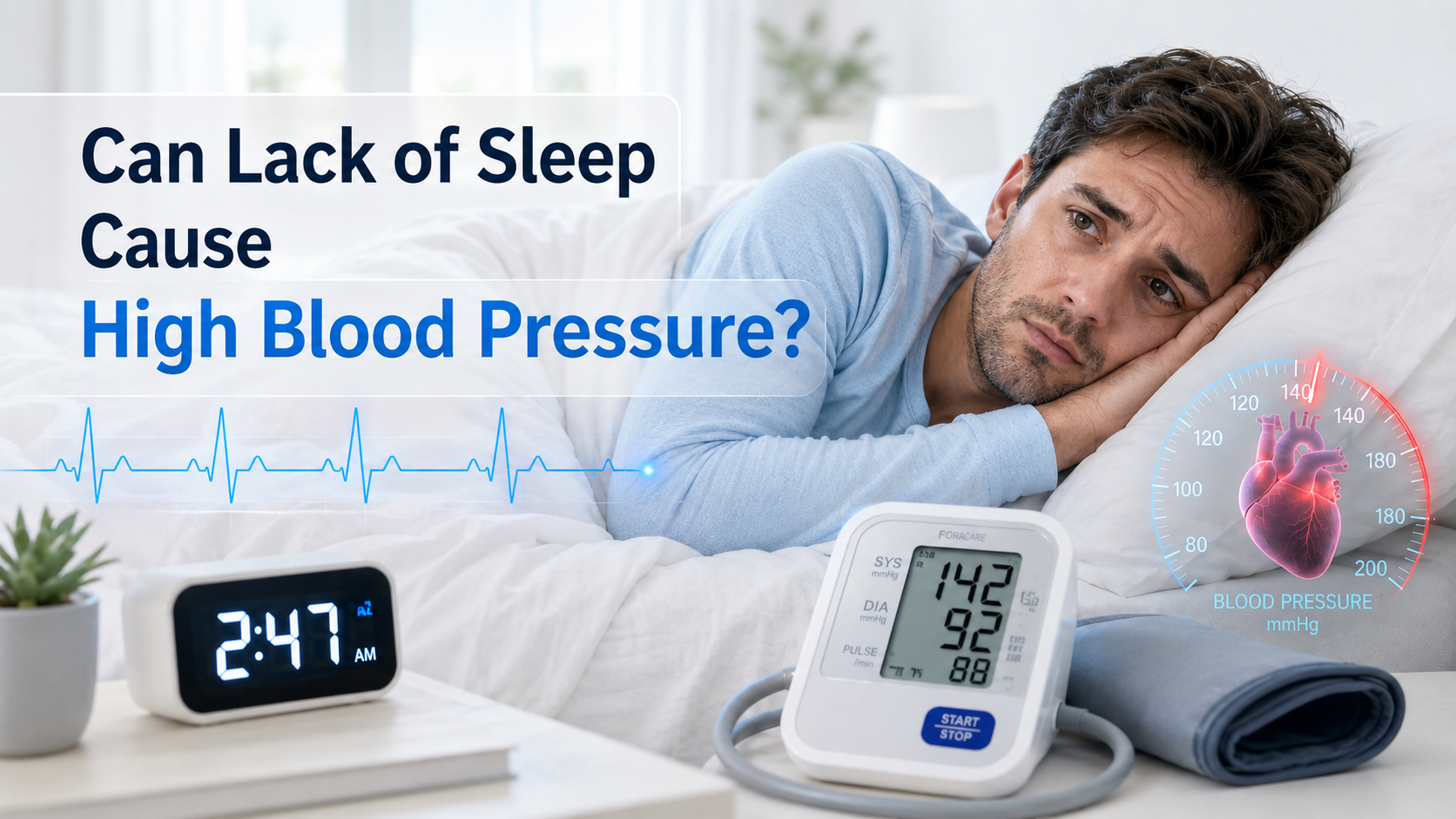
Can Lack of Sleep Cause High Blood Pressure?
Yes, a regular lack of sleep can contribute to high blood pressure, especially when sleep is short, poor quality, irregular, or disrupted by a sleep disorder such as obstructive sleep apnea. One poor night may temporarily raise blood pressure, but repeated sleep loss can make blood pressure regulation harder over time.
High blood pressure matters because it often has no obvious symptoms. The CDC defines high blood pressure as blood pressure consistently at or above 130/80 mm Hg, and notes that it can affect the heart, brain, kidneys, and eyes.
Sleep is not just rest. It is a nightly recovery period for the heart, blood vessels, hormones, metabolism, and nervous system.
Can Lack of Sleep Cause High Blood Pressure?
Yes, lack of sleep can raise the risk of high blood pressure and may worsen blood pressure in people who already have hypertension. Mayo Clinic states that regular lack of sleep may lead to high blood pressure in children and adults, and people who sleep six hours or less may have steeper increases in blood pressure.
The link is strongest when sleep deprivation becomes a pattern. This may include:
- Sleeping fewer than 7 hours most nights
- Waking often during the night
- Having untreated insomnia
- Working night shifts or rotating shifts
- Having loud snoring or sleep apnea
- Sleeping at very different times each day
Sleep loss does not act alone. It often combines with stress, poor diet, inactivity, weight gain, alcohol use, and existing health conditions.
Why Does Sleep Matter for Blood Pressure Regulation?
Sleep matters because blood pressure normally falls during healthy sleep. The CDC explains that during normal sleep, blood pressure goes down, but sleep problems can keep blood pressure higher for a longer period of time.
This nighttime drop is sometimes called nocturnal dipping. It gives the heart and blood vessels a period of reduced workload.
What Happens to Blood Pressure During Normal Sleep?
During normal non-REM sleep, heart rate and blood pressure usually fall. The NHLBI explains that when a person enters non-REM sleep, the parasympathetic nervous system becomes more active, the heart works less hard, and blood pressure and heart rate decrease.
This is one reason good sleep supports cardiovascular recovery.
Normal sleep supports:
- Lower nighttime blood pressure
- Reduced heart workload
- Better hormone balance
- Better blood sugar regulation
- Healthier stress response
- More stable appetite and weight control
What Happens When Sleep Is Too Short or Poor Quality?
When sleep is too short or fragmented, the body gets less cardiovascular recovery time. Blood pressure may stay higher at night and may rise more easily during the day.
Poor sleep can also make people more likely to choose habits that raise blood pressure, such as drinking more caffeine, skipping exercise, eating salty convenience foods, or feeling more stressed.
The American Heart Association notes that poor sleep can contribute to major cardiovascular risk factors, including obesity, high blood pressure, and diabetes.
How Does Sleep Deprivation Raise Blood Pressure?
Sleep deprivation can raise blood pressure through nervous system activation, stress hormone changes, circadian rhythm disruption, inflammation, and indirect effects on weight and metabolism.
These mechanisms often overlap. That means poor sleep can affect blood pressure from several directions at once.
How Do Cortisol and Adrenaline Affect Blood Pressure?
Cortisol and adrenaline can raise blood pressure by increasing alertness, heart rate, and blood vessel tension. When sleep is restricted, the body may stay in a more “switched on” stress state.
Cortisol is a normal hormone that helps people wake up. But when sleep is disrupted, stress hormone patterns can become less stable. Mayo Clinic notes that sleep helps the body control hormones needed for stress and metabolism, and hormone changes from lack of sleep may contribute to high blood pressure and other heart disease risk factors.
In simple terms:
- More stress signaling can tighten blood vessels.
- A faster heart rate can increase pressure inside the arteries.
- Less nighttime recovery can keep the cardiovascular system under strain.
How Does Circadian Rhythm Disruption Affect Blood Pressure?
Circadian rhythm disruption can affect blood pressure because the body’s internal clock helps regulate sleep, hormones, metabolism, heart rate, and blood pressure timing.
This is why irregular sleep schedules can matter even when total sleep time seems adequate. Shift work, jet lag, late-night screen use, and inconsistent bedtimes may confuse the body’s normal sleep-wake pattern.
A stable sleep schedule helps the body predict when to lower alertness and when to prepare for waking.
How Does Poor Sleep Affect Weight, Blood Sugar, and Inflammation?
Poor sleep can indirectly raise blood pressure by increasing the risk of weight gain, diabetes, inflammation, and unhealthy lifestyle patterns. The CDC links short sleep with chronic conditions such as obesity, diabetes, hypertension, heart disease, stroke, anxiety, and depression.
This matters because hypertension is rarely caused by one factor. Sleep, diet, activity, stress, body weight, and medical conditions often interact.
| Sleep-related factor | Possible blood pressure effect |
|---|---|
| Short sleep duration | Less nighttime blood pressure recovery |
| Poor sleep quality | More stress response and daytime fatigue |
| Irregular sleep timing | Circadian rhythm disruption |
| Sleep apnea | Oxygen drops and repeated nighttime stress |
| Daytime fatigue | Less exercise and poorer food choices |
| Chronic insomnia | More stress, alertness, and nervous system activation |
How Many Hours of Sleep Are Best for Healthy Blood Pressure?
Most adults should aim for 7 to 9 hours of sleep per night to support cardiovascular health. The American Heart Association includes healthy sleep in its Life’s Essential 8 and states that most adults need 7–9 hours of sleep each night.
Sleeping less than 7 hours regularly is considered insufficient for most adults. The CDC reports that in 2020, 35% of U.S. adults reported insufficient sleep duration, defined as fewer than 7 hours on average in 24 hours.
A 2025 systematic review and meta-analysis of cohort studies found that short sleep duration was associated with increased hypertension risk, especially sleep under 7 hours, with a stronger risk seen under 6 hours. The review included 173,734 participants, of whom 41,528 developed hypertension.
The practical message is simple: sleep duration is not the only factor, but consistently getting less than 7 hours may increase risk.
Is Insomnia Linked to High Blood Pressure?
Yes, insomnia is linked to high blood pressure and heart disease, especially when it is chronic. Insomnia means trouble falling asleep, staying asleep, or both.
The CDC states that insomnia is linked to high blood pressure and heart disease, and poor sleep can also lead to habits that hurt heart health, such as higher stress, less physical activity, and unhealthy food choices.
Common insomnia patterns include:
- Taking a long time to fall asleep
- Waking up repeatedly
- Waking too early
- Feeling unrefreshed after sleep
- Feeling tired but unable to sleep
Chronic insomnia should not be ignored, especially if blood pressure is also rising.
How Does Obstructive Sleep Apnea Cause High Blood Pressure?
Obstructive sleep apnea can raise blood pressure because breathing repeatedly stops or becomes shallow during sleep, causing oxygen drops and repeated stress responses. This makes sleep lighter, more fragmented, and less restorative.
The CDC explains that sleep apnea affects oxygen levels during sleep and increases the risk of high blood pressure, heart attack, and stroke.
Mayo Clinic also identifies obstructive sleep apnea as a treatable cause of poor sleep that can play a role in high blood pressure.
Warning signs of possible sleep apnea include:
- Loud snoring
- Gasping or choking during sleep
- Morning headaches
- Dry mouth on waking
- Daytime sleepiness
- High blood pressure that is hard to control
- Feeling tired after a full night in bed
Anyone with these signs should discuss sleep apnea screening with a healthcare professional.
Who Is Most at Risk of Sleep-Related High Blood Pressure?
People are more at risk when poor sleep occurs alongside other hypertension risk factors. Risk is higher in people with existing high blood pressure, obesity, diabetes, high stress, shift work, sleep apnea symptoms, or a family history of hypertension.
Hypertension is common. A recent NCHS report found that 47.7% of U.S. adults had hypertension during August 2021–August 2023, and prevalence increased with age.
Groups that should pay closer attention include:
- Adults sleeping less than 7 hours most nights
- People aged 40 and older
- People with obesity or diabetes
- People with chronic stress or anxiety
- People who snore loudly
- Shift workers
- People with resistant hypertension
- People who wake up tired despite enough time in bed
Globally, the WHO estimates that 1.4 billion adults aged 30–79 had hypertension in 2024, making blood pressure control a major public health issue.
What Symptoms Suggest Poor Sleep May Be Affecting Blood Pressure?
Poor sleep may be affecting blood pressure if tiredness, morning headaches, snoring, stress, and elevated readings appear together. However, high blood pressure itself often has no warning signs.
The CDC states that high blood pressure usually has no signs or symptoms, and measuring blood pressure is the only way to know whether it is high.
Possible clues include:
- Blood pressure readings are rising over time
- Morning headaches
- Daytime sleepiness
- Poor concentration
- Irritability
- Waking during the night
- Racing heart at night
- Loud snoring or gasping
- Needing caffeine to function
These symptoms do not prove hypertension, but they are good reasons to check blood pressure and review sleep quality.
Can Better Sleep Help Lower Blood Pressure?
Better sleep may help improve blood pressure control, especially when poor sleep is one of the contributing factors. It should be seen as part of a complete blood pressure plan, not a replacement for medical treatment.
The American Heart Association recommends lifestyle changes for blood pressure management and specifically notes that short sleep under 7 hours and poor-quality sleep are associated with high blood pressure.
Better sleep may help by:
- Restoring nighttime blood pressure dipping
- Reducing stress hormone activation
- Improving energy for exercise
- Supporting healthier food choices
- Reducing inflammation and metabolic strain
- Improving medication adherence and daily routine
For people already diagnosed with hypertension, sleep improvement should be combined with blood pressure monitoring and medical guidance.
What Sleep Habits Help Prevent High Blood Pressure?
The best sleep habits for blood pressure are consistent, realistic, and repeatable. The goal is to improve both sleep duration and sleep quality.
Helpful steps include:
- Keep a consistent sleep schedule
Go to bed and wake up at similar times each day. - Aim for 7–9 hours of sleep
Most adults need this range for cardiovascular health. - Limit bright light and screens before bed
Evening light can delay sleep timing and reduce sleep quality. - Avoid caffeine late in the day
Caffeine can worsen insomnia and shorten sleep. - Avoid heavy meals close to bedtime
Large meals can interfere with sleep quality. - Create a calm bedtime routine
Reading, gentle stretching, breathing exercises, or a warm shower can help. - Exercise regularly, but not too late
Physical activity supports blood pressure control and sleep quality. - Check for sleep apnea symptoms
Loud snoring, gasping, and daytime sleepiness need medical attention. - Monitor blood pressure at home
The AHA says home monitoring with a validated device can help track blood pressure, but diagnosis should be confirmed by a healthcare professional.
What Common Mistakes Make Sleep-Related Blood Pressure Worse?
Common mistakes include treating sleep as optional, relying on weekend recovery sleep, ignoring snoring, and using caffeine or alcohol to manage fatigue.
Avoid these mistakes:
- Ignoring short sleep because you “feel used to it”
The NHLBI warns that it is a myth that people can learn to get by on little sleep without negative effects. - Assuming snoring is harmless
Loud snoring with daytime tiredness can signal sleep apnea. - Only focusing on salt
Sodium matters, but sleep, stress, activity, weight, and alcohol also affect blood pressure. - Using alcohol as a sleep aid
Alcohol may make a person sleepy but can fragment sleep and worsen breathing issues. - Skipping blood pressure checks
Because hypertension is often silent, symptoms are not reliable. - Stopping medication after sleeping better
Sleep improvement supports blood pressure control, but medication changes should only be made with a clinician.
Key Takeaway
Lack of sleep can contribute to high blood pressure because healthy sleep helps blood pressure fall at night, calms the nervous system, supports hormone balance, and protects metabolic health. The greatest concern is not one short night, but repeated short sleep, chronic insomnia, irregular sleep timing, or untreated sleep apnea.
For most adults, 7–9 hours of consistent, good-quality sleep is a practical target for heart health. Sleep is not a luxury; it is part of blood pressure prevention and cardiovascular care.
FAQs About Lack of Sleep and High Blood Pressure
Can one night of poor sleep raise blood pressure?
Yes, one poor night can temporarily raise blood pressure in some people. Chronic sleep loss is a bigger concern because repeated poor sleep may affect long-term blood pressure regulation.
Is 5 hours of sleep enough if I feel normal?
For most adults, 5 hours is not enough. Most adults need 7–9 hours of sleep for good cardiovascular health.
Can insomnia cause high blood pressure?
Chronic insomnia is linked to high blood pressure and heart disease. It may raise risk through stress, nervous system activation, poor recovery, and unhealthy lifestyle changes.
Does sleep apnea cause high blood pressure?
Sleep apnea can contribute to high blood pressure because it repeatedly disrupts breathing and oxygen levels during sleep. It is also linked to heart attack and stroke risk.
Can better sleep lower blood pressure naturally?
Better sleep may help improve blood pressure, especially when poor sleep is a major contributor. It works best with healthy eating, exercise, stress management, weight control, and medical care when needed.
What blood pressure reading is considered high?
High blood pressure is generally defined as blood pressure consistently at or above 130/80 mm Hg. Normal blood pressure is less than 120/80 mm Hg.
When should I seek urgent care for high blood pressure?
The AHA says if blood pressure is higher than 180 and/or 120 mm Hg, repeat the reading after one minute. If it remains high, contact a healthcare professional; if symptoms such as chest pain, shortness of breath, weakness, numbness, vision changes, or trouble speaking occur, call emergency services.