
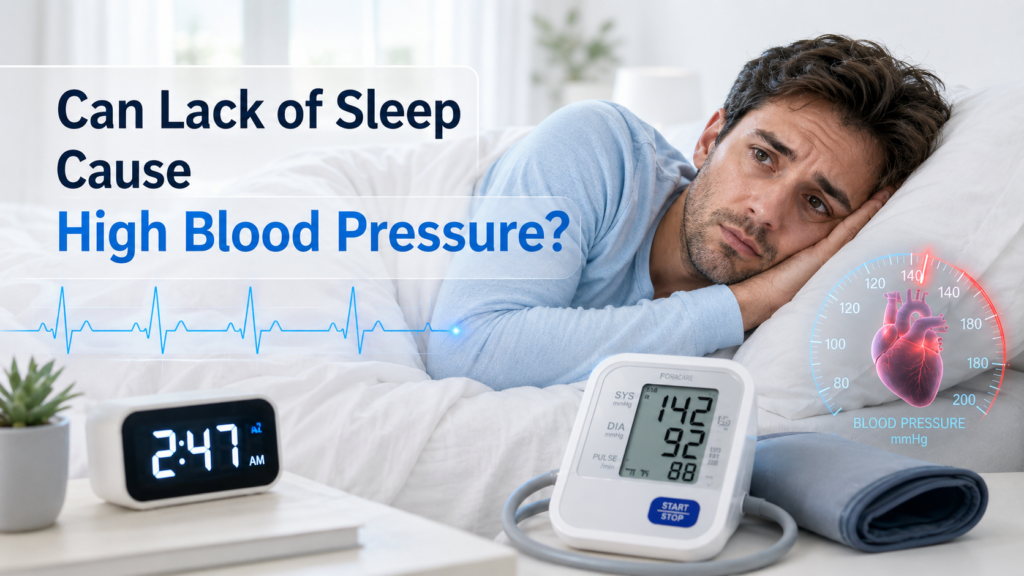
Can Lack of Sleep Cause High Blood Pressure? Sleep and Hypertension Explained
Can Lack of Sleep Cause High Blood Pressure? Yes, a regular lack of sleep can contribute to high blood pressure, especially when sleep is short, poor quality, irregular, or disrupted by a sleep disorder such as obstructive sleep apnea. One poor night may temporarily raise blood pressure, but repeated sleep loss can make blood pressure regulation harder over time. High blood pressure matters because it often has no obvious symptoms. The CDC defines high blood pressure as blood pressure consistently at or above 130/80 mm Hg, and notes that it can affect the heart, brain, kidneys, and eyes. Sleep is not just rest. It is a nightly recovery period for the heart, blood vessels, hormones, metabolism, and nervous system. Can Lack of Sleep Cause High Blood Pressure? Yes, lack of sleep can raise the risk of high blood pressure and may worsen blood pressure in people who already have hypertension. Mayo Clinic states that regular lack of sleep may lead to high blood pressure in children and adults, and people who sleep six hours or less may have steeper increases in blood pressure. The link is strongest when sleep deprivation becomes a pattern. This may include: Sleeping fewer than 7 hours most nights Waking often during the night Having untreated insomnia Working night shifts or rotating shifts Having loud snoring or sleep apnea Sleeping at very different times each day Sleep loss does not act alone. It often combines with stress, poor diet, inactivity, weight gain, alcohol use, and existing health conditions. Why Does Sleep Matter for Blood Pressure Regulation? Sleep matters because blood pressure normally falls during healthy sleep. The CDC explains that during normal sleep, blood pressure goes down, but sleep problems can keep blood pressure higher for a longer period of time. This nighttime drop is sometimes called nocturnal dipping. It gives the heart and blood vessels a period of reduced workload. What Happens to Blood Pressure During Normal Sleep? During normal non-REM sleep, heart rate and blood pressure usually fall. The NHLBI explains that when a person enters non-REM sleep, the parasympathetic nervous system becomes more active, the heart works less hard, and blood pressure and heart rate decrease. This is one reason good sleep supports cardiovascular recovery. Normal sleep supports: Lower nighttime blood pressure Reduced heart workload Better hormone balance Better blood sugar regulation Healthier stress response More stable appetite and weight control What Happens When Sleep Is Too Short or Poor Quality? When sleep is too short or fragmented, the body gets less cardiovascular recovery time. Blood pressure may stay higher at night and may rise more easily during the day. Poor sleep can also make people more likely to choose habits that raise blood pressure, such as drinking more caffeine, skipping exercise, eating salty convenience foods, or feeling more stressed. The American Heart Association notes that poor sleep can contribute to major cardiovascular risk factors, including obesity, high blood pressure, and diabetes. How Does Sleep Deprivation Raise Blood Pressure? Sleep deprivation can raise blood pressure through nervous system activation, stress hormone changes, circadian rhythm disruption, inflammation, and indirect effects on weight and metabolism. These mechanisms often overlap. That means poor sleep can affect blood pressure from several directions at once. How Do Cortisol and Adrenaline Affect Blood Pressure? Cortisol and adrenaline can raise blood pressure by increasing alertness, heart rate, and blood vessel tension. When sleep is restricted, the body may stay in a more “switched on” stress state. Cortisol is a normal hormone that helps people wake up. But when sleep is disrupted, stress hormone patterns can become less stable. Mayo Clinic notes that sleep helps the body control hormones needed for stress and metabolism, and hormone changes from lack of sleep may contribute to high blood pressure and other heart disease risk factors. In simple terms: More stress signaling can tighten blood vessels. A faster heart rate can increase pressure inside the arteries. Less nighttime recovery can keep the cardiovascular system under strain. How Does Circadian Rhythm Disruption Affect Blood Pressure? Circadian rhythm disruption can affect blood pressure because the body’s internal clock helps regulate sleep, hormones, metabolism, heart rate, and blood pressure timing. This is why irregular sleep schedules can matter even when total sleep time seems adequate. Shift work, jet lag, late-night screen use, and inconsistent bedtimes may confuse the body’s normal sleep-wake pattern. A stable sleep schedule helps the body predict when to lower alertness and when to prepare for waking. How Does Poor Sleep Affect Weight, Blood Sugar, and Inflammation? Poor sleep can indirectly raise blood pressure by increasing the risk of weight gain, diabetes, inflammation, and unhealthy lifestyle patterns. The CDC links short sleep with chronic conditions such as obesity, diabetes, hypertension, heart disease, stroke, anxiety, and depression. This matters because hypertension is rarely caused by one factor. Sleep, diet, activity, stress, body weight, and medical conditions often interact. Sleep-related factor Possible blood pressure effect Short sleep duration Less nighttime blood pressure recovery Poor sleep quality More stress response and daytime fatigue Irregular sleep timing Circadian rhythm disruption Sleep apnea Oxygen drops and repeated nighttime stress Daytime fatigue Less exercise and poorer food choices Chronic insomnia More stress, alertness, and nervous system activation How Many Hours of Sleep Are Best for Healthy Blood Pressure? Most adults should aim for 7 to 9 hours of sleep per night to support cardiovascular health. The American Heart Association includes healthy sleep in its Life’s Essential 8 and states that most adults need 7–9 hours of sleep each night. Sleeping less than 7 hours regularly is considered insufficient for most adults. The CDC reports that in 2020, 35% of U.S. adults reported insufficient sleep duration, defined as fewer than 7 hours on average in 24 hours. A 2025 systematic review and meta-analysis of cohort studies found that short sleep duration was associated with increased hypertension risk, especially sleep under 7 hours, with a stronger risk seen under 6 hours. The review included 173,734 participants, of whom 41,528 developed hypertension.
Can Lack of Sleep Cause High Blood Pressure? Sleep and Hypertension Explained Read More »