admin

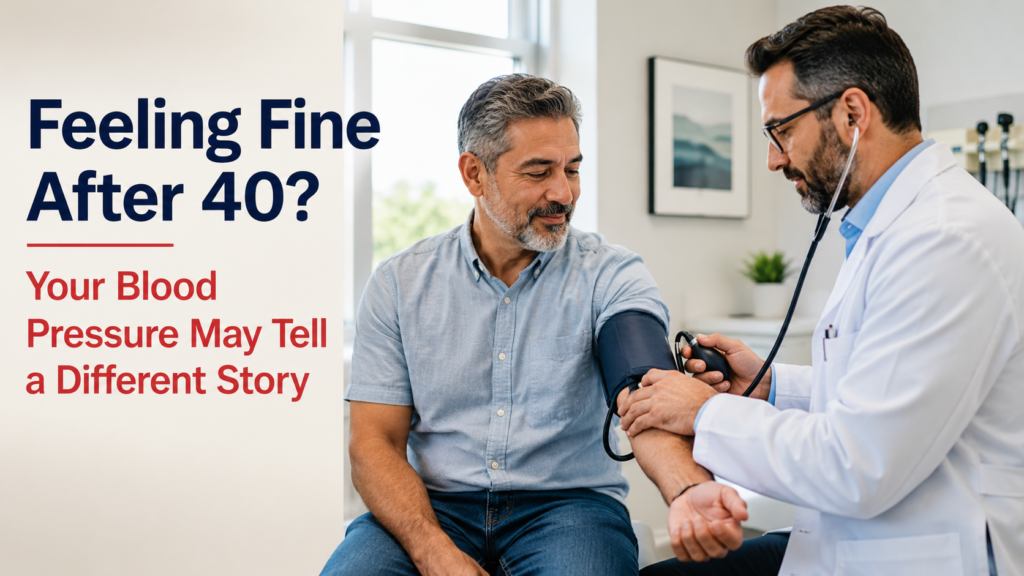
Feeling Fine After 40 Your Blood Pressure May Tell a Different Story

Feeling Fine After 40? Your Blood Pressure May Tell a Different Story

High Blood Pressure With No Symptoms: Why Feeling Fine After 40 Does Not Always Mean Your Blood Pressure Is Healthy Feeling Fine Does Not Always Mean Your Blood Pressure Is Healthy You may feel normal, stay active, go to work, take care of your family, and still have high blood pressure with no symptoms. That is what makes hypertension so easy to miss, especially after age 40. There may be no headache, no dizziness, no chest discomfort, and no obvious warning sign. Why Silent High Blood Pressure Can Still Be Risky But inside the body, silent high blood pressure can quietly place stress on the heart, blood vessels, brain, kidneys, and eyes. The Centers for Disease Control and Prevention notes that high blood pressure is usually defined as blood pressure consistently at or above 130/80 mm Hg, and it often has no signs or symptoms. Why Adults Over 40 in Kingman, AZ Should Pay Attention For adults in Kingman, AZ, especially those with diabetes, obesity, kidney disease, cholesterol problems, heart risk, or Medicare wellness needs, regular blood pressure checks are not just routine. They are one of the simplest ways to detect a problem before it becomes more serious. Blood Pressure Care at Northern Arizona Medical Group At Northern Arizona Medical Group (NAMG) in Kingman, AZ, patients can receive blood pressure evaluation, primary care support, chronic care management, in-house lab testing, and remote patient monitoring when appropriate. NAMG states that it is accepting new patients and offers same-day appointment availability. Why High Blood Pressure Can Be Dangerous Even Without Symptoms Many people expect high blood pressure to “feel” like something. They may wait for symptoms such as headaches, flushing, dizziness, or chest pressure before calling a doctor. The problem is that high blood pressure often does not work that way. The American Heart Association explains that high blood pressure is often called the “silent killer” because there are usually no signs or symptoms, and it needs to be diagnosed in a healthcare setting. That means a person may have hypertension without symptoms for months or years. During that time, the pressure inside the arteries may contribute to long-term damage. High blood pressure can: Make the heart work harder Damage to the arteries over time Increase heart disease risk Increase stroke risk Affects kidney function Contribute to vision problems Worsening risk in people with diabetes or chronic kidney disease This does not mean every high reading is an emergency. It does mean that repeated high readings should not be ignored. Why Adults Over 40 Should Pay Closer Attention Blood pressure often increases with age. The National Heart, Lung, and Blood Institute explains that blood vessels naturally thicken and stiffen over time, which can raise the risk of high blood pressure. After 40, it becomes more important to know your numbers, especially if you have: A family history of hypertension Diabetes or prediabetes High cholesterol Obesity or weight gain Chronic kidney disease Sleep apnea Smoking history Heart disease risk High stress A diet high in sodium Low physical activity For seniors, high blood pressure can also become more complicated because other health conditions, medications, kidney function, and heart health may all need to be considered together. That is why many patients benefit from working with a primary care doctor rather than only checking their blood pressure at home or at a pharmacy once in a while. “I Feel Fine” Does Not Always Mean Your Blood Pressure Is Fine Feeling fine can be reassuring, but it is not a reliable indicator of blood pressure. A person can have hypertension without symptoms and still have elevated numbers. The only way to know is to measure blood pressure correctly and review repeated readings with a healthcare provider. This is especially important for people who say: “I only check my blood pressure when I feel bad.” “I do not have headaches, so I think I am okay.” “My blood pressure was high once, but I felt normal.” “I take medicine sometimes, but not every day.” “I have diabetes, but I do not check my blood pressure often.” If this sounds familiar, it may be time to schedule a blood pressure check in Kingman, AZ. How to Know If You Have High Blood Pressure Start With an Accurate Blood Pressure Reading A blood pressure reading has two numbers: Systolic pressure: the top number Diastolic pressure: the bottom number The American Heart Association lists these general blood pressure categories: Category Systolic Diastolic Normal Less than 120 Less than 80 Elevated 120–129 Less than 80 Stage 1 hypertension 130–139 80–89 Stage 2 hypertension 140 or higher 90 or higher Severe hypertension Higher than 180 and/or higher than 120 These numbers should be interpreted by a healthcare professional, especially if you have diabetes, kidney disease, heart disease, or take multiple medications. Check More Than Once One high reading does not always mean you have chronic hypertension. Blood pressure can rise due to pain, stress, caffeine, exercise, poor sleep, medication effects, or even anxiety during a clinic visit. However, repeated high readings should be reviewed. A primary care provider may recommend: In-office blood pressure checks Home blood pressure logs Medication review Lab testing Kidney function testing Cholesterol testing Diabetes screening or monitoring Heart risk assessment Remote patient monitoring when appropriate How to Check Blood Pressure Correctly at Home Home readings can be helpful, but only if they are done correctly. The CDC recommends steps such as avoiding food or drink for 30 minutes before checking, emptying your bladder, sitting with back supported for at least 5 minutes, keeping your feet flat on the floor, resting your arm at chest height, and placing the cuff on bare skin. For better results: Use a properly sized cuff Sit quietly before measuring Do not talk during the reading Take readings at the same time each day if advised Write down your numbers Bring your log to your appointment Do not change or stop blood pressure medication without talking with your healthcare provider. High

Feeling Fine After 40? Your Blood Pressure May Tell a Different Story Read More »
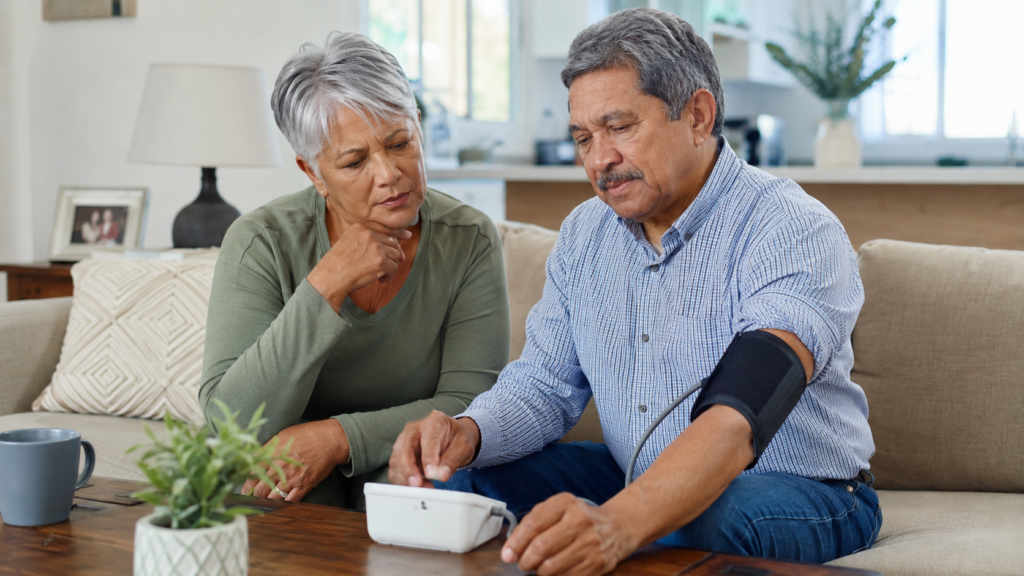
Senior couple looking at a home blood pressure monitor with concern.

Silent High Blood Pressure Warning Adults Ignore

The Silent Blood Pressure Warning Many Adults Ignore You can feel normal, go about your day, eat breakfast, drive to work, spend time with family, and still have blood pressure that is quietly putting stress on your body. That is what makes high blood pressure so easy to ignore. Many adults expect a warning sign. They think they will feel dizzy, weak, flushed, or suddenly unwell. But high blood pressure often does not work that way. It can stay elevated for months or years without obvious symptoms, while the heart, blood vessels, kidneys, brain, and eyes are still affected over time. The CDC states that high blood pressure is usually 130/80 mm Hg or higher and typically has no signs or symptoms. For adults and seniors in Kingman, AZ, this is one reason regular blood pressure checks matter. The silent warning is not always how you feel. Sometimes, the warning is the number itself. Why High Blood Pressure Is Often Missed High blood pressure is sometimes called “silent” because many people do not feel anything unusual. A person may look healthy, stay active, and still have repeated readings that are higher than recommended. This is especially important for adults over 40, seniors, and people with risk factors such as diabetes, obesity, kidney disease, high cholesterol, family history, smoking, stress, or heart disease risk. A single high reading does not always mean you have hypertension. Blood pressure can rise from stress, pain, caffeine, activity, poor sleep, or even nervousness at a clinic visit. But repeated high readings should not be brushed aside. The American Heart Association lists Stage 1 high blood pressure as 130–139 systolic or 80–89 diastolic, and Stage 2 as 140 or higher systolic or 90 or higher diastolic. Only a healthcare professional can confirm a diagnosis and help decide the right next step. The Warning Many Adults Ignore The warning many adults ignore is simple: Repeated high readings, even when they feel fine. It may happen at home. It may happen at a pharmacy machine. It may show up during a wellness visit. It may appear during an appointment for something unrelated. Many people tell themselves: “I was just stressed.”“I probably checked it wrong.”“I feel fine, so it cannot be serious.”“I will check again next month.” Sometimes those explanations may be true. But if the numbers keep coming back high, your body may be giving you a warning before symptoms appear. Why Silent High Blood Pressure Matters High blood pressure means your heart and blood vessels are working under more pressure than they should. Over time, that pressure can affect important organs. The heart may have to pump harder. Blood vessels can become strained. The kidneys, which help filter blood and manage fluid balance, may be affected. The brain and eyes can also be impacted by long-term uncontrolled blood pressure. CDC notes that high blood pressure can cause problems for the heart, brain, kidneys, and eyes. This does not mean every high reading is an emergency or that every patient needs the same treatment. It means repeated high readings deserve attention. For many patients, early care may include lifestyle guidance, medication review, monitoring, lab work, or treatment for related conditions such as diabetes, cholesterol problems, kidney disease, or weight concerns. Who Should Pay Closer Attention? Some people should be especially careful about ignoring blood pressure readings. Adults over 40 should make blood pressure checks part of routine health care. Mayo Clinic notes that people age 40 or older should ask for a blood pressure check every year, and people with risk factors may need more frequent checks. Seniors should also be careful because blood pressure patterns can change with age, medications, hydration, and other health conditions. Patients with diabetes, obesity, kidney disease, cholesterol concerns, or heart risk should pay close attention because these conditions often overlap. High blood pressure rarely exists alone. It is often part of a larger health picture. Home Readings Can Tell an Important Story A home blood pressure monitor can be helpful when used correctly. It can show whether your numbers are usually normal, sometimes elevated, or repeatedly high. But home readings are only useful when they are taken properly. Sitting quietly, using the right cuff size, placing the cuff correctly, and taking readings at consistent times can all affect accuracy. If you are tracking your blood pressure at home, write down your readings or save them in your device. Bring them to your healthcare provider. Patterns are often more helpful than one isolated number. Blood Pressure Care in Kingman, AZ Northern Arizona Medical Group in Kingman, AZ, provides care for patients who are concerned about blood pressure, chronic conditions, and long-term health risks. NAMG’s services include hypertension care, acute care, in-house lab services, chronic care support, and remote patient monitoring options. For some patients, care may begin with a routine blood pressure check. For others, it may include reviewing home readings, checking related risk factors, discussing medications, or creating a longer-term care plan. The goal is not to scare patients. The goal is to help them understand their numbers before silent blood pressure problems become harder to manage. A Simple Next Step If your blood pressure has been high more than once, or if you are unsure what your readings mean, it may be time to talk with a healthcare provider. You do not have to wait until you feel sick. Concerned about your blood pressure? Northern Arizona Medical Group in Kingman, AZ can help you review your readings, understand your risk factors, and decide the right next step for your health. Call 928-757-8440 or request an appointment through the NAMG contact page. FAQs Can high blood pressure happen without symptoms? Yes. Many people with high blood pressure feel completely normal. That is why regular checks are important, especially for adults over 40, seniors, and people with diabetes, kidney disease, obesity, or heart disease. Should I worry if one blood pressure reading is high? One high reading does not always mean you

Silent High Blood Pressure Warning Adults Ignore Read More »

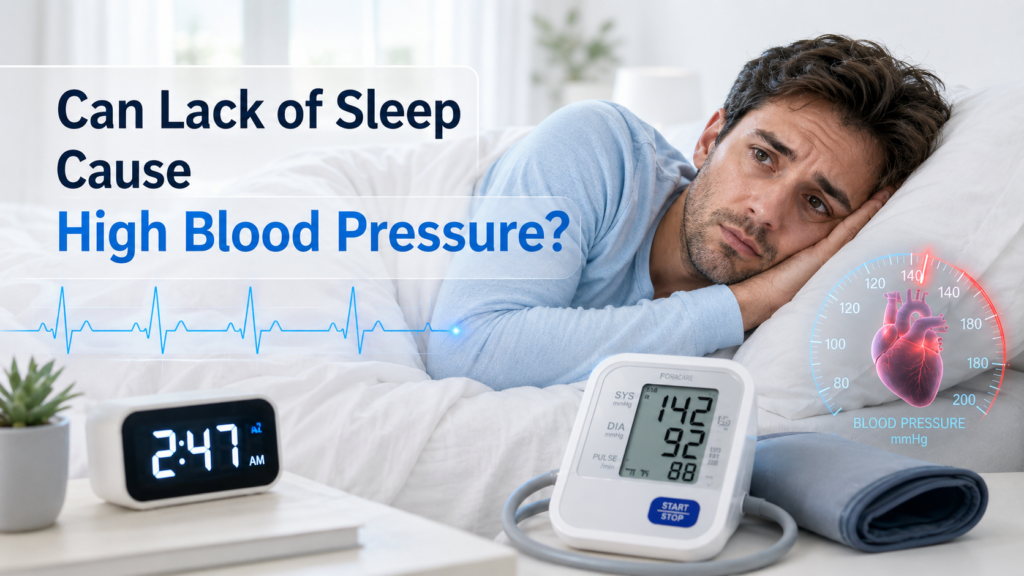
Impact of sleep on blood pressure

Can Lack of Sleep Cause High Blood Pressure? Sleep and Hypertension Explained

Can Lack of Sleep Cause High Blood Pressure? Yes, a regular lack of sleep can contribute to high blood pressure, especially when sleep is short, poor quality, irregular, or disrupted by a sleep disorder such as obstructive sleep apnea. One poor night may temporarily raise blood pressure, but repeated sleep loss can make blood pressure regulation harder over time. High blood pressure matters because it often has no obvious symptoms. The CDC defines high blood pressure as blood pressure consistently at or above 130/80 mm Hg, and notes that it can affect the heart, brain, kidneys, and eyes. Sleep is not just rest. It is a nightly recovery period for the heart, blood vessels, hormones, metabolism, and nervous system. Can Lack of Sleep Cause High Blood Pressure? Yes, lack of sleep can raise the risk of high blood pressure and may worsen blood pressure in people who already have hypertension. Mayo Clinic states that regular lack of sleep may lead to high blood pressure in children and adults, and people who sleep six hours or less may have steeper increases in blood pressure. The link is strongest when sleep deprivation becomes a pattern. This may include: Sleeping fewer than 7 hours most nights Waking often during the night Having untreated insomnia Working night shifts or rotating shifts Having loud snoring or sleep apnea Sleeping at very different times each day Sleep loss does not act alone. It often combines with stress, poor diet, inactivity, weight gain, alcohol use, and existing health conditions. Why Does Sleep Matter for Blood Pressure Regulation? Sleep matters because blood pressure normally falls during healthy sleep. The CDC explains that during normal sleep, blood pressure goes down, but sleep problems can keep blood pressure higher for a longer period of time. This nighttime drop is sometimes called nocturnal dipping. It gives the heart and blood vessels a period of reduced workload. What Happens to Blood Pressure During Normal Sleep? During normal non-REM sleep, heart rate and blood pressure usually fall. The NHLBI explains that when a person enters non-REM sleep, the parasympathetic nervous system becomes more active, the heart works less hard, and blood pressure and heart rate decrease. This is one reason good sleep supports cardiovascular recovery. Normal sleep supports: Lower nighttime blood pressure Reduced heart workload Better hormone balance Better blood sugar regulation Healthier stress response More stable appetite and weight control What Happens When Sleep Is Too Short or Poor Quality? When sleep is too short or fragmented, the body gets less cardiovascular recovery time. Blood pressure may stay higher at night and may rise more easily during the day. Poor sleep can also make people more likely to choose habits that raise blood pressure, such as drinking more caffeine, skipping exercise, eating salty convenience foods, or feeling more stressed. The American Heart Association notes that poor sleep can contribute to major cardiovascular risk factors, including obesity, high blood pressure, and diabetes. How Does Sleep Deprivation Raise Blood Pressure? Sleep deprivation can raise blood pressure through nervous system activation, stress hormone changes, circadian rhythm disruption, inflammation, and indirect effects on weight and metabolism. These mechanisms often overlap. That means poor sleep can affect blood pressure from several directions at once. How Do Cortisol and Adrenaline Affect Blood Pressure? Cortisol and adrenaline can raise blood pressure by increasing alertness, heart rate, and blood vessel tension. When sleep is restricted, the body may stay in a more “switched on” stress state. Cortisol is a normal hormone that helps people wake up. But when sleep is disrupted, stress hormone patterns can become less stable. Mayo Clinic notes that sleep helps the body control hormones needed for stress and metabolism, and hormone changes from lack of sleep may contribute to high blood pressure and other heart disease risk factors. In simple terms: More stress signaling can tighten blood vessels. A faster heart rate can increase pressure inside the arteries. Less nighttime recovery can keep the cardiovascular system under strain. How Does Circadian Rhythm Disruption Affect Blood Pressure? Circadian rhythm disruption can affect blood pressure because the body’s internal clock helps regulate sleep, hormones, metabolism, heart rate, and blood pressure timing. This is why irregular sleep schedules can matter even when total sleep time seems adequate. Shift work, jet lag, late-night screen use, and inconsistent bedtimes may confuse the body’s normal sleep-wake pattern. A stable sleep schedule helps the body predict when to lower alertness and when to prepare for waking. How Does Poor Sleep Affect Weight, Blood Sugar, and Inflammation? Poor sleep can indirectly raise blood pressure by increasing the risk of weight gain, diabetes, inflammation, and unhealthy lifestyle patterns. The CDC links short sleep with chronic conditions such as obesity, diabetes, hypertension, heart disease, stroke, anxiety, and depression. This matters because hypertension is rarely caused by one factor. Sleep, diet, activity, stress, body weight, and medical conditions often interact. Sleep-related factor Possible blood pressure effect Short sleep duration Less nighttime blood pressure recovery Poor sleep quality More stress response and daytime fatigue Irregular sleep timing Circadian rhythm disruption Sleep apnea Oxygen drops and repeated nighttime stress Daytime fatigue Less exercise and poorer food choices Chronic insomnia More stress, alertness, and nervous system activation How Many Hours of Sleep Are Best for Healthy Blood Pressure? Most adults should aim for 7 to 9 hours of sleep per night to support cardiovascular health. The American Heart Association includes healthy sleep in its Life’s Essential 8 and states that most adults need 7–9 hours of sleep each night. Sleeping less than 7 hours regularly is considered insufficient for most adults. The CDC reports that in 2020, 35% of U.S. adults reported insufficient sleep duration, defined as fewer than 7 hours on average in 24 hours. A 2025 systematic review and meta-analysis of cohort studies found that short sleep duration was associated with increased hypertension risk, especially sleep under 7 hours, with a stronger risk seen under 6 hours. The review included 173,734 participants, of whom 41,528 developed hypertension.

Can Lack of Sleep Cause High Blood Pressure? Sleep and Hypertension Explained Read More »

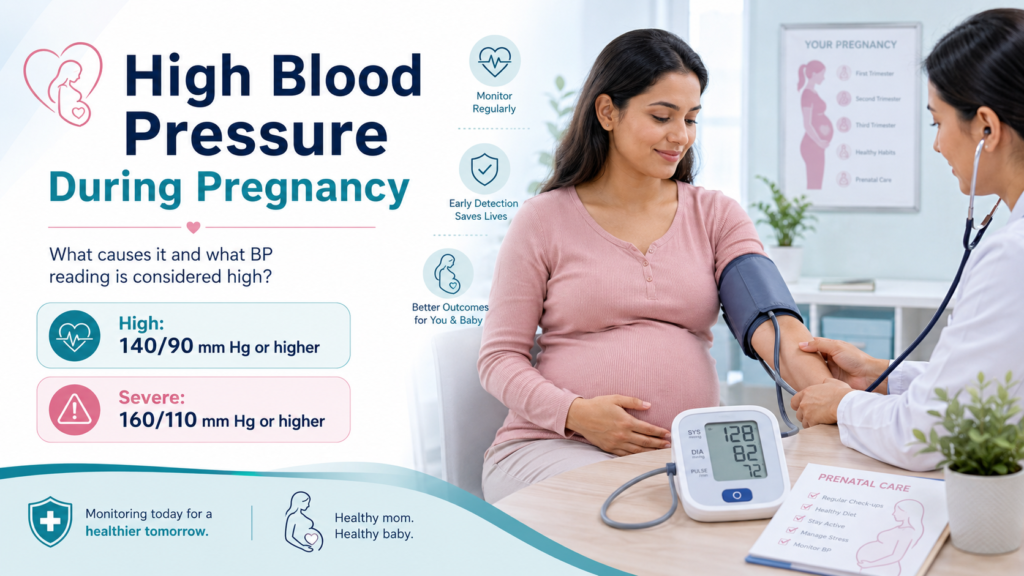
Managing blood pressure during pregnancy

High Blood Pressure During Pregnancy: Causes, Normal BP Range, Risks, and Treatment

What Causes High Blood Pressure During Pregnancy and What BP Reading Is Considered High? High blood pressure during pregnancy means the force of blood against the artery walls is higher than expected during pregnancy. It matters because uncontrolled blood pressure can affect the mother, placenta, and baby. The main answer is simple: a blood pressure reading of 140/90 mm Hg or higher during pregnancy is considered high, especially when confirmed on repeat readings. A reading of 160/110 mm Hg or higher is considered severe and needs urgent medical attention. The CDC defines high blood pressure during pregnancy as 140/90 mm Hg or higher in two readings taken at least 4 hours apart, and severe high blood pressure as 160/110 mm Hg on two or more occasions. High blood pressure in pregnancy is preventable and treatable in many cases, but it should always be managed with a qualified healthcare professional. The CDC states that hypertensive disorders affect about 5% to 10% of women during pregnancy and have increased over the past two decades. What Does High Blood Pressure During Pregnancy Mean? High blood pressure during pregnancy means the systolic number, diastolic number, or both are above the safe pregnancy threshold. The systolic number is the top number, and the diastolic number is the bottom number. A reading such as 142/92 mm Hg means the systolic pressure is 142, and the diastolic pressure is 92. In pregnancy, this reading is considered high because it is above 140/90. High blood pressure may be present before pregnancy, appear after 20 weeks, or occur with preeclampsia. Doctors usually classify it based on timing, symptoms, urine protein, organ function, and fetal growth. What Is a Normal Blood Pressure Range During Pregnancy? A healthy adult’s blood pressure is below 120/80 mm Hg, but pregnancy care focuses especially on whether blood pressure reaches 140/90 mm Hg or higher. The American Heart Association lists normal adult blood pressure as less than 120 systolic and less than 80 diastolic. Pregnancy blood pressure can naturally shift. Some women have slightly lower readings in mid-pregnancy, while others develop rising blood pressure later. A single reading should not be interpreted alone unless it is very high or accompanied by symptoms. Blood Pressure Reading Meaning in Pregnancy What It Usually Means Below 120/80 mm Hg Usually normal Continue routine prenatal care 120–129 / less than 80 Elevated adult range Discuss trends with a clinician 130–139 / 80–89 Higher than ideal May need closer monitoring 140/90 or higher High in pregnancy Requires medical assessment 160/110 or higher Severe high BP Urgent medical care is needed What Blood Pressure Reading Is Considered High During Pregnancy? A blood pressure reading of 140/90 mm Hg or higher is considered high during pregnancy when confirmed properly. A reading of 160/110 mm Hg or higher is severe high blood pressure. This distinction matters because mild-to-moderate high BP and severe high BP are managed differently. Severe BP can increase the risk of stroke, seizures, placental complications, and emergency delivery. Contact your maternity team if readings are repeatedly high. Seek urgent care immediately if high BP is combined with symptoms such as severe headache, vision changes, upper abdominal pain, sudden swelling, or breathing difficulty. What Causes High Blood Pressure During Pregnancy? High blood pressure during pregnancy can be caused by pre-existing hypertension, changes in blood vessels and placenta function, kidney disease, diabetes, obesity, older maternal age, family history, autoimmune disease, or carrying twins or triplets. The exact cause depends on the type of pregnancy hypertension. Some women enter pregnancy with chronic hypertension. Others develop gestational hypertension after 20 weeks. Some develop preeclampsia, a more serious condition involving high BP and signs of organ stress. What Causes Chronic Hypertension in Pregnancy? Chronic hypertension in pregnancy is high blood pressure that existed before pregnancy or was diagnosed before 20 weeks of pregnancy. The CDC also defines chronic hypertension as high BP that continues for 12 weeks after delivery. Risk factors can include family history, age, kidney disease, diabetes, obesity, sleep apnea, high-sodium diet, inactivity, and stress. The NHLBI notes that high blood pressure risk can be affected by lifestyle habits, family history, age, other medical conditions, and some medicines. What Causes Gestational Hypertension? Gestational hypertension is high blood pressure that develops during pregnancy in someone who previously had normal blood pressure. It usually appears after 20 weeks and does not include the same organ-damage findings used to diagnose preeclampsia. The exact cause is not always known. Doctors look at risk factors such as first pregnancy, age 40 or older, BMI of 35 or more, family history of preeclampsia, multiple pregnancy, previous gestational hypertension, vascular disease, and kidney disease. NICE lists these as factors requiring additional assessment and follow-up in gestational hypertension. What Causes Preeclampsia? Preeclampsia is related to abnormal pregnancy blood vessel and placental function, but the exact cause can vary. It usually develops after 20 weeks and involves high blood pressure plus protein in urine or other signs of organ problems. The CDC explains that preeclampsia occurs when sudden high blood pressure develops with protein in urine or other problems after 20 weeks of pregnancy. It can also happen in women who already have chronic hypertension. What Are the Main Types of Hypertension During Pregnancy? The main types are chronic hypertension, gestational hypertension, preeclampsia, and eclampsia. Some people also use the older term pregnancy-induced hypertension, or PIH, usually to describe high BP that begins during pregnancy. Type When It Happens Key Feature Chronic hypertension Before pregnancy or before 20 weeks BP was already high or appeared early Gestational hypertension After 20 weeks High BP without preeclampsia features Preeclampsia Usually, after 20 weeks High BP plus protein in urine or organ problems Eclampsia Severe complication of preeclampsia Seizures without another cause The CDC describes eclampsia as a medical emergency in which a pregnant woman with preeclampsia has seizures with no other cause. What Is the Difference Between Gestational Hypertension and Preeclampsia? Gestational hypertension means high BP during pregnancy without the additional diagnostic signs

High Blood Pressure During Pregnancy: Causes, Normal BP Range, Risks, and Treatment Read More »

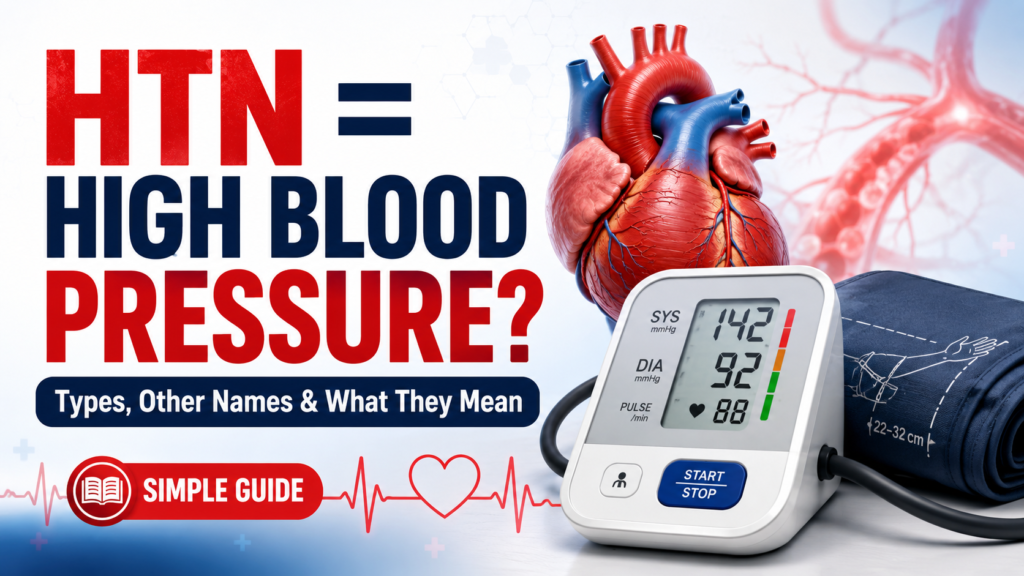
Understanding high blood pressure explained

Types of HTN and Other Names for Hypertension Explained

What Are the Types of HTN and Other Names for Hypertension? Hypertension means high blood pressure. The medical abbreviation for hypertension is HTN, and many people also call it elevated blood pressure, arterial hypertension, or simply high BP. In most cases, when people search for “types of HTN” or “another word for hypertension,” they want two things: first, the meaning of the term; second, the different medical categories of high blood pressure. This guide explains both in simple language. Hypertension matters because it is common, often silent, and strongly linked with heart disease, stroke, kidney disease, and other serious health problems. The World Health Organization reported that about 1.4 billion adults aged 30–79 had hypertension in 2024, and about 600 million adults with hypertension were unaware they had it. What Does Hypertension Mean in Simple Words? Hypertension means the pressure inside the blood vessels is consistently higher than normal. Blood pressure rises when blood pushes too strongly against artery walls over time. Blood pressure is written as two numbers, such as 120/80 mm Hg. The first number is systolic pressure, and the second number is diastolic pressure. The CDC defines high blood pressure as blood pressure that is consistently at or above 130/80 mm Hg in the U.S. classification system. In simple terms: Hypertension = high blood pressure HTN = abbreviation for hypertension BP = abbreviation for blood pressure Arterial hypertension = high pressure in the arteries Hypertension is not usually diagnosed from one random reading. Blood pressure can rise temporarily because of stress, caffeine, pain, exercise, or poor sleep. What Are Other Names for Hypertension? Other names for hypertension include high blood pressure, elevated blood pressure, high BP, HTN, and arterial hypertension. Common terms include: Term Meaning Hypertension Medical term for high blood pressure HTN Common medical abbreviation for hypertension High blood pressure Every day name for hypertension Elevated blood pressure Blood pressure is above normal, but not always full hypertension Arterial hypertension High pressure in the arteries Hypertensive disorder A broad term for conditions involving high blood pressure Silent killer Informal name because hypertension often has no symptoms The term “silent killer” is used because many people with high blood pressure feel normal while the condition slowly damages the heart, brain, kidneys, blood vessels, and eyes. The CDC states that high blood pressure usually has no warning signs or symptoms, and measuring blood pressure is the only way to know whether it is high. What Do Systolic and Diastolic Blood Pressure Mean? Systolic blood pressure is the top number, and diastolic blood pressure is the bottom number. Both numbers help doctors understand how hard the cardiovascular system is working. Systolic pressure measures pressure when the heart beats and pushes blood through the arteries. Diastolic pressure measures pressure when the heart rests between beats. Example:If your blood pressure is 140/90 mm Hg: 140 = systolic blood pressure 90 = diastolic blood pressure mm Hg = millimeters of mercury, the unit used for blood pressure A high systolic number, a high diastolic number, or both can suggest hypertension depending on the guideline used and whether the readings are consistent. What Are the Main Types of Hypertension? The main types of hypertension include primary hypertension, secondary hypertension, isolated systolic hypertension, resistant hypertension, pregnancy-related hypertension, and pulmonary hypertension. These types are not all the same. Some describe the cause, some describe the blood pressure pattern, and some describe a specific body system affected by high pressure. What Is Primary or Essential Hypertension? Primary hypertension, also called essential hypertension, is high blood pressure without one single identifiable cause. It is the most common form of long-term high blood pressure. Primary hypertension usually develops gradually over years. It is often linked with several combined risk factors, such as age, genetics, excess body weight, high salt intake, physical inactivity, alcohol use, and other lifestyle or metabolic factors. WHO lists older age, genetics, overweight or obesity, physical inactivity, high-salt diet, and excess alcohol as risk factors for hypertension. Primary hypertension is also called: Essential hypertension Idiopathic hypertension Usual high blood pressure Chronic high blood pressure in many adult cases What Is Secondary Hypertension? Secondary hypertension is high blood pressure caused by another medical condition. It may be related to kidney disease, artery problems, hormone disorders, heart conditions, medicines, or pregnancy-related conditions. Mayo Clinic explains that secondary hypertension differs from primary hypertension because it has an underlying medical cause. Conditions affecting the kidneys, arteries, heart, or endocrine system can contribute to this type. Possible causes include: Kidney disease Renal artery narrowing Thyroid problems Adrenal gland disorders Sleep apnea Certain medications Pregnancy-related blood pressure disorders Secondary hypertension may appear suddenly, occur at a younger age, or be difficult to control with usual medication. What Is Isolated Systolic Hypertension? Isolated systolic hypertension means the top blood pressure number is high while the bottom number is not high. This pattern is common in older adults because arteries can become stiffer with age. For example, a reading such as 150/78 mm Hg may suggest isolated systolic hypertension if confirmed by repeated measurements. The systolic number is elevated, but the diastolic number is below 80. This type matters because high systolic pressure increases strain on the arteries and heart. What Is Resistant Hypertension? Resistant hypertension means blood pressure remains above goal despite the use of multiple blood pressure medicines. The American Heart Association scientific statement defines resistant hypertension as above-goal blood pressure despite three antihypertensive drug classes, usually including a calcium channel blocker, a renin-angiotensin system blocker, and a diuretic at maximum or tolerated doses. It also includes patients controlled on four or more medications. Before labeling hypertension as resistant, clinicians usually check for: Incorrect blood pressure measurement Missed medication doses White-coat effect High salt intake Interfering medicines Kidney disease Sleep apnea Hormonal causes Resistant hypertension needs careful medical evaluation because it may signal hidden causes or higher cardiovascular risk. What Is Pregnancy-Related Hypertension? Pregnancy-related hypertension means high blood pressure that occurs before, during, or after pregnancy. It includes chronic hypertension,

Types of HTN and Other Names for Hypertension Explained Read More »

Low and High Blood Pressure Symptoms Causes, Warning Signs, Treatment

Low and High Blood Pressure Symptoms: Causes, Warning Signs, Treatment

What Are the Symptoms of Low and High Blood Pressure? Low and high blood pressure can both affect how you feel, but they do not always cause obvious symptoms. Low blood pressure is more likely to cause dizziness, fainting, weakness, fatigue, nausea, and blurred vision. High blood pressure usually causes no warning signs, which is why measuring your blood pressure is the only reliable way to know your numbers. Blood pressure matters because it shows how strongly blood pushes against artery walls. If blood pressure is too low, the brain and organs may not get enough blood flow. If blood pressure is too high for a long time, it can damage the heart, brain, kidneys, blood vessels, and eyes. This guide explains the symptoms of low and high BP, what numbers mean, what causes low BP, how to raise blood pressure safely, and when symptoms require urgent medical care. What Do Low and High Blood Pressure Mean? Low blood pressure generally means a reading below 90/60 mm Hg, while high blood pressure means a reading consistently at or above 130/80 mm Hg. A single reading is useful, but repeated readings and symptoms give a clearer picture. Blood pressure has two numbers: Systolic pressure: the top number, measured when the heart beats. Diastolic pressure: the bottom number, measured when the heart rests between beats. A doctor or qualified healthcare professional should confirm a diagnosis, especially if readings are repeated, are unusual, or are linked to symptoms. What Are the Common Symptoms of Low Blood Pressure? The most common symptoms of low blood pressure are dizziness, lightheadedness, fainting, weakness, tiredness, nausea, blurred vision, and confusion. These symptoms happen because blood flow to the brain or vital organs may temporarily drop. Low BP does not always mean something is wrong. Some people naturally have low readings and feel fine. It becomes more concerning when the pressure drops suddenly, causes symptoms, or happens with another illness. What Are the 10 Signs of Low Blood Pressure? The 10 common signs of low blood pressure are dizziness, lightheadedness, fainting, fatigue, weakness, nausea, blurred vision, confusion, sleepiness, and heart palpitations. Some people may also feel shaky, cold, sweaty, or unable to concentrate. Common low BP symptoms include: Dizziness Lightheadedness Fainting or near-fainting Weakness Fatigue or tiredness Blurred or fading vision Nausea or vomiting Confusion Sleepiness Heart palpitations Low blood pressure can also cause falls, especially in older adults or people who feel dizzy when standing. What Are the Symptoms of High Blood Pressure? High blood pressure usually has no symptoms, even when the numbers are high. This is why hypertension is often called a “silent killer,” and regular blood pressure checks are important. Some people search for high BP symptoms such as headache, flushing, tiredness, or nosebleeds. These symptoms can happen for many reasons and are not reliable proof of high blood pressure. However, very high BP can become an emergency when it is paired with serious symptoms. If blood pressure is higher than 180 and/or 120 mm Hg and comes with chest pain, shortness of breath, back pain, numbness, weakness, vision changes, or difficulty speaking, emergency care is needed. How Can You Tell the Difference Between Low BP and High BP Symptoms? Low BP is more likely to make a person feel faint, weak, dizzy, or nauseous, while high BP often causes no symptoms until it becomes severe or causes complications. The safest way to tell the difference is to check blood pressure with a reliable monitor. Symptom or sign More common with low BP More concerned with high BP Dizziness when standing Yes Sometimes, but less specific Fainting Yes Not typical Fatigue or weakness Yes Possible but not specific Blurred vision Yes Emergency warning if severe BP is high Nausea Yes Possible in severe cases Chest pain Emergency sign Emergency sign Shortness of breath Emergency sign Emergency sign No symptoms Possible Very common Reading below 90/60 Low BP range No Reading 130/80 or higher No High BP range The key point is simple: symptoms alone are not enough. Check the reading, repeat it correctly, and consider how the person feels. What Is a Dangerous Low Blood Pressure for a Woman? For women, low blood pressure is generally considered a reading below 90/60 mm Hg, but it becomes dangerous mainly when it causes symptoms, drops suddenly, or appears with signs of shock, bleeding, infection, dehydration, or pregnancy-related concerns. Public health references use the same adult low BP cutoff rather than a separate number for women. A woman may need medical attention if low BP happens with: Fainting Confusion Severe weakness Chest pain Shortness of breath Heavy bleeding Repeated vomiting or diarrhea Pregnancy with fainting, severe symptoms, or abnormal BP readings Pregnancy can affect blood pressure because blood vessels change and blood volume shifts. Mayo Clinic notes that low blood pressure is common in the first 24 weeks of pregnancy, but frequent fainting or severe symptoms should still be checked. When Should a Woman Get Urgent Help for Low Blood Pressure? A woman should seek urgent help if low blood pressure comes with fainting, confusion, cold, clammy skin, rapid breathing, a weak, rapid pulse, chest pain, severe bleeding, or loss of consciousness. These may be signs that the body is not getting enough blood flow. During or after pregnancy, high blood pressure also needs attention. The American Heart Association lists pregnancy hypertension at 140/90 mm Hg or higher and severe pregnancy hypertension at 160/110 mm Hg or higher, especially if symptoms such as severe headache, vision change, abdominal pain, chest pain, swelling, or shortness of breath occur. What Causes Low Blood Pressure? Low blood pressure can be caused by dehydration, blood loss, pregnancy, heart problems, endocrine conditions, low blood sugar, anemia, infection, allergic reaction, prolonged standing, bed rest, and medication side effects. Treatment depends on the cause. Common reasons for low BP include: Dehydration: Less fluid can reduce blood volume. Blood loss: injury or internal bleeding can cause a serious BP drop. Medication side effects: diuretics,

Low and High Blood Pressure Symptoms: Causes, Warning Signs, Treatment Read More »

What Is Hypertension vs Hypotension (High vs Low Blood Pressure Explained)

Hypertension vs Hypotension (2026): High vs Low Blood Pressure Explained

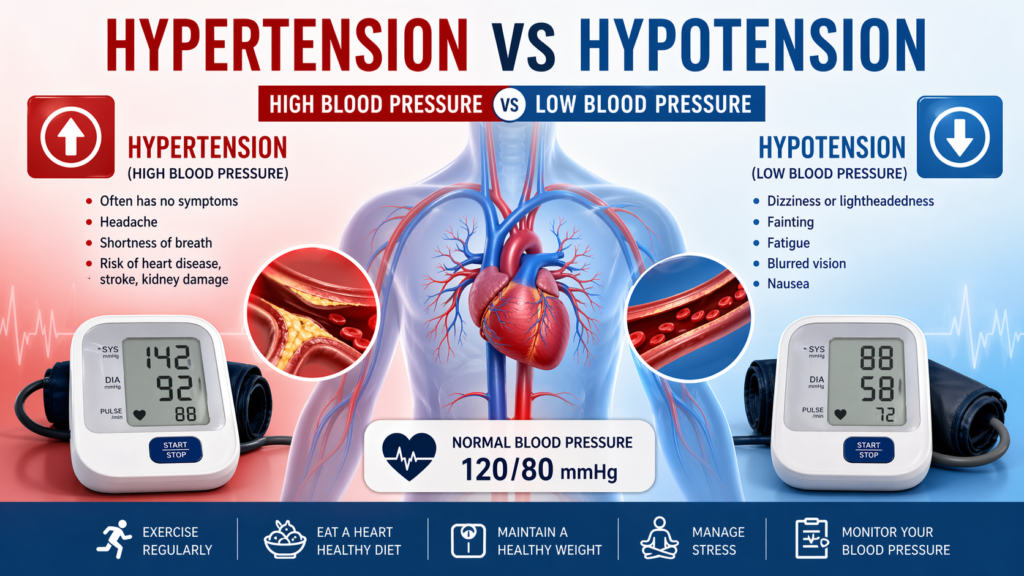
What Is Hypertension vs Hypotension? (High vs Low Blood Pressure Explained) Hypertension and hypotension are two opposite blood pressure conditions—but both can affect your health in serious ways. Hypertension means your blood pressure is too high, while hypotension means it’s too low. Understanding the difference helps you recognize symptoms early, manage risks, and protect your heart and overall health. Blood pressure problems are extremely common. According to the World Health Organization, hypertension affects over 1.28 billion adults worldwide, many of whom are undiagnosed. What is blood pressure, and what do systolic and diastolic numbers mean? Blood pressure is the force of blood pushing against the walls of your arteries as your heart pumps. It is measured using two numbers: Systolic pressure: Pressure when the heart beats Diastolic pressure: Pressure when the heart rests between beats Example reading: 120/80 mmHg 120 = systolic 80 = diastolic These numbers help determine whether your blood pressure is normal, high, or low. What is considered normal, high, and low blood pressure? A normal blood pressure reading is around 120/80 mmHg. Blood pressure categories: Normal: Less than 120/80 Elevated: 120–129 / less than 80 Hypertension: 130/80 or higher Hypotension: Generally below 90/60 According to the American Heart Association, consistent readings above 130/80 indicate high blood pressure. What is hypertension (high blood pressure)? Hypertension is a condition where blood pressure remains consistently elevated, putting strain on arteries and the heart. It is often called the “silent killer” because it may not show symptoms for years. What are the common symptoms of hypertension? Most people have no symptoms, but when they occur, they may include: Headaches Shortness of breath Nosebleeds (in severe cases) Chest pain (in emergencies) What causes high blood pressure? Hypertension develops due to multiple factors: Lifestyle factors: High salt intake Lack of physical activity Obesity Smoking and alcohol Medical causes: Kidney disease Hormonal disorders Risk factors: Age Family history Stress Over time, uncontrolled hypertension increases the risk of: Heart disease Stroke Kidney damage What is hypotension (low blood pressure)? Hypotension is a condition where blood pressure drops below normal levels, reducing blood flow to organs. Unlike hypertension, it often causes noticeable symptoms. What are the common symptoms of hypotension? Low blood pressure commonly causes: Dizziness or lightheadedness Fainting (syncope) Blurred vision Fatigue Nausea What causes low blood pressure? Hypotension can be triggered by: Dehydration Blood loss Heart problems Endocrine disorders Medications (e.g., diuretics, antidepressants) Types include: Orthostatic hypotension (on standing up) Post-meal hypotension Severe hypotension (shock) What are the key differences between hypertension and hypotension? Hypertension and hypotension differ in causes, symptoms, and risks. Feature Hypertension (High BP) Hypotension (Low BP) Definition BP too high BP too low Typical reading ≥130/80 ≤90/60 Symptoms Often none Dizziness, fainting Risk Long-term damage Immediate symptoms Main danger Stroke, heart disease Falls, shock Which is more dangerous: high blood pressure or low blood pressure? Hypertension is generally more dangerous long-term, while hypotension can be dangerous short-term. Hypertension risks: Silent damage over the years Stroke and heart attack Hypotension risks: Sudden fainting Injury from falls Shock in severe cases Both conditions require attention depending on severity and symptoms. How is blood pressure measured and diagnosed? Blood pressure is measured using a cuff device called a sphygmomanometer. Diagnosis involves: Multiple readings over time Measurements at rest Sometimes home or 24-hour monitoring Doctors look for consistent patterns, not one-time readings. How is hypertension treated and managed? Hypertension treatment focuses on lowering blood pressure and reducing risk. Lifestyle changes: Reduce salt intake Exercise regularly Maintain a healthy weight Quit smoking According to the Centers for Disease Control and Prevention, lifestyle changes alone can significantly lower BP in many individuals. How is hypotension treated and managed? Hypotension treatment depends on the cause. Common strategies: Drink more fluids Increase salt intake (if advised) Avoid sudden standing Wear compression stockings Medical treatment: Adjust medications Treat underlying conditions In severe cases, emergency care may be required. How can you maintain healthy blood pressure levels? Maintaining balanced blood pressure supports long-term heart health. Healthy habits: Eat a balanced diet (e.g., DASH diet) Stay physically active Manage stress Monitor BP regularly Regular check-ups help detect issues early. Key takeaways: high vs low blood pressure Hypertension = high BP, often silent but dangerous long-term Hypotension = low BP, often symptomatic and immediate Normal BP ≈ 120/80 mmHg Both conditions affect cardiovascular health Early detection and lifestyle changes are key FAQs about hypertension vs hypotension What is the main difference between hypertension and hypotension? Hypertension is high blood pressure, while hypotension is low blood pressure. Can you have both high and low blood pressure? Yes, some people experience fluctuations depending on conditions, medications, or time of day. Is low blood pressure always dangerous? Not always. It becomes dangerous when it causes symptoms like fainting or shock. Why is hypertension called a silent killer? Because it often has no symptoms while damaging organs over time. What is the fastest way to raise low blood pressure? Drinking fluids and lying down can help quickly, but treatment depends on the cause. What foods help lower high blood pressure? Foods rich in potassium, like bananas and leafy greens, can help. When should I see a doctor about blood pressure? If readings are consistently high or low, or if symptoms like dizziness or chest pain occur. Conclusion Hypertension and hypotension represent two extremes of blood pressure, but both matter for your health. Knowing the signs, causes, and management strategies can help you stay proactive and protect your heart.

Hypertension vs Hypotension (2026): High vs Low Blood Pressure Explained Read More »

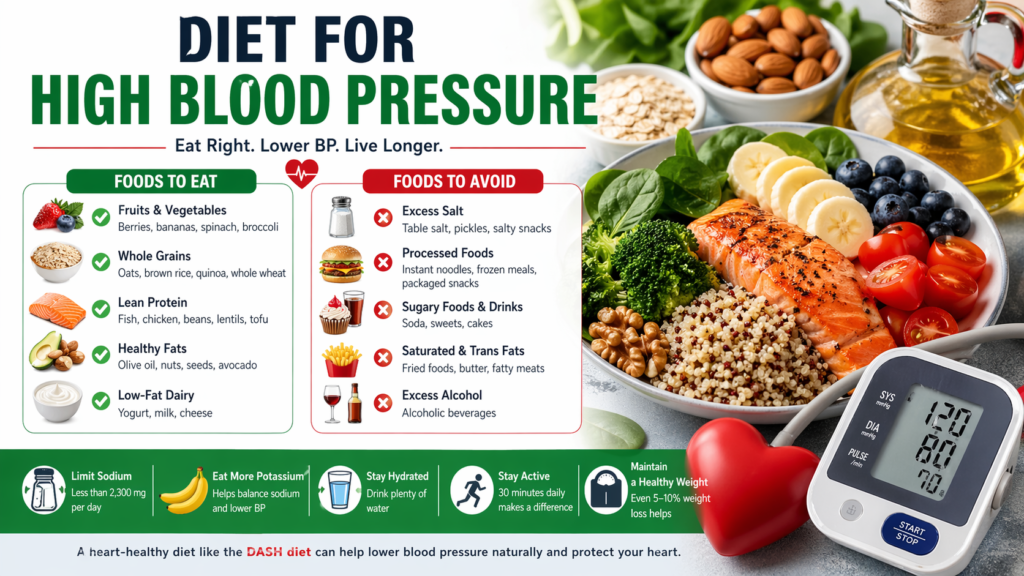
Infographic about a high blood pressure diet showing DASH-friendly foods to eat, foods to avoid, a healthy salmon and vegetable meal, and a blood pressure monitor.

Best Diet for High Blood Pressure: DASH Foods to Eat and Avoid

What Is the Best Diet for High Blood Pressure? The best diet for high blood pressure is usually the DASH diet: a heart-healthy eating pattern built around fruits, vegetables, whole grains, beans, nuts, fish, poultry, low-fat dairy, and lower sodium intake. It works best when you also cut back on packaged, processed, and restaurant foods that quietly load your day with salt. This matters because high blood pressure is common and often silent. CDC says hypertension is consistently at or above 130/80 mm Hg, and recent U.S. data found a crude adult prevalence of 47.7% during August 2021 to August 2023. The good news is that diet can move the needle fast. NHLBI’s DASH materials report that blood pressure reductions appeared within 2 weeks in the original DASH trial, and the biggest reductions happened when DASH was paired with lower sodium intake, especially around 1,500 mg per day. Quick safety note: if blood pressure is higher than 180/120 mm Hg and comes with chest pain, shortness of breath, back pain, numbness, weakness, vision change, or trouble speaking, that can be a hypertensive emergency and needs urgent care. What is the best diet for high blood pressure? The best diet for high blood pressure is the DASH eating plan, especially when it is paired with lower sodium. DASH emphasizes foods naturally rich in potassium, calcium, magnesium, fiber, and protein, while keeping saturated fat, trans fat, and sodium lower. In practical terms, DASH is not a crash diet or a supplement trick. It is a whole eating pattern that centers on vegetables, fruits, whole grains, low-fat dairy, beans, nuts, fish, poultry, and healthy oils, while cutting back on fatty processed meats, added sugars, and excess salt. For a typical 2,000-calorie DASH pattern, NHLBI lists these targets: grains 6–8 servings/day, vegetables 4–5/day, fruits 4–5/day, low-fat or fat-free dairy 2–3/day, meats/poultry/fish 6 or fewer/day, nuts/seeds/beans 4–5/week, sweets 5 or fewer/week, with sodium around 2,300 mg/day and lower if needed. Here’s the big-picture comparison: Focus Better choice for hypertension Less helpful choice Main eating pattern DASH-style whole-food meals Ultra-processed, salty convenience foods Grains Oats, brown rice, whole-wheat bread Refined salty snack foods, instant noodles Protein Beans, fish, skinless poultry, nuts Processed meats, fatty meats Dairy Low-fat or fat-free dairy Full-fat, salty processed dairy choices Flavoring Herbs, spices, lemon, vinegar Heavy reliance on salt, sauces, and gravies Drinks Water, unsweetened options Alcohol excess, sugary drinks The table matches the core guidance from NHLBI, CDC, and the American Heart Association: build meals from nutrient-dense whole foods and cut sodium, saturated fat, added sugar, and excess alcohol. Which foods should you eat more often with hypertension? The foods to eat more often with hypertension are fruits, vegetables, whole grains, beans, nuts, low-fat dairy, fish, and skinless poultry. These foods support a lower-sodium, potassium-rich, heart-healthy eating pattern. Which fruits and vegetables fit best? The best fruit and vegetable choices are the ones you can eat regularly and consistently. CDC and AHA guidance points toward produce-rich eating, and potassium-rich foods can help reduce the effects of sodium. Helpful picks include: Leafy greens Tomatoes Beans and lentils Potatoes and sweet potatoes Bananas Oranges and other citrus Berries Squash Yogurt paired with fruit, if dairy works for you CDC specifically notes that bananas, potatoes, beans, and yogurt are good potassium sources, and AHA explains that potassium helps the body lose more sodium in urine and eases tension in blood vessel walls. Which proteins, grains, and fats fit best? The best non-produce staples are whole grains, low-fat dairy, fish, skinless poultry, nuts, legumes, and non-tropical oils. These fit the core DASH pattern and help replace the foods that usually bring extra sodium, saturated fat, and added sugar. Strong everyday options include: Oatmeal Brown rice Whole-wheat bread Plain yogurt Low-fat milk Salmon or other fish Skinless chicken Chickpeas, lentils, black beans Unsalted nuts Olive or canola oil One caution: potassium is helpful for many people with high blood pressure, but it is not automatically safe for everyone. AHA says people with kidney disease, conditions that affect potassium handling, or certain medications should ask a health professional before purposely increasing potassium or using potassium-based salt substitutes. Which foods should you limit or avoid with high blood pressure? The foods to limit or avoid with high blood pressure are the ones most likely to pile on sodium, and secondarily saturated fat, added sugar, and excess alcohol. The main problem is usually not one dramatic “bad” food. It is the repeated pattern of processed and restaurant foods throughout the day. A practical top list looks like this: Cold cuts and cured meats Bacon, sausage, and hot dogs Canned soups and salty broths Pizza Fast-food sandwiches and burgers Chips, crackers, and savory snacks Instant noodles Frozen meals Condiments, gravies, and bottled sauces Restaurant rice, pasta, and grain dishes Salty breads and tortillas that add up across the day Fatty or processed meats Sugary drinks and sweet snacks Alcohol in excess Black licorice in large amounts Why these? CDC lists many of the biggest sodium sources in the U.S. diet as sandwiches, grain-based dishes, meat and seafood dishes, pizza, soups, chips and savory snacks, condiments and gravies, cold cuts, and breads or tortillas. AHA also recommends limiting sodium, fatty and processed meats, added sugars, and alcohol. A better way to think about this is not “never eat these again.” It is “eat them less often, compare labels, and replace them with lower-sodium versions when possible.” That mindset is more realistic and easier to stick with long-term. What foods can raise blood pressure quickly or temporarily? The main diet-related triggers that can raise blood pressure quickly or temporarily are very salty meals, caffeine, alcohol, and large amounts of black licorice. Sodium is the biggest food issue. AHA and FDA explain that excess sodium pulls water into the bloodstream, increasing blood volume and pressure. Caffeine can temporarily raise blood pressure, which is why the AHA advises avoiding caffeine for at least 30 minutes before a blood pressure reading. NHLBI also

Best Diet for High Blood Pressure: DASH Foods to Eat and Avoid Read More »

Does Exercise Increase Blood Pressure?

Does Exercise Increase Blood Pressure? (Short-Term vs Long-Term Effects Explained)

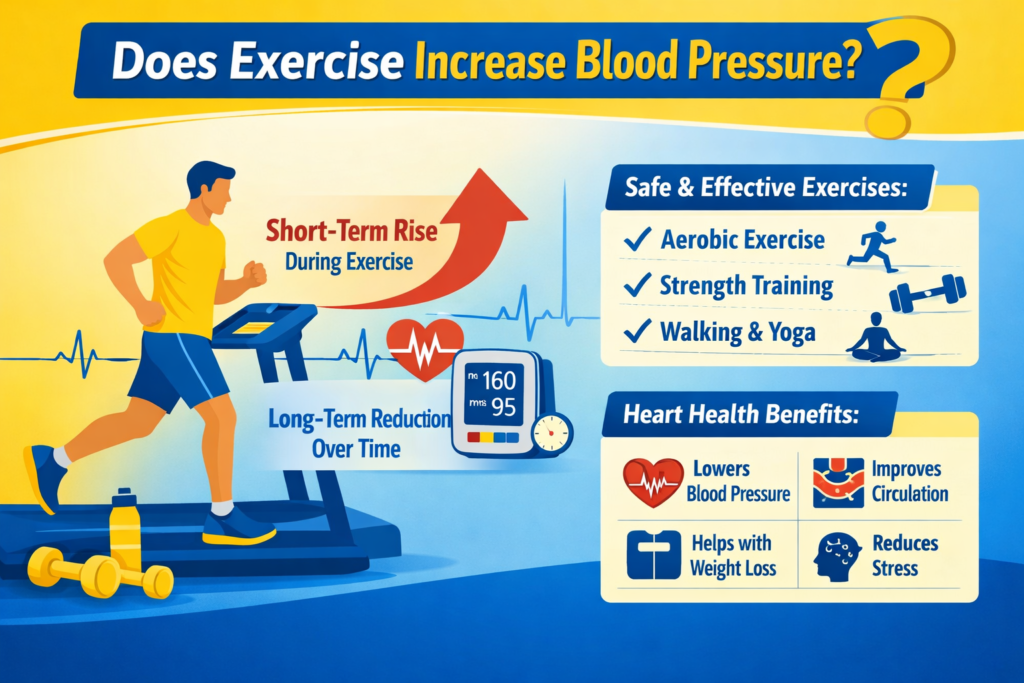
Does Exercise Increase Blood Pressure? Exercise does increase blood pressure—but only temporarily. In the long run, regular physical activity actually helps lower blood pressure and improve heart health. Understanding this balance is important, especially if you have hypertension or are starting a fitness routine. Let’s break it down clearly. Does exercise increase blood pressure temporarily? Yes, exercise causes a short-term rise in blood pressure, especially during moderate to intense activity. This happens because your heart pumps more blood to supply oxygen to working muscles. What happens during exercise: Systolic pressure (top number) rises significantly Diastolic pressure (bottom number) stays stable or changes slightly Heart rate increases to meet oxygen demand Example:During brisk walking or running, systolic pressure can rise from 120 mmHg to 160–200 mmHg. This is normal and expected. Why does blood pressure rise during exercise? Blood pressure rises during exercise to support increased blood flow to muscles. Your body responds by: Increasing heart rate Pumping blood more forcefully Expanding blood vessels in active muscles This is a healthy, controlled response—not a sign of danger for most people. Does exercise lower blood pressure over time? Yes, regular exercise lowers resting blood pressure over time. According to the American Heart Association, consistent physical activity can reduce systolic blood pressure by about 4 to 12 mmHg in people with hypertension. This effect is called:Post-exercise hypotension and long-term adaptation. How does regular exercise improve cardiovascular health? Exercise strengthens the heart and improves blood vessel function. Long-term benefits include: Lower resting blood pressure Improved artery flexibility Reduced heart disease risk Better weight control Improved insulin sensitivity Research insight: According to the American Heart Association, regular aerobic exercise can lower blood pressure by about 4 to 12 mmHg, depending on the individual, which significantly reduces the risk of heart disease and stroke. You can safely replace the placeholder with either version depending on tone preference: More clinical/statistical: American College of Cardiology More general/consumer-friendly: American Heart Association Which types of exercise affect blood pressure differently? Different exercises influence blood pressure in different ways. How does aerobic exercise impact blood pressure? Aerobic exercise is the most effective type for lowering blood pressure. Examples: Walking Cycling Swimming Jogging Benefits: Reduces systolic and diastolic pressure Improves heart efficiency Supports weight management Recommendation:At least 150 minutes per week of moderate aerobic activity. How does resistance training affect blood pressure? Resistance training can temporarily increase blood pressure more sharply than aerobic exercise. However, it still provides long-term benefits when done properly. Key points: Short spikes in blood pressure during lifting Long-term reduction in resting blood pressure Helps build muscle and metabolic health Best practice:Use moderate weights and avoid holding your breath (Valsalva maneuver). Which exercises are best for people with hypertension? The safest and most effective exercises include: Walking (most recommended) Swimming Cycling Light-to-moderate strength training Yoga and stretching Avoid initially: Heavy weightlifting High-intensity bursts without conditioning Is exercise safe for people with high blood pressure? Yes, exercise is generally safe and highly recommended for people with hypertension. However, safety depends on your current health condition. What precautions should you take before exercising? Follow these simple safety steps: Consult a doctor if you have severe hypertension Start slowly and build intensity gradually Warm up and cool down properly Stay hydrated Monitor how you feel (dizziness, chest pain = stop) Tip:If your blood pressure is above 180/120 mmHg, avoid exercise until medically cleared. What intensity of exercise is recommended for blood pressure control? Moderate-intensity exercise is ideal for most people. How to recognize moderate intensity: You can talk, but not sing Slight increase in breathing and heart rate Guidelines (CDC & WHO): 150–300 minutes of moderate exercise weekly OR 75–150 minutes of vigorous exercise When can exercise be risky for blood pressure? Exercise can be risky in specific situations. Higher-risk scenarios: Uncontrolled hypertension Existing heart disease Symptoms like chest pain or dizziness Extremely intense workouts without conditioning Warning signs to stop exercising: Chest discomfort Severe shortness of breath Lightheadedness What are the key benefits of exercise for heart health? Exercise is one of the most powerful tools for improving cardiovascular health. Benefit Impact on Blood Pressure Stronger heart Pumps blood more efficiently Better circulation Reduces resistance in arteries Weight control Lowers strain on the heart Stress reduction Prevents pressure spikes Improved metabolism Supports long-term BP control Key Takeaways Exercise raises blood pressure temporarily, which is normal Regular exercise lowers resting blood pressure over time Aerobic exercise is the most effective for hypertension Strength training is beneficial when done safely Most people with high blood pressure should exercise regularly Always start gradually and consult a doctor if unsure FAQs Does walking lower blood pressure? Yes. Regular walking can significantly reduce blood pressure over time and is one of the safest exercises. Is it dangerous if my blood pressure rises during exercise? No. A temporary increase during exercise is normal and necessary for proper circulation. Can exercise replace blood pressure medication? In some cases, lifestyle changes reduce the need for medication, but only a doctor can decide this. How quickly does exercise lower blood pressure? Some effects occur immediately after exercise, but long-term reductions typically take a few weeks. Is weightlifting safe for high blood pressure? Yes, if done with proper technique, moderate weights, and controlled breathing. What time of day is best to exercise for blood pressure? Any consistent time works. Morning exercise may help regulate blood pressure throughout the day. Conclusion Exercise may briefly increase blood pressure, but that’s part of a healthy physiological response. Over time, regular physical activity becomes one of the most effective ways to lower blood pressure, protect your heart, and improve overall health. If you’re unsure where to start, begin with simple activities like walking and gradually build from there.

Does Exercise Increase Blood Pressure? (Short-Term vs Long-Term Effects Explained) Read More »

How to recognise high blood pressure symptoms

How to Know If You Have High Blood Pressure: Signs, Readings, and When to Get Help

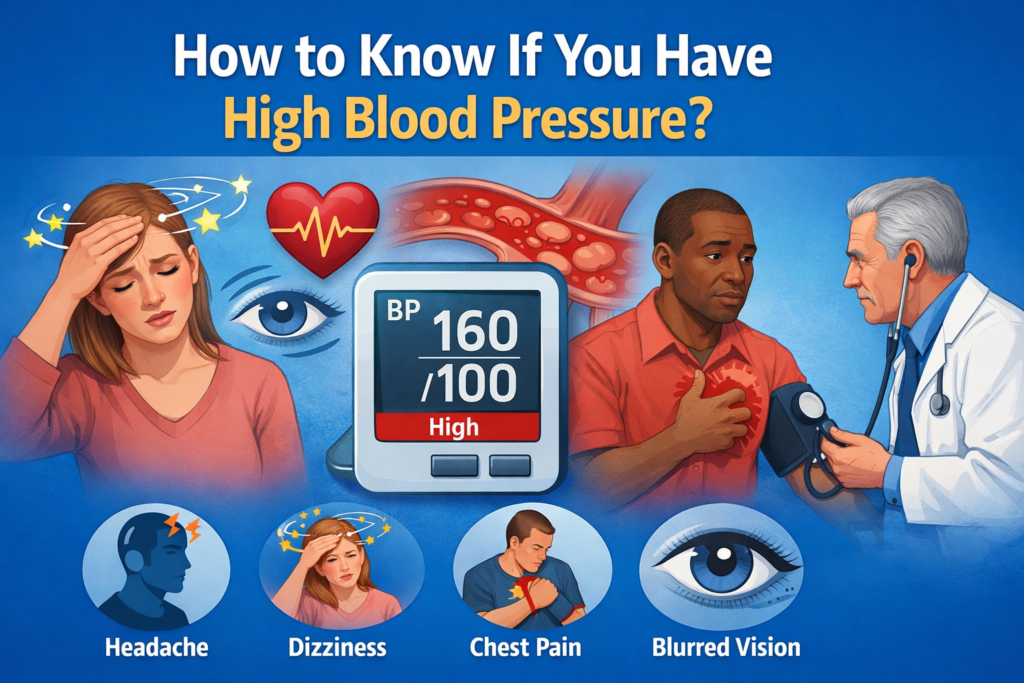
How Do You Know If You Have High Blood Pressure? The most reliable way to know if you have high blood pressure is to measure it with a blood pressure cuff. High blood pressure usually does not cause clear symptoms, which is why many people have it without knowing. CDC says measuring blood pressure is the only way to know whether you have high blood pressure. This matters because high blood pressure can quietly damage the heart, brain, kidneys, and eyes over time. In the United States, hypertension prevalence in adults was 47.7% during August 2021 to August 2023, and the CDC notes that high blood pressure contributes to a large number of deaths. The good news is that high blood pressure can be found early. Once it is detected, many people can lower their risk with lifestyle changes, medicine, or both. What is the fastest, most reliable way to know if you have high blood pressure? The fastest, most reliable way to know if you may have high blood pressure is to check your blood pressure with a validated upper-arm monitor or have it checked by a clinician. A diagnosis is usually based on consistently elevated readings, not on how you feel. CDC defines high blood pressure as blood pressure that is consistently 130/80 mm Hg or higher. NHLBI says a healthy blood pressure for most adults is less than 120/80 mm Hg. What do systolic and diastolic mean? Systolic is the top number, and diastolic is the bottom number. The systolic number measures pressure when the heart beats, and the diastolic number measures pressure when the heart rests between beats. For example, in a reading of 138/86 mm Hg: 138 is the systolic pressure 86 is the diastolic pressure What blood pressure numbers count as high? The commonly used adult categories are: Category Systolic Diastolic Normal Less than 120 and less than 80 Elevated 120 to 129 and less than 80 Stage 1 hypertension 130 to 139 or 80 to 89 Stage 2 hypertension 140 or higher or 90 or higher Severe hypertension Higher than 180 and/or higher than 120 A single reading can show where your blood pressure falls at that moment, but only a clinician can confirm a diagnosis of hypertension. Can you have high blood pressure without symptoms? Yes. Most people with high blood pressure have no warning signs or symptoms. That is why hypertension is often called a “silent” condition. This is the most important thing to understand: you cannot rely on headaches, dizziness, or “feeling fine” to rule high blood pressure in or out. Even when blood pressure has been high for a long time, a person may still feel normal. Because symptoms are unreliable, regular screening matters. The USPSTF recommends screening adults 18 years or older for hypertension. What symptoms can happen when blood pressure is dangerously high? Dangerously high blood pressure may cause symptoms, but routine hypertension often does not. Symptoms become more concerning when blood pressure is very high, especially above 180/120 mm Hg. Symptoms that can happen in a hypertensive emergency include: chest pain shortness of breath back pain numbness weakness change in vision difficulty speaking MedlinePlus also notes that severe headache, nausea, vomiting, confusion, and blurred vision can occur in severe hypertension. These symptoms do not diagnose hypertension by themselves, but they can signal a medical emergency when paired with a very high reading. Is one high blood pressure reading enough to mean you have hypertension? No. One high reading does not always mean you have long-term hypertension. High blood pressure is usually diagnosed when readings stay high over time. The USPSTF recommends: Screen in the office Confirm outside the clinical setting before starting treatment That outside confirmation can be done with: Ambulatory blood pressure monitoring (ABPM): a portable device checks blood pressure regularly over 12 to 24 hours Home blood pressure monitoring (HBPM): You check it yourself at home with an automated device This matters because readings can be temporarily high from stress, activity, or anxiety in a clinic. NHLBI describes white coat hypertension as blood pressure that is higher in a provider’s office than at home or in a pharmacy. CDC also notes that nervousness during a clinic visit can raise readings. How should you check your blood pressure at home for the most accurate reading? To get the most accurate home reading, use a validated upper-arm device, sit quietly first, and follow proper positioning. The USPSTF clinician summary says blood pressure should be taken at the brachial artery in the upper arm with a validated device after 5 minutes of rest. CDC recommends this setup before and during measurement: Do not eat or drink anything for 30 minutes before the reading Empty your bladder first sit in a chair with your back supported for at least 5 minutes Keep both feet flat on the floor Keep your legs uncrossed rest your arm at chest height Place the cuff on bare skin, not over clothing Do not talk during the reading CDC also advises taking at least two readings, 1 to 2 minutes apart, when checking at home. A simple home routine is: Sit quietly for 5 minutes Take the first reading Wait 1 to 2 minutes Take a second reading Write both numbers down with the date and time When should you call a doctor about a high reading? You should contact a doctor if your readings are repeatedly above normal, even if you feel fine. High blood pressure is often symptom-free, but it can still damage your health. As a general guide: Elevated blood pressure (120–129 and under 80): recheck and work on lifestyle habits Stage 1 hypertension (130–139 or 80–89): schedule a medical review, especially if readings stay in this range Stage 2 hypertension (140 or higher or 90 or higher): contact a clinician promptly for evaluation CDC also says you should talk with your health care team right away if you think you have high blood pressure or if you have

How to Know If You Have High Blood Pressure: Signs, Readings, and When to Get Help Read More »