What Causes High Blood Pressure During Pregnancy and What BP Reading Is Considered High?
High blood pressure during pregnancy means the force of blood against the artery walls is higher than expected during pregnancy. It matters because uncontrolled blood pressure can affect the mother, placenta, and baby.
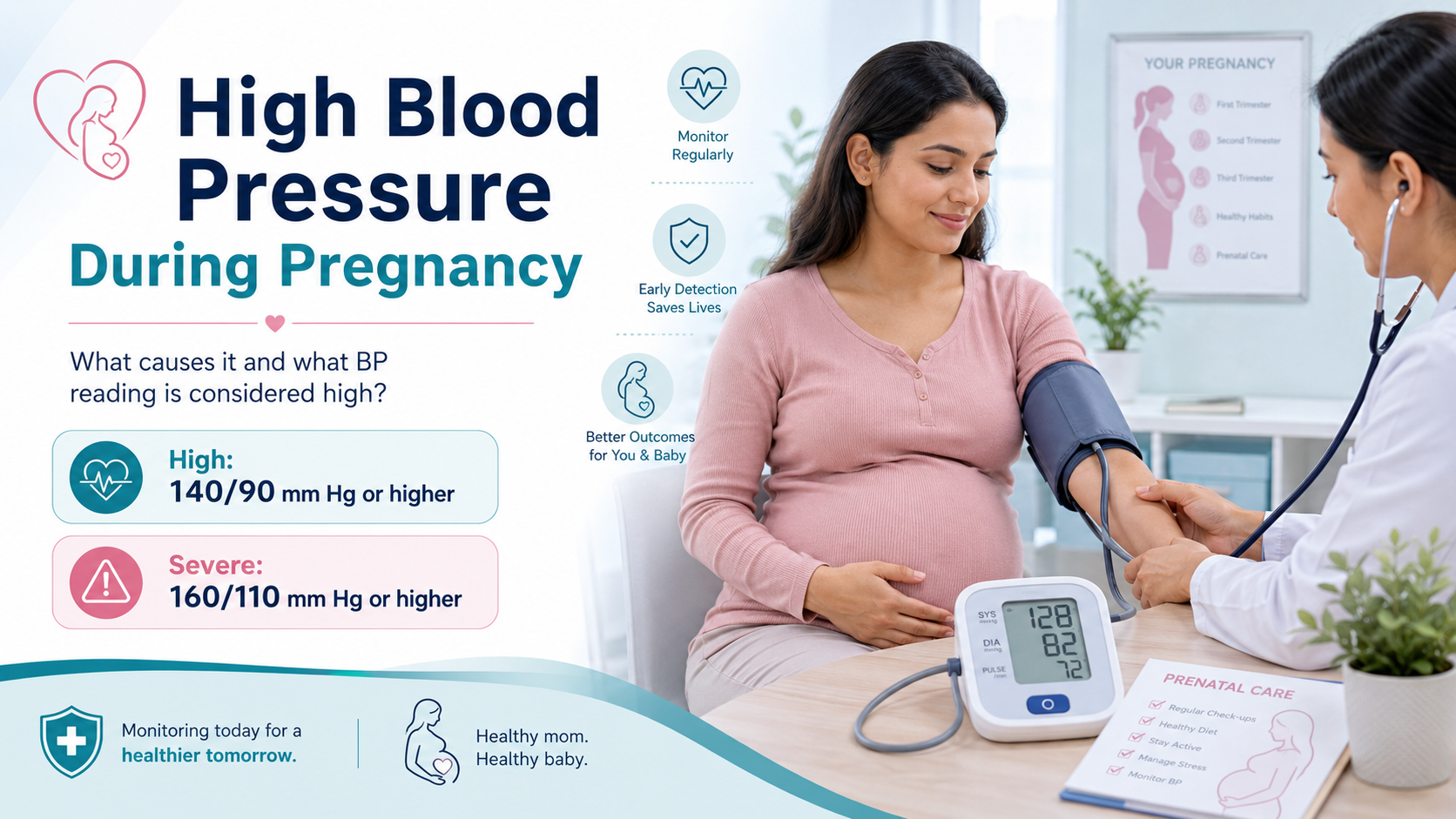
The main answer is simple: a blood pressure reading of 140/90 mm Hg or higher during pregnancy is considered high, especially when confirmed on repeat readings. A reading of 160/110 mm Hg or higher is considered severe and needs urgent medical attention. The CDC defines high blood pressure during pregnancy as 140/90 mm Hg or higher in two readings taken at least 4 hours apart, and severe high blood pressure as 160/110 mm Hg on two or more occasions.
High blood pressure in pregnancy is preventable and treatable in many cases, but it should always be managed with a qualified healthcare professional. The CDC states that hypertensive disorders affect about 5% to 10% of women during pregnancy and have increased over the past two decades.
What Does High Blood Pressure During Pregnancy Mean?
High blood pressure during pregnancy means the systolic number, diastolic number, or both are above the safe pregnancy threshold. The systolic number is the top number, and the diastolic number is the bottom number.
A reading such as 142/92 mm Hg means the systolic pressure is 142, and the diastolic pressure is 92. In pregnancy, this reading is considered high because it is above 140/90.
High blood pressure may be present before pregnancy, appear after 20 weeks, or occur with preeclampsia. Doctors usually classify it based on timing, symptoms, urine protein, organ function, and fetal growth.
What Is a Normal Blood Pressure Range During Pregnancy?
A healthy adult’s blood pressure is below 120/80 mm Hg, but pregnancy care focuses especially on whether blood pressure reaches 140/90 mm Hg or higher. The American Heart Association lists normal adult blood pressure as less than 120 systolic and less than 80 diastolic.
Pregnancy blood pressure can naturally shift. Some women have slightly lower readings in mid-pregnancy, while others develop rising blood pressure later. A single reading should not be interpreted alone unless it is very high or accompanied by symptoms.
| Blood Pressure Reading | Meaning in Pregnancy | What It Usually Means |
|---|---|---|
| Below 120/80 mm Hg | Usually normal | Continue routine prenatal care |
| 120–129 / less than 80 | Elevated adult range | Discuss trends with a clinician |
| 130–139 / 80–89 | Higher than ideal | May need closer monitoring |
| 140/90 or higher | High in pregnancy | Requires medical assessment |
| 160/110 or higher | Severe high BP | Urgent medical care is needed |
What Blood Pressure Reading Is Considered High During Pregnancy?
A blood pressure reading of 140/90 mm Hg or higher is considered high during pregnancy when confirmed properly. A reading of 160/110 mm Hg or higher is severe high blood pressure.
This distinction matters because mild-to-moderate high BP and severe high BP are managed differently. Severe BP can increase the risk of stroke, seizures, placental complications, and emergency delivery.
Contact your maternity team if readings are repeatedly high. Seek urgent care immediately if high BP is combined with symptoms such as severe headache, vision changes, upper abdominal pain, sudden swelling, or breathing difficulty.
What Causes High Blood Pressure During Pregnancy?
High blood pressure during pregnancy can be caused by pre-existing hypertension, changes in blood vessels and placenta function, kidney disease, diabetes, obesity, older maternal age, family history, autoimmune disease, or carrying twins or triplets.
The exact cause depends on the type of pregnancy hypertension. Some women enter pregnancy with chronic hypertension. Others develop gestational hypertension after 20 weeks. Some develop preeclampsia, a more serious condition involving high BP and signs of organ stress.
What Causes Chronic Hypertension in Pregnancy?
Chronic hypertension in pregnancy is high blood pressure that existed before pregnancy or was diagnosed before 20 weeks of pregnancy. The CDC also defines chronic hypertension as high BP that continues for 12 weeks after delivery.
Risk factors can include family history, age, kidney disease, diabetes, obesity, sleep apnea, high-sodium diet, inactivity, and stress. The NHLBI notes that high blood pressure risk can be affected by lifestyle habits, family history, age, other medical conditions, and some medicines.
What Causes Gestational Hypertension?
Gestational hypertension is high blood pressure that develops during pregnancy in someone who previously had normal blood pressure. It usually appears after 20 weeks and does not include the same organ-damage findings used to diagnose preeclampsia.
The exact cause is not always known. Doctors look at risk factors such as first pregnancy, age 40 or older, BMI of 35 or more, family history of preeclampsia, multiple pregnancy, previous gestational hypertension, vascular disease, and kidney disease. NICE lists these as factors requiring additional assessment and follow-up in gestational hypertension.
What Causes Preeclampsia?
Preeclampsia is related to abnormal pregnancy blood vessel and placental function, but the exact cause can vary. It usually develops after 20 weeks and involves high blood pressure plus protein in urine or other signs of organ problems.
The CDC explains that preeclampsia occurs when sudden high blood pressure develops with protein in urine or other problems after 20 weeks of pregnancy. It can also happen in women who already have chronic hypertension.
What Are the Main Types of Hypertension During Pregnancy?
The main types are chronic hypertension, gestational hypertension, preeclampsia, and eclampsia. Some people also use the older term pregnancy-induced hypertension, or PIH, usually to describe high BP that begins during pregnancy.
| Type | When It Happens | Key Feature |
|---|---|---|
| Chronic hypertension | Before pregnancy or before 20 weeks | BP was already high or appeared early |
| Gestational hypertension | After 20 weeks | High BP without preeclampsia features |
| Preeclampsia | Usually, after 20 weeks | High BP plus protein in urine or organ problems |
| Eclampsia | Severe complication of preeclampsia | Seizures without another cause |
The CDC describes eclampsia as a medical emergency in which a pregnant woman with preeclampsia has seizures with no other cause.
What Is the Difference Between Gestational Hypertension and Preeclampsia?
Gestational hypertension means high BP during pregnancy without the additional diagnostic signs of preeclampsia. Preeclampsia means high BP plus protein in urine or signs that organs such as the kidneys, liver, brain, lungs, or blood system may be affected.
This difference is important because preeclampsia can progress quickly and may become life-threatening. The WHO states that preeclampsia affects 3% to 8% of women who give birth worldwide and can progress to eclampsia, which involves seizures.
Gestational hypertension still needs close monitoring because it can develop into preeclampsia. Doctors may check blood pressure, urine protein, blood tests, symptoms, and fetal growth.
What Symptoms of High Blood Pressure During Pregnancy Need Urgent Care?
Severe headache, vision changes, pain below the ribs, vomiting, sudden swelling, trouble breathing, or very high BP readings need urgent medical attention. These symptoms may suggest preeclampsia or severe hypertension.
The CDC lists preeclampsia symptoms such as headache that does not go away, vision changes, upper stomach pain, nausea or vomiting, swelling of the face or hands, sudden weight gain, and trouble breathing. Some women have no symptoms, which is why regular prenatal visits are important.
NICE also advises pregnant women to see a healthcare professional immediately for symptoms including severe headache, vision problems, severe pain below the ribs, vomiting, or sudden swelling of the face, hands, or feet.
What Complications Can Pregnancy-Induced Hypertension Cause?
Pregnancy-induced hypertension can cause complications for both the mother and baby if it is not controlled. The risk depends on BP severity, gestational age, preeclampsia signs, and overall health.
For the mother, complications can include:
- Preeclampsia
- Eclampsia
- Stroke
- Placental abruption
- Need for induction of labor
- Cesarean birth in some cases
For the baby, complications can include:
- Preterm birth
- Low birth weight
- Poor fetal growth
- Reduced oxygen and nutrient supply through the placenta
The CDC states that high blood pressure during pregnancy can increase risks such as preeclampsia, eclampsia, stroke, labor induction, placental abruption, preterm delivery, and low birth weight.
How Can You Lower Blood Pressure During Pregnancy Safely?
The safest way to lower blood pressure during pregnancy is to work with a healthcare professional, attend prenatal visits, monitor BP correctly, follow lifestyle advice, and take prescribed medicine if needed.
Safe management may include:
- Regular prenatal checkups
- Home BP monitoring if advised
- Healthy eating
- Appropriate physical activity
- Weight management guidance
- Avoiding smoking and alcohol
- Reviewing all medicines with a doctor
- Prescribed antihypertensive treatment when needed
The CDC advises early and regular prenatal care, discussing all medicines with a doctor, and not stopping or starting medicine without medical advice.
Can You Lower Blood Pressure During Pregnancy Fast at Home?
No. A pregnant woman should not try to lower high blood pressure fast at home without medical guidance. Fast or severe BP changes during pregnancy may signal an emergency.
If a reading is high, sit calmly, repeat the measurement as instructed by your maternity team, and contact your healthcare provider. If the reading is 160/110 mm Hg or higher, or if warning symptoms are present, urgent medical care is needed.
Avoid unapproved supplements, extreme salt restriction, dehydration, diuretics, or herbal remedies unless prescribed. NICE specifically advises against recommending salt restriction solely to prevent gestational hypertension or preeclampsia.
What Treatments May Doctors Use for High BP During Pregnancy?
Doctors may use monitoring, blood tests, urine testing, fetal ultrasound, low-dose aspirin for selected high-risk women, and pregnancy-safe blood pressure medicines.
NICE recommends antihypertensive treatment for chronic hypertension in pregnancy when sustained systolic BP is 140 mm Hg or higher or sustained diastolic BP is 90 mm Hg or higher, with a treatment target of 135/85 mm Hg. NICE also lists labetalol, nifedipine, and methyldopa as medication options depending on suitability and patient factors.
For mild chronic hypertension, the CHAP trial found that treatment targeting BP below 140/90 mm Hg reduced adverse pregnancy outcomes compared with usual care, without increasing low-birth-weight risk.
How Can You Prevent High Blood Pressure During Pregnancy?
You cannot prevent every case, but you can reduce risk with early prenatal care, healthy lifestyle habits, risk screening, and medical prevention when appropriate.
Useful prevention steps include:
- Book prenatal care early
- Tell your doctor about past high BP or preeclampsia
- Manage chronic hypertension before pregnancy if possible
- Review medications before conception or early pregnancy
- Maintain a healthy weight
- Eat a balanced diet
- Stay active if your clinician says it is safe
- Monitor BP if you are at high risk
- Take prescribed low-dose aspirin only if recommended
NICE recommends low-dose aspirin from 12 weeks until birth for women at high risk of preeclampsia and for women with more than one moderate risk factor.
How Do Doctors Monitor High Blood Pressure During Pregnancy?
Doctors monitor high BP during pregnancy with repeat BP readings, urine protein checks, blood tests, symptom review, and fetal monitoring. The goal is to detect worsening hypertension or preeclampsia early.
Common monitoring may include:
- Blood pressure checks at clinic visits
- Home BP readings if advised
- Urine protein testing
- Kidney function tests
- Liver function tests
- Platelet count
- Fetal heart checks
- Growth ultrasound
- Placental or Doppler assessment when needed
NICE recommends a full assessment for gestational hypertension in a secondary care setting and may include blood tests, proteinuria testing, BP monitoring, and fetal assessment depending on severity.
What Are the Key Takeaways About High Blood Pressure During Pregnancy?
High blood pressure during pregnancy is common, serious, and treatable. A BP reading of 140/90 mm Hg or higher is considered high in pregnancy, and 160/110 mm Hg or higher is severe.
The most important safety points are:
- Do not ignore repeated high BP readings.
- Do not try to lower pregnancy BP fast at home.
- Seek urgent care for severe readings or preeclampsia symptoms.
- Attend all prenatal visits, even if you feel well.
- Follow medical advice about monitoring, aspirin, or medication.
Hypertensive disorders are a major global maternal health concern. WHO reports that hypertensive disorders were responsible for around 16% of maternal deaths globally in 2023, which shows why early detection and treatment matter.
FAQs About High Blood Pressure During Pregnancy
What is considered high blood pressure in pregnancy?
A reading of 140/90 mm Hg or higher is considered high during pregnancy when confirmed on repeat readings. Severe high BP is 160/110 mm Hg or higher.
What is a normal BP for a pregnant woman?
A common healthy adult BP is below 120/80 mm Hg, but pregnancy care becomes especially concerning when readings reach 140/90 mm Hg or higher.
What causes gestational hypertension?
Gestational hypertension may be linked to pregnancy-related blood vessel changes, placental factors, age, BMI, family history, multiple pregnancy, kidney disease, vascular disease, or previous hypertension in pregnancy.
Is gestational hypertension the same as preeclampsia?
No. Gestational hypertension is high BP without preeclampsia features. Preeclampsia includes high BP plus protein in urine or other organ problems after 20 weeks.
How can I lower blood pressure while pregnant?
The safest approach is prenatal monitoring, lifestyle guidance, and prescribed medication when needed. Do not start medicines, supplements, or extreme diet changes without medical advice.
How can I lower blood pressure fast during pregnancy?
Do not try to lower BP fast at home. If BP is very high or symptoms appear, contact your maternity unit or emergency care immediately.
What are the warning signs of preeclampsia?
Warning signs include severe headache, vision changes, upper abdominal pain, vomiting, sudden swelling, sudden weight gain, and trouble breathing.
Can high BP during pregnancy affect the baby?
Yes. High BP can reduce oxygen and nutrient flow to the baby and may increase the risk of preterm birth and low birth weight.