What Are the Symptoms of Low and High Blood Pressure?
Low and high blood pressure can both affect how you feel, but they do not always cause obvious symptoms. Low blood pressure is more likely to cause dizziness, fainting, weakness, fatigue, nausea, and blurred vision. High blood pressure usually causes no warning signs, which is why measuring your blood pressure is the only reliable way to know your numbers.
Blood pressure matters because it shows how strongly blood pushes against artery walls. If blood pressure is too low, the brain and organs may not get enough blood flow. If blood pressure is too high for a long time, it can damage the heart, brain, kidneys, blood vessels, and eyes.
This guide explains the symptoms of low and high BP, what numbers mean, what causes low BP, how to raise blood pressure safely, and when symptoms require urgent medical care.
What Do Low and High Blood Pressure Mean?
Low blood pressure generally means a reading below 90/60 mm Hg, while high blood pressure means a reading consistently at or above 130/80 mm Hg. A single reading is useful, but repeated readings and symptoms give a clearer picture.
Blood pressure has two numbers:
- Systolic pressure: the top number, measured when the heart beats.
- Diastolic pressure: the bottom number, measured when the heart rests between beats.
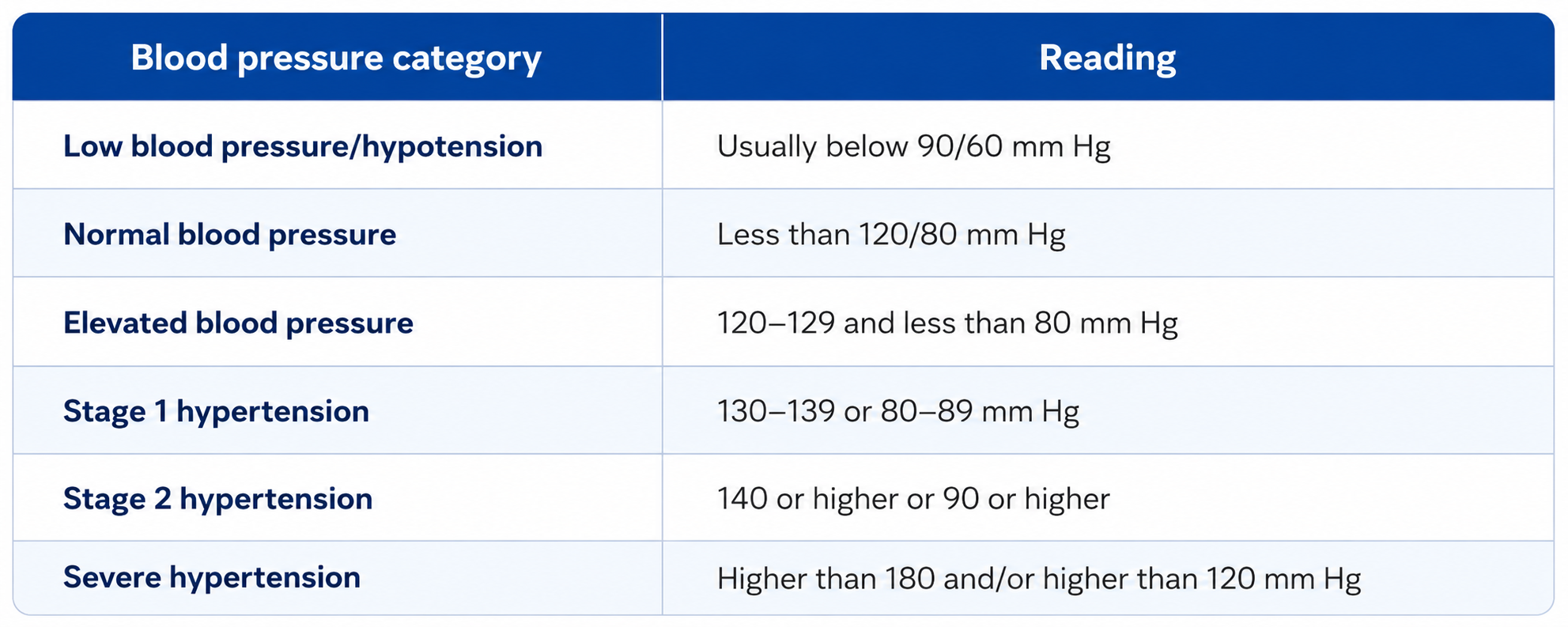
A doctor or qualified healthcare professional should confirm a diagnosis, especially if readings are repeated, are unusual, or are linked to symptoms.
What Are the Common Symptoms of Low Blood Pressure?
The most common symptoms of low blood pressure are dizziness, lightheadedness, fainting, weakness, tiredness, nausea, blurred vision, and confusion. These symptoms happen because blood flow to the brain or vital organs may temporarily drop.
Low BP does not always mean something is wrong. Some people naturally have low readings and feel fine. It becomes more concerning when the pressure drops suddenly, causes symptoms, or happens with another illness.
What Are the 10 Signs of Low Blood Pressure?
The 10 common signs of low blood pressure are dizziness, lightheadedness, fainting, fatigue, weakness, nausea, blurred vision, confusion, sleepiness, and heart palpitations. Some people may also feel shaky, cold, sweaty, or unable to concentrate.
Common low BP symptoms include:
- Dizziness
- Lightheadedness
- Fainting or near-fainting
- Weakness
- Fatigue or tiredness
- Blurred or fading vision
- Nausea or vomiting
- Confusion
- Sleepiness
- Heart palpitations
Low blood pressure can also cause falls, especially in older adults or people who feel dizzy when standing.
What Are the Symptoms of High Blood Pressure?
High blood pressure usually has no symptoms, even when the numbers are high. This is why hypertension is often called a “silent killer,” and regular blood pressure checks are important.
Some people search for high BP symptoms such as headache, flushing, tiredness, or nosebleeds. These symptoms can happen for many reasons and are not reliable proof of high blood pressure.
However, very high BP can become an emergency when it is paired with serious symptoms. If blood pressure is higher than 180 and/or 120 mm Hg and comes with chest pain, shortness of breath, back pain, numbness, weakness, vision changes, or difficulty speaking, emergency care is needed.
How Can You Tell the Difference Between Low BP and High BP Symptoms?
Low BP is more likely to make a person feel faint, weak, dizzy, or nauseous, while high BP often causes no symptoms until it becomes severe or causes complications. The safest way to tell the difference is to check blood pressure with a reliable monitor.
| Symptom or sign | More common with low BP | More concerned with high BP |
|---|---|---|
| Dizziness when standing | Yes | Sometimes, but less specific |
| Fainting | Yes | Not typical |
| Fatigue or weakness | Yes | Possible but not specific |
| Blurred vision | Yes | Emergency warning if severe BP is high |
| Nausea | Yes | Possible in severe cases |
| Chest pain | Emergency sign | Emergency sign |
| Shortness of breath | Emergency sign | Emergency sign |
| No symptoms | Possible | Very common |
| Reading below 90/60 | Low BP range | No |
| Reading 130/80 or higher | No | High BP range |
The key point is simple: symptoms alone are not enough. Check the reading, repeat it correctly, and consider how the person feels.
What Is a Dangerous Low Blood Pressure for a Woman?
For women, low blood pressure is generally considered a reading below 90/60 mm Hg, but it becomes dangerous mainly when it causes symptoms, drops suddenly, or appears with signs of shock, bleeding, infection, dehydration, or pregnancy-related concerns. Public health references use the same adult low BP cutoff rather than a separate number for women.
A woman may need medical attention if low BP happens with:
- Fainting
- Confusion
- Severe weakness
- Chest pain
- Shortness of breath
- Heavy bleeding
- Repeated vomiting or diarrhea
- Pregnancy with fainting, severe symptoms, or abnormal BP readings
Pregnancy can affect blood pressure because blood vessels change and blood volume shifts. Mayo Clinic notes that low blood pressure is common in the first 24 weeks of pregnancy, but frequent fainting or severe symptoms should still be checked.
When Should a Woman Get Urgent Help for Low Blood Pressure?
A woman should seek urgent help if low blood pressure comes with fainting, confusion, cold, clammy skin, rapid breathing, a weak, rapid pulse, chest pain, severe bleeding, or loss of consciousness. These may be signs that the body is not getting enough blood flow.
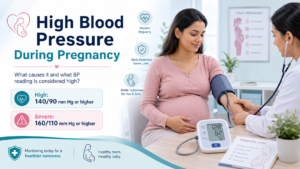
During or after pregnancy, high blood pressure also needs attention. The American Heart Association lists pregnancy hypertension at 140/90 mm Hg or higher and severe pregnancy hypertension at 160/110 mm Hg or higher, especially if symptoms such as severe headache, vision change, abdominal pain, chest pain, swelling, or shortness of breath occur.
What Causes Low Blood Pressure?
Low blood pressure can be caused by dehydration, blood loss, pregnancy, heart problems, endocrine conditions, low blood sugar, anemia, infection, allergic reaction, prolonged standing, bed rest, and medication side effects. Treatment depends on the cause.
Common reasons for low BP include:
- Dehydration: Less fluid can reduce blood volume.
- Blood loss: injury or internal bleeding can cause a serious BP drop.
- Medication side effects: diuretics, beta blockers, some antidepressants, Parkinson’s medicines, and some heart medicines can lower BP.
- Heart conditions: slow heart rate, heart failure, heart attack, or valve problems may reduce circulation.
- Endocrine problems: Addison’s disease, thyroid problems, diabetes, or low blood sugar may contribute.
- Nutritional deficiencies: low B12, folate, or iron can lead to anemia and low BP.
- Severe infection or allergic reaction: septic shock or anaphylaxis can cause a life-threatening BP drop.
Can Not Eating Cause Low Blood Pressure?
Not eating can contribute to low blood pressure indirectly, especially if it leads to dehydration, low blood sugar, weakness, or poor salt and fluid intake. Some people also experience blood pressure drops after large meals, called postprandial hypotension.
For people prone to low BP, helpful habits may include:
- Eating small, frequent meals
- Drinking enough water
- Avoiding long gaps without food if symptoms appear
- Sitting or lying down after meals if dizziness happens
- Limiting large high-carbohydrate meals if post-meal BP drops occur
What Causes a Sudden Blood Pressure Drop?
A sudden BP drop can happen from dehydration, standing up quickly, bleeding, severe infection, allergic reaction, medication effects, or heart rhythm and heart-pumping problems. Sudden drops are more concerning than stable low readings because the brain may not adjust quickly.
A sudden drop may feel like:
- “Seeing stars”
- Dizziness after standing
- Sudden weakness
- Faintness
- Cold sweat
- Confusion
- Rapid heartbeat
What Are the Main Types of Low Blood Pressure?
The main types of low blood pressure include orthostatic hypotension, postprandial hypotension, neurally mediated hypotension, and low BP linked to medical illness or medication. Identifying the type helps guide treatment.
Common types include:
- Orthostatic or postural hypotension: BP drops when standing after sitting or lying down.
- Postprandial hypotension: BP drops after eating, especially after large meals.
- Neurally mediated hypotension: BP drops after standing for a long time.
- Medication-related hypotension: BP falls because of a medicine or dose.
- Illness-related hypotension: BP falls because of dehydration, bleeding, infection, allergy, heart disease, or endocrine problems.
How Can You Raise Low Blood Pressure Safely?
Low blood pressure may improve with fluids, slow position changes, small, frequent meals, compression stockings, and treating the underlying cause. Do not increase salt, stop medicines, or use stimulants without medical advice, especially if you have heart, kidney, or blood pressure problems.
Safe supportive steps may include:
- Sit or lie down when dizzy.
- Drink water if dehydration may be a cause.
- Stand up slowly, especially in the morning.
- Avoid sudden posture changes.
- Eat smaller meals more often.
- Avoid prolonged standing.
- Use compression stockings if recommended.
- Keep a BP log with symptoms and timing.
NHLBI notes that low BP treatment may include fluids, medicine changes, medicines to raise BP, dietary changes, posture changes, or compression stockings, depending on symptoms and cause.
What Are the Medical Treatments for Low Blood Pressure?
Medical treatment for low blood pressure depends on the cause, and many people with no symptoms do not need treatment. If symptoms are present, a healthcare professional may adjust medications, treat dehydration, check for anemia or heart problems, or prescribe medication for certain types of hypotension.
Possible medical steps include:
- Blood pressure measurement in different positions
- Blood tests for anemia, diabetes, or low blood sugar
- ECG/EKG to check heart rhythm
- Tilt table testing for repeated fainting
- Medication review
- Prescription medicines such as fludrocortisone or midodrine in selected cases
Never stop blood pressure medicine, heart medicine, antidepressants, or diuretics suddenly without a clinician’s guidance.
When Should You Seek Medical Help for Low or High BP?
Seek medical help if low BP causes repeated dizziness, fainting, confusion, weakness, chest pain, shortness of breath, or signs of shock. Seek urgent care for very high BP when readings are above 180 and/or 120 mm Hg with emergency symptoms.
Call emergency services if any of these occur:
- Loss of consciousness
- Chest pain
- Shortness of breath
- Stroke-like symptoms
- Confusion or severe drowsiness
- Cold, clammy, pale skin
- Weak rapid pulse
- Rapid breathing
- Blue lips or skin tone
- Severe bleeding
- Severe allergic reaction
- BP above 180 and/or 120 mm Hg with symptoms
For non-emergency symptoms, schedule a medical visit if dizziness, fainting, or very low readings keep happening.
What Common Mistakes Should You Avoid With Blood Pressure Symptoms?
The biggest mistake is relying only on symptoms instead of measuring blood pressure correctly. High BP often has no symptoms, and low BP can be harmless in some people but dangerous in others.
Avoid these mistakes:
- Assuming dizziness always means low BP
- Assuming a headache always means high BP
- Ignoring repeated fainting
- Taking extra salt without medical advice
- Stopping BP medicine suddenly
- Checking BP right after exercise, caffeine, smoking, or stress
- Using an unvalidated or poorly fitted BP cuff
- Ignoring very high readings with chest pain, weakness, or vision changes
What Is the Key Takeaway About Low and High BP Symptoms?
Low blood pressure usually causes symptoms when blood flow drops too much, while high blood pressure often causes no symptoms until it becomes severe or causes complications. The best approach is to know your numbers, track symptoms, repeat abnormal readings correctly, and seek medical help when warning signs appear.
Key takeaway:
Low BP below 90/60 mm Hg is not always dangerous, but low BP with fainting, confusion, shock signs, or sudden severe weakness needs urgent attention. High BP at or above 130/80 mm Hg should be managed with lifestyle changes and medical guidance, while readings above 180 and/or 120 mm Hg with serious symptoms require emergency care.
FAQs About Low and High Blood Pressure Symptoms
What is considered low blood pressure?
Low blood pressure is usually a reading below 90/60 mm Hg. It is most concerning when it causes dizziness, fainting, confusion, or weakness.
How low is too low for blood pressure?
Blood pressure may be too low if it is below 90/60 mm Hg and causes symptoms. A sudden drop, even from a normal reading, can also cause dizziness or fainting.
Can low blood pressure make you tired?
Yes. Fatigue and weakness are common low blood pressure symptoms, especially when blood flow to the brain and muscles is reduced.
What causes a low blood pressure reading?
A low reading can be caused by dehydration, medication effects, pregnancy, blood loss, heart problems, endocrine disorders, anemia, infection, allergic reaction, or standing up too quickly.
How can I increase blood pressure quickly at home?
Sit or lie down, drink water if dehydration is possible, and stand up slowly. For repeated symptoms, ask a healthcare professional about salt intake, compression stockings, medication review, or further testing.
What are the symptoms of high blood pressure?
High blood pressure usually has no symptoms. Severe high BP with chest pain, shortness of breath, weakness, numbness, vision changes, or trouble speaking can be an emergency.
Can not eating cause low blood pressure?
Not eating may contribute to low BP symptoms if it leads to dehydration, low blood sugar, or weakness. Some people also get blood pressure drops after large meals.
What is the difference between low BP and low heart rate?
Low BP means blood pressure is low. A low heart rate means the heart is beating slowly. They can happen together, but they are different measurements and may have different causes.