
Low and High Blood Pressure Symptoms: Causes, Warning Signs, Treatment
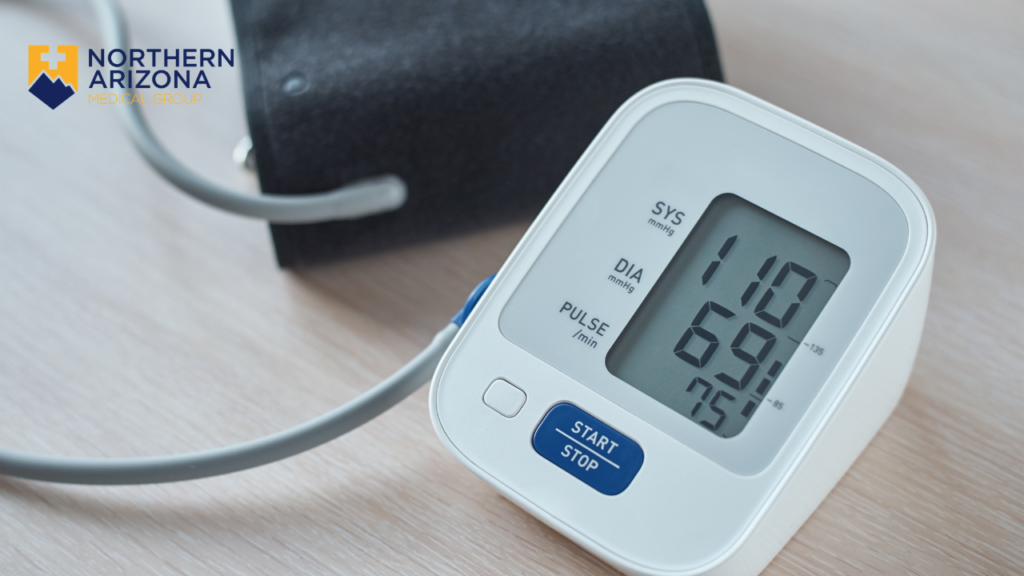
What Are the Symptoms of Low and High Blood Pressure? Low and high blood pressure can both affect how you feel, but they do not always cause obvious symptoms. Low blood pressure is more likely to cause dizziness, fainting, weakness, fatigue, nausea, and blurred vision. High blood pressure usually causes no warning signs, which is why measuring your blood pressure is the only reliable way to know your numbers. Blood pressure matters because it shows how strongly blood pushes against artery walls. If blood pressure is too low, the brain and organs may not get enough blood flow. If blood pressure is too high for a long time, it can damage the heart, brain, kidneys, blood vessels, and eyes. This guide explains the symptoms of low and high BP, what numbers mean, what causes low BP, how to raise blood pressure safely, and when symptoms require urgent medical care. What Do Low and High Blood Pressure Mean? Low blood pressure generally means a reading below 90/60 mm Hg, while high blood pressure means a reading consistently at or above 130/80 mm Hg. A single reading is useful, but repeated readings and symptoms give a clearer picture. Blood pressure has two numbers: Systolic pressure: the top number, measured when the heart beats. Diastolic pressure: the bottom number, measured when the heart rests between beats. A doctor or qualified healthcare professional should confirm a diagnosis, especially if readings are repeated, are unusual, or are linked to symptoms. What Are the Common Symptoms of Low Blood Pressure? The most common symptoms of low blood pressure are dizziness, lightheadedness, fainting, weakness, tiredness, nausea, blurred vision, and confusion. These symptoms happen because blood flow to the brain or vital organs may temporarily drop. Low BP does not always mean something is wrong. Some people naturally have low readings and feel fine. It becomes more concerning when the pressure drops suddenly, causes symptoms, or happens with another illness. What Are the 10 Signs of Low Blood Pressure? The 10 common signs of low blood pressure are dizziness, lightheadedness, fainting, fatigue, weakness, nausea, blurred vision, confusion, sleepiness, and heart palpitations. Some people may also feel shaky, cold, sweaty, or unable to concentrate. Common low BP symptoms include: Dizziness Lightheadedness Fainting or near-fainting Weakness Fatigue or tiredness Blurred or fading vision Nausea or vomiting Confusion Sleepiness Heart palpitations Low blood pressure can also cause falls, especially in older adults or people who feel dizzy when standing. What Are the Symptoms of High Blood Pressure? High blood pressure usually has no symptoms, even when the numbers are high. This is why hypertension is often called a “silent killer,” and regular blood pressure checks are important. Some people search for high BP symptoms such as headache, flushing, tiredness, or nosebleeds. These symptoms can happen for many reasons and are not reliable proof of high blood pressure. However, very high BP can become an emergency when it is paired with serious symptoms. If blood pressure is higher than 180 and/or 120 mm Hg and comes with chest pain, shortness of breath, back pain, numbness, weakness, vision changes, or difficulty speaking, emergency care is needed. How Can You Tell the Difference Between Low BP and High BP Symptoms? Low BP is more likely to make a person feel faint, weak, dizzy, or nauseous, while high BP often causes no symptoms until it becomes severe or causes complications. The safest way to tell the difference is to check blood pressure with a reliable monitor. Symptom or sign More common with low BP More concerned with high BP Dizziness when standing Yes Sometimes, but less specific Fainting Yes Not typical Fatigue or weakness Yes Possible but not specific Blurred vision Yes Emergency warning if severe BP is high Nausea Yes Possible in severe cases Chest pain Emergency sign Emergency sign Shortness of breath Emergency sign Emergency sign No symptoms Possible Very common Reading below 90/60 Low BP range No Reading 130/80 or higher No High BP range The key point is simple: symptoms alone are not enough. Check the reading, repeat it correctly, and consider how the person feels. What Is a Dangerous Low Blood Pressure for a Woman? For women, low blood pressure is generally considered a reading below 90/60 mm Hg, but it becomes dangerous mainly when it causes symptoms, drops suddenly, or appears with signs of shock, bleeding, infection, dehydration, or pregnancy-related concerns. Public health references use the same adult low BP cutoff rather than a separate number for women. A woman may need medical attention if low BP happens with: Fainting Confusion Severe weakness Chest pain Shortness of breath Heavy bleeding Repeated vomiting or diarrhea Pregnancy with fainting, severe symptoms, or abnormal BP readings Pregnancy can affect blood pressure because blood vessels change and blood volume shifts. Mayo Clinic notes that low blood pressure is common in the first 24 weeks of pregnancy, but frequent fainting or severe symptoms should still be checked. When Should a Woman Get Urgent Help for Low Blood Pressure? A woman should seek urgent help if low blood pressure comes with fainting, confusion, cold, clammy skin, rapid breathing, a weak, rapid pulse, chest pain, severe bleeding, or loss of consciousness. These may be signs that the body is not getting enough blood flow. During or after pregnancy, high blood pressure also needs attention. The American Heart Association lists pregnancy hypertension at 140/90 mm Hg or higher and severe pregnancy hypertension at 160/110 mm Hg or higher, especially if symptoms such as severe headache, vision change, abdominal pain, chest pain, swelling, or shortness of breath occur. What Causes Low Blood Pressure? Low blood pressure can be caused by dehydration, blood loss, pregnancy, heart problems, endocrine conditions, low blood sugar, anemia, infection, allergic reaction, prolonged standing, bed rest, and medication side effects. Treatment depends on the cause. Common reasons for low BP include: Dehydration: Less fluid can reduce blood volume. Blood loss: injury or internal bleeding can cause a serious BP drop. Medication side effects: diuretics,
Low and High Blood Pressure Symptoms: Causes, Warning Signs, Treatment Read More »