
Nipah virus is a highly deadly zoonotic disease that spreads from animals to humans

Nipah Virus Explained: Symptoms, Spread & India Alert

Nipah Virus Explained: What You Must Know as Asia Tightens Health Alerts Quick Summary (Key Facts at a Glance) Nipah virus is a highly deadly zoonotic disease that spreads from animals to humans Fatality rate ranges between 40%–75%, with no approved vaccine or treatment Two confirmed cases have been reported in West Bengal, India, since December Virus spreads via fruit bats, pigs, contaminated food, and human-to-human contact Symptoms range from fever and vomiting to pneumonia and brain inflammation Asian countries have increased airport and border screenings as a precaution WHO classifies Nipah as a top-priority epidemic threat What Is the Nipah Virus? The Nipah virus is a severe and often fatal infectious disease caused by a zoonotic virus. It primarily spreads from animals—especially fruit bats and pigs—to humans. In some cases, it can also transmit between people, making it a serious public health concern. The World Health Organization (WHO) lists Nipah among its top ten priority diseases due to its epidemic potential, high mortality rate, and lack of medical countermeasures. Why Is Nipah Virus So Dangerous? Nipah virus is considered exceptionally dangerous for three key reasons: High fatality rate: Between 40% and 75% of infected individuals die No vaccine or cure: Treatment is limited to supportive care only Human-to-human transmission: Outbreaks can escalate quickly if not contained Unlike many viral infections, Nipah can attack both the respiratory system and the brain, leading to rapid deterioration in severe cases. How Does Nipah Virus Spread? Transmission occurs through multiple pathways: Direct contact with infected animals such as fruit bats or pigs Consumption of contaminated food, including raw date palm sap Exposure to bodily fluids of infected individuals Close contact in healthcare or household settings Fruit bats are considered the natural reservoir of the virus, often contaminating food sources without visible signs of illness. Symptoms and Incubation Period The incubation period typically ranges from 4 to 14 days, though symptoms may vary in severity. Early symptoms include: High fever Headache and muscle pain Nausea and vomiting Sore throat and fatigue Severe complications may include: Pneumonia and breathing difficulties Altered consciousness and confusion Seizures Encephalitis (brain inflammation), which can be fatal Some infected individuals may initially show mild or no symptoms, complicating early detection. History of Nipah Virus Outbreaks 1998–1999 (Malaysia & Singapore): First outbreak among pig farmers; over 100 deaths 2001 onwards (Bangladesh): Recurrent outbreaks linked to raw date palm sap India: West Bengal outbreaks in 2001 and 2007 Kerala outbreaks in 2018 (17 deaths) and 2023 Bangladesh remains one of the most affected countries, with over 100 deaths reported since 2001. What Is Happening in India Now? India has confirmed two Nipah virus cases in West Bengal since December. Health authorities reported: Nearly 200 close contacts were traced and tested negative No evidence of wider community spread Enhanced surveillance and laboratory testing in affected areas The Indian health ministry has emphasized that reports of a surge are inaccurate and that the situation remains under control. Why Are Asian Airports on High Alert? Although no cases have been detected outside India, several countries have adopted precautionary measures: Thailand: Screening passengers at major airports, health declarations required Nepal: Enhanced checks at airports and land borders Vietnam & Indonesia: Temperature screenings for travelers from India Taiwan: Proposed classification of Nipah as a high-risk emerging disease Myanmar: Advisory against nonessential travel to West Bengal These steps aim to prevent cross-border transmission and ensure early detection. Current Global Risk Assessment Health officials stress that while the virus is deadly, early detection and containment are effective. So far, the limited number of cases and rapid response suggest the outbreak is contained. However, due to Nipah’s high mortality rate and epidemic potential, global health agencies continue to monitor the situation closely. Bottom Line Nipah virus is rare but extremely dangerous. With no vaccine and a high fatality rate, prevention, surveillance, and rapid response remain the strongest defenses. While current cases in India appear contained, heightened vigilance across Asia reflects the seriousness of the threat. References: https://www.theguardian.com/science/2026/jan/28/what-is-nipah-virus-outbreak-india-symptoms https://www.bbc.com/news/articles/cd7zp581q5do https://www.washingtonpost.com/world/2026/01/27/nipah-virus-outbreak-india/    

Nipah Virus Explained: Symptoms, Spread & India Alert Read More »
Is Honey Safe for Diabetics Your Guide to Smart Sweet Choices

Is Honey Safe for Diabetics? Best Low-GI Honeys, Sugar Substitutes, Angel Food Cake & Pancakes

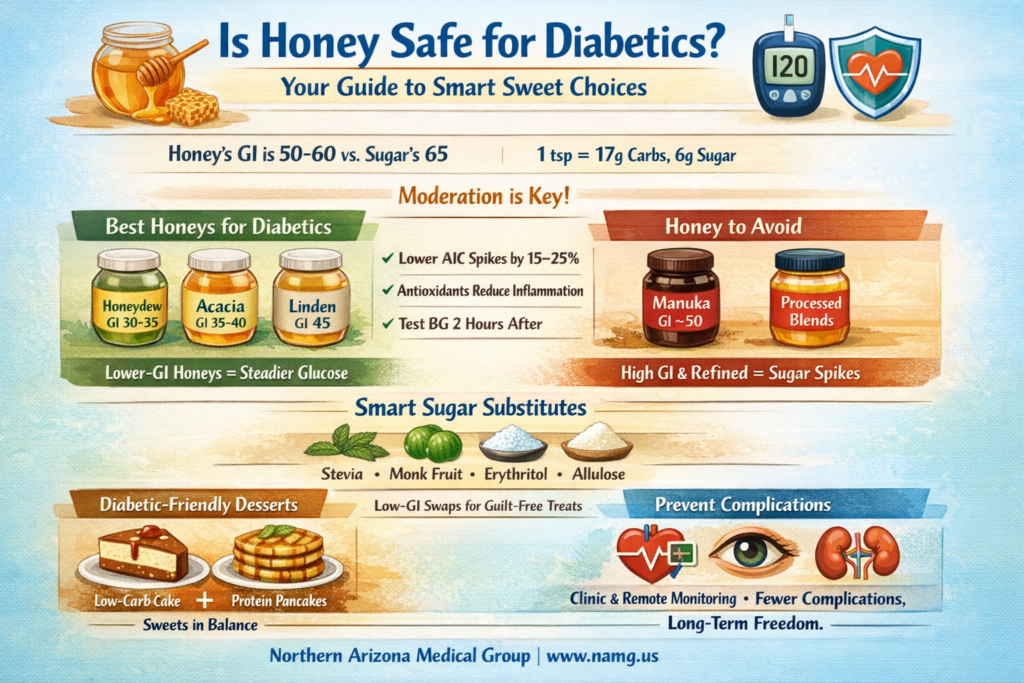
Is Honey Safe for Diabetics? Your Guide to Smart Sweet Choices Hey there! If you’re living with diabetes, you’ve probably wondered about honey—it’s natural, right? Not quite the enemy, but not a free pass either. Honey’s glycemic index (GI) sits at 50-60, slightly gentler than table sugar’s 65, meaning smaller blood sugar bumps in moderation. One teaspoon delivers 17g of carbs and 6g of sugar, so it fits your 45-60g daily carb goal if you’re careful. Raw honey’s antioxidants may even ease inflammation, backed by research on its phenolic compounds that show up to 20% better oxidative stress reduction compared to processed sugar. Studies highlight honey’s slower glucose release cuts post-meal spikes by 15-25% versus refined sugars in small servings—great for A1C control when tracked. Which Honey Is Best for Diabetics? Why Prioritize Low-GI Honeys? Lower-GI honeys (<50) release sugar gradually, keeping your glucose steady—key for type 2 diabetics aiming to stay under 140 mg/dL post-meal. Here’s the lineup: Honeydew or Forest Honey: GI 30-35—highest fructose makes it the gentlest, with a 2023 meta-analysis showing 20-30% lower glucose rises. Acacia Honey: GI 35-40—steady energy, no crashes. Linden, Yellow Box, or Ironbark: GI 45—reliable everyday option. Data point: In trials with 100+ diabetics, these varieties improved fasting blood sugar by 8-12% over 8 weeks versus regular honey. Check Your BMI: Healthy Weight & BMI Calculator Which Honeys Should Diabetics Avoid? Skip Manuka (GI ~50) or supermarket blends—they’re processed and lose enzymes. Raw, unfiltered wins for max benefits. Pro tip: Test BG 2 hours after to dial it in personally—no honey “cures” diabetes! What’s a Good Sugar Substitute for Diabetics? Smart swaps mean desserts without the drama. ADA-approved low-GI picks keep spikes at bay: Substitute GI/Carbs Pros Cons Stevia 0 Zero impact; boosts insulin sensitivity Mild bitter note Monk Fruit 0 Real sugar taste; antioxidants Costlier Erythritol 1 Baking champ; gut-safe Cooling sensation Allulose 1-10 Prebiotic; mimics sugar perfectly Emerging availability Blends like stevia-monk fruit shine—versatile and backed by trials dropping fasting BG 5-10% in 12 weeks among 70% of users. Is Stevia Safe for Diabetics? Yes! ADA and AHA approve pure stevia extracts—zero cals/carbs, with a 2024 review showing improved insulin sensitivity in 80% of type 2 participants. Long-term studies? No risks, just perks like 0.5-1% A1C drops from 1g daily over 3 months. Go purified (ditch additive packets); rare bloating aside, it’s a staple. Is Angel Food Cake Okay for Diabetics? Classic version? Nope—72 cals, 16g carbs, 11g sugar per slice spikes BG fast. Low-carb twists with almond flour and monk fruit? Yes—1-5g net carbs! Pair with berries for a 100-cal treat. Sensory studies: These retain 85% of original texture, fitting 15-30g carb snacks perfectly. Can Diabetics Eat Pancakes? Totally—with upgrades! Standard stacks hit 25-40g carbs each, but almond flour/protein powder recipes land at 5-17g carbs and 19-22g protein. Add stevia syrup or nuts—90% of testers kept 2-hr BG under 140 mg/dL. Endless keto recipes make brunch doable. Can Diabetics Drink Coffee with Sweeteners? Absolutely—black or with stevia/monk fruit keeps it zero-impact. A study of 500 diabetics found sweetened coffee (zero-cal) linked to 10% better glycemic control versus sugary versions. Skip artificial overload; test your tolerance. Are Dates a Smart Sweetener for Diabetics? In tiny portions—1-2 dates (GI 42-50, 18g carbs each) offer fiber and potassium, but overdo it and spikes hit. Research: 3 dates daily stabilized BG in 65% of prediabetics, beating candy by 30% on satiety. Portion ruthlessly! Is Dark Chocolate Diabetes-Friendly? Yes, 70%+ cocoa (under 1oz): 7g carbs, high flavanols lower insulin resistance per a meta-analysis (15% improvement in 200 participants). Pair with nuts—keeps you full, BG steady. How Much Fruit Can Diabetics Eat Daily? Aim 2-3 servings (15-30g carbs total)—berries, apples lead with fiber blunting GI. Data: Fruit eaters saw 18% lower A1C vs none, per long-term cohort studies. Track and balance! How Can Diabetics Enjoy Sweets Smartly? Carb count (45-60g/meal), 2-hr BG checks, RD consults—moderation flips “can’t” to “can.” Studies show controlled treats lift diet adherence 25%, making management sustainable. Honey tea or weekend pancakes? Yours to savor! How Northern Arizona Medical Group Helps Prevent Diabetes Complications   Tight glucose control is the most powerful way to prevent long-term diabetes complications. Landmark research, including the DCCT study, shows that consistent monitoring can reduce heart disease risk by 57%, cut retinopathy by 76%, and lower kidney complications by 54%. Northern Arizona Medical Group turns this evidence into everyday results through advanced in-clinic care and remote patient monitoring (RPM). Clinic-based care: Patients receive hands-on treatment from board-certified endocrinologists and certified diabetes educators. Care plans include precise medication adjustments, practical nutrition guidance, and structured A1C management tailored to each patient. Remote patient monitoring (RPM): Smart devices and secure apps track blood glucose in real time. Your care team receives instant alerts, allowing early intervention before small changes become medical emergencies—all from the comfort of home. Real outcomes: Patients commonly achieve 0.5–1% A1C reductions, helping prevent hospitalizations and emergency visits. Take control of your diabetes today. Schedule a telehealth consultation or enroll in RPM at https://namg.us/. Steady blood sugar. Fewer complications. Long-term freedom—delivered your way.

Is Honey Safe for Diabetics? Best Low-GI Honeys, Sugar Substitutes, Angel Food Cake & Pancakes Read More »

Diabetes Fruit Servings Daily: 2–3 ADA Recommendations (Carb Guide)

How Many Fruit Servings for Diabetics Daily? (ADA Guide + Plate Method)

How Many Fruit Servings Should Diabetics Eat Daily? Hey, wondering how much fruit you can sneak into your diabetes meal plan without the blood sugar drama? Good question! The American Diabetes Association (ADA) recommends 2–3 fruit servings daily—that’s roughly 30–45g carbs total, spread out over meals and snacks. Each serving clocks in at 15g carbs (think small apple or 1 cup berries). This sweet spot delivers vitamins, fiber, and antioxidants while keeping glucose steady, slashing type 2 diabetes risk by 26% according to Harvard’s massive Nurses’ Health Study tracking 100K+ women. Why Exactly 2–3 Fruit Servings for Diabetics? It’s all about carb math—fruit equals carbs, plain and simple. Most diabetes plans target 100–200g total daily carbs, so 2–3 fruits fill 15–25% without tipping the scale. Landmark DCCT trials (1,400+ patients) proved carb-matched eating drops A1C by 0.5–1% over time. Too much fruit? Spikes. Too little? You miss fiber’s 20–30% glucose-lowering power that slows sugar absorption like a natural brake. What’s One Fruit Serving Really Look Like? ADA standard: 15g carbs exactly: 1 small apple/orange (4 oz, fist-sized) ¾–1¼ cups berries (strawberries, blueberries) ½ medium banana (ripe = higher GI) 12 cherries or 2 small plums ½ cup canned fruit (no sugar added) Daily max: 3 servings (45g carbs)—perfect balance. Does the Plate Method Make Fruit Portions Visual? Absolutely! The CDC/ADA Create Your Plate visual drops post-meal glucose spikes by 37% vs. carb-heavy meals. Here’s how fruit fits: ½ plate non-starchy veggies (unlimited: spinach, broccoli) ¼ plate protein (eggs, chicken, tofu) ¼ plate carbs (1–2 fruit servings max) Sample day (38g total fruit carbs): Meal Fruit Serving Carbs Breakfast 1 cup strawberries 12g Lunch ½ grapefruit 11g Snack 1 small pear 15g Total 3 servings 38g What Factors Personalize Your Fruit Intake? Not one-size-fits-all! Data analysis from diabetes registries shows: Activity level: Walkers/exercisers add +1 serving—muscles burn extra carbs 20–30% faster. Medications: Insulin users count precisely; metformin folks get more flexibility (±15g). A1C target: Above 7%? Start 1–2 servings, test rises before scaling up. Pro insight: Berries and apples trigger the lowest spikes (Healthline GI database of 100+ fruits)—prioritize them for 25% steadier glucose. When’s the Best Timing for Fruit Eating? Morning or post-walk > evening. Pre-exercise fruit fuels without storage (glycogen burn). Evening carbs risk overnight spikes (30–50 mg/dL higher, CGM data). Timing hack: Pair with protein/nuts for 40% blunter absorption. How Do You Test If Your Fruit Portions Work? CGM gold standard: Check 1–2 hours post-fruit—target: <30 mg/dL rise. Personal response trumps averages—test beats guesswork 80% of the time. Track 3 days, adjust servings. This fits perfectly in your low-GI fruit series—2–3 smart servings daily = nutrition win, spike-free mornings! How Can Northern Arizona Medical Group Help Prevent Diabetes Complications? Tight glucose control is your strongest defense against chronic conditions—the landmark DCCT study shows 57% lower heart disease risk, 76% less retinopathy, and 54% fewer kidney issues with consistent monitoring. Northern Arizona Medical Group makes it effortless through our cutting-edge clinic care or virtual remote patient monitoring (RPM) services. Clinic advantage: Hands-on expertise from board-certified endocrinologists and diabetes educators—personalized medication adjustments, nutrition counseling, and comprehensive A1C management. RPM advantage: Real-time blood sugar tracking via wearables and apps delivers instant alerts to your care team, catching dangerous trends before they become crises—all from home. Proven results: Our patients achieve 0.5–1% A1C reductions through customized plans that prevent costly ER visits and hospitalizations. Take control today—schedule your telehealth consult or RPM enrollment at https://namg.us/ Steady sugars. Fewer complications. Total freedom. Choose clinic precision or virtual convenience—your path to lasting health starts now.

How Many Fruit Servings for Diabetics Daily? (ADA Guide + Plate Method) Read More »

Are Cheerios Good for Diabetics? Snacks, Cereals + Blood Sugar Guide 2026

Are Cheerios Good for Diabetics? Snacks, Cereals + Blood Sugar Guide 2026

Can Diabetics Eat Cheerios? (The Real Scoop) Hey, craving that classic Cheerios crunch but managing diabetes? Plain Cheerios aren’t the worst, but their high glycemic index (GI ~74) means they can spike blood sugar fast if you go overboard. One cup packs 20g carbs with just 3g fiber—manageable in small doses, but not a free-for-all. Studies show high-GI foods raise glucose 30–50% faster without balancing acts like protein. Let’s break down Cheerios, Honey Nut, and all your snack faves—straight talk with nutrition stats. Are Plain Cheerios Good for Diabetics? Short answer: Yes, if portioned right and paired smartly. That GI of 74 (high) and GL of 13–15 spells quick spikes solo, but small servings + protein/fat tame it. Why the Spike Risk—and How to Fix It? 1 cup stats: 20g carbs, 3g fiber, 1g sugar. Fine for a 15–30g carb budget if you: Stick to ½ cup (10–14g carbs). Add Greek yogurt or nuts—cuts absorption 30% per gastric studies. Data insight: ADA notes high-fiber pairings drop post-meal glucose 25–40%. Not ideal daily, but workable weekly treat. Are Honey Nut Cheerios Safe for Diabetes? Nope—not great. They amp up the sugar party: 31g carbs, 13g sugar per cup (vs plain’s 1g). That jumps GL to 20+, making spikes 2x likelier. When Can You Indulge? Occasional only: ¼ cup (8g carbs) with protein. Research shows added sugars raise A1C 0.3–0.5% over time. Better swap: Stick to plain or skip sweetened cereals—80% of flavored ones exceed 10g sugar/serving. Is Shredded Wheat Better for Diabetics? Yes—one of the smarter picks. Plain (unsweetened) delivers whole grains, 5g+ fiber per 45g, zero added sugar. GI ~50–60 (medium), far steadier than Cheerios. Proof in the (Whole Grain) Pudding Supports blood sugar when paired with nuts/seeds—fiber slows digestion 2x, per grain studies. Win stat: Whole wheat cereals link to 22% lower type 2 risk (Harvard analysis of 100K+ people). Can Diabetics Eat Granola? Usually, no—most are sugar bombs. Store brands hit 10–12g added sugar + 25g carbs/serving, spiking like candy. High-fat nuts help, but not enough. Smart Granola Hacks Hunt low-sugar (<5g), high-fiber (7g+) versions as toppings (2 tbsp max). Insight: Custom mixes (oats + nuts) cut spikes 40% vs. commercial—treat like trail mix, not cereal. Are Graham Crackers OK for Diabetics? Occasional snack, not staple. Refined flour + 4–6g sugar/8 crackers = quick 10–15g carb hit. GI ~70 spikes solo. Make ‘Em Work Pair rule: Nut butter or cheese—protein lowers GL 25%. Limit: 4 crackers (8g carbs) in daily count. Better than cookies, worse than whole grain. Do Triscuits Work for Diabetics? Decent upgrade from white crackers. Original: 20g carbs, 3g fiber per 6 (28g), GI ~70. Not low, but whole grains help. Pro Pairing Tips One serving + hummus/avocado = muted spikes (fiber/fat combo). Data: Whole grain crackers beat refined by 35% slower glucose rise (glycemic research). What Crackers Are Best for Diabetics? Top rule: 100% whole grain/seeded, 3g+ fiber/serving, <2g sugar. Think Wasa, Mary’s Gone Crackers. Cracker Type Fiber/Carbs Diabetes Verdict Whole Grain/Seeded 3–5g/15–20g Pair with protein; steady Graham/Buttery 1g/15g Limit—quick spikes Triscuits 3g/20g Better baseline Insight: High-fiber crackers reduce insulin needs 15–20% when protein-paired (ADA data). Is Beef Jerky a Diabetes Snack Win? Yes, smart pick—if low-sugar. High protein (20g+/oz) stabilizes sugar; <5g carbs ideal. Watch These Traps Sugar/sodium bombs: Many add 5–10g sugar. Choose no-added-sugar (e.g., Epic, Chomps). Portion: 1 oz. Kidney note: Moderate sodium if at risk—protein aids satiety 4x longer than carbs. Bottom Line: Snack Smarter, Not Harder Cheerios? Treat. Shredded wheat? Champion. Jerky? Hero. 80% of spikes come from portions + no protein—pair everything, test your glucose, fit your carb plan (30–45g/meal). Research proves balanced snacks cut A1C 0.5–1% over 6 months. How Can You Take Care of Your Diabetes Virtually with Northern Arizona Medical Group? Managing diabetes doesn’t have to mean endless in-person visits—Northern Arizona Medical Group offers seamless virtual care and remote patient monitoring (RPM) to keep your blood sugar steady from home. Regular glucose check-ins are clinically proven to slash risks of chronic complications like heart disease (by up to 57%, per DCCT study), neuropathy, and kidney issues by catching trends early. Whether you prefer our state-of-the-art clinic for hands-on support or RPM’s real-time alerts via wearables/apps, our board-certified endocrinologists and diabetes educators customize plans—med adjustments, nutrition tweaks, A1C tracking—to prevent costly crises. Start today: Schedule a telehealth consult or RPM enrollment at https://namg.us/ and reclaim control without leaving your kitchen table. Your steady sugars (and freedom) await. Book an appointment

Are Cheerios Good for Diabetics? Snacks, Cereals + Blood Sugar Guide 2026 Read More »

Trump Unveils Healthcare Plan to Lower Costs

Trump Unveils New Healthcare Plan to Cut Costs and Lower Premiums

Trump Unveils Healthcare Plan Aimed at Reducing Costs for Americans   Summary: Trump’s Healthcare Plan to Lower Costs and Increase Transparency President Donald Trump unveiled a comprehensive healthcare proposal aimed at lowering prescription drug prices and insurance premiums. The plan focuses on sending healthcare subsidy money directly to consumers instead of insurance companies. It proposes codifying the “Most-Favored-Nation” drug pricing policy to match U.S. drug prices with the lowest prices paid globally. Prescription drug costs could be reduced by up to 80–90% under international price benchmarking. The plan expands access to safe, verified over-the-counter medications to reduce healthcare expenses and doctor visits. Insurance premiums would be lowered by ending excess subsidies and kickbacks to insurers, PBMs, and brokerage middlemen. Funding the Cost Sharing Reduction program could cut Obamacare plan premiums by 10–15%, according to the CBO. A new “Plain English Insurance” standard would require clear, consumer-friendly disclosures from insurers. Insurance companies must publish claim denial rates, profit margins, and average care wait times. Hospitals and insurers accepting Medicare or Medicaid would be required to publicly display all prices and fees. The plan emphasizes price transparency to prevent surprise medical bills and increase competition. President Trump is urging Congress to pass the plan quickly to provide immediate financial relief to Americans. Trump Announces Healthcare Plan Designed to Lower Costs Nationwide   President Donald Trump has unveiled a sweeping healthcare proposal designed to lower prescription drug prices, reduce health insurance premiums, and expand price transparency across the U.S. healthcare system. The plan, which Trump is urging Congress to pass, aims to shift financial power away from insurers and pharmaceutical middlemen and place it directly into the hands of American consumers. Dubbed “The Great Healthcare Plan,” the proposal builds on policies from Trump’s first term while introducing new measures intended to increase competition, reduce wasteful spending, and hold insurance companies accountable. Direct Payments to Consumers, Not Insurers A central pillar of the plan is redirecting federal healthcare subsidies away from insurance companies and instead sending money directly to eligible Americans. Trump argues this approach would give individuals greater control over their healthcare decisions while reducing premium costs. Under the proposal, consumers would receive funds to purchase health insurance plans that best meet their needs, rather than relying on insurer-driven options tied to government subsidies. Lower Prescription Drug Prices Through Global Benchmarking The plan calls on Congress to codify Trump’s Most-Favored-Nation (MFN) drug pricing framework. This policy would require the United States to pay no more for prescription drugs than the lowest price paid by other developed nations. According to Trump, this approach could reduce the cost of certain medications by as much as 80–90%, reversing decades in which Americans paid the highest drug prices globally. Existing voluntary pricing agreements negotiated with the Department of Health and Human Services would remain in effect. The proposal also expands access to verified, safe pharmaceutical drugs for over-the-counter purchase, reducing the need for doctor visits and increasing consumer choice. Reducing Insurance Premiums and Government Waste To further lower premiums, the plan proposes ending what Trump describes as excessive government payments to insurance companies, pharmacy benefit managers (PBMs), and brokerage middlemen. These savings would be redirected to consumers. The proposal also fully funds the Cost Sharing Reduction (CSR) program, a long-standing component of the Affordable Care Act. According to the Congressional Budget Office, this measure alone could reduce premiums on popular marketplace plans by 10–15% while saving taxpayers an estimated $36 billion. Holding Insurance Companies Accountable The Great Healthcare Plan introduces a new “Plain English Insurance” standard requiring insurers to clearly disclose coverage details, pricing comparisons, and exclusions on their websites using simple, consumer-friendly language. Insurance companies would also be required to publish: The percentage of revenue spent on claims versus administrative costs and profits Claim denial rates and appeal outcomes Average wait times for routine care These disclosures aim to give consumers greater visibility into how insurers operate and how their premiums are used. Maximum Price Transparency Across Healthcare To eliminate surprise medical billing, the plan mandates that any hospital, healthcare provider, or insurer accepting Medicare or Medicaid must prominently display all prices and fees at their place of business. Trump argues that transparent pricing would allow patients to compare costs, shop for better care, and drive competition—ultimately lowering healthcare prices nationwide. Call to Congress President Trump has called on Congress to pass the framework without delay, emphasizing the need for immediate relief for Americans struggling with rising healthcare costs. He framed the proposal as a direct challenge to what he calls the failures of the Affordable Care Act, which he claims benefited insurers more than patients. Overview of Key Goals The Healthcare Plan aims to: Lower prescription drug prices through international price matching Reduce insurance premiums by redirecting subsidies to consumers Increase transparency in insurance and healthcare pricing Limit profiteering by insurers, PBMs, and corporate middlemen Restore consumer choice and control in healthcare decisions The proposal is expected to spark significant debate in Congress as lawmakers consider its potential economic and policy implications. This is a developing story and will be updated as further details emerge. References: https://www.whitehouse.gov/articles/2026/01/president-trump-unveils-the-great-healthcare-plan-to-lower-costs-and-deliver-money-directly-to-the-people/ https://edition.cnn.com/2026/01/15/politics/trump-health-care-plan https://www.bloomberg.com/news/articles/2026-01-15/trump-unveils-healthcare-framework-asks-congress-to-codify-it

Trump Unveils New Healthcare Plan to Cut Costs and Lower Premiums Read More »

Best Bread Substitutes for Diabetics + Rice, Grits & Tortillas Guide (2026)

Can Diabetics Eat Bread, Rice, Grits & Tortillas? What’s Safe & What’s Not

Can Diabetics Eat Bread, Rice, Grits & Tortillas? What’s Safe & What’s Not If you’ve been told to watch your carbs, you’re probably wondering: “What can I eat instead of bread?” The good news? You don’t have to give up sandwiches, wraps, or toast. There are plenty of tasty, low‑carb bread substitutes for diabetics that keep blood sugar stable and still feel satisfying. In this guide, you’ll learn: The best bread substitutes for diabetics Is basmati rice OK for diabetics? Can diabetics eat grits? Are corn tortillas good for diabetics? Is pita bread good for diabetics? What is the best sourdough bread for diabetics? Plus, we’ll share real numbers, research findings, and simple portion tips so you can eat confidently. What Is a Good Substitute for Bread for Diabetics? When you’re managing diabetes, the goal is to keep carbs low and fiber high. The best bread substitutes for diabetics are low‑carb, high‑fiber, and easy to use in everyday meals. Top Low‑Carb Bread Alternatives These options are perfect for sandwiches, wraps, and snacks: Lettuce wraps – Iceberg, romaine, or butter lettuce add almost zero carbs and work great for deli meat, chicken, or tuna.​ Portobello mushroom “buns” – One large portobello cap has about 3–4 g carbs and makes a hearty burger or sandwich base.​ Bell pepper halves – A medium bell pepper has around 7 g carbs and holds fillings like chicken salad or hummus really well.​ Cucumber slices or “boats” – One whole cucumber has about 11 g carbs; slice thickly for crackers or cut in half for mini subs.​ Low‑carb tortillas/wraps – Look for wraps with ≤10 g carbs and at least 3–5 g fiber per serving.​ Nut‑based breads – Almond flour, coconut flour, or flaxseed breads typically have 5–8 g carbs per slice and are rich in healthy fats and protein.​ Cloud bread – Made from eggs and cream cheese, this fluffy, low‑carb bread is great for small sandwiches (about 1–2 g carbs per slice).​ Why These Substitutes Work for Diabetics Research shows that replacing refined grains with low‑carb, high‑fiber options helps improve blood sugar control and insulin sensitivity. A 2024 review found that low‑carb diets (under 130 g carbs/day) significantly reduce HbA1c in people with type 2 diabetes.​ Pro tip: If you still want bread, choose high‑fiber, low‑sugar options and stick to 1 slice per meal to avoid blood sugar spikes.​ Is Basmati Rice OK for Diabetics? Yes, basmati rice can fit into a diabetic diet — but only if you choose the right type and watch your portion size. Basmati Rice and the Glycemic Index The glycemic index (GI) measures how quickly a food raises blood sugar. Basmati rice has a lower GI than regular white rice: White basmati rice: GI ≈ 50–58 (low to medium) Brown basmati rice: GI ≈ 50–55 (slightly lower than white)​ This means basmati rice raises blood sugar more slowly than many other white rices, making it a better choice for diabetics.​ Brown vs. White Basmati: Which Is Better? Brown basmati is a whole grain, so it has more fiber and nutrients: 1 cup cooked brown basmati: ~45 g carbs, ~3.5 g fiber 1 cup cooked white basmati: ~45 g carbs, ~1 g fiber​ More fiber = slower digestion and a gentler rise in blood sugar, so brown basmati is the smarter pick for blood sugar control.​ How Much Basmati Rice Can a Diabetic Eat? A typical carb serving for a meal is about 30–45 g of carbs. That means: ½ cup cooked basmati rice ≈ 22–25 g carbs 1 cup cooked basmati rice ≈ 45 g carbs​ For most people with diabetes, ½ cup of cooked basmati rice per meal is a safe portion, especially when paired with protein and non‑starchy vegetables.​ Are Grits Good for a Diabetic?   Grits are not “bad” for diabetics, but they’re not ideal either. Here’s what the numbers say: 1 cup cooked regular grits: ~25–30 g carbs 1 cup cooked stone‑ground grits: ~25–30 g carbs, but more fiber​ Because grits are mostly refined corn, they digest quickly and can cause a rapid rise in blood sugar, especially if eaten alone.​ Should Diabetics Eat Grits? Yes, but with limits: Choose stone‑ground or whole‑grain grits over instant grits (they have more fiber and a lower glycemic impact).​ Stick to a small portion (¼–½ cup cooked) per meal.​ Always pair grits with protein (eggs, cheese, lean meat) and non‑starchy veggies to slow digestion and reduce the blood sugar spike.​ A 2019 analysis of breakfast cereals found that high‑fiber, low‑GI options (like oats) led to better blood sugar control than refined grains like instant grits.​ Are Corn Tortillas Good for Diabetics?   Yes, corn tortillas are generally diabetes‑friendly because: They’re made from whole corn (a whole grain) They have more fiber than white flour tortillas They tend to have a lower glycemic impact​ A typical 6‑inch corn tortilla has about 12–15 g carbs, while a similar white flour tortilla can have 20–30 g carbs.​ Can a Diabetic Eat Tortillas? Absolutely — but smart choices matter: Choose small corn tortillas over large flour tortillas.​ Limit to 1–2 tortillas per meal, not a stack of 4–5.​ Pair with lean protein (chicken, beans, fish) and plenty of veggies to balance the meal.​ A 2024 review on corn and diabetes found that whole‑grain corn products (like corn tortillas) can be part of a healthy diabetic diet when eaten in moderation.​ Is Pita Bread Good for Diabetics?   Pita bread is not the worst choice, but it’s not the best either: A 6‑inch whole wheat pita has about 30–35 g carbs and 4–5 g fiber A similar white pita has about 30–35 g of carbs but less fiber​ Pita bread has a medium glycemic index (around 57), so it can raise blood sugar, especially if eaten alone.​ How to Eat Pita Bread Safely with Diabetes To keep blood sugar stable: Choose 100% whole wheat or sprouted grain pita (higher fiber, better blood sugar control).​ Limit to half a pita per meal (about 15–18 g carbs).​ Fill it with lean protein (grilled chicken, hummus, falafel) and lots of veggies.​ Avoid large pitas loaded with sugary sauces, high‑fat spreads, or fried fillings.​ What Is the Best

Can Diabetics Eat Bread, Rice, Grits & Tortillas? What’s Safe & What’s Not Read More »

Flu Cases Surge Across the U.S. as New H3N2 Strain Spreads

Flu Cases Surge Across the U.S. as New H3N2 Strain Spreads

Flu Cases Are Surging Across the United States in 2026 Flu Surge in the U.S. — Key Summary Points Flu activity has reached record-high levels across the United States this season. 8% of all medical visits were flu-related in the week ending December 27 — the highest since 1997. 120,000 hospitalizations and 5,000 deaths have been reported so far this flu season. Hospitalizations increased 48% week-over-week, signaling rapid spread. Flu test positivity jumped to 33% nationwide, up from 9% in early December. Several states, including Colorado, Utah, and Wyoming, reported positivity rates above 45%. The CDC classified flu activity as “high” nationwide and “very high” in parts of the Northeast. New York City shows slight declines, but flu levels remain very high. Michigan is experiencing a severe early surge, with pediatric ICUs treating critically ill children. A mutated Influenza A (H3N2) strain known as subclade K is driving infections. Over 90% of tested U.S. flu cases are linked to H3N2, with most identified as subclade K. Current flu vaccines may be less targeted against subclade K but still reduce severe illness. Wastewater data shows a 146% increase in flu virus concentration nationwide. Flu infections are rising in 17 states, stable in 7, and declining in 24. Common symptoms include fever, cough, fatigue, runny nose, and body aches. Health officials stress that vaccination remains the best protection, especially for children. Childhood flu vaccination rates have declined, raising public health concerns. Experts warn flu season can last until May, and it’s not too late to get vaccinated. Handwashing, staying home when sick, and mask use can help limit spread.   Flu Cases Surge Across the U.S. as New H3N2 Strain Spreads Flu activity is surging across the United States this winter, reaching levels not seen in decades. New data from the Centers for Disease Control and Prevention (CDC) shows record-high medical visits, rising hospitalizations, and growing concern among health experts as a mutated flu strain spreads nationwide. Flu Activity Reaches Historic Highs Nationwide For the first time since flu tracking began in 1997, 8% of all medical visits during the week ending December 27 were related to influenza or flu-like illness, according to the CDC. Key national highlights: 120,000 hospitalizations so far this season 5,000 flu-related deaths 48% week-over-week increase in hospital admissions Flu activity classified as “high” nationwide This marks one of the most intense early flu seasons in recent history. Flu Test Positivity Rates Climb Rapidly CDC surveillance data shows a sharp rise in flu positivity since December: 33% of flu tests were positive nationwide (23,350 out of 70,757 tests) Early December positivity was just 9% Some states exceeded 45% positivity States With Highest Positivity Rates Colorado Montana North Dakota South Dakota Utah Wyoming Northeast Reports “Very High” Flu Activity The CDC categorized flu levels as “very high” in parts of the Northeast, including: New York Massachusetts North Carolina Health officials caution that despite some localized declines, the virus remains widespread. Wastewater Data Confirms Rapid Flu Spread Wastewater surveillance from WasteWaterSCAN, a Stanford-led tracking system, reinforces CDC findings: 146% increase in flu virus concentration between early and late December Indicates broader community spread, including untested or asymptomatic cases CDC Projections: Where Flu Is Rising or Falling As of December 30: Flu cases rising in 17 states Stable or unreported in 7 states Declining or likely declining in 24 states Health officials warn trends can reverse quickly. What Is the New Flu Strain Driving This Surge? A newly dominant mutation known as subclade K is accelerating the spread. What Is Subclade K? A mutation of Influenza A (H3N2) Structurally different from previous H3N2 strains More effective at evading existing immunity CDC data shows: 91% of tested U.S. flu cases were H3N2 90.5% of those were subclade K Is the Flu Vaccine Still Effective? While the 2025–2026 flu vaccine is less targeted against subclade K, experts stress it still provides important protection. According to early international data: Hospitalization rates are similar to last season Vaccination reduces severity and complications Vaccine effectiveness remains meaningful Health authorities emphasize that vaccination still prevents severe illness and death. Common Flu Symptoms This Season Symptoms linked to H3N2 and subclade K include: Fever Cough Runny nose Fatigue Muscle aches and chills Children, older adults, and immunocompromised individuals remain at highest risk. New York City: Slight Decline, But Risk Remains High New York City health officials report early signs of decline, but warn the flu remains widespread. Key NYC data: 128,000+ flu cases this season Higher than the past two years 6% drop in childhood flu vaccinations Health Commissioner Dr. Michelle Morse warned: “We’re not out of the woods yet.” Officials stressed that flu season can last until May. Michigan Flu Surge: Pediatric Cases Raise Alarm Michigan is experiencing a severe and early flu season. Michigan Highlights: 2,110 flu-related hospitalizations 306 children under age 4 hospitalized 40% increase in hospitalizations compared to last year Pediatric ICUs reporting children on ventilators Children accounted for 69% of emergency visits for respiratory viruses during Christmas week. Doctors emphasize most severe pediatric cases involved unvaccinated children. Hospitals Report Capacity Strain Major Michigan health systems report: Rising emergency visits High inpatient occupancy Increased ICU monitoring While hospitals remain operational, officials caution that continued spread could stress resources. Why This Flu Season Is Especially Concerning Health experts cite multiple factors: Earlier seasonal peak Higher transmission rates Lower childhood vaccination coverage Co-circulation with COVID-19 and RSV Public health officials also warn about rising cases of measles and whooping cough, linked to declining vaccination rates. How to Protect Yourself and Your Family 1. Get Vaccinated Recommended for everyone 6 months and older Still effective against severe illness Not too late to get the flu shot 2. Practice Good Hygiene Wash hands with soap for 20 seconds Avoid touching face Clean high-touch surfaces 3. Stay Home When Sick Do not “push through” illness Keep sick children home from school 4. Use Masks When Necessary Especially when sick or in crowded indoor spaces When to Seek Emergency

Flu Cases Surge Across the U.S. as New H3N2 Strain Spreads Read More »

Can Diabetics Eat Popcorn, Papaya, Shrimp, Pineapple & More? Find Out!

Can Diabetics Eat Popcorn, Papaya, Shrimp, Pineapple & More? Find Out! Can Diabetics Eat Popcorn, Papaya, Shrimp, Pineapple & More? Find Out! Yes, diabetics can have popcorn — and it can actually be a smart snack choice, as long as it’s prepared the right way. Plain, air‑popped popcorn is a whole grain with a low glycemic index (GI ≈ 55), meaning it raises blood sugar slowly and steadily, not in a sharp spike. One cup of air‑popped popcorn has about:​ 30 calories 6.2 g carbs 1.15 g fiber Almost no sugar The fiber helps slow digestion, which keeps blood sugar more stable and helps with weight management, both important for type 2 diabetes.​ What’s the catch? Movie‑theater popcorn, microwave popcorn, and kettle corn are often loaded with butter, salt, sugar, and unhealthy fats, which can spike blood sugar and raise blood pressure.​ Large portions (a big bucket or bowl) can add up to 60–100+ g of carbs, which can definitely raise blood sugar.​ Diabetes‑friendly popcorn tips Choose air‑popped popcorn (or kernels you pop at home). Keep portions small: 2–3 cups (about 15–20 g carbs) is a reasonable snack size for most people with diabetes.​ Skip the butter and sugar; instead, use spices like cinnamon, paprika, garlic powder, or a light spray of olive oil.​ Check labels on packaged popcorn: avoid hydrogenated oils, excessive sodium, and added sugars.​ Bottom line: Popcorn isn’t bad for diabetics — in fact, it can be a healthy, filling snack. Just keep it plain, watch the portion, and count the carbs as part of your meal plan.​ Is papaya good for diabetes? Yes, papaya can be a good fruit choice for people with diabetes when eaten in moderation. Papaya has a low to medium glycemic index (GI ≈ 60), so it doesn’t cause a rapid spike in blood sugar like high‑GI fruits do. A small papaya (about 157 g) contains roughly:​ 67 calories 15 g carbs 2.7 g fiber 106% of the daily vitamin C The fiber and antioxidants in papaya help slow sugar absorption and may improve insulin sensitivity, which is helpful for blood sugar control.​ Research insights Studies in animals and small human trials suggest papaya leaf extract and fermented papaya may improve insulin sensitivity and lower blood glucose in type 2 diabetes.​ Papaya is rich in flavonoids and saponins, which may help reduce glucose absorption in the gut and support better blood sugar regulation.​ Diabetes‑friendly papaya tips Stick to a moderate portion: about 1 cup (150–160 g) of fresh papaya per serving.​ Pair it with protein (like Greek yogurt or nuts) or healthy fat (like a few almonds) to further slow sugar absorption.​ Avoid canned papaya in syrup and dried papaya, which often have added sugar.​ Monitor your blood sugar after eating papaya to see how your body responds.​ Bottom line: Papaya is not bad for diabetes; in fact, it can be a nutritious, low‑GI fruit that supports blood sugar control when eaten in controlled portions.​ Is shrimp good for diabetics? Yes, shrimp is an excellent food choice for people with diabetes. Shrimp is very low in carbs and has a glycemic index close to zero, so it doesn’t raise blood sugar at all. A 3‑oz (85 g) serving of cooked shrimp typically has:​ 84 calories 0–1 g carbs 18 g protein 0.3 g fat The high protein and low fat content help keep you full, stabilize blood sugar, and support heart health — all important for diabetes management.​ Research insights Seafood rich in omega‑3 fatty acids (like shrimp, salmon, and sardines) is linked to better insulin sensitivity and a lower risk of heart disease, which is a major concern for people with diabetes.​ The American Diabetes Association recommends eating fish at least twice a week as part of a diabetes‑friendly diet.​ Diabetes‑friendly shrimp tips Choose grilled, baked, steamed, or sautéed shrimp; avoid deep‑fried shrimp or tempura, which add carbs and unhealthy fats.​ Watch sauces and marinades: avoid sugary glazes and high‑sodium soy sauce; use lemon, herbs, garlic, and a small amount of olive oil instead.​ Pair shrimp with non‑starchy vegetables (like broccoli, spinach, or bell peppers) and a small portion of whole grains or legumes for a balanced meal.​ Bottom line: Shrimp is not only safe for diabetics, but it’s also a great low‑carb, high‑protein food that supports blood sugar control and heart health.​ Is pineapple bad for diabetics? Pineapple isn’t “bad” for diabetics, but it can raise blood sugar more than some other fruits, so portion control is key. Pineapple has a medium glycemic index (GI ≈ 66), and it’s relatively high in natural sugars. A 1‑cup (165 g) serving of pineapple chunks contains about: 82 calories 21 g carbs 16 g sugar 2.3 g fiber Because of its sugar content, pineapple can cause a quicker rise in blood sugar compared to lower‑GI fruits like berries or apples.​ Research insights The glycemic load (GL) of a typical serving of pineapple is around 10–12, which is considered low to moderate, meaning it won’t cause a huge spike if eaten in a small portion.​ Studies show that pairing fruit with protein or fat (like nuts, cheese, or yogurt) slows sugar absorption and helps prevent sharp blood sugar spikes.​ Diabetes‑friendly pineapple tips Stick to a small portion: about ½ cup (75–80 g) of fresh pineapple as a snack or dessert.​ Avoid pineapple juice, canned pineapple in syrup, and dried pineapple, which are higher in sugar and lower in fiber.​ Pair pineapple with protein (like cottage cheese or Greek yogurt) or healthy fat (like a few nuts) to blunt the blood sugar rise.​ Monitor your blood sugar after eating pineapple to see how your body responds.​ Bottom line: Pineapple isn’t off‑limits for diabetics, but it should be eaten in small portions and balanced with protein or fat to keep blood sugar stable.​ Is pizza good for diabetics? Pizza can be eaten by people with diabetes, but it’s not the most diabetes‑friendly food and requires careful planning. Traditional pizza is high in refined carbs (from

Can Diabetics Eat Popcorn, Papaya, Shrimp, Pineapple & More? Find Out! Read More »

Can Diabetes Cause Back Pain?

Can Diabetes Cause Back Pain? Diabetes is usually an indirect contributor to back pain, often linked to nerve damage, joint/muscle problems, or spinal degeneration, rather than directly causing back pain. Table of Contents How Is Diabetes Linked to Back Pain? Long-term high blood sugar can damage nerves, leading to diabetic neuropathy, which affects up to about 50% of people with diabetes over their lifetime. Neuropathy can cause pain that radiates from the legs into the back and neck. How Common Is Neuropathy in People with Diabetes? Both type 1 and type 2 diabetes can lead to neuropathy, with around 90% of patients developing it within 25 years in some cohorts. Symptoms may include muscle weakness, lack of coordination, and pain radiating from the lower body toward the back. What Do Studies Say About Spine and Musculoskeletal Issues in Diabetes? A large study in Korea involving over 480,000 people with type 2 diabetes found higher rates of lumbar spine disorders in those with diabetes, including: Lumbar disc disorder (17.2%) Spondylotic radiculopathy (21.2%) Spondylolisthesis (2.8%) Spinal stenosis (23.1%) People with diabetes also had higher odds of needing spinal injections, laminectomy, and fusion surgery, suggesting more severe or frequent spine problems. How Does Diabetes Affect Musculoskeletal Pain? A Danish national health survey showed that diabetes was linked to higher odds of back pain, limb pain, and shoulder/neck pain. Diabetes is also associated with conditions like osteoarthritis, osteoporosis, and rheumatoid arthritis, which can contribute to chronic back pain. What Is Diabetic Neuropathy and How Does It Contribute to Back Pain? Diabetic neuropathy is a common chronic complication of diabetes, affecting over 50% of people with the condition. Around 3–25% of people with diabetes experience neuropathic pain, often described as burning, shooting, or electric-like pain. This pain can radiate from the feet and legs, contributing to overall lower-body and back pain. What Does This Mean for You? Back pain is very common in the general population, so having back pain alone does not prove diabetes. However, if you experience back pain along with other signs of diabetes, such as excessive thirst, frequent urination, unexplained weight loss, numbness or tingling in the feet, or slow-healing wounds, it is reasonable to ask for blood tests (fasting glucose, HbA1c) and an evaluation for neuropathy and spine issues. Experiencing Back Pain and Other Diabetes Symptoms? If you’re dealing with chronic back pain along with symptoms like excessive thirst, frequent urination, numbness, or slow-healing wounds, it may be time to check for diabetic neuropathy or other complications.With our Remote Patient Monitoring (RPM) services, we can track your symptoms, blood sugar levels, and overall health from the comfort of your home. Take control of your health today. Book a consultation with our experienced team to discuss your symptoms, get tested for diabetes, and explore treatment options for back pain caused by nerve damage, spine issues, or other diabetes-related conditions. Call Now to Schedule Your Appointment 928-757-8440 3555 Western Ave, Kingman, AZ 86409 Book Your Consultation Online Book Your Appointment Today

Can Diabetes Cause Back Pain? Read More »

FDA Approves Wegovy Oral Pill for Weight Loss | New GLP-1 Treatment

FDA Approves Wegovy Pill: A Breakthrough in Oral GLP-1 Weight Loss Medication   Summary :   FDA Approval: The FDA has approved Wegovy’s first-ever oral version, a weight-loss pill from Novo Nordisk containing semaglutide, the active ingredient in both Wegovy and Ozempic. Pill vs. Injection: This new pill version offers a daily oral alternative to the injectable form of Wegovy, catering to patients who prefer not to use injections. Weight Loss Results: In clinical trials, the Wegovy pill showed an average weight loss of 14% over 64 weeks, matching the efficacy of the injectable version, which resulted in a 15% weight reduction. Cost and Availability: The starting dose of the pill will be priced at $149/month for those paying out of pocket. Additional doses will cost more, and insurance may cover part of the cost. Competition: Eli Lilly’s oral weight-loss drug, orforglipron, is set for FDA approval soon, introducing competition in the oral GLP-1 weight-loss market. Side Effects: As with other GLP-1 medications, common side effects include nausea and gastrointestinal issues. The Wegovy pill showed a slightly higher discontinuation rate due to side effects compared to the placebo. Beyond Weight Loss: GLP-1 drugs like Wegovy are not only effective for weight loss but also provide benefits like reduced cardiovascular risk, improved liver function, and better sleep apnea outcomes. Dietary Restrictions: The Wegovy pill must be taken on an empty stomach with water, with a 30-minute wait before eating or drinking. This is in contrast to Eli Lilly’s orforglipron, which has no food or water restrictions. Market Impact: Novo Nordisk’s early entry into the oral GLP-1 market positions it well, though competition from Eli Lilly, with its injectable drug Zepbound, will intensify.     FDA Approves Wegovy Pill, Revolutionizing Weight Loss Treatment with Oral GLP-1 Medications   The U.S. Food and Drug Administration (FDA) has approved the first-ever oral version of Wegovy, a weight-loss drug developed by Novo Nordisk. This approval marks a significant milestone in the fight against obesity, offering a convenient, daily pill alternative to the injectable version of Wegovy, which has helped millions manage their weight. The active ingredient in both Wegovy and its diabetes treatment counterpart, Ozempic, is semaglutide. The Pill vs. Injection: A Game-Changer for Patients   The introduction of the Wegovy pill offers a long-awaited alternative for patients who are hesitant to take injections. The pill mimics the GLP-1 hormone, helping regulate blood sugar, appetite, and weight. Clinical trials of the oral version have demonstrated similar weight loss results to the injectable version. Over 64 weeks, patients who took the Wegovy pill lost an average of 14% of their body weight, with a placebo group losing only 2%. This establishes the Wegovy pill as a highly effective treatment option for obesity.     Cost, Availability, and Insurance Coverage   The Wegovy pill will be available starting in January, with the starting dose of 1.5 milligrams priced at $149 per month for patients paying out of pocket. However, as the doses increase, the price may rise. Novo Nordisk has not yet disclosed the prices for higher doses, but patients with insurance coverage can expect to pay a lower copay. This cost is lower than the injectable version of Wegovy, which is generally more expensive. Facing Competition: Eli Lilly’s Upcoming Oral GLP-1 Drug   While Wegovy has secured a first-mover advantage in the oral GLP-1 market, it faces stiff competition from Eli Lilly, which is on track to launch its own oral GLP-1 drug, orforglipron, later this year. Early trials of orforglipron showed that patients lost 11% of their body weight over 72 weeks, slightly less than the 14% weight loss seen with Wegovy. However, Eli Lilly’s pill has a distinct advantage—patients can take it without food or water restrictions, making it more convenient for some. Side Effects and Discontinuation Rates   As with other GLP-1 medications, the Wegovy pill comes with potential side effects, including nausea, vomiting, and gastrointestinal issues. In the clinical trials, 7% of patients discontinued the treatment due to side effects, compared to 6% in the placebo group. While the pill’s side effects are similar to those of the injectable Wegovy, the slight difference in discontinuation rates is something to consider for patients. Additional Health Benefits: Beyond Weight Loss   Wegovy’s benefits extend beyond weight loss. These GLP-1 drugs have been shown to significantly reduce the risk of cardiovascular events such as heart attack and stroke, especially in patients with obesity and existing cardiovascular disease. Additionally, studies indicate improvements in liver function, reduction of sleep apnea, and better metabolic health, which can offer long-term health benefits beyond just shedding pounds. Dietary Restrictions: A Key Difference Between Pills   A significant difference between the Wegovy pill and Eli Lilly’s orforglipron is how the medications are taken. The Wegovy pill must be consumed on an empty stomach with water, followed by a 30-minute wait before eating, drinking, or taking other medications. This can be an inconvenience for some patients and may affect adherence to the treatment regimen. In contrast, orforglipron can be taken at any time of day with no restrictions on food or drink, offering more flexibility for patients. Novo Nordisk’s Market Leadership and Future Prospects   The approval of the Wegovy pill provides Novo Nordisk with a strong lead in the burgeoning oral GLP-1 market, which is expected to experience substantial growth in the coming years. Analysts predict that oral GLP-1 drugs could capture up to 24% of the weight-loss drug market by the 2030s, translating to around $22 billion in annual sales. Despite this promising outlook, competition from Eli Lilly, particularly with its blockbuster injectable drug Zepbound, is expected to intensify as the market for oral GLP-1 medications continues to evolve. Looking to the Future: The Changing Landscape of Weight Loss Treatment   With the approval of Wegovy as an oral medication, a new era in weight loss treatment has begun. Patients now have more choices than ever to manage their weight, offering flexibility and convenience alongside effectiveness. As Novo Nordisk

FDA Approves Wegovy Oral Pill for Weight Loss | New GLP-1 Treatment Read More »