
admin

New Flu Variant Subclade K Linked to Rise in Severe Cases

New H3N2 Flu Variant May Be Driving Severe Flu Season

New Influenza Variant Linked to Rise in Severe Flu Cases   Key Summary: New Influenza Variant (Subclade K) A new influenza A (H3N2) variant, known as subclade K, is linked to rising flu cases and hospitalizations in the U.S., Canada, the U.K., Japan, and Australia Health experts say the variant is now dominant in areas with active influenza spread Subclade K emerged after this season’s flu vaccine was developed, raising concerns about reduced vaccine match Experts stress the variant shows antigenic drift, not antigenic shift, meaning it is not considered pandemic-level The current flu vaccine may be less effective at preventing infection, but it still offers strong protection against severe illness and death CDC data shows influenza activity is increasing nationwide, with 89% of recent samples belonging to subclade K Some regions, including Texas, are seeing rising hospitalizations, especially among adults aged 65 and older Severe flu seasons can occur back-to-back, though they remain relatively uncommon Medical experts emphasize that it is not too late to get vaccinated Public health officials urge continued vaccination, monitoring of symptoms, and preventive measures     Overview: A Mutated Flu Strain Raises Global Concern Health experts are closely monitoring a new influenza A (H3N2) variant, known as subclade K, which appears to be contributing to a rise in flu cases and hospitalizations across several countries, including the United States, the United Kingdom, Canada, Japan, and Australia. Public health officials say this emerging variant may help explain why the current flu season is becoming more severe in some regions. What Is Subclade K? Subclade K is a mutated form of the H3N2 influenza A virus, a strain historically associated with more intense flu seasons. According to infectious disease experts, this variant is now dominant in areas experiencing significant influenza activity. Dr. Andrew Pekosz, a professor of molecular microbiology and immunology at the Johns Hopkins Bloomberg School of Public Health, said the variant is being detected widely wherever influenza is spreading in the U.S. Why Experts Are Watching This Variant Closely One major concern is that subclade K emerged after the current flu vaccine was developed, meaning the vaccine may not be a perfect match. Key concerns include: Genetic mutations that may allow the virus to partially evade immune protection Rapid spread across multiple countries Possible links to increased hospitalizations, particularly among older adults However, experts emphasize that the variant represents antigenic drift, a gradual evolutionary change, rather than antigenic shift, which is associated with pandemics.   Does the Current Flu Vaccine Still Work? While the mutations in subclade K may reduce how well the vaccine prevents infection, health experts agree the flu shot still offers important protection, especially against severe illness, hospitalization, and death. “The mutations may allow the virus to evade some—but not all—vaccine-induced protection,” Dr. Pekosz explained. He added that researchers are still determining whether the variant itself causes more severe disease or if rising severity is simply due to higher overall case numbers. Dr. Robert Hopkins, medical director of the National Foundation for Infectious Diseases, echoed this view, noting that influenza remains notoriously difficult to predict. Current Situation in the United States According to the U.S. Centers for Disease Control and Prevention (CDC), influenza activity is increasing nationwide. CDC highlights for early December: Only four states currently report high or very high flu-like illness activity 89% of flu samples collected since late September belong to subclade K National hospitalization rates remain approximately 7 per 100,000, similar to past seasons That said, some states are seeing changes. Texas, for example, has reported rising hospitalizations, particularly among people aged 65 and older, potentially linked to the new variant. Lessons From Recent Severe Flu Seasons The 2024–2025 flu season ranked among the most severe in decades. While consecutive severe seasons are uncommon, health experts stress they are not unprecedented. High circulation of aggressive strains like H3N2, combined with lower immunity and vaccine mismatches, can contribute to challenging flu years. Public Health Message: Don’t Delay Vaccination Despite uncertainties surrounding subclade K, experts agree on one point: vaccination still matters. “It is not too late to get a flu shot,” Dr. Pekosz said, stressing that even partial protection can significantly reduce serious outcomes. Public health officials continue to recommend: Getting vaccinated as soon as possible Monitoring symptoms closely, especially in older adults Practicing basic prevention, such as handwashing and staying home when ill What Happens Next? Researchers are actively studying whether subclade K leads to more severe disease on an individual level or whether its impact is primarily due to widespread transmission. As the flu season progresses toward its typical peak in January and February, health authorities say surveillance and vaccination will remain critical tools in reducing the burden of illness.

New H3N2 Flu Variant May Be Driving Severe Flu Season Read More »

Three children dead in Ottawa, Eastern Ontario region after flu-related complications

Flu Deaths in Ottawa: Three Children Lost as Cases Rise Rapidly

Flu-Related Deaths of Three Children in Ottawa Signal a Severe Influenza Season in Ontario   Quick Summary: Key Facts at a Glance Three children aged 5–9 have died from influenza-related complications in Ottawa and Eastern Ontario within the first two weeks of December Health officials say the deaths are unusual and may signal a severe and early flu season Influenza A (H3N2) is the dominant circulating strain and is spreading rapidly among children and teens Pediatric hospitals, including CHEO, are seeing record-high flu cases, emergency visits, and admissions Ontario ICU admissions due to influenza increased by 127% in just one week Nationwide, over 20% of flu tests are now positive, with the highest rates among people under 19 Medical experts warn that low vaccine uptake and partial strain mismatch may worsen outcomes Flu vaccination remains highly effective at preventing severe illness, hospitalization, and death Public health officials urge immediate vaccination, especially before holiday gatherings Overview: A Tragic Warning as Influenza Cases Surge Health officials in Ottawa and Eastern Ontario have confirmed the deaths of three children aged between five and nine due to influenza-related complications during the first two weeks of December. Medical officers describe the situation as unusual and alarming, highlighting concerns that the current flu season could be more aggressive than recent years. The deaths have prompted urgent warnings from Ottawa Public Health and the Eastern Ontario Health Unit, as hospitals report rapidly increasing influenza activity—particularly among children and adolescents.   Sharp Rise in Influenza A Across Ontario According to regional health authorities, there has been a rapid and significant increase in influenza A, particularly the H3N2 subtype, which is historically linked to more severe flu seasons. Key indicators include: Influenza test positivity rates exceeding 20% nationwide Ontario positivity rates nearing 26%, higher than any of the last three seasons Children under 19 account for the majority of positive cases Hospital admissions and ICU cases are rising sharply The Children’s Hospital of Eastern Ontario (CHEO) has reported exceptionally high pediatric flu cases, far exceeding seasonal norms. Pediatric Hospitals Under Pressure CHEO confirmed that: Over 300 children tested positive for influenza in the first 10 days of December Only 11 cases were recorded during the same period last year Emergency departments are seeing 220–280 visits per day Daily hospital admissions for flu-related illness continue to climb Other children’s hospitals across Toronto, Waterloo, Calgary, and Montreal report similar trends, signaling a nationwide pediatric influenza wave. ICU Admissions Jump 127% in One Week The Ontario Hospital Association reported a 127% increase in influenza-related ICU admissions in just one week. Hospitalizations rose by 84%, while confirmed flu cases increased by 150% during the same period. Health leaders stress that while COVID-19 and RSV levels remain relatively stable, influenza is now the dominant respiratory threat. Why This Flu Season Is Hitting Children Hard Experts attribute the severity to multiple overlapping factors: 1. Dominance of Influenza A (H3N2) Many children have little or no prior exposure to H3N2 Lower natural immunity increases susceptibility 2. Vaccine Mismatch Concerns The circulating strain differs genetically from vaccine strains However, vaccines still significantly reduce severe illness and hospitalization 3. Declining Vaccination Rates Public health officials report lower flu vaccine uptake Only 25% of hospitalized children in past studies were vaccinated What the Data Shows Nationwide Federal surveillance highlights troubling trends: 6,799 confirmed influenza cases in early December 1,850 flu-related hospitalizations Children aged 5–11 are showing positivity rates near 64% Teens aged 12–19 exceeding 50% positivity Health experts describe these levels as “sky-high. Vaccination Remains the Strongest Defense Despite concerns about strain mismatch, medical experts emphasize that the influenza vaccine remains highly effective at preventing severe outcomes: Up to 75% effectiveness in preventing hospital visits among children 30–40% effectiveness in adults Reduces risk of ICU admission, pneumonia, and death Since immunity takes approximately two weeks to develop, officials urge families to get vaccinated before holiday gatherings. Who Is Most at Risk? While most people recover from the flu, severe complications are more likely among: Children under five Adults over 65 Individuals with chronic illness or compromised immune systems Unvaccinated populations Health officials warn that early surges in children often precede severe outbreaks among older adults. Preventive Measures Beyond Vaccination Public health authorities recommend additional precautions: Frequent handwashing Avoiding face-touching Staying home when sick Wearing masks in healthcare settings when required Avoiding hospital and long-term care visits while ill These measures help reduce transmission during periods of high viral circulation. A Season That May Worsen Before It Improves Medical experts caution that the flu season is far from over, with peak transmission expected mid-to-late December in several regions. “The sooner you get vaccinated, the better,” experts stress, warning that continued spread could lead to more severe outcomes among vulnerable populations, including seniors in long-term care. Final Word: A Preventable Tragedy The deaths of three children in Eastern Ontario serve as a sobering reminder that influenza is not a mild illness for everyone. Health leaders emphasize that vaccination, awareness, and early action remain critical tools in preventing further loss of life during what may be one of Canada’s most challenging flu seasons in years. References: https://www.cbc.ca/news/health/kids-teens-flu-deaths-ontario-9.7018018 https://www.theglobeandmail.com/canada/article-three-children-dead-ottawa-eastern-ontario-region-flu-related/    

Flu Deaths in Ottawa: Three Children Lost as Cases Rise Rapidly Read More »

10 Effective Ways to Control Obesity | Proven Weight Management Tips

10 Effective Ways to Control Obesity | Proven Weight Management Tips Obesity is now one of the most common and dangerous health problems worldwide, but even modest lifestyle changes can significantly reduce its impact. Below are 10 strategies to control obesity, each backed by key statistics or scientific findings.​ 1. Understand obesity’s scale Globally, hundreds of millions of adults live with obesity, and the number is projected to more than double between 2010 and 2030, reflecting a rapidly growing epidemic. Higher‑than‑optimal body weight is linked to millions of deaths each year from chronic diseases such as heart disease, diabetes, and certain cancers.​ 2. Aim for 5–10% weight loss Losing just 5–10% of starting body weight (for example, 5–10 kg for a 100‑kg person) improves blood pressure, cholesterol, and blood sugar in many patients. Clinical studies show that a 5% weight loss can improve insulin sensitivity and reduce total and liver fat, lowering future diabetes and heart disease risk.​ 3. Eat a lower‑calorie, whole‑food diet Diets rich in vegetables, fruits, whole grains, and lean proteins and lower in ultra‑processed foods consistently produce clinically meaningful weight loss in trials when they reduce daily calorie intake. Even a reduction of 500–750 kcal per day is often enough to produce a weekly weight loss of about 0.5–1 kg in many adults at the start of treatment.​ 4. Cut sugary drinks Sugar‑sweetened beverages contribute a large share of “empty” calories; regular consumption is strongly associated with higher body weight and obesity risk. Replacing sweetened drinks with water or unsweetened beverages can remove hundreds of calories per day and support sustained weight loss.​ 5. Increase physical activity Guidelines recommend at least 150 minutes per week of moderate‑intensity aerobic activity for adults, which helps with weight control and reduces cardiovascular risk. Higher activity levels (for example, 200–300 minutes weekly) are often needed to maintain weight loss over the long term.​ 6. Limit sitting time Sedentary behaviour, such as sitting for many hours daily, is linked to higher obesity and cardiometabolic risk, even in people who exercise. Breaking up sitting with brief movement every 30–60 minutes improves metabolic markers and supports weight‑management efforts.​ 7. Improve sleep quality and duration Short sleep and poor‑quality sleep are associated with higher body weight and a greater risk of obesity and type 2 diabetes. Adults who regularly achieve about 7–9 hours of good sleep have better hormonal regulation of hunger and fullness, which can reduce overeating.​ 8. Manage stress and emotional eating Obesity is associated with higher rates of depression, anxiety, and stress‑related eating, which can create a vicious cycle of weight gain and emotional distress. Behavioural strategies such as cognitive‑behavioural therapy, mindfulness, and stress‑management programs have been shown to improve eating patterns and support weight loss.​ 9. Use medical treatment when appropriate For people with obesity and weight‑related health problems, evidence‑based medications and, in some cases, bariatric surgery can lead to substantial and sustained weight loss. Such treatments often reduce risk factors for heart disease, type 2 diabetes, and other obesity‑related conditions beyond what lifestyle change alone may achieve.​ 10. Recognize health risks early Obesity significantly increases the risk of type 2 diabetes, high blood pressure, heart disease, stroke, sleep apnea, fatty liver disease, osteoarthritis, and several cancers. Identifying weight gain early and addressing it with lifestyle changes and medical support can prevent many of these complications over time. Ready to Take Control of Your Weight and Health? Struggling with weight gain or finding it hard to stay consistent on your own? You’re not alone — and you don’t have to fight this battle without support. Our medically guided Weight Management Program helps you lose weight safely, improve your metabolism, and build healthy habits that last. If you’re ready to take control of your health, boost your energy, and reduce obesity-related risks, now is the perfect time to start.👉 Book your personalized weight-management consultation today and take the first step toward a healthier you.

10 Effective Ways to Control Obesity | Proven Weight Management Tips Read More »

Newborn Hepatitis B Vaccine Faces Possible CDC Shift

Newborn Hepatitis B Vaccine Faces Possible CDC Shift

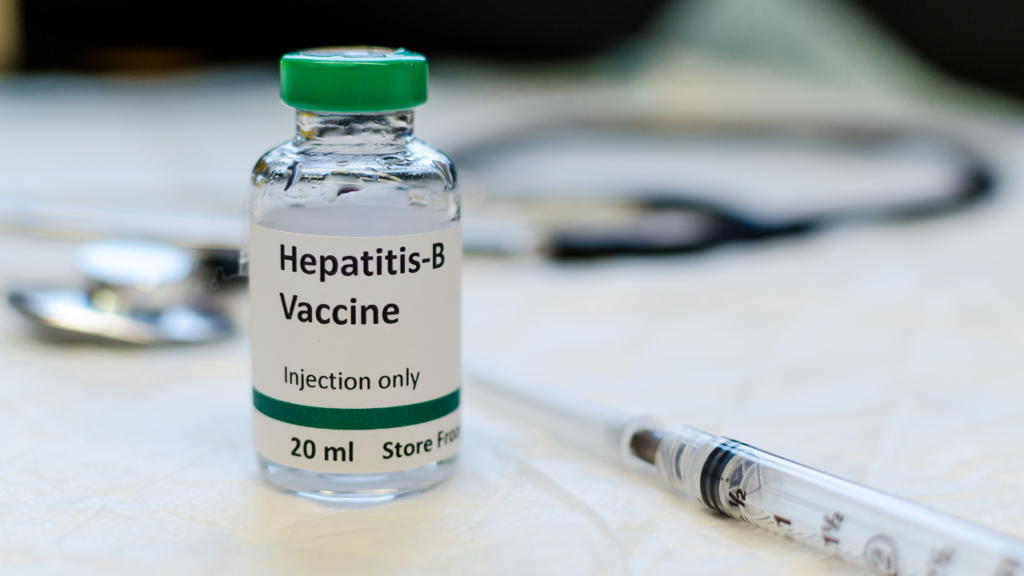
CDC Panel Set for High-Stakes Vote on Newborn Hepatitis B Vaccine as Experts Warn of Rising Risks Key Points : The CDC’s vaccine advisory committee convened Thursday for a pivotal two-day meeting to reassess major elements of the U.S. childhood immunization schedule, including a controversial proposal to delay the long-recommended hepatitis B vaccine birth dose. The shot, routinely given within 24 hours of birth since 1991, has driven a 99% decline in hepatitis B infections among infants. Medical organizations warn that revising the recommendation could reverse decades of progress. Hepatitis B is highly infectious, often symptomless in adults, and easily transmitted from mothers or caregivers to newborns. Infants infected early face a 90% likelihood of developing chronic, lifelong disease. Research from the Vaccine Integrity Project suggests limiting vaccination only to infants of mothers who test positive could increase newborn infections by up to 76%. The meeting marks the third session of a newly reconstructed ACIP panel appointed by Health and Human Services Secretary Robert F. Kennedy Jr., fueling concerns among public health experts about rising vaccine skepticism and declining childhood immunization rates. Beyond hepatitis B, the committee is also reviewing the broader vaccine schedule, the combined MMR shot, and long-standing use of aluminum adjuvants — moves that experts say could create new vulnerabilities amid ongoing measles and pertussis outbreaks. A vote on the hepatitis B recommendation is expected on Thursday afternoon. CDC Panel Considers Major Change to Hepatitis B Schedule: Detailed Overview A major shift to the nation’s childhood immunization standards could unfold this week as the CDC’s Advisory Committee on Immunization Practices (ACIP) meets for a tense two-day review of vaccine recommendations — including a highly controversial proposal to delay the hepatitis B birth dose, a core protection given to U.S. newborns since 1991. The vote, expected Thursday afternoon, comes at a moment when vaccine confidence is already strained, public health leaders warn. The committee — now entirely appointed by Health and Human Services Secretary Robert F. Kennedy Jr. — will debate whether the long-standing practice of vaccinating all newborns within 24 hours of birth should be replaced with a selective approach based only on maternal test results. Medical organizations say such a decision could reverse decades of progress. Why the Hepatitis B Birth Dose Matters Hepatitis B remains one of the most contagious and persistent viral infections in the world. The virus spreads through blood and bodily fluids, can survive on surfaces for days, and is frequently transmitted from mother to infant during birth — even when symptoms are absent. Babies infected at birth face a 90% chance of lifelong chronic hepatitis B Chronic infection dramatically raises the risk of cirrhosis, liver failure, and liver cancer The vaccine given within 24 hours of birth is up to 90% effective at blocking mother-to-child transmission Completing the three-dose series provides 98% immunity, according to the American Academy of Pediatrics (AAP) Despite universal prenatal screening, CDC data show 16% of pregnant women are never tested — leaving thousands of infants vulnerable. The birth-dose recommendation has served as a critical safeguard, ensuring that missed diagnoses or documentation errors do not lead to preventable infections. Thanks to the strategy, hepatitis B cases in infants and young children have fallen 99% since the early 1990s. Medical Leaders Sound the Alarm Pediatricians and infectious disease experts have been unusually vocal ahead of the meeting. Dr. Sean O’Leary of the AAP—long regarded as one of the nation’s leading vaccine experts—warned that weakening the recommendation would “put children directly at risk for a lifelong, incurable disease.” “The hepatitis B vaccine has one of the most established safety records of any vaccine,” O’Leary said. “This is the seatbelt analogy — you put it on before the accident, not after.” Sen. Bill Cassidy, a Louisiana Republican and physician, echoed that concern, noting that early vaccination has prevented “20,000 chronic hepatitis B cases” in the last 20 years. A Committee Under Scrutiny Since Secretary Kennedy replaced every ACIP member earlier this year, the panel has drawn sharp criticism from mainstream medical groups. September’s meeting was described as “chaotic” after members failed to complete a scheduled vote on the same issue. The newly appointed chair, Dr. Kirk Milhoan, is affiliated with groups that support COVID-19 treatments like ivermectin — contrary to FDA findings. The changes have led the AAP, the American Academy of Family Physicians, and a newly formed Vaccine Integrity Project to issue independent immunization guidance, a first in modern U.S. public health. Experts fear this week’s agenda signals the start of a broader effort to dismantle the traditional childhood vaccine schedule. What’s at Stake in the Vote The posted proposal suggests limiting the hepatitis B vaccine to: Infants born to mothers who test positive, and Individual decision-making for babies whose mothers test negative. Researchers say such a move would sharply increase infant infections.A new analysis from the Vaccine Integrity Project estimates newborn hepatitis B cases could rise to 76% under a selective strategy. Doctors warn that delaying vaccination even one month may be too late. Once a baby is infected early in life, the virus embeds in the liver and becomes almost impossible to eliminate. “If the mother or a caregiver is unknowingly infected, the window to prevent transmission closes fast,” said Dr. William Schaffner of Vanderbilt University. “By the time symptoms appear, the infection is already established.” Because the subsequent hepatitis B doses are included in combination vaccines, changing the birth-dose timing could also disrupt the broader vaccine schedule and lead to logistical complications for parents and providers. Larger Revisions to Childhood Vaccines Under Review Beyond hepatitis B, the committee is examining: • The timing of more than 30 childhood vaccines Experts worry that revisiting the schedule during active outbreaks of measles and pertussis could worsen declining vaccination rates. • Splitting the MMR vaccine into separate measles, mumps, and rubella shots Public health officials warn this would mean more appointments, more injections, and inevitably lower coverage, creating gaps in herd immunity. • Potential changes to vaccines containing

Newborn Hepatitis B Vaccine Faces Possible CDC Shift Read More »

Why December’s Cold Moon Will Shine Brighter Than Usual This Week

How to Watch December’s Cold Moon: The Final Supermoon of 2025

How to Watch December’s Cold Moon: The Last Supermoon of 2025   Key Points: ✅ December’s Cold Moon — the final supermoon of 2025 — will illuminate the night sky on Thursday, 4 December, offering skywatchers one last lunar spectacle before year’s end. The full Moon will rise in the northeastern sky around mid-afternoon, appearing brighter and larger than usual as it reaches perigee, the closest point in its orbit to Earth ✅ Moonrise will begin at 14:52 GMT in London, 14:29 in Edinburgh, 14:52 in Belfast, and 15:05 in Cardiff, with the Moon remaining visible until after 8 a.m. the following morning. As it rises, the bright lunar disk will form a celestial alignment with the Pleiades cluster, Aldebaran, Jupiter, and the winter constellation Orion. ✅ Cloud and rain may affect visibility early in the evening, but clearing skies across the UK are expected overnight, with mist and frost forming in some regions. ✅ Known traditionally as the Cold Moon, this full Moon marks the arrival of winter and the long nights preceding the solstice. The event also falls near anniversaries of NASA’s Apollo 8 and Apollo 17 missions and comes ahead of the upcoming Artemis II crewed lunar flyby in 2026.   Skywatchers Alert: December’s Cold Moon Will Be a Brilliant Supermoon   Skywatchers are in for a final celestial treat before the year ends. December’s Cold Moon — also the last supermoon of 2025 — will rise on Thursday, 4 December, offering one of the brightest and largest lunar displays of the year. This full Moon marks the third consecutive supermoon of 2025, a rare back-to-back lineup that won’t return until early 2026. Why This Month’s Full Moon Is a Supermoon A supermoon occurs when the Moon reaches perigee, the closest point in its orbit to Earth. When this moment aligns with the full Moon phase (known as syzygy, when the Sun, Earth, and Moon form a straight line), the lunar disk appears: Larger than usual Brighter in the night sky More visually striking near the horizon Although supermoons are not uncommon — typically 3 to 4 occur each year — having three in a row makes this celestial event particularly noteworthy. When and Where to See the Cold Moon The Cold Moon will rise on Thursday, 4 December, glowing in the northeastern sky. Moonrise Times: London: 14:52 GMT Edinburgh: 14:29 GMT Belfast: 14:52 GMT Cardiff: 15:05 GMT It will remain visible until between 08:00 and 09:00 the following morning, giving stargazers hours of darkness to enjoy the spectacle. What You’ll See in the Night Sky As the Cold Moon rises, it will create a beautiful alignment in the sky: A triangle with the Pleiades star cluster The bright star Aldebaran Jupiter shining nearby The iconic winter constellation Orion the Hunter This makes it an ideal night for both casual skywatchers and astrophotographers. Will the Skies Be Clear? A band of rain and cloud is expected to move eastward across parts of the UK on Thursday, affecting visibility into the early evening — especially in Scotland and eastern England. Later in the night, skies are expected to clear, though mist and fog may form due to colder temperatures. Frost is also likely in some locations. Checking your local forecast will help determine the best viewing window. Why December’s Full Moon Is Called the “Cold Moon” Full Moon names come from ancient seasonal traditions, long predating the Gregorian calendar. December’s Moon is known as the Cold Moon, marking winter’s arrival and the long nights ahead. Other traditional names for the December full Moon include: Long Night Moon Moon Before Yule Snow Moon (Cherokee Nation) Winter Maker Moon (Abenaki tribe) This Cold Moon occurs just weeks before the winter solstice on 21 December, the shortest day of the year in the Northern Hemisphere. A Supermoon with a Historic Connection December’s full Moon aligns closely with major anniversaries of NASA’s Apollo missions: Apollo 8 Launched 21 December 1968, it carried the first astronauts to orbit the Moon and delivered the iconic Christmas Eve broadcast from lunar orbit. Apollo 17 Launched on 7 December 1972, the last mission to land humans on the Moon. NASA scientist Noah Petro, project scientist for the Artemis III mission, says the Cold Moon is a reminder of past lunar exploration — and a preview of what comes next. Looking Ahead to Artemis The Cold Moon arrives just months before the expected launch of Artemis II, scheduled for February–April 2026. This mission will send four astronauts on a 10-day journey around the Moon — the first crewed lunar flyby in more than 50 years. Petro encourages skywatchers:“Go out and look at the Moon. Think about Apollo, and then imagine we’re only two full Moons away from sending humans back toward the lunar surface.” Watch the Cold Moon Online If Skies Are Cloudy Even if the weather blocks your view, you can still enjoy the supermoon through livestreams. 🌕 Virtual Telescope Project — Live from Italy Dec 4 at 3 p.m. EST (20:00 GMT)Astrophysicist Gianluca Masi will stream real-time telescopic views of the Cold Moon rising over Italy, along with a curated gallery of lunar photographs. 🌕 Griffith Observatory — Live from Los Angeles Dec 5 at 8:27 p.m. EST (01:27 GMT, Dec 6)This livestream captures the Moon rising over the eastern horizon from Mount Hollywood, offering one of the most iconic Moonrise views in the world. Why This Supermoon Is Extra Special December’s Cold Moon also rises during the final phase of a Major Lunar Standstill, a rare 18.6-year orbital cycle when the Moon’s path reaches extreme angles. This makes December’s supermoon: Rise farther north on the horizon Climb higher in the sky Appear more dramatically positioned than usual The result is one of the year’s most photogenic lunar events. How to Make the Most of the Cold Moon For the best experience, try: Viewing from an open area with a clear eastern horizon Using binoculars or a telescope for crater detail Taking photos during

How to Watch December’s Cold Moon: The Final Supermoon of 2025 Read More »

A Glass of Orange Juice Daily May Boost Heart Health

Daily Orange Juice Linked to Reduced Inflammation and Better Heart Health

Daily Orange Juice Linked to Reduced Inflammation and Better Heart Health, New 2025 Study Shows A new study in 2025 is reshaping how scientists view one of the world’s most common breakfast drinks. Researchers have found that drinking a daily glass of pure orange juice may significantly influence gene activity linked to blood pressure, inflammation, and metabolic health—suggesting the beverage has far greater physiological impact than previously understood. The findings, highlighted by Euronews Health and explained by Dr. David C. Gaze, Senior Lecturer in Chemical Pathology at the University of Westminster, indicate that orange juice may help reduce key risk factors associated with cardiovascular disease. Study Finds Changes in Thousands of Genes In the study, adults consumed 500 ml of pasteurised orange juice every day for two months. After 60 days, scientists observed reduced activity in thousands of genes within immune cells. Several of the genes that became less active—including NAMPT, IL6, IL1B, and NLRP3—are normally triggered during inflammation or physical stress. Another gene, SGK1, which plays a role in sodium retention and blood pressure regulation, also showed lower activity. Researchers say these subtle but meaningful shifts support earlier evidence that routine orange juice consumption may help lower blood pressure, reduce inflammation, and ease stress within the cardiovascular system. Hesperidin Identified as Key Anti-Inflammatory Component The study reinforces the importance of hesperidin, a natural citrus flavonoid found in oranges. Hesperidin has long been recognised for its antioxidant and anti-inflammatory benefits, but the new research shows it may also influence processes related to: Blood vessel relaxation Cholesterol balance Sugar metabolism According to Dr. Gaze, the research helps explain why several clinical trials have linked orange juice intake to modest improvements in heart health. Individual Responses Depend on Body Type Interestingly, the effects varied based on participants’ body weight. Overweight individuals exhibited larger changes in genes tied to fat metabolism. Lean participants showed greater improvements in inflammation-related gene activity. Researchers say this indicates orange juice may adaptively influence metabolism depending on an individual’s physiology. Broader Evidence Supports Heart-Health Benefits The new findings align with many earlier clinical studies: A review of 15 controlled trials involving 639 participants found that orange juice consumption lowered insulin resistance and LDL cholesterol. A separate analysis reported small reductions in systolic blood pressure and increases in HDL (“good”) cholesterol among overweight adults. Studies examining metabolites revealed that orange juice may influence energy pathways, cell signaling, and inflammatory markers. In trials involving blood orange juice, researchers observed improved gut bacteria that produce short-chain fatty acids, compounds associated with healthier blood pressure and reduced inflammation. Another study involving people with metabolic syndrome found that daily orange juice significantly improved endothelial function, an indicator of how well blood vessels relax and expand. Orange Juice in Everyday Life and Cultural Tradition Beyond the laboratory, orange juice remains a cultural staple in households worldwide. Family traditions—such as holiday gatherings where orange juice is a central beverage—reflect the drink’s long-standing role as a symbol of comfort, freshness, and energy. While the health conversation around fruit juice often focuses on sugar content, researchers emphasize that pure orange juice should be assessed differently from sugary soft drinks due to its unique nutrient composition and bioactive compounds. Saudi Arabia’s Fruit Juice Market Shows Rapid Growth The scientific interest in orange juice mirrors global market shifts. In Saudi Arabia, the fruit juice sector—including orange juice—is expanding rapidly. The market grew to USD 1.2 billion in 2024 and is projected to reach USD 1.8 billion by 2033, according to an IMARC Group report. Drivers of this growth include: Rising health awareness amid Vision 2030 reforms Increased demand for natural and nutritious beverages AI-powered production and supply chain optimization Investment in local agriculture and vertical farming Preference for organic, clean-label, and premium juice options Experts say the shift toward health-oriented consumer choices is accelerating innovation and sustainability initiatives within the region’s juice industry. A Functional Food With Measurable Impact Although whole oranges remain the best choice nutritionally due to their fibre content, scientists agree that moderate, daily consumption of pure orange juice can offer important health benefits that build over time. These include: Lower inflammation Improved blood flow Reduced LDL cholesterol Better insulin sensitivity Enhanced vascular function Researchers caution that effects are modest in the short term but may accumulate significantly over years, contributing to long-term cardiovascular protection. A Simple Daily Habit With Scientific Backing The growing body of evidence challenges the perception that fruit juice is merely a sugary beverage. Instead, orange juice appears to be a functional food—one that interacts with the body on a molecular level, influencing processes tied to heart health, metabolism, and inflammation. As Dr. Gaze notes, “The drink doesn’t only spike insulin rates—it also triggers changes that ease inflammation.” With ongoing research and rising consumer interest, orange juice continues to hold its place as a nutritional and cultural staple, now supported by a deeper scientific understanding of its benefits. references: https://theconversation.com/your-daily-orange-juice-could-be-helping-your-heart-270492 https://www.euronews.com/health/2025/12/02/orange-juice-found-to-affect-thousands-of-genes-in-immune-cells-study-says  

Daily Orange Juice Linked to Reduced Inflammation and Better Heart Health Read More »

Zepbound Price Drop A Lifeline for Patients Struggling to Afford Obesity Medications!

Zepbound Prices Cut—Now Patients Can Get the Weight Loss Drug for as Low as $299!

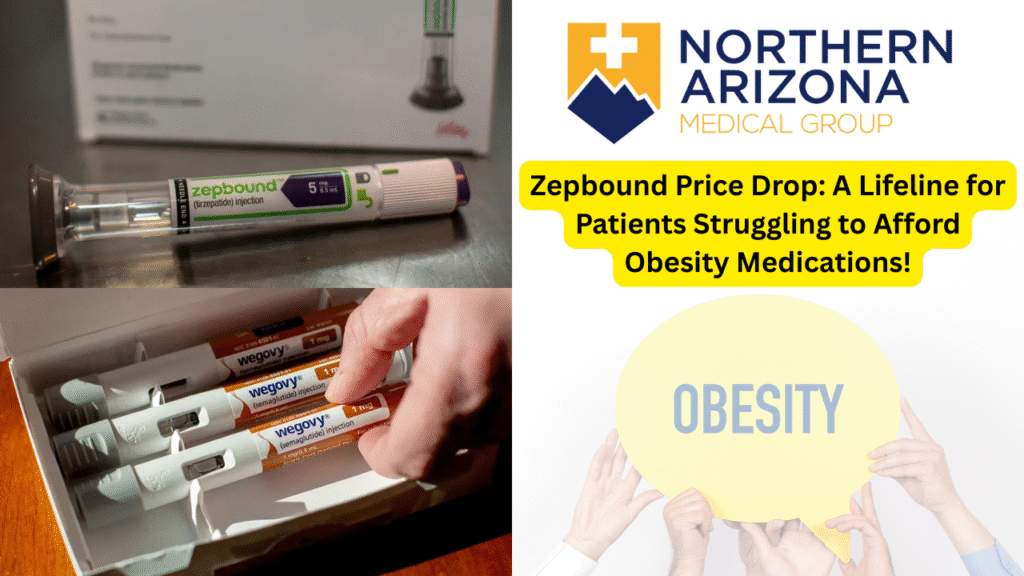
Key Points: Eli Lilly reduces Zepbound prices: Single-dose vials now cost $299–$449 per month on LillyDirect, down from $349–$499. Digital healthcare platform: LillyDirect enables cash-paying patients to access Zepbound at a reduced price. Targeted patients: Prices apply to patients with valid prescriptions who lack insurance or have limited coverage. Key price changes: The 2.5 mg dose is now $299, the 5 mg dose is at $399, and higher doses are at $449. Lilly’s price-cutting strategy: Builds on previous discounts for multi-dose pens, with plans for Medicare patients. Eli Lilly’s role in accessibility: Aimed at making treatments for obesity more accessible despite high costs and limited insurance coverage. Rival competition: Novo Nordisk also announced similar price reductions for its weight loss drugs, Wegovy and Ozempic.     Eli Lilly Cuts Zepbound Prices for Increased Access: A Step Toward Affordable Obesity Treatment   Introduction   Eli Lilly is making significant strides to reduce the financial burden of weight loss treatments by cutting the prices of Zepbound (tirzepatide) for self-paying patients. The new pricing, available through LillyDirect, their digital healthcare platform, aims to increase accessibility for individuals dealing with obesity or overweight-related health issues. Price Reductions Announced   On December 1, 2025, Eli Lilly announced a price reduction for single-dose vials of Zepbound, making the drug more affordable for many Americans. The 2.5 mg dose is now priced at $299 per month, a decrease from $349. The 5 mg dose will cost $399 per month, down from $499, while all other approved doses (7.5 mg, 10 mg, 12.5 mg, and 15 mg) will be available for $449 per month, a reduction from the previous price of $499 per month. For cash-paying patients with a valid prescription, these prices offer a more affordable alternative to the standard list prices, which can range from $599 to $1,049 per month depending on the dosage. This Zepbound Self Pay Journey Program offers a digital solution for those who face financial or insurance challenges. LillyDirect: Expanding Access to Obesity Care   The LillyDirect platform, launched in early 2024, is central to this initiative. It allows patients without insurance or those with inadequate coverage to access medications directly from Eli Lilly. Through this platform, Eli Lilly is striving to lower out-of-pocket costs and eliminate barriers to weight loss treatments, a common issue many face due to the high costs and limited insurance coverage for obesity drugs. This price drop also follows a broader trend in the healthcare industry, with other pharmaceutical giants like Novo Nordisk announcing similar initiatives to make their weight-loss drugs more accessible to the public. This move is part of an effort to reduce the financial barriers that have historically made it difficult for patients to access these critical medications. Zepbound’s Role in Obesity Treatment   Zepbound is an injectable prescription medicine designed for adults with obesity or overweight who also have weight-related medical problems. It is particularly effective in assisting patients with long-term weight management. Additionally, Zepbound may help improve conditions like obstructive sleep apnea (OSA) in individuals struggling with obesity. The drug is administered through a subcutaneous injection once a week, and it has gained significant popularity among patients who need assistance with weight loss. However, its high retail price has been a barrier for many, making Lilly’s pricing move even more impactful. What This Means for Patients   For patients already on the Zepbound Self Pay Journey Program, the price reduction will make it easier to stay on their treatment plan. This change allows patients to continue using the medication with fewer financial concerns. The company’s commitment to making treatment options more accessible is a major step forward in the ongoing fight against obesity and related health problems. Moreover, Eli Lilly has indicated that it will continue expanding its delivery device options and pathways for access, ensuring patients have the flexibility they need in managing their treatment. This includes the possibility of Medicare coverage starting in 2026, which will provide further relief for senior patients. Eli Lilly’s Competitive Edge   In the growing market for weight-loss drugs, Eli Lilly is now competing head-to-head with Novo Nordisk, which offers Wegovy and Ozempic. Both companies have introduced direct-to-consumer platforms that help reduce the barriers new patients face when trying to access these medications. While Novo Nordisk launched NovoCare Pharmacy in March 2025, Eli Lilly’s LillyDirect offers a similar benefit with a focus on making drugs like Zepbound more affordable. This shift toward direct-to-consumer access could significantly change the way medications are distributed, particularly for individuals who struggle with insurance issues or are uninsured. These platforms may also contribute to greater competition between the two pharmaceutical giants, driving further price reductions and making treatments for obesity and related diseases more accessible to all. The Bigger Picture: Transforming Healthcare Access   As both Eli Lilly and Novo Nordisk continue to cut prices for their weight loss drugs, they are not only providing more accessible treatments for patients but are also setting a precedent for the future of healthcare. With Medicare coverage becoming available for obesity treatments and new deals aimed at reducing costs, these efforts highlight the potential for greater accessibility to life-changing treatments. Eli Lilly’s price-cutting measures, paired with innovative platforms like LillyDirect, show the company’s commitment to transforming healthcare for patients, particularly those dealing with the challenges of obesity and its associated health problems. Conclusion   Eli Lilly’s recent price reduction for Zepbound exemplifies the company’s efforts to increase accessibility to vital obesity treatments. By lowering costs and expanding the reach of its digital platform, Lilly is working to reduce financial barriers for patients, ultimately making it easier for individuals to manage their weight and improve their health. As the market continues to evolve, Lilly’s pricing strategies may inspire other companies to follow suit, leading to more affordable options for those in need. References: https://www.foxbusiness.com/lifestyle/eli-lilly-cuts-zepbound-price-widen-access-obesity-drug https://www.cnbc.com/2025/12/01/eli-lilly-prices-zepbound-weight-loss-drug-vials.html https://investor.lilly.com/news-releases/news-release-details/lilly-lowers-price-zepboundr-tirzepatide-single-dose-vials  

Zepbound Prices Cut—Now Patients Can Get the Weight Loss Drug for as Low as $299! Read More »

What type of doctor is best for primary care?

What type of doctor is best for primary care? The best doctor for primary care depends on your age, health needs, and preferences, but most adults choose either a family medicine doctor or an internal medicine doctor for ongoing care.​ Major Types of Primary Care Doctors Family Medicine Doctors: Provide comprehensive care to patients of all ages, from infants to seniors, and often treat every member of a family. They are a strong choice if you want one doctor for everyone in your household or value long-term relationships and continuity of care.​ Internal Medicine Doctors (Internists): Specialize in adult medicine, focusing on the prevention, diagnosis, and treatment of diseases in adults. They are recommended for adults seeking detailed management of complex or ongoing health conditions.​ Pediatricians: Specialize in children’s health, from birth through adolescence. Choose a pediatrician for primary care if the patient is a child or adolescent.​ OB-GYNs: Can serve as primary care providers for women, especially for reproductive and preventative health.​ Geriatricians: Focus on care for older adults, typically age 65 and up, and are an option for seniors with specialized needs.​ Choosing Between Family Medicine and Internal Medicine Doctor Type Ages Treated Preventive Care Focus Best For Family Medicine All ages Yes Broad, whole family Families/all ages Internal Medicine Adults only Yes Adult diseases, complex Adults, chronic issues Pediatrics Children/adolescents Yes Childhood issues Kids/teens Geriatrics Older adults Yes Senior health Seniors OB-GYN Women Yes Women’s health Adult women Provider Types Beyond MDs Osteopathic Doctors (DOs): Similar to MDs but with extra training in holistic and musculoskeletal care.​ Nurse Practitioners (NPs) and Physician Assistants (PAs): Often work in primary care settings, provide similar services, and can be a cost-effective, accessible option for routine care.​ Recommendation For most adults or anyone seeking care for all family members, a family medicine doctor is generally the best choice because of their versatility and continuity of care. For adults with complex medical histories or chronic conditions, an internist may be preferable. Children should see pediatricians, and seniors might consider geriatricians. Women sometimes opt for an OB-GYN as their primary care provider. Choosing the right primary care doctor depends mostly on your age, health needs, and desire for whole-family continuity or adult-focused expertise. Ready for Better Health? Find Your Perfect PCP Right Here in Kingman. Choosing a primary care physician is the most important decision you’ll make for your long-term health. At Northern Arizona Medical Group (NAMG) in Kingman, we make that choice easy by offering compassionate, patient-centered care right in your neighborhood. Our skilled doctors, FNPs, PAs, and NPs specialize in comprehensive Family Medicine and Internal Medicine, ensuring you and your entire family receive tailored care—from preventive annual exams to expert management of complex or chronic conditions. We accept most major insurance plans and prioritize convenient access, offering same-day appointments and on-site lab services. Stop searching and start trusting your health to the local experts who treat you like family. Call 928-757-8440 or click below to schedule your new patient appointment today! Schedule an appointment Latest Blogs

What type of doctor is best for primary care? Read More »

When to get flu shot

Best time to get a flu shot in 2025 Recent data shows that in high-severity years, like 2024–2025, the U.S. experienced 43 million infections, 560,000 hospitalizations, and 38,000 deaths due to flu, emphasizing the importance of vaccination. The best time to get a flu shot for the 2025 season is in September or October. This timing balances getting vaccinated early enough to build protection before flu season starts, which typically begins in October and peaks between December and February, while avoiding getting the shot too early so that immunity doesn’t wane before the season ends. It takes about two weeks after vaccination for your body to develop full protection, so getting vaccinated by the end of October is ideal for optimal coverage throughout the flu season. Even if you miss this window, you can still get vaccinated later in the season as long as flu viruses are circulating and vaccines are available, though earlier vaccination generally provides better protection.  This guidance applies broadly, including for older adults and those with chronic health conditions, with most flu vaccines for 2025 being preservative-free or with reduced preservatives. How long does flu vaccine protection last in 2025 The protection from the flu vaccine in 2025 generally begins about two weeks after vaccination and typically wanes within 6 to 12 months. Research indicates that vaccine effectiveness starts to decline around 41 days post-vaccination, reducing approximately 9% every 28 days in adults, which is why annual vaccination is recommended. Immunity wanes partly because antibody levels decrease over time, and circulating flu virus strains may drift from the vaccine strains.  For older adults, vaccine protection tends to wane faster, and higher-dose or adjuvanted vaccines are recommended to boost immune response. Despite waning immunity, the flu vaccine reduces severity, hospitalization, and death risk even if flu is contracted after vaccination. The need for yearly vaccination is due both to waning immunity and the annual update of flu strains in vaccines. When do 2025 flu shots come out? The 2025 flu shots generally became available starting around late summer to early fall of 2025. For example, flu vaccine shipments for the 2025-2026 season were reported to start arriving at healthcare providers and pharmacies as early as September 2025.  Vaccine manufacturers projected sufficient doses to cover demand for the season, with most vaccines being preservative-free or reduced preservative formulations. Health authorities recommend getting vaccinated in September or October to ensure protection during peak flu season, but vaccines are still beneficial when administered later if flu viruses continue circulating. Availability timing may vary by region and provider, but the general rollout aligns with preparations for the fall and winter flu season. Can the flu shot make you tired ? Yes, the flu shot can make you feel tired. Fatigue is a mild and temporary side effect experienced by some people after getting the flu vaccine. It occurs because the immune system is activated to produce antibodies against the flu virus, which may cause mild symptoms like tiredness, low-grade fever, muscle aches, and headache.  This tiredness usually lasts only a day or two and is a sign that the vaccine is working. Most people feel back to normal within 24 to 48 hours. To help manage any fatigue or side effects, it is advisable to stay well-hydrated, rest, and use over-the-counter pain relievers if needed. If tiredness persists for more than a couple of days, consulting a healthcare provider is recommended. Can you get the flu back-to-back? Yes, it is possible to get the flu back-to-back or twice in one flu season. This occurs because there are multiple strains of the flu virus, primarily Influenza A and Influenza B, and each includes different subtypes or lineages.  After you recover from one strain, your immune system has protection against that specific strain, but not necessarily against others. So, you can get sick again later in the same season if exposed to a different strain.  Virus mutations or a weakened immune system can also increase this likelihood. Therefore, even if you have had the flu once, vaccination is recommended to help protect against other circulating strains during the season. Get Your Flu Shot in Kingman, AZ — Protect Yourself and Your Family This Flu Season! Flu season doesn’t have to slow you down. Northern Arizona Medical Group offers quick, safe, and effective flu shots in Kingman, AZ for adults and children 6 months and older. Whether you’re protecting yourself or your whole family, our experienced healthcare team makes getting your influenza vaccine near you simple and stress-free. Stay healthy, prevent the spread, and keep your loved ones protected all season long. ❤️ Schedule Your Flu Shot Appointment in Kingman, AZ Today Book an appointment Latest Blogs

When to get flu shot Read More »

What Is Diabetes Insipidus

What Is Diabetes Insipidus? Understanding the Condition and Its Causes Diabetes insipidus (DI) is a rare hormonal disorder that causes excessive thirst and frequent urination. Unlike diabetes mellitus (type 1 or type 2 diabetes), which involves high blood sugar, diabetes insipidus is a problem of water balance, not glucose. In a healthy person, the body typically produces about 1 to 2 quarts of urine per day. However, someone with diabetes insipidus can produce anywhere between 3 and 20 quarts daily, leading to dehydration and constant thirst. There are three main forms of the condition — central, nephrogenic, and gestational diabetes insipidus — each caused by different factors. Types of Diabetes Insipidus Understanding the type of diabetes insipidus you have is essential for proper diagnosis and treatment. Here are the main types: 1. Central Diabetes Insipidus (CDI) Central diabetes insipidus occurs when the hypothalamus or pituitary gland is damaged, affecting the production or release of vasopressin (also called antidiuretic hormone or ADH). Vasopressin helps the kidneys retain water by concentrating urine. When your body doesn’t produce enough of it, the kidneys remove too much fluid, leading to excessive urination. Common causes include: Brain tumor or head injury Aneurysm (bulging artery) Infections or inflammation Langerhans cell histiocytosis Complications after brain surgery 2. Nephrogenic Diabetes Insipidus (NDI) In nephrogenic diabetes insipidus, the kidneys do not respond to vasopressin, even though it’s being produced normally. As a result, too much water is released into the urine. Possible causes include: Chronic kidney disease Blocked urinary tract High calcium or low potassium levels in the blood Certain medications, especially lithium Genetic mutations affecting kidney function 3. Gestational Diabetes Insipidus This rare, pregnancy-related form occurs when the placenta produces an enzyme that breaks down vasopressin or when the body becomes less sensitive to it due to hormonal changes. Key points: Usually develops during the second or third trimester Often mild and resolves after childbirth Can recur in future pregnancies Symptoms of Diabetes Insipidus Symptoms of diabetes insipidus often resemble those of dehydration or uncontrolled diabetes mellitus but are caused by a loss of water, not sugar. Common symptoms include: Intense and persistent thirst Frequent urination (over 3 liters per day) Pale, diluted urine Bed-wetting or nighttime urination Fatigue and weakness Muscle cramps Crankiness or irritability Preference for cold water If dehydration sets in, symptoms can worsen and include: Dry mouth and lips Dizziness or confusion Nausea or fainting Extreme tiredness Weight loss (especially in children or infants) Diabetes Insipidus in Infants and Children Diabetes insipidus can affect children differently. Since they can’t always express thirst, early recognition is crucial. In infants, signs include: Poor feeding Vomiting or fever Slow growth or weight loss Irritability In older children, symptoms may include: Frequent urination or bed-wetting Constant thirst (especially for cold water) Fatigue and dehydration Causes of Diabetes Insipidus The hormone vasopressin (ADH), produced in the hypothalamus and stored in the pituitary gland, controls how much water your kidneys save or release. When your body doesn’t make enough vasopressin, it leads to central diabetes insipidus.When your kidneys don’t respond to vasopressin, it causes nephrogenic diabetes insipidus. In both cases, the kidneys can’t retain water properly, resulting in excessive urination and dehydration. Contributing factors may include: Brain injury or surgery Genetic mutations Chronic kidney conditions Hormonal changes during pregnancy Certain medications or electrolyte imbalances Risk Factors You may be more likely to develop diabetes insipidus if you have: Family history of diabetes insipidus (genetic form affects 1–2% of cases) High calcium or low potassium levels in the blood Chronic kidney problems Head trauma or brain surgery Certain medications, such as lithium or diuretics Diagnosis of Diabetes Insipidus A healthcare provider will evaluate your symptoms, medical history, and conduct a few tests to confirm the diagnosis. Common diagnostic tests include: Urinalysis:Determines whether your urine is diluted or concentrated and checks for glucose to rule out diabetes mellitus. Blood Tests:Measures electrolytes, glucose, and vasopressin levels to identify which type of diabetes insipidus you may have. Water Deprivation Test:Evaluates your body’s ability to conserve water. You’ll be monitored while fluids are withheld, and vasopressin may be administered for further testing. MRI Scan:Detects any abnormalities in your pituitary gland or hypothalamus. Genetic Screening:Helps diagnose inherited forms of the disease, especially in children. Diabetes Insipidus vs. Other Conditions 1. Diabetes Insipidus vs. SIADH Diabetes Insipidus (DI): Causes excessive water loss and frequent urination. SIADH (Syndrome of Inappropriate Antidiuretic Hormone): Causes the body to retain too much water, leading to low sodium levels (hyponatremia). 2. Diabetes Insipidus vs. Diabetes Mellitus Despite the similar names, they are completely different conditions: Diabetes Insipidus: A water balance disorder caused by issues with vasopressin (ADH). Diabetes Mellitus: A blood sugar disorder caused by problems with insulin production or response. Complications of Diabetes Insipidus Without treatment, diabetes insipidus can lead to: Severe dehydration Electrolyte imbalance (causing fatigue, irritability, and muscle pain) Sleep disturbances from frequent nighttime urination Weight loss or poor growth in children Diabetes Insipidus During Pregnancy Gestational diabetes insipidus typically develops in the second or third trimester. Symptoms can mimic normal pregnancy changes but may become more severe over time. Potential signs include: Extreme thirst and urination Fatigue and nausea Weight loss Most cases resolve after delivery, but monitoring and treatment are essential for maternal and fetal health. Treatment for Diabetes Insipidus Treatment depends on the underlying cause and type of diabetes insipidus. For Central Diabetes Insipidus: Medication: Desmopressin (DDAVP) — a synthetic form of vasopressin — helps control urine output and prevent dehydration. Forms available: Nasal spray, oral tablet, or injection. For Nephrogenic Diabetes Insipidus: Stop or adjust medications (like lithium) if they are the cause. Medications: Indomethacin, amiloride, or hydrochlorothiazide — these can help reduce urine output. Treat underlying conditions such as kidney disease or electrolyte imbalances. For Gestational Diabetes Insipidus: Desmopressin is safe to use during pregnancy and helps restore water balance. The condition typically resolves after childbirth. Can Diabetes Insipidus Be Cured? There’s no permanent cure, but most cases are effectively managed with medication

What Is Diabetes Insipidus Read More »