
admin

What's next after the FDA decision_

FDA Limits Leucovorin Approval to Rare Folate Deficiency Disorder

FDA Clears Leucovorin for an Ultra-Rare Disorder — Not for Autism What You Need to Know at a Glance The FDA has approved leucovorin for a very rare genetic condition, not for autism. The newly approved use is for cerebral folate deficiency linked to a FOLR1 gene variant, an ultra-rare disorder affecting fewer than 1 in 1 million people. Earlier comments from Trump administration officials had created the impression that the drug could help large numbers of autistic children. FDA officials now say the evidence is not strong enough to approve leucovorin as an autism treatment. One of the biggest studies often cited in support of leucovorin for autism was recently retracted after problems were found in the reported data. After the White House publicly promoted the drug last year, prescriptions surged, making it harder for some families to get the medication. Some parents say they have already started treatment and believe it is helping their children, but medical experts say the science remains uncertain and limited. FDA Approves Leucovorin for a Rare Brain Folate Disorder, Not Autism The US Food and Drug Administration has approved leucovorin for a highly unusual genetic disorder that affects how folate reaches the brain. But the agency stopped far short of approving the drug for autism, despite earlier public statements that had raised expectations among many families. The newly cleared use applies only to people with cerebral folate deficiency caused by a confirmed FOLR1 gene variant. This condition is extremely rare. Health officials say it affects fewer than one in a million people, and only a small number of cases have been described worldwide. That makes the decision important for a tiny patient group. At the same time, it also marks a clear pullback from earlier messaging that suggested leucovorin might soon become a broader treatment option for children with autism. Why This Decision Matters Leucovorin is not a new medicine. It has been used for years in other medical settings, including reducing side effects from certain chemotherapy drugs. What changed this week is its label. The FDA has now recognized the drug as a treatment for a rare disorder in which folate, a form of vitamin B essential for brain development and nervous system function, does not properly reach the brain. In these patients, folate levels in the blood may appear normal, but the brain is still not getting what it needs. That can lead to serious neurological problems, including developmental delay, seizures, movement issues, and symptoms that may resemble autism. This is where confusion began. Because some signs overlap, public statements last year created the impression that leucovorin might be on track to become an FDA-backed treatment for autism itself. The new decision makes clear that this is not what the evidence currently supports. What Officials Said Before — and What the FDA Says Now Last September, senior Trump administration officials publicly highlighted leucovorin as a promising therapy that could potentially help many autistic children. At the time, FDA Commissioner Dr. Marty Makary and Health and Human Services Secretary Robert F. Kennedy Jr. pointed to research suggesting that some autistic children may have biological problems involving folate transport to the brain. The theory is that certain antibodies may block folate from crossing into the brain in some patients. Based on that idea, officials suggested the drug could benefit a much broader group than those with the ultra-rare genetic condition. But FDA officials now say their formal review did not support that broader conclusion. According to agency officials, the strongest available data only justified approval for the rare genetic form of cerebral folate deficiency tied to the FOLR1 mutation. They said there is currently not enough evidence to establish that leucovorin works for autism more broadly. In other words, the FDA’s final position is much narrower than the public impression created last fall. Why the Autism Approval Did Not Happen The main reason is evidence. FDA officials said the science supporting leucovorin for autism is still too limited. Some smaller studies have suggested that it may help communication or behavior in certain children, especially those with signs of folate-related metabolic differences. But those studies have not been enough to support a formal approval for autism. The issue became even more complicated when the largest randomized, double-blind, placebo-controlled study often cited in favor of leucovorin for autism was retracted after errors were found in the reported data. That matters because randomized controlled trials are usually considered the strongest standard for showing whether a drug truly works. Without reliable, high-quality evidence, the FDA could not justify expanding the label to include autism. Professional medical groups have also taken a cautious position. The available evidence, they say, may point to possible benefit in selected cases, but it is far from strong enough for routine use in autistic children. What Is Cerebral Folate Deficiency in FOLR1? Cerebral folate deficiency linked to the FOLR1 gene is an ultra-rare neurological disorder. The gene defect interferes with proteins responsible for moving folate into the brain. Folate is critical for brain growth, nerve function, and development. When the brain cannot get enough of it, patients may develop serious problems such as: Common features may include: Seizures Developmental delay Problems with movement or coordination Speech difficulties Neurological symptoms that can resemble autistic features Doctors and researchers say this condition is not the same thing as autism, even though there can be overlap in symptoms. Experts familiar with the disorder have said there is no direct overlap between the rare genetic disease itself and autism as a broader diagnosis. That distinction is one of the key reasons the FDA limited the approval. Why the Approval Was Unusual Another notable part of this decision is how the FDA reached it. Normally, drug approvals rely on large clinical trials that compare a medicine against a placebo or another treatment. In this case, the agency said that the approach was difficult because the disorder is so rare and because reported patient responses to the drug

FDA Limits Leucovorin Approval to Rare Folate Deficiency Disorder Read More »
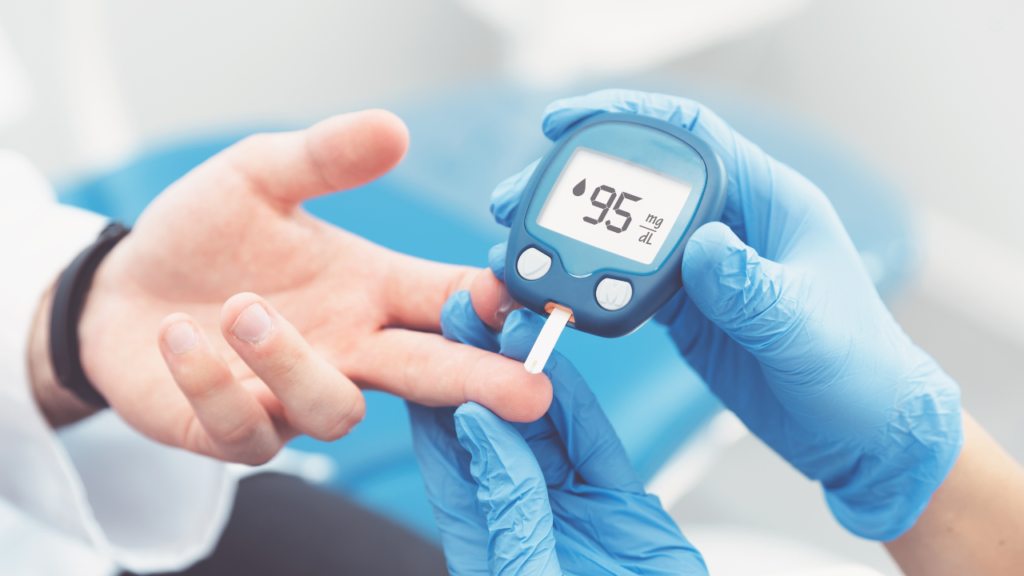
Can you know you have diabetes just by how you feel No. Symptoms can suggest diabetes, but only blood sugar testing can confirm it.

How to Know If You Have Diabetes: Early Symptoms, Tests & Warning Signs

How Do You Know If You Have Diabetes? You usually know you might have diabetes if you notice common warning signs such as frequent urination, unusual thirst, increased hunger, unexplained weight loss, fatigue, blurry vision, slow-healing sores, or frequent infections. The only way to know for sure is with a medical blood test, such as an A1C, fasting plasma glucose, oral glucose tolerance test, or random plasma glucose test when symptoms are present. This question matters because diabetes can be easy to miss. CDC says 40.1 million people in the United States have diabetes, and more than 1 in 4 adults with diabetes do not know they have it. The tricky part is that diabetes does not always feel dramatic at first. Type 2 diabetes can develop slowly over years and sometimes causes no obvious symptoms, while type 1 diabetes often appears faster and can become dangerous quickly. What are the most common signs and symptoms of diabetes? The most common signs of diabetes are changes caused by high blood sugar, and they often show up as thirst, frequent urination, hunger, tiredness, blurred vision, infections, and sometimes weight loss. These are the symptoms most people should know first. Common warning signs include the following. Frequent urination Feeling very thirsty Feeling hungrier than usual Unexplained weight loss Fatigue or low energy Blurry vision Frequent urinary tract infections or yeast infections Slow-healing sores Skin or other frequent infections These symptoms happen because glucose builds up in the blood instead of being used properly by the body. In type 2 diabetes, this is often linked to insulin resistance, which means the body does not respond to insulin normally. How are type 1 and type 2 diabetes symptoms different? Type 1 diabetes usually appears faster, while type 2 diabetes often develops more slowly and can go unnoticed for a long time. That difference in speed is one of the most useful clues. Type 1 diabetes symptoms may appear over days to weeks and can be severe. NIDDK says many people do not realize they have type 1 diabetes until symptoms start, and some people first present with diabetic ketoacidosis, or DKA. Type 2 diabetes symptoms often develop over several years. Many people with type 2 diabetes have no symptoms at all, or the symptoms are so mild that they are easy to miss. Can you have diabetes without noticing symptoms? Yes, you can have diabetes without noticing symptoms, especially type 2 diabetes and prediabetes. That is one reason diabetes is often found during routine testing rather than because a person feels obviously ill. CDC says type 2 diabetes symptoms can develop over several years and may not be noticeable at all. NIDDK also notes that many people with type 2 diabetes have no symptoms or only very mild symptoms. Prediabetes can also be silent. CDC reports that 115.2 million American adults have prediabetes, and 8 in 10 do not know it. That means the absence of symptoms does not rule out a blood sugar problem. If you have risk factors, testing matters even if you feel normal. What tests are used to diagnose diabetes? Doctors diagnose diabetes with blood tests, not by symptoms alone. The main tests are the A1C test, fasting plasma glucose test, oral glucose tolerance test, and random plasma glucose test when symptoms are present. Here is what each test does. A1C test: Shows average blood glucose over about the last 3 months. Fasting plasma glucose (FPG): Measures blood sugar after at least 8 hours of fasting. Oral glucose tolerance test (OGTT): Measures how your body handles glucose before and after a sugary drink. Random plasma glucose: Can help diagnose diabetes right away if classic symptoms are present. During pregnancy, doctors may first use a glucose challenge test, then an oral glucose tolerance test if the screening result is high. CDC says gestational diabetes screening usually happens between 24 and 28 weeks of pregnancy. A diagnosis usually needs confirmation. The American Diabetes Association says diabetes tests often need to be repeated on a second day, unless blood sugar is very high or a person has classic symptoms plus one positive test. There are also special situations. NIDDK notes that A1C may be less reliable in some people, including those in later pregnancy or those with certain blood conditions or hemoglobin variants. What blood sugar levels mean diabetes or prediabetes? Standard diagnostic cutoffs help doctors separate normal blood sugar, prediabetes, and diabetes. These are the most commonly used thresholds from NIDDK, citing ADA criteria. Test Normal Prediabetes Diabetes A1C Below 5.7% 5.7% to 6.4% 6.5% or above Fasting plasma glucose 99 mg/dL or below 100 to 125 mg/dL 126 mg/dL or above 2-hour oral glucose tolerance test 139 mg/dL or below 140 to 199 mg/dL 200 mg/dL or above Random plasma glucose — — 200 mg/dL or above with symptoms These numbers matter because they show that diabetes is not diagnosed by “feeling bad” alone. A person can feel unwell and still need formal testing, or feel normal and still meet lab criteria for diabetes or prediabetes. Who should get tested for diabetes? People should ask about diabetes testing if they have symptoms, are older, or have risk factors such as being overweight, having a family history, prediabetes, past gestational diabetes, or low physical activity. Screening matters because diabetes and prediabetes are often silent. NIDDK says adults are more likely to develop type 2 diabetes if they are overweight or have obesity, are age 35 or older, have a family history of diabetes, have prediabetes, have had gestational diabetes, or are not physically active. NIDDK also lists higher risk in several racial and ethnic groups, including African American, American Indian, Asian American, Hispanic/Latino, and Pacific Islander populations. CDC adds a practical screening message for A1C testing: get an A1C test if you are over age 45, or if you are younger but have overweight plus another risk factor for prediabetes or type 2 diabetes. For children, NIDDK says health professionals begin testing

How to Know If You Have Diabetes: Early Symptoms, Tests & Warning Signs Read More »

Understanding diabetes mellitus explained visually

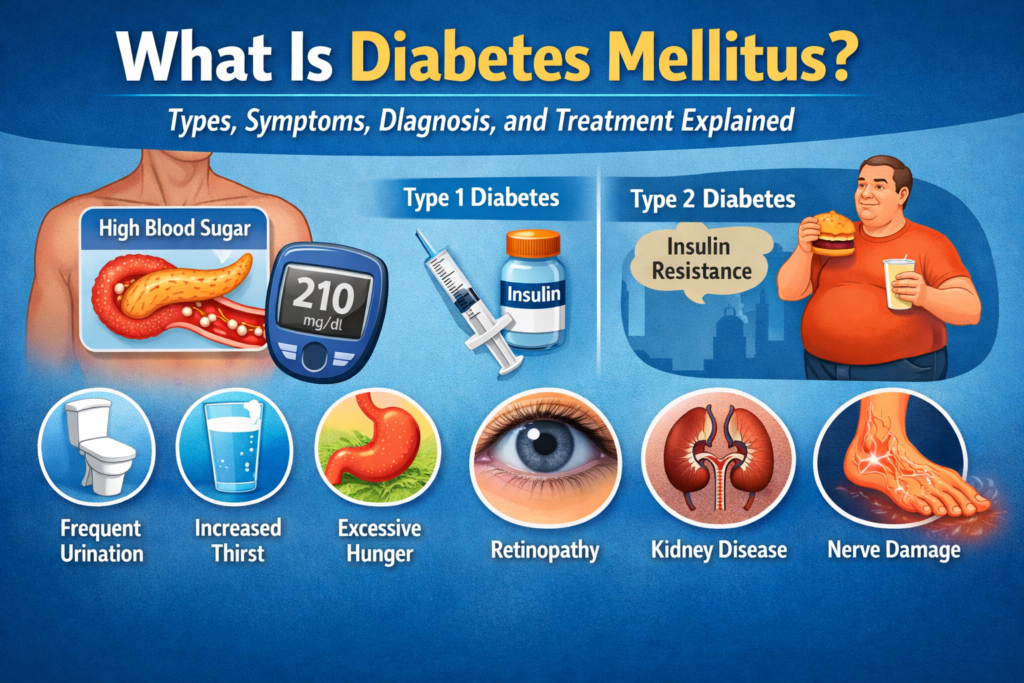
What Is Diabetes Mellitus? Types, Symptoms, Diagnosis & Treatment

What Is Diabetes Mellitus? A Complete Guide to Types, Symptoms, Diagnosis, and Treatment Diabetes mellitus is one of the most common chronic health conditions in the world, affecting hundreds of millions of people. Despite being widespread, many people still misunderstand what diabetes actually is, how it develops, and how it can be managed effectively. In simple terms, diabetes occurs when the body cannot properly regulate blood sugar (glucose) due to problems with insulin production or insulin function. Understanding diabetes is crucial because early detection and proper management can prevent serious complications such as heart disease, kidney failure, nerve damage, and vision loss. This comprehensive guide explains everything you need to know about diabetes, including types, symptoms, causes, diagnosis, complications, and treatment options. What Is Diabetes Mellitus and How Does It Affect the Body? Diabetes mellitus is a chronic metabolic disorder characterized by elevated blood glucose levels (hyperglycemia). The condition occurs when: The pancreas does not produce enough insulin, or The body cannot effectively use the insulin it produces. Insulin is a hormone produced by the beta cells of the pancreas. Its main function is to help glucose move from the bloodstream into cells, where it can be used for energy. When insulin function is impaired: Glucose builds up in the blood. Cells cannot access energy properly. Long-term damage occurs to blood vessels and organs. Over time, high blood sugar can damage the: Heart Kidneys Eyes Nerves Brain Blood vessels How Common Is Diabetes Worldwide? Diabetes has reached epidemic levels globally. According to the International Diabetes Federation (IDF) Diabetes Atlas: 537 million adults worldwide had diabetes in 2021. By 2030, this number is expected to reach 643 million. By 2045, the number could exceed 783 million people. Key Global Statistics Nearly 1 in 10 adults worldwide has diabetes. About 240 million people remain undiagnosed. Diabetes causes 6.7 million deaths annually. Research published in The Lancet Diabetes & Endocrinology indicates that over 90% of cases are type 2 diabetes, largely driven by rising obesity and sedentary lifestyles. What Are the Main Types of Diabetes? Diabetes is not a single disease but rather a group of metabolic disorders with different causes and treatments. The major types include: Type 1 diabetes Type 2 diabetes Gestational diabetes Other specific types of diabetes Each type has unique characteristics and risk factors. What Is Type 1 Diabetes? Type 1 diabetes is an autoimmune disease in which the body’s immune system mistakenly attacks and destroys insulin-producing beta cells in the pancreas. Because these cells are destroyed, the body cannot produce sufficient insulin. Key Characteristics of Type 1 Diabetes Usually develops in children, teenagers, or young adults Requires lifelong insulin therapy Accounts for 5–10% of all diabetes cases Research Insights Studies show that genetic predisposition combined with environmental triggers, such as viral infections, may contribute to the autoimmune process. Without insulin treatment, type 1 diabetes can quickly lead to life-threatening complications like diabetic ketoacidosis (DKA). What Is Type 2 Diabetes? Type 2 diabetes is the most common form of diabetes and develops when the body becomes resistant to insulin. Over time, the pancreas cannot produce enough insulin to maintain normal blood glucose levels. Major Risk Factors for Type 2 Diabetes Several lifestyle and genetic factors increase risk, including: Excess body weight or obesity Physical inactivity Unhealthy diet Family history of diabetes Aging High blood pressure Polycystic ovary syndrome (PCOS) Data and Research Findings Research from the Centers for Disease Control and Prevention (CDC) indicates: 90–95% of diabetes cases are type 2. Adults with obesity have up to 7 times higher risk of developing diabetes. Losing 5–7% of body weight can significantly reduce the risk. Unlike type 1 diabetes, type 2 diabetes usually develops gradually over several years, often without obvious symptoms. What Is Gestational Diabetes? Gestational diabetes is a form of diabetes that first appears during pregnancy. It occurs when pregnancy hormones interfere with insulin action, causing elevated blood glucose levels. Important Statistics Affects 7–14% of pregnancies worldwide. Usually develops between 24 and 28 weeks of pregnancy. Often disappears after childbirth. However, gestational diabetes significantly increases long-term health risks. Long-Term Risks Research shows: Up to 50% of women with gestational diabetes develop type 2 diabetes within 10 years. Children born to affected mothers have a higher risk of obesity and diabetes later in life. Are There Other Types of Diabetes? In addition to the three major forms, several less common types of diabetes exist. These include: Monogenic Diabetes This form is caused by single gene mutations affecting insulin production. Examples include: MODY (Maturity-Onset Diabetes of the Young) Neonatal diabetes Monogenic diabetes accounts for about 1–2% of diabetes cases. Secondary Diabetes Secondary diabetes occurs as a result of other medical conditions or medications, including: Chronic pancreatitis Pancreatic surgery Cushing syndrome Long-term glucocorticoid therapy What Are the Early Symptoms of Diabetes? Diabetes symptoms vary depending on the type and severity of the disease. In type 1 diabetes, symptoms often appear suddenly and dramatically, while type 2 diabetes may develop slowly over many years. Common Early Warning Signs Typical symptoms of diabetes include: Frequent urination (polyuria) Excessive thirst (polydipsia) Increased hunger (polyphagia) Fatigue or weakness Blurred vision Dry mouth Itchy or dry skin Symptoms Often Seen in Type 1 Diabetes Rapid unexplained weight loss Nausea and vomiting Sudden onset of symptoms Symptoms Often Seen in Type 2 Diabetes Slow-healing wounds Recurrent infections Tingling or numbness in hands and feet Darkened skin patches called acanthosis nigricans Hidden Diabetes Risk Studies suggest that nearly 50% of people with type 2 diabetes remain undiagnosed during early stages because symptoms develop gradually. How Is Diabetes Diagnosed? Doctors diagnose diabetes using blood glucose tests. To confirm the diagnosis, abnormal test results are usually repeated on a different day unless symptoms are clearly present. Standard Diabetes Diagnostic Criteria Test Diabetes Level Prediabetes Range Notes Fasting Plasma Glucose ≥126 mg/dL 100–125 mg/dL Requires 8-hour fast Oral Glucose Tolerance Test ≥200 mg/dL 140–199 mg/dL After 75g glucose drink Random Plasma Glucose ≥200 mg/dL Not applicable With symptoms HbA1c Test

What Is Diabetes Mellitus? Types, Symptoms, Diagnosis & Treatment Read More »

Flu vaccine update 2026-2027 season

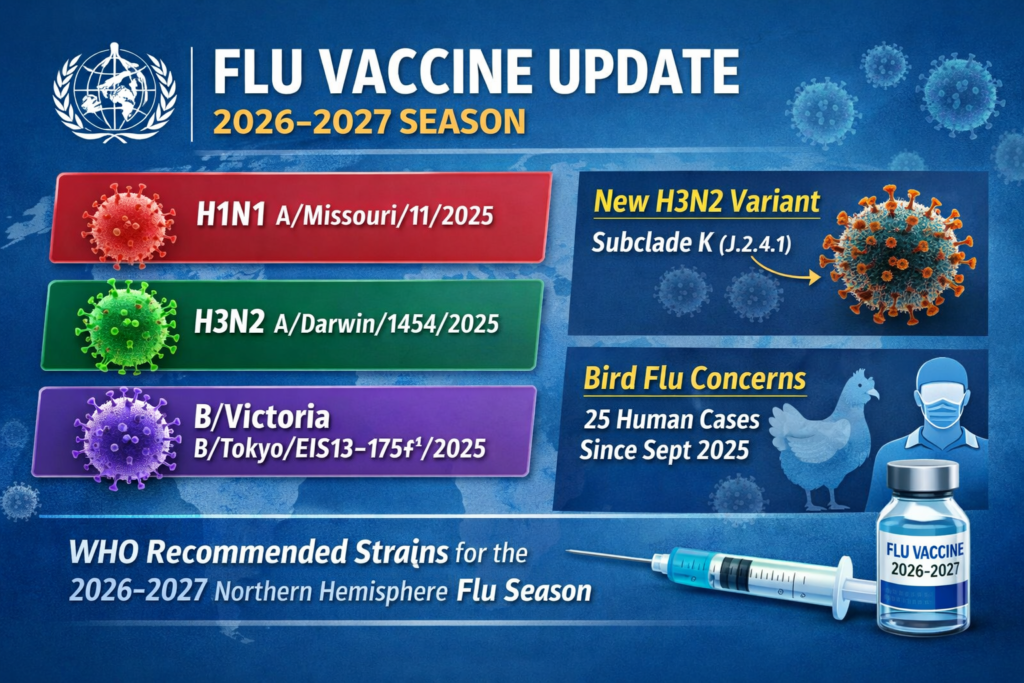
Flu Vaccine 2026–2027: WHO Strain Update & What It Means

Flu 2026–2027: What the New WHO Vaccine Update Means for You (and Why It Matters Now) Flu season may still be lingering in some countries, but global health experts are already looking ahead. On 27 February 2026, the World Health Organization released its official recommendations for the 2026–2027 Northern Hemisphere influenza vaccine composition. That might sound routine. It isn’t. Every year, scientists must predict which influenza viruses will dominate months in advance. Vaccine manufacturers then need time to produce millions of doses before flu season typically begins in October. When the match is strong, vaccines significantly reduce hospitalizations and deaths. When the virus evolves unexpectedly, the stakes rise. Here’s what changed for 2026–2027 — and what it means for you. Why Flu Vaccines Change Every Year Influenza viruses are shape-shifters. They mutate constantly, especially in two key surface proteins: Hemagglutinin (H) Neuraminidase (N) These proteins are what your immune system recognizes. When they change enough, last year’s antibodies may not fully recognize this year’s virus. That’s why the flu shot isn’t “one and done.” To stay ahead, the WHO convenes experts from its Global Influenza Surveillance and Response System (GISRS) — the world’s longest-running disease surveillance network (active since 1952). They analyze thousands of virus samples collected globally and decide which strains vaccine makers should target next. It’s essentially global viral forecasting. The 2026–2027 Recommended Flu Strains (Northern Hemisphere) For the upcoming season, the WHO recommends protection against three main influenza groups: Egg-Based Vaccines A/Missouri/11/2025 (H1N1)pdm09-like virus A/Darwin/1454/2025 (H3N2)-like virus B/Tokyo/EIS13-175/2025 (B/Victoria lineage)-like virus Cell-Based, Recombinant, or Nucleic Acid Vaccines A/Missouri/11/2025 (H1N1)pdm09-like virus A/Darwin/1415/2025 (H3N2)-like virus B/Pennsylvania/14/2025 (B/Victoria lineage)-like virus If you notice slight differences between egg-based and cell-based versions, that’s intentional. Why Some Vaccine Strains Differ by Manufacturing Type Most traditional flu vaccines are grown in eggs. But growing viruses in eggs can introduce small adaptive mutations — changes that help the virus grow in eggs but may slightly alter its structure compared to circulating human strains. Cell-based and newer platform vaccines avoid some of these egg-adaptation changes. As a result, the WHO sometimes recommends slightly different “like” strains for different production technologies. This is particularly important for H3N2, a subtype known for rapid mutation and for causing more severe seasons in older adults. In short:Different manufacturing platforms aim to improve how closely the vaccine matches the viruses actually spreading in communities. The Big Story: A New H3N2 Variant Emerges In August 2025, a noticeably different H3N2 variant began spreading globally. Classified as J.2.4.1 and informally known as “subclade K,” it quickly became dominant in multiple regions. Why that matters: It contributed to earlier flu season starts in several countries. Some regions reported higher-than-usual activity. H3N2 historically leads to more hospitalizations in older populations. The 2026–2027 vaccine update reflects the need to address this rapidly spreading variant. Viruses don’t wait politely for public health agencies to catch up. This is an attempt to stay ahead. What About Influenza B? The recommended vaccine includes protection against the B/Victoria lineage. Notably absent? B/Yamagata lineage. No confirmed B/Yamagata cases have been reported globally since March 2020. While scientists continue monitoring for its re-emergence, current surveillance supports focusing on B/Victoria. This shift reflects real-world epidemiology, not guesswork. Zoonotic Influenza: The “Bird Flu” Factor Seasonal flu isn’t the only concern. WHO experts also reviewed animal-origin influenza viruses that have infected humans. These zoonotic viruses can become dangerous if they gain the ability to spread easily between people. Since late September 2025: 25 human infections Across six countries Mostly linked to exposure to infected animals or contaminated environments No confirmed sustained human-to-human transmission At the meeting, experts recommended developing a new candidate vaccine virus (CVV) for A(H9N2) — a bird flu strain. Think of CVVs as emergency blueprints. If H9N2 begins spreading efficiently in humans, manufacturers could move faster to produce a pandemic vaccine. Preparedness isn’t panic — it’s insurance. How Serious Is Seasonal Influenza? Globally, influenza causes: Around 1 billion cases annually 3–5 million severe cases Between 290,000 and 650,000 respiratory deaths each year In the United States alone this season, flu has already caused: At least 25 million illnesses Around 20,000 deaths Dozens of pediatric fatalities Flu is not “just a bad cold.” It can lead to pneumonia, heart complications, worsening of chronic illnesses, and long hospital stays — particularly in vulnerable populations. Does the Flu Shot Still Help If It’s Not a Perfect Match? Yes. Even in years where the match isn’t ideal, vaccines typically: Reduce severe illness Lower hospitalization rates Decrease ICU admissions Shorten illness duration Reduce risk of death Protection isn’t binary (all or nothing). It’s a spectrum. A partially matched vaccine can still blunt the impact significantly. Who Should Prioritize the 2026–2027 Flu Shot? While annual vaccination is recommended for most people over six months old, it is especially important for: Adults over 65 Pregnant individuals Children under five People with heart, lung, kidney, or metabolic disease Immunocompromised individuals Healthcare workers Caregivers of high-risk individuals Higher-dose or enhanced vaccines are often recommended for older adults to strengthen immune response. The Future: Toward Faster and Broader Flu Vaccines Scientists are working toward next-generation influenza vaccines that could: Be manufactured faster (e.g., mRNA platforms) Cover more strains Offer longer-lasting immunity Reduce reliance on annual reformulation Researchers are also pursuing a so-called “universal” flu vaccine — one that targets stable parts of the virus that don’t mutate easily. Several candidates are in clinical trials, though experts caution that fully universal protection remains scientifically challenging. In the meantime, incremental improvements in strain selection, manufacturing speed, and vaccine potency continue to reduce seasonal risk. What You Should Do Now Plan: Flu shots are typically available in the early fall. Don’t wait for peak season: Protection takes about two weeks to build. Consider your risk profile: Age and medical conditions matter. Stay informed: Local public health guidance may evolve if unusual patterns emerge. Flu prevention isn’t just about personal protection. It also reduces strain on hospitals and protects vulnerable community members. The Bottom Line

Flu Vaccine 2026–2027: WHO Strain Update & What It Means Read More »

You Don’t Actually Need 8 Hours of Sleep — Here’s How to Find Your True Sleep Requirement

Do I really need 8 hours of sleep every night?

You Don’t Actually Need 8 Hours of Sleep — You Need Your Sleep If you’ve ever slept eight hours and still felt exhausted — or survived on six hours and felt sharp — you’re not broken. You’re normal. The idea that everyone needs exactly eight hours of sleep is one of the most misunderstood health rules today. Real sleep science tells a different story: sleep quality, timing, and biological rhythm matter more than a fixed number. As life gets busier — especially during stressful seasons — chasing an arbitrary sleep target can actually make sleep worse. Let’s clear the confusion and help you find the sleep schedule that actually works for your body. Why “More Sleep” Isn’t Always Better Sleep Most adults are told to aim for 7–9 hours of sleep, and that advice isn’t wrong — it’s just incomplete. Sleeping less than seven hours can increase health risks like weight gain, high blood pressure, and heart disease. But here’s the missing piece: Those risks depend on whether your body is getting the sleep it biologically needs — not whether you hit a number. Some people function at their best on: 5–6 hours of sleepOthers genuinely need: 9–11 hours to feel restored Both can be healthy — if the sleep is high quality. The Two Forces That Control Your Sleep (And Why Most People Ignore Them) Your sleep is governed by two biological systems, not a clock. 1. Sleep Pressure (Your Body’s “Tired Meter”) The longer you stay awake, the more sleep pressure builds.Think of it like hunger — skip meals long enough, and you will feel hungry. Sleep pressure is what makes your eyes heavy at night. 2. Circadian Rhythm (Your Internal Clock) This is your brain’s built-in timing system.It decides when your body wants to be awake or asleep — regardless of how tired you feel. That’s why you can: Feel exhausted at 10 p.m. Then, suddenly feel alert at 1 a.m. That “second wind” isn’t willpower — it’s biology. Great sleep happens when sleep pressure and circadian rhythm line up. Why Your Sleep Schedule Might Be Ruining Your Sleep Irregular bedtimes confuse your internal clock.Forcing yourself to bed when you’re not sleepy reduces sleep quality — even if you stay in bed longer. Here’s the counter-intuitive fix: Waking up at the same time every day matters more than going to bed at the same time. A consistent wake-up time trains your circadian rhythm. Once that rhythm stabilizes, your body naturally signals when it’s ready to sleep. How to Find Your True Sleep Requirement (Without Guesswork) If you want to know how much sleep you actually need, try this science-backed experiment. Step 1: Choose a Realistic Bedtime Pick a bedtime where you’re confident you’ll fall asleep within 20–30 minutes. If you’re lying awake longer than that, you’re not sleepy — just tired. If that happens: Get out of bed Do something calm (dim lights, meditation, warm shower) Return only when you feel genuinely sleepy Step 2: Remove All Time Awareness For several days: No alarms No visible clocks Blackout curtains Minimal noise Eye mask if needed Sleep until your body wakes you naturally. Step 3: Watch the Pattern The first few nights, you’ll likely oversleep — that’s your body repaying sleep debt. Then something interesting happens. When you wake up naturally at the same time for 3–4 days in a row, you’ve found your true sleep need. That wake-up time — not a bedtime rule — is your biological baseline. What If Your Schedule Doesn’t Allow This? Not everyone can do this experiment — and that’s okay. If you’re on break, working flexible hours, or resetting your routine, it’s worth trying even once.If not, focus on: Consistent wake-up times Avoiding bed when not sleepy Protecting sleep quality over duration Even small improvements compound. The Real Sleep Rule (Most People Never Hear) There is no universal sleep number. Your goal isn’t more sleep — it’s aligned sleep. When your body’s rhythm, sleep pressure, and schedule work together: You wake up without grogginess Energy stays stable through the day Sleep becomes easier — not forced Stop chasing eight hours. Start listening to your biology. Common Sleep Questions — Answered Clearly and Honestly Do I really need 8 hours of sleep every night? No. Eight hours is an average, not a rule. Some people function best on 5–6 hours, while others need 9–11 hours. What matters most is whether you wake up refreshed, focused, and stable in mood — not the number on the clock. Is sleeping less than 7 hours always unhealthy? Not always. It becomes unhealthy when short sleep is paired with poor recovery, constant fatigue, mood changes, or declining health. If your body naturally wakes after 6 hours and you feel sharp and energized, that can still be healthy sleep. Why do I feel tired even after sleeping 8–9 hours? Because sleep quality matters more than sleep duration. Poor timing, irregular schedules, stress, light exposure, or lying awake in bed can fragment sleep. You may get “long sleep” without deep, restorative sleep. What’s the difference between being tired and being sleepy? Tired = physically or mentally drained Sleepy = biologically ready to fall asleep Going to bed tired but not sleepy often leads to tossing, turning, and low-quality sleep. Why can’t I fall asleep even when I’m exhausted? Your circadian rhythm may be signaling wakefulness, even if sleep pressure is high. This often happens with late-night screen use, irregular schedules, or forced bedtimes. The body won’t sleep well unless both systems align. Is it bad to go to bed at different times every night? Yes — irregular bedtimes confuse your internal clock. Over time, this reduces sleep quality and makes falling asleep harder. Consistent wake-up times are even more important than consistent bedtimes. Should I force myself to sleep earlier? No. Forcing sleep usually backfires. It’s better to: Wake up at the same time daily Let sleep pressure build naturally Go to bed only when sleepy Your

Do I really need 8 hours of sleep every night? Read More »

Antibiotic resistance and typhoid vaccination

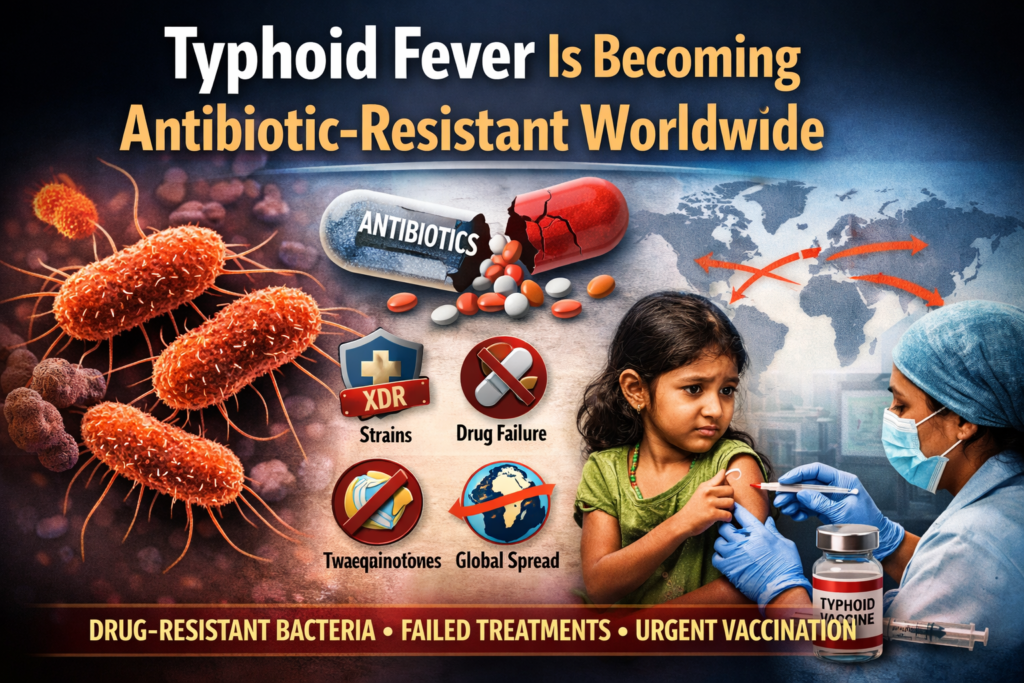
Typhoid Superbug Warning: Rising Antibiotic Resistance

Typhoid Superbug Alert: The Ancient Infection Fighting Back Quick Summary — What You Need to Know Typhoid fever is rapidly becoming antibiotic-resistant worldwide. Extensively drug-resistant (XDR) strains now resist most first-line treatments. Azithromycin, the last reliable oral antibiotic, is under threat. Over 13 million cases were reported globally in 2024. Drug-resistant strains have spread from South Asia to the UK, the US, Canada, and Africa. Experts say expanding typhoid vaccination programs is urgent. Without action, treatment options could become dangerously limited. The Ancient Killer Isn’t Gone — It’s Evolving Typhoid fever has plagued humans for thousands of years. In many developed nations, it feels like a disease of the past. But globally, it remains a serious threat — and it’s adapting faster than expected. Typhoid is caused by Salmonella enterica serovar Typhi (S. Typhi). For decades, antibiotics kept it under control. Now, that safety net is weakening. A major 2022 genomic study found that drug-resistant strains are not only increasing — they are replacing non-resistant strains. That means the bacteria aren’t just surviving. It’s winning. What the 2022 Study Revealed Researchers sequenced 3,489 S. Typhi samples collected between 2014 and 2019 from: Nepal Bangladesh Pakistan India The results were alarming. They identified a sharp rise in Extensively Drug-Resistant (XDR) Typhi strains. What Makes XDR Typhi So Dangerous? XDR Typhi is resistant to: Ampicillin Chloramphenicol Trimethoprim/sulfamethoxazole Fluoroquinolones Third-generation cephalosporins And now, mutations linked to resistance against azithromycin — the last widely effective oral antibiotic — are spreading. If XDR strains acquire full azithromycin resistance, doctors could lose nearly all oral treatment options. A Local Problem Turning Global Although South Asia accounts for roughly 70% of global cases, resistant strains are no longer contained. Since 1990, nearly 200 documented cases of international spread have been recorded. XDR Typhi has been identified in: Southeast Asia East and Southern Africa United Kingdom United States Canada In our interconnected world, pathogens travel easily. The COVID-19 pandemic proved how quickly infectious variants can move across borders. Typhoid is following the same pattern. Why Antibiotic Resistance Happens Bacteria evolve to survive. Overuse and misuse of antibiotics accelerate that process. When antibiotics are: Taken unnecessarily Not completed as prescribed Overused in communities They create selective pressure. The strongest bacteria survive and multiply. Over three decades, S. Typhi has gradually accumulated mutations that block antibiotic effectiveness. By the early 2000s, quinolone resistance exceeded 85% in several South Asian countries. Cephalosporin resistance soon followed. Now, azithromycin may be next. The Human Cost If untreated, up to 20% of typhoid cases can be fatal. In 2024 alone: Over 13 million cases were reported globally. Antibiotic resistance is already one of the leading causes of death worldwide — surpassing HIV/AIDS and malaria. Typhoid could significantly add to that burden. Vaccines: The Strongest Defense We Have Prevention is now more important than treatment. Typhoid conjugate vaccines (TCVs) are proven to reduce infection and transmission. A 2021 study in India estimated that vaccinating children in urban areas could prevent up to 36% of typhoid cases and deaths. As of April 2025, the World Health Organization has prequalified four typhoid conjugate vaccines, and several countries are integrating them into childhood immunization programs. Pakistan became the first country to introduce routine typhoid immunization nationwide. But global access remains uneven. What Needs to Happen Next? Experts emphasize three urgent priorities: 1️⃣ Expand Vaccination Coverage Typhoid-endemic countries must scale immunization programs rapidly. 2️⃣ Improve Antibiotic Stewardship Antibiotics must be prescribed and used responsibly to slow resistance. 3️⃣ Invest in New Antibiotics Drug development pipelines need renewed funding and urgency. Without coordinated global action, resistant typhoid could trigger a new public health crisis. Final Takeaway Typhoid fever may be ancient, but its evolution is modern. The rise of extensively drug-resistant strains shows how quickly bacteria adapt. Treatment options are narrowing. Global spread is accelerating. Vaccines offer hope. But access must expand fast. In a globalized world, infectious threats rarely stay local. The warning signs are clear — and the window to act is shrinking. References: https://www.sciencealert.com/ancient-killer-is-rapidly-gaining-resistance-to-antibiotics-scientists-warn https://www.oregonlive.com/trending/2026/02/typhoid-is-becoming-more-antibiotic-resistant-and-spreading-across-the-world.html https://www.healthandme.com/health-wellness/long-covid-causes-lasting-brain-inflammation-and-lung-injury-reveals-study-article-153734890  

Typhoid Superbug Warning: Rising Antibiotic Resistance Read More »

Novo Nordisk to Cut Ozempic & Wegovy List Prices Up to 50% in 2027

Novo Nordisk plans major U.S. list price cuts for Ozempic and Wegovy starting January 2027 Intro Novo Nordisk says it will lower the U.S. list prices of its blockbuster GLP-1 medicines — Wegovy, Ozempic, and Rybelsus — starting January 1, 2027. The company says the goal is to reduce out-of-pocket costs for people whose payments are tied to list price, such as those with high deductibles or co-insurance. Key facts New list price target: $675 per month for Wegovy, Ozempic, and Rybelsus (effective Jan 1, 2027). This represents about a 50% cut for Wegovy (from roughly $1,349/month) and about a mid-30% cut for Ozempic (from roughly $1,028/month), per reporting and company materials. Novo says the list price change is intended to help patients whose costs are linked to list price, while noting that many insured patients may already pay lower amounts depending on their plan and programs. Novo also indicated this list-price move doesn’t necessarily change direct cash-pay offers, which companies use separately. Why does this matter? List price still matters in the U.S. because it can influence what some people pay at the pharmacy counter — especially anyone on a high-deductible plan or paying a percentage-based co-insurance rather than a flat copay. A lower list price can reduce that “sticker-shock” exposure and may also reshape negotiations across parts of the supply chain over time. The competitive context The announcement also lands in the middle of an intensifying GLP-1 market, where Novo Nordisk and Eli Lilly are both fighting for new prescriptions in obesity and diabetes care. Analysts and reporters have framed the move as part of a broader push to defend or regain momentum as demand surges and competition increases. What to watch next Plan design impact: Will insurers update formularies or cost-sharing rules as 2027 approaches? Net price vs list price: Rebates and discounts mean net prices can differ from list prices; watch what changes in real patient out-of-pocket cost. Market response: Whether Eli Lilly adjusts its strategy further or expands access programs. Sources https://www.reuters.com/ https://edition.cnn.com/ https://www.prnewswire.com/ Note: This post is an independent summary and commentary based on publicly available reporting and company statements. For full reporting, see the linked sources above

Novo Nordisk to Cut Ozempic & Wegovy List Prices Up to 50% in 2027 Read More »

What meal composition improves glycemia in type 2 diabetes

Type 2 Diabetes Lifestyle FAQ: Meal Timing, Carbs & Exercise

What meal composition improves glycemia in type 2 diabetes? A low-carbohydrate, balanced meal improves glycemia. You limit carbohydrates to ~75–100 g/day, add lean protein, nonstarchy vegetables, fiber, and healthy fats. This pattern reduces postprandial peaks and lowers fasting glucose by decreasing hepatic fat. Why does carbohydrate control play a central role in diabetes? Carbohydrates directly raise blood glucose. Excess intake increases liver fat and hepatic insulin resistance. Calorie restriction reduces liver and pancreatic fat, normalizes fasting glucose within 1 week, and improves A1C within 8 weeks. What is the second-meal phenomenon? The second-meal phenomenon means breakfast improves insulin sensitivity at the next meal. Breakfast reduces free fatty acids and enhances early insulin secretion. As a result, glucose tolerance is stronger at lunch than at breakfast or dinner. How does meal timing affect blood sugar? Meal timing influences glucose tolerance. You experience lower glucose tolerance in the evening. Large or late suppers increase fasting glucose the next morning. Eating more carbohydrates earlier in the day improves glycemic control. Is breakfast important for people with diabetes? Yes, breakfast improves metabolic regulation. A small, balanced breakfast enhances incretin response and insulin sensitivity. Splitting a large breakfast into two smaller meals lowers postprandial glucose and daily mean glucose. What is nutrient sequencing, and how does it help? Nutrient sequencing means eating protein and vegetables before carbohydrates. This method delays carbohydrate absorption and reduces postmeal glucose peaks. Waiting 10–30 minutes before consuming carbohydrates improves glycemic stability. Does meal frequency influence glucose variability? Meal frequency affects glycemic variability. Eating 3–5 balanced meals reduces large glucose swings if total calories remain controlled. Two earlier meals may lower hepatic fat but can increase hypoglycemia risk in some individuals. How does postmeal exercise affect blood glucose? Postmeal exercise lowers glucose surges. You start moderate activity 30–60 minutes after eating to blunt peaks. Walking 30–45 minutes or performing short high-intensity exercise reduces postprandial glucose without major hypoglycemia risk. Is premeal exercise beneficial for diabetes? Premeal exercise improves insulin sensitivity later but may initially raise glucose due to hepatic glucose release. A light, balanced breakfast after exercise moderates post-exertion hyperglycemia and enhances second-meal tolerance. Can high-intensity exercise cause hypoglycemia? Yes, high-intensity premeal exercise may cause delayed hypoglycemia, especially in insulin-treated individuals. Moderate postmeal activity presents lower hypoglycemia risk. Glucose monitoring supports safe exercise planning. How does continuous glucose monitoring (CGM) improve self-management? CGM provides glucose data every 5 minutes. You track postprandial peaks, fasting glucose, time in range (TIR), and daily mean glucose. Data-driven adjustments personalize meal timing and exercise strategies effectively. Which lifestyle habit has the strongest impact on glycemic control? Personalized carbohydrate intake has the strongest impact. Carbohydrate quantity directly shapes postprandial and fasting glucose. Meal timing, nutrient sequencing, and structured exercise amplify glycemic benefits when combined. References: https://pmc.ncbi.nlm.nih.gov/articles/PMC7364446/ https://www.ncbi.nlm.nih.gov/books/NBK279012/ https://www.webmd.com/diabetes/meals-insulin-timing https://www.cdc.gov/diabetes/healthy-eating/diabetes-meal-planning.html

Type 2 Diabetes Lifestyle FAQ: Meal Timing, Carbs & Exercise Read More »

7 Best Lifestyle Changes to Manage Type 2 Diabetes

What Are the Best Lifestyle Changes to Manage Type 2 Diabetes?

7 Best Lifestyle Changes to Manage Type 2 Diabetes Type 2 diabetes management depends on daily behavior. You lower blood glucose, improve insulin sensitivity, and reduce cardiovascular risk through structured lifestyle changes. Research shows that combined lifestyle intervention reduces HbA1c by 1–2% in many adults. Below, you will find the 7 most effective lifestyle changes. 1. How Does a Balanced Diet Improve Blood Sugar Control? A balanced diet stabilizes postprandial glucose levels. You reduce rapid glucose spikes by limiting refined carbohydrates and increasing fiber. Apply these strategies: Replace white bread with whole grains (GI <55) Increase fiber intake to 25–38 g/day Limit added sugar to <10% of total calories Combine carbohydrates with protein or fat Example: Oats + Greek yogurt causes a slower glucose rise than white toast + jam. Diet directly influences body weight. Next, weight reduction enhances insulin action. 2. Why Does Losing 5–10% of Body Weight Improve Diabetes? Weight loss reduces visceral fat and inflammatory markers. You improve insulin signaling and lower hepatic glucose production. Clinical evidence shows: 5% weight loss lowers HbA1c by ~0.5% 10% weight loss improves triglycerides and blood pressure A modest reduction decreases cardiovascular risk If you weigh 100 kg, a 5 kg loss creates measurable metabolic improvement. Physical activity strengthens this effect. 3. How Does Regular Exercise Lower Blood Glucose? Exercise increases skeletal muscle glucose uptake via GLUT4 activation. You reduce insulin resistance during and after activity. Recommended targets: Perform ≥150 minutes/week moderate aerobic exercise Add resistance training 2–3 times weekly Walk 10–15 minutes after meals Post-meal walking can reduce glucose levels by 20–30 mg/dL in many individuals. Movement works best when daily sitting time decreases. 4. Why Should You Reduce Sedentary Time? Prolonged sitting decreases muscle glucose utilization. You increase insulin resistance when you remain inactive for extended periods. Action steps: Stand every 30–60 minutes Use a standing desk Take short movement breaks Reducing sedentary time improves glycemic variability independent of structured exercise. Sleep quality also affects glucose regulation. 5. How Does Sleep Quality Affect Type 2 Diabetes? Sleep regulates cortisol, growth hormone, and insulin sensitivity. You impair glucose metabolism when you sleep under 6 hours per night. Evidence links short sleep duration to a 20–30% higher diabetes risk. Improve sleep by: Maintaining 7–9 hours nightly Keeping consistent sleep times Avoiding heavy meals before bed Stress hormones also influence blood sugar levels. 6. How Does Stress Management Support Blood Sugar Control? Stress increases cortisol and adrenaline, which stimulate hepatic glucose release. You elevate blood sugar during chronic psychological stress. Effective methods include: Practicing mindfulness meditation Performing controlled breathing exercises Engaging in moderate physical activity Stress reduction lowers glycemic fluctuations and supports long-term control. Monitoring ensures you measure progress accurately. 7. Why Is Regular Blood Glucose Monitoring Important? Monitoring identifies patterns between food, activity, and glucose response. You adjust lifestyle decisions using measurable data. Benefits include: Detecting hyperglycemia early Evaluating meal impact Improving HbA1c outcomes Self-monitoring increases treatment adherence and supports personalized adjustments. How Do These 7 Lifestyle Changes Work Together? Diet controls glucose input. Exercise increases glucose utilization. Weight loss improves insulin signaling. Sleep and stress regulate hormones. Monitoring guides decisions. Combined interventions reduce microvascular and cardiovascular complications more effectively than single changes. Take the Next Step Toward Better Diabetes Control Lifestyle changes work best when they’re guided, monitored, and supported by medical professionals. If you’re ready to turn these seven strategies into real, lasting results, Northern Arizona Medical Group is here to support you at every step. Our care team provides comprehensive Type 2 diabetes management across Arizona and nearby areas, combining medical expertise with modern Remote Patient Monitoring (RPM) devices that track your blood glucose trends in real time. This allows your providers to adjust your care proactively, catch risks early, and help you stay within healthy targets—without guesswork. Don’t manage diabetes alone. Schedule a consultation with Northern Arizona Medical Group today and take control of your blood sugar with expert care, continuous monitoring, and a plan built around your life.

What Are the Best Lifestyle Changes to Manage Type 2 Diabetes? Read More »

f you’re worried about diabetes symptoms in your child or want expert guidance for long-term management, Northern Arizona Medical Group is here to help.

Diabetes in Kids: Symptoms, Causes, Diagnosis & Treatment Guide

Diabetes in Kids: Causes, Symptoms, Diagnosis, and Treatment Diabetes in kids is a chronic metabolic disorder where the body fails to regulate blood glucose levels. The pancreas produces insufficient insulin, or the body resists insulin action. You need early diagnosis and structured management to prevent complications. What Is Diabetes in Kids? Diabetes in kids is a condition where blood glucose levels remain persistently high due to insulin deficiency or insulin resistance. The pancreas produces insulin. Insulin enables glucose uptake into cells. When insulin action declines, glucose accumulates in the bloodstream. Main Types of Diabetes in Children Type Pathophysiology Typical Age Core Mechanism Type 1 Diabetes Autoimmune beta-cell destruction 4–14 years Absolute insulin deficiency Type 2 Diabetes Insulin resistance + relative deficiency 10–19 years Reduced insulin sensitivity You will now see how each type develops. What Causes Type 1 Diabetes in Kids? Type 1 diabetes develops when the immune system destroys pancreatic beta cells. The immune system attacks insulin-producing cells. The pancreas reduces insulin production. Blood glucose levels rise rapidly. Risk Factors Family history of type 1 diabetes Autoimmune disorders Genetic susceptibility (HLA genes) Type 1 diabetes accounts for approximately 90% of pediatric diabetes cases globally (International Diabetes Federation). Next, you will learn about type 2 diabetes in children. What Causes Type 2 Diabetes in Kids? Type 2 diabetes develops when the body resists insulin, and the pancreas cannot compensate. Excess body fat increases insulin resistance. Physical inactivity reduces glucose uptake. The pancreas produces insufficient compensatory insulin. Risk Factors Childhood obesity (BMI ≥95th percentile) Family history of type 2 diabetes Sedentary behavior Polycystic ovary syndrome (PCOS) The CDC reports increasing type 2 diabetes incidence among adolescents aged 10–19 years. Next, identify the symptoms you should monitor. What Are the Symptoms of Diabetes in Kids? The most common symptoms are excessive urination, thirst, and weight loss. Classic Symptoms (Polyuria, Polydipsia, Polyphagia) Increased urination Increased thirst Increased hunger Additional Signs Unexplained weight loss Fatigue Blurred vision Slow wound healing Emergency Sign: Diabetic Ketoacidosis (DKA) Abdominal pain Vomiting Fruity breath odor Rapid breathing DKA requires immediate medical care. Now, understand how doctors diagnose diabetes in children. How Is Diabetes in Kids Diagnosed? Doctors diagnose diabetes using blood glucose tests and HbA1c measurements. Diagnostic Criteria (ADA Standards) Test Diagnostic Threshold Fasting Plasma Glucose ≥126 mg/dL (7.0 mmol/L) Random Plasma Glucose ≥200 mg/dL with symptoms HbA1c ≥6.5% Oral Glucose Tolerance Test (2-hour) ≥200 mg/dL Doctors may test autoantibodies to confirm type 1 diabetes. Next, learn how treatment works. How Do You Treat Diabetes in Kids? Treatment depends on the type and requires long-term glucose control. Type 1 Diabetes Management Administer daily insulin injections or insulin pump therapy. Monitor blood glucose 4–10 times daily. Use continuous glucose monitoring (CGM). Type 2 Diabetes Management Implement structured weight management. Increase physical activity (≥60 minutes/day). Prescribe metformin or insulin when required. The goal is to maintain HbA1c below 7% in most children (ADA guideline). Now review possible complications. What Complications Can Occur? Poor glucose control increases long-term complication risk. Acute Complications Diabetic ketoacidosis (DKA) Severe hypoglycemia Chronic Complications Diabetic nephropathy Retinopathy Neuropathy Cardiovascular disease Tight glycemic control reduces microvascular complications by up to 76% (DCCT study). Next, understand prevention strategies. Can Diabetes in Kids Be Prevented? Type 1 diabetes cannot currently be prevented; type 2 diabetes can often be delayed or prevented. Prevention Strategies for Type 2 Maintain healthy BMI percentiles. Encourage daily physical activity. Reduce ultra-processed food intake. Limit sugar-sweetened beverages. Lifestyle interventions significantly reduce insulin resistance in adolescents. When Should You See a Doctor? You should seek medical care immediately if your child shows excessive thirst, frequent urination, or rapid breathing. Early intervention prevents severe metabolic complications and supports long-term health outcomes. Take Control of Diabetes Early — With Trusted Care in Northern Arizona Medical Group. If you’re worried about diabetes symptoms in your child or want expert guidance for long-term management, Northern Arizona Medical Group (NAMG)  is here to help. Our experienced medical team provides comprehensive diabetes care across Arizona and nearby communities, focusing on early diagnosis, personalized treatment plans, and ongoing support that protects your child’s future health. We go beyond clinic visits. With our advanced Remote Patient Monitoring (RPM) devices, you can track blood glucose trends in real time, share accurate data with your care team, and catch problems before they become emergencies. This proactive approach helps reduce complications, improve HbA1c control, and give families peace of mind. Don’t wait for diabetes to take control. Partner with Northern Arizona Medical Group and take a decisive step toward safer, smarter diabetes care today.

Diabetes in Kids: Symptoms, Causes, Diagnosis & Treatment Guide Read More »