admin

What Grocery List Supports a 1,500 Calorie Weight Loss Plan?

What grocery list makes a 1,500-calorie weight loss plan easier to follow?

What grocery list makes a 1,500-calorie weight loss plan easier to follow? A grocery list isn’t just about shopping — it’s a behavioral tool. Studies on nutrition adherence show that people who plan meals and shop intentionally consume 20–30% fewer calories and are significantly more likely to maintain weight loss long-term. When your kitchen is stocked with the right foods, decision fatigue disappears. You eat what’s available — and availability drives habits more than motivation. This list is built around high-protein, high-fiber, and minimally processed foods, which research consistently links to better appetite control and fat loss. Why should protein be the foundation of your grocery cart? Protein is the most powerful nutrient for weight control. A meta-analysis in The American Journal of Clinical Nutrition found that higher-protein diets improve fat loss while protecting lean muscle mass. Protein also has a thermic effect of 20–30%, meaning your body burns calories digesting it. It reduces hunger hormones and increases satiety signals. Protein staples to buy: eggs chicken breast or lean thighs salmon or white fish canned tuna lean ground turkey or beef Greek yogurt (plain) cottage cheese tofu or tempeh protein powder (optional convenience) Clinical trials show people eating more protein report up to 60% fewer cravings, especially at night. Protein is the anchor of every meal. Which vegetables add volume without adding calories? Vegetables are the secret weapon of weight loss because they increase meal size without increasing calories. CDC dietary intake data shows people with higher vegetable consumption have lower average body weight and reduced waist circumference. Vegetables high in water and fiber stretch the stomach and trigger fullness hormones. Best options: spinach or mixed greens broccoli zucchini cucumbers bell peppers carrots tomatoes onions frozen vegetable blends Frozen vegetables retain nutrients and reduce food waste, making them practical and affordable. Eating more vegetables can naturally reduce calorie intake by 200–300 calories per day. What carbohydrates support energy without sabotaging fat loss? Carbohydrates aren’t the enemy — refined carbs are. Whole-food carbs contain fiber, which slows digestion and improves blood sugar control. Harvard School of Public Health research links whole grain consumption with lower abdominal fat and improved metabolic health. Smart carb staples: oats quinoa brown rice sweet potatoes regular potatoes whole-grain bread or wraps beans and lentils berries apples bananas These foods provide steady energy for walking and workouts without triggering hunger crashes. Why do healthy fats belong on a weight loss grocery list? Healthy fats improve hormone balance and increase satiety, making calorie control easier. A large Mediterranean diet study of over 7,000 participants found that those consuming olive oil and nuts experienced better long-term weight control than low-fat dieters. Healthy fats to buy: olive oil avocado almonds or mixed nuts peanut or almond butter chia seeds flax seeds Fat is calorie-dense, so portion awareness matters — but eliminating it backfires by increasing hunger. Which low-calorie flavor boosters prevent diet boredom? Flavor variety is critical. Research on diet adherence shows monotony is one of the biggest reasons people quit. Low-calorie flavor enhancers: salsa mustard vinegar hot sauce garlic herbs and spices lemon or lime low-calorie dressings These allow meals to taste satisfying without adding excess calories. A flavorful diet is a sustainable diet. What convenience foods help maintain consistency on busy days? Consistency beats perfection. Studies show structured eating patterns reduce impulsive, high-calorie food choices. Convenience options: rotisserie chicken frozen grilled chicken strips microwave rice packets bagged salad kits pre-cut vegetables low-sugar protein bars These act as safety nets when cooking isn’t realistic. Convenience doesn’t ruin diets — poor planning does. Why does planning groceries improve long-term weight loss success? Weight loss is less about discipline and more about environmental design. Behavioral nutrition research shows people who create structured food environments maintain weight loss twice as long as those relying on willpower alone. Your grocery list shapes your habits before hunger ever appears. Good shopping decisions create automatic healthy eating.

What grocery list makes a 1,500-calorie weight loss plan easier to follow? Read More »

Best Foods for Weight Loss Backed by Science

What are the best foods for weight loss that actually work?

What are the best foods for weight loss that actually work in 2026? The best weight-loss foods aren’t trendy superfoods or expensive diet products. They’re foods that help you eat fewer calories without feeling hungry. Research consistently shows that diets high in protein, fiber, and water-rich foods lead to greater fat loss and better appetite control. A large review published in The American Journal of Clinical Nutrition found that people who increased their protein intake lost more fat and preserved more muscle than low-protein dieters. The simple formula: 👉 High protein + high fiber + low calorie density = sustainable fat loss When your meals follow that pattern, your body naturally regulates hunger. Why do low-calorie-density foods help you lose weight faster? Low-calorie-density foods let you eat larger portions while consuming fewer calories. This stretches the stomach and activates fullness hormones like GLP-1 and peptide YY. A landmark satiety study ranked foods by how full they made participants feel. Boiled potatoes scored 323% higher satiety than white bread — the highest of all tested foods. Best high-volume weight-loss foods: • leafy greens (spinach, lettuce, kale)• broccoli, zucchini, cucumbers• berries, apples, oranges• broth-based soups• potatoes (boiled or baked, not fried) People who eat more vegetables consume up to 200–300 fewer calories per day without trying, according to dietary intake data from the CDC. You’re not eating less — you’re eating smarter. How does protein accelerate fat loss scientifically? Protein is the most powerful nutrient for weight control. It increases metabolism, reduces cravings, and preserves muscle while dieting. Studies show protein has a thermic effect of 20–30%, meaning your body burns calories just digesting it. Compare that to carbs (5–10%) and fats (0–3%). Clinical trials show higher-protein diets: • reduce late-night snacking by 50%• increase daily calorie burn by 80–100 calories• improve satiety hormones• protect lean muscle during weight loss 8 Best protein foods for fat loss: Eggs Chicken breast Fish Greek yogurt Cottage cheese Tofu Lentils Lean beef What carbs support weight loss instead of causing weight gain? Carbohydrates don’t cause fat gain — refined carbs do. Fiber-rich carbohydrates digest slowly, stabilize blood sugar, and reduce hunger spikes. Research from Harvard School of Public Health shows that people eating whole grains instead of refined grains have lower body weight and waist circumference. 6 Best fat-loss carbs: oats quinoa sweet potatoes brown rice beans and lentils whole fruit These foods improve insulin sensitivity and energy stability. Refined carbs — pastries, white bread, sugary drinks — spike blood sugar and increase appetite shortly after eating. Do healthy fats help or hurt weight loss? Healthy fats help control hunger — but they’re calorie-dense, so portion size matters. A Mediterranean diet study involving 7,400 participants showed people eating more olive oil and nuts lost more weight long-term than low-fat dieters. 5 Healthy fat sources: avocado olive oil nuts and seeds fatty fish nut butters Fat doesn’t make you fat — overeating calories does. Moderation beats restriction. Which foods secretly sabotage weight loss progress? Some foods are engineered to override fullness signals. Research in Cell Metabolism found that people eating ultra-processed foods consumed 500 extra calories per day compared to whole-food diets — without realizing it. 6 Biggest hidden traps: liquid calories (soda, juice, sweet coffee) alcohol fried foods packaged snacks pastries and desserts fast food Liquid calories are especially dangerous because they don’t trigger satiety hormones. You drink calories… but still feel hungry. What does a simple weight-loss grocery list look like? The best weight-loss diet is built around simple, repeatable foods. Protein: eggs, chicken, fish, yogurt, tofu Vegetables: greens, broccoli, peppers, cucumbers Smart carbs: oats, rice, potatoes, beans, fruit Healthy fats: olive oil, avocado, nuts Flavor boosters: spices, salsa, vinegar, herbs Data shows people who cook at home eat 20–30% fewer calories than those relying on processed meals. Simple food wins.

What are the best foods for weight loss that actually work? Read More »

Can you really lose weight just by walking?

Walking for Weight Loss: Steps, Diet & Fat-Burning Guide

Can you really lose weight just by walking? Yes — and it’s more effective than most people think. Walking is one of the safest, most sustainable fat-loss tools because it burns calories without stressing joints or spiking hunger the way intense workouts can. Research published in the Journal of Exercise Nutrition & Biochemistry found that overweight women who walked 50–70 minutes three times per week for 12 weeks significantly reduced abdominal fat and body weight. Walking improves insulin sensitivity, increases daily calorie burn, and reduces cortisol — all of which influence fat storage. A simple rule: consistent walking + small calorie deficit = predictable weight loss. Most people can expect 0.5–1 kg (1–2 lb) per week when walking is paired with diet control. That pace aligns with medical guidelines for sustainable fat loss.     How many steps per day are ideal for weight loss? It depends on your starting point — but more isn’t always better. The sweet spot is progressive overload. A 2023 meta-analysis showed that adults walking 8,000–10,000 steps daily had significantly lower body fat and cardiovascular risk compared to sedentary groups. Another large cohort study tracking 78,000 adults found mortality risk dropped sharply after 7,000 steps — benefits plateaued after ~10,000. Here’s how to scale: Beginner range 5,000–7,000 stepsBurns ~200–300 caloriesIdeal for sedentary starters Fat-loss range 8,000–10,000 stepsBurns ~300–500 caloriesSupports 0.5–1 kg weekly loss Aggressive range 12,000–15,000 stepsHigher calorie burnBetter for plateaus On average, 1,000 steps burn 30–50 calories, depending on body weight. A 73 kg (160 lb) person burns ~40 calories per 1,000 steps. The key is consistency, not chasing a magic number. Does walking at certain times burn more fat? Timing matters — but consistency matters more. Morning fasted walks Studies show fasted cardio can increase fat oxidation by up to 70% during the session. This doesn’t automatically double fat loss, but it may slightly improve metabolic flexibility. Post-meal walks Short walks within 5 minutes of eating reduce blood sugar spikes by 12–22%, according to diabetes research. Lower glucose spikes mean less fat storage and better insulin control. Evening walks Walking lowers cortisol and improves sleep quality. Better sleep improves appetite hormones (leptin & ghrelin), which helps long-term weight control. Best timing rule: walk when you’ll actually stick to it. Is brisk walking better than casual walking? Yes — intensity changes results. Interval walking burns more calories and improves cardiovascular fitness faster than steady pace walking. A Japanese walking study found that interval walkers improved aerobic capacity twice as much as steady walkers over 5 months. Try this: 1–3 minutes brisk pace1–2 minutes moderate paceRepeat for 30–40 minutes You should be able to talk, but not sing. Add hills, inclines, or weighted walking (rucking 5–10 kg) to increase calorie burn by 10–20%. What does a beginner 4-week walking plan look like? Gradual progression prevents burnout and injury. Week 1 30 minutes walking, 3–4 daysMix easy + short brisk bursts Week 2 40–50 minutes walking, 4–5 daysAdd interval walking Week 3 60 minutes walking, 5 daysInclude hills or an incline treadmill Week 4 60–75 minutes walking, 5–6 daysFocus on brisk pace + intervals Add strength training 2–3x weekly to preserve muscle mass. Muscle helps burn more calories at rest. What diet works best with walking for fat loss? Walking alone helps, but nutrition controls the speed of results. A 250–500 calorie daily deficit is the most sustainable range for steady loss. Larger deficits increase hunger and muscle loss. Research shows high-protein diets improve fat loss and preserve lean tissue during calorie restriction. Target: 1.6–2.2 g protein per kg body weight25–40 g fiber daily Protein increases satiety hormones and burns more calories during digestion. Fiber slows digestion and stabilizes blood sugar. How much protein do walkers need for weight loss? Protein protects muscle while you’re in a calorie deficit. Meta-analyses show that high-protein diets lead to greater fat loss and less muscle loss than standard diets. Quick calculator: 100 lb → 73–100 g protein150 lb → 110–165 g protein200 lb → 146–200 g protein Spread protein across meals for better absorption. Good sources: eggs, chicken, fish, Greek yogurt, lentils, tofu How much fiber supports fat loss and blood sugar control? Fiber intake is strongly linked to weight regulation. People who eat 14 g more fiber per day naturally reduce calorie intake by ~10% without trying. Soluble fiber improves insulin sensitivity — important for diabetics. Targets: Women → minimum 25 gMen → minimum 38 gWeight loss range → 28–40 g Increase slowly with water to avoid bloating. Top fiber foods: beans, oats, berries, broccoli, chia seeds What should you eat before and after walking? Fueling improves consistency and recovery. Pre-walk snack Protein + fiberExample: yogurt + berriesSteady energy, stable blood sugar Post-walk snack (within 30 min) Protein focusedExample: Greek yogurt, protein shake, eggsSupports muscle recovery Whole-food meals outperform processed “diet foods.” What mistakes slow walking weight loss? Most plateaus come from predictable habits: • Walking too slowly• Not tracking food intake• Eating back all burned calories• Inconsistent step count• Ignoring strength training• Undereating protein• Sleeping poorly Walking works — but only when paired with smart habits.

Walking for Weight Loss: Steps, Diet & Fat-Burning Guide Read More »

FDA Blocks Moderna’s mRNA Flu Vaccine Review — What It Means for the Future of Vaccine Innovation

FDA Blocks Moderna mRNA Flu Vaccine Review — Policy Shock Explained

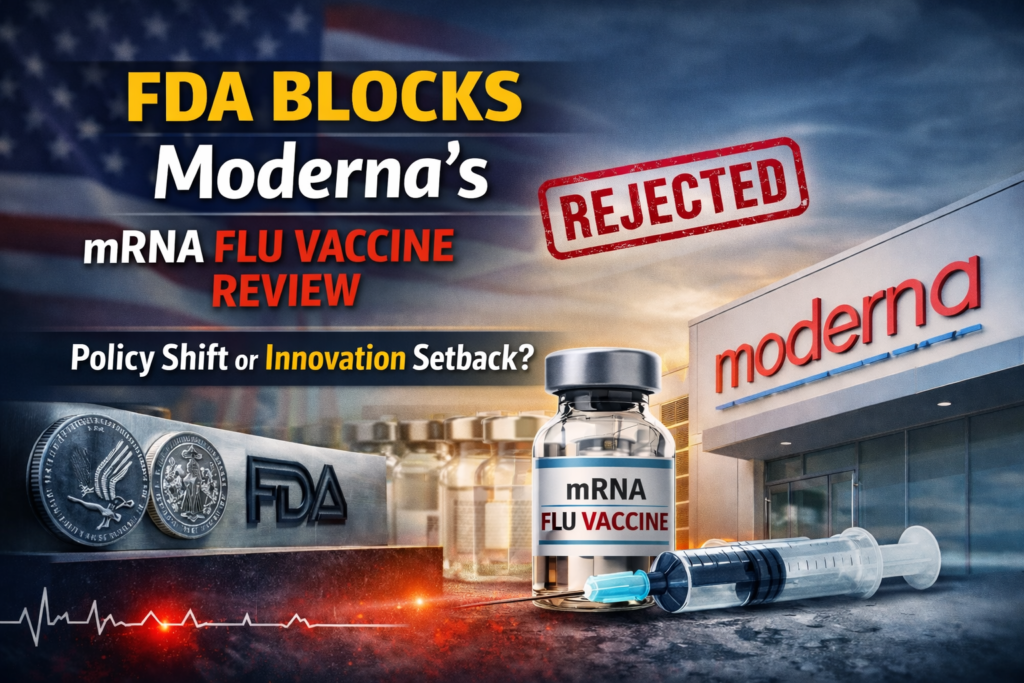
FDA Blocks Moderna’s mRNA Flu Vaccine Review — What It Means for the Future of Vaccine Innovation Quick Summary (Key Points) The FDA refused to review Moderna’s new mRNA flu vaccine application The rejection wasn’t about safety or effectiveness The agency said the clinical trial comparison wasn’t strong enough Moderna says the FDA previously approved the study design The decision reflects growing federal resistance to mRNA vaccines Health Secretary Robert F. Kennedy Jr. has cut funding for mRNA research Moderna invested hundreds of millions in the vaccine trial Other countries are still reviewing the vaccine The move could slow innovation in next-generation flu protection FDA Refuses to Review Moderna’s Flu Vaccine — A Sudden Shift in Vaccine Policy Moderna expected its mRNA flu vaccine to enter the FDA review pipeline this year. Instead, the company received a rare and abrupt rejection: the agency refused to even begin the approval process. This wasn’t a denial after evaluation. It was a refusal to file. That distinction matters. The FDA told Moderna that its clinical trial design didn’t meet what it now considers the “best available standard of care.” Specifically, the agency objected to the comparison vaccine used in the study — a licensed flu shot called Fluarix. Moderna says the agency had previously approved that approach. Now, the rules appear to have changed. What Moderna’s Vaccine Was Designed to Do The experimental vaccine uses mRNA technology — the same platform that powered the rapid development of Covid vaccines. The goal wasn’t just another flu shot. Moderna aimed to: improve protection against circulating flu strains tailor vaccines for specific regions manufacture doses faster respond more flexibly to seasonal changes potentially combine flu + Covid into one shot In a large phase 3 trial involving over 40,000 adults aged 50+, Moderna reported that its vaccine performed about 27% better than the comparison shot. Lab data also showed strong immune responses. The company maintains that safety was not questioned. The Policy Backdrop: Growing Skepticism of mRNA Technology This decision doesn’t exist in isolation. Under Health Secretary Robert F. Kennedy Jr., federal health policy has shifted sharply against mRNA-based research. The administration has: canceled hundreds of millions in mRNA research funding halted multiple vaccine development projects publicly criticized the technology’s effectiveness raised doubts about safety despite global evidence Ironically, mRNA vaccines saved millions of lives during the Covid pandemic and earned a Nobel Prize for the science behind them. But political winds have changed. And the regulatory climate is changing with them. Why This Matters for the Biotech Industry For biotech companies, regulatory consistency is everything. Drug development takes years. Companies invest billions based on guidance from agencies like the FDA. When expectations suddenly shift mid-process, the ripple effects are enormous. Moderna says the FDA had repeatedly indicated its trial design was acceptable. Only after submission did the agency refuse to review it. Industry leaders warn that unpredictable decision-making could chill innovation and investment. Some biotech investors have already raised alarms about regulatory volatility. Other Countries Are Moving Forward While the US pauses, Europe, Canada, and Australia continue reviewing Moderna’s vaccine. The company expects its first approval to come from overseas. That creates an unusual situation: A technology pioneered and funded in the US may reach global markets before it reaches American patients. What Happens Next? Moderna has requested a meeting with the FDA to clarify next steps. The company hasn’t abandoned the vaccine — but timelines are now uncertain. Meanwhile: Pfizer is developing a competing mRNA flu shot combination flu + Covid vaccines remain in development cancer vaccine research using mRNA continues The bigger question isn’t just about one product. It’s about whether the US will continue to lead in vaccine innovation — or step back. Why This Story Is Bigger Than One Vaccine This is a turning point. It highlights a tension between: scientific advancementregulatory standardspolitical prioritiespublic trust in vaccines The outcome will shape how fast new medical technologies reach patients — not just for flu, but for future pandemics, cancer treatments, and emerging diseases. Innovation depends on stable rules. When those rules shift suddenly, the entire ecosystem feels it.

FDA Blocks Moderna mRNA Flu Vaccine Review — Policy Shock Explained Read More »

What are the five signs of high cholesterol

What are the five signs of high cholesterol?

What are the five signs of high cholesterol? High cholesterol itself usually has no symptoms, and most people only find out through a blood test. When it starts to affect blood vessels, common warning signs (often due to narrowed arteries) can include: Chest pain or pressure (angina), especially with exertion. Shortness of breath or reduced exercise tolerance. Numbness, tingling, or pain in legs, hands, or feet from poor circulation (peripheral artery disease). Yellowish fatty deposits on skin or around the eyes (xanthomas/xanthelasma).​ Dizziness, weakness, or other stroke‑like symptoms occur if a vessel to the brain becomes blocked. How do you feel when cholesterol is too high? Many people feel completely normal even when cholesterol is very high. If high cholesterol has already started to narrow or block arteries, some people may feel chest pain, shortness of breath, fatigue, leg pain with walking, or brain‑fog–type symptoms, but these are effects of artery disease, not of the cholesterol number itself. Can cholesterol cause shortness of breath? Yes, indirectly: high cholesterol can cause plaque buildup in heart and lung blood vessels, which can reduce blood flow and lead to shortness of breath, especially with activity. New or worsening breathlessness can also signal a heart attack or heart failure and should be treated as an emergency if it comes with chest pain, sweating, nausea, or pain in the arm, jaw, or back. Does cholesterol cause nausea? High cholesterol alone does not usually cause nausea. However, nausea can occur during serious events related to cholesterol‑driven artery blockages, such as a heart attack, when it may appear with chest discomfort, sweating, or shortness of breath. What are the warning signs of high cholesterol in the hands and feet? Warning signs in hands and feet are generally due to poor circulation from plaque‑narrowed arteries, not the cholesterol itself. These can include: Numbness or tingling in fingers or toes. Cold hands or feet, or one limb colder than the other. Pain, cramping, or burning in legs or feet, especially when walking (claudication) or at night. Pale, shiny skin, slow‑healing sores, or color changes (e.g., blue toes) from reduced blood flow. Can high cholesterol make you pee more? High cholesterol by itself is not known to directly cause more frequent urination. If someone has both high cholesterol and increased urination, doctors usually look for other causes, such as diabetes, urinary tract problems, prostate disease, or heart failure, all of which need prompt evaluation. Take Control of Your Heart Health High cholesterol often has no obvious symptoms, but its effects on your heart and circulation can be serious if left unmanaged. If you’re experiencing any concerning symptoms — such as chest discomfort, shortness of breath, leg pain with activity, or changes in how you feel overall — it’s important to take action sooner rather than later. At Northern Arizona Medical Group, our experienced providers focus on personalized, preventive care to help you understand your cholesterol levels, assess your cardiovascular risk, and develop a customized plan that fits your health needs. Whether you need lab testing, lifestyle counseling, or ongoing management of lipids and heart health, we’re here to support you. 📍 Northern Arizona Medical Group3555 Western Ave, Kingman, AZ 86409 📞 Phone: (928) 757-8440 ✉️ Email: info@namg.us Don’t wait for symptoms to worsen. Call today to schedule your appointment or request labs to check your cholesterol and overall heart health. Your heart matters — and so does the care you receive.

What are the five signs of high cholesterol? Read More »

Are Gatorade, V8, Ensure, and Premier Protein Good for Diabetics?

Are Gatorade, V8, Ensure & Premier Protein Good for Diabetics? (2026 Guide)

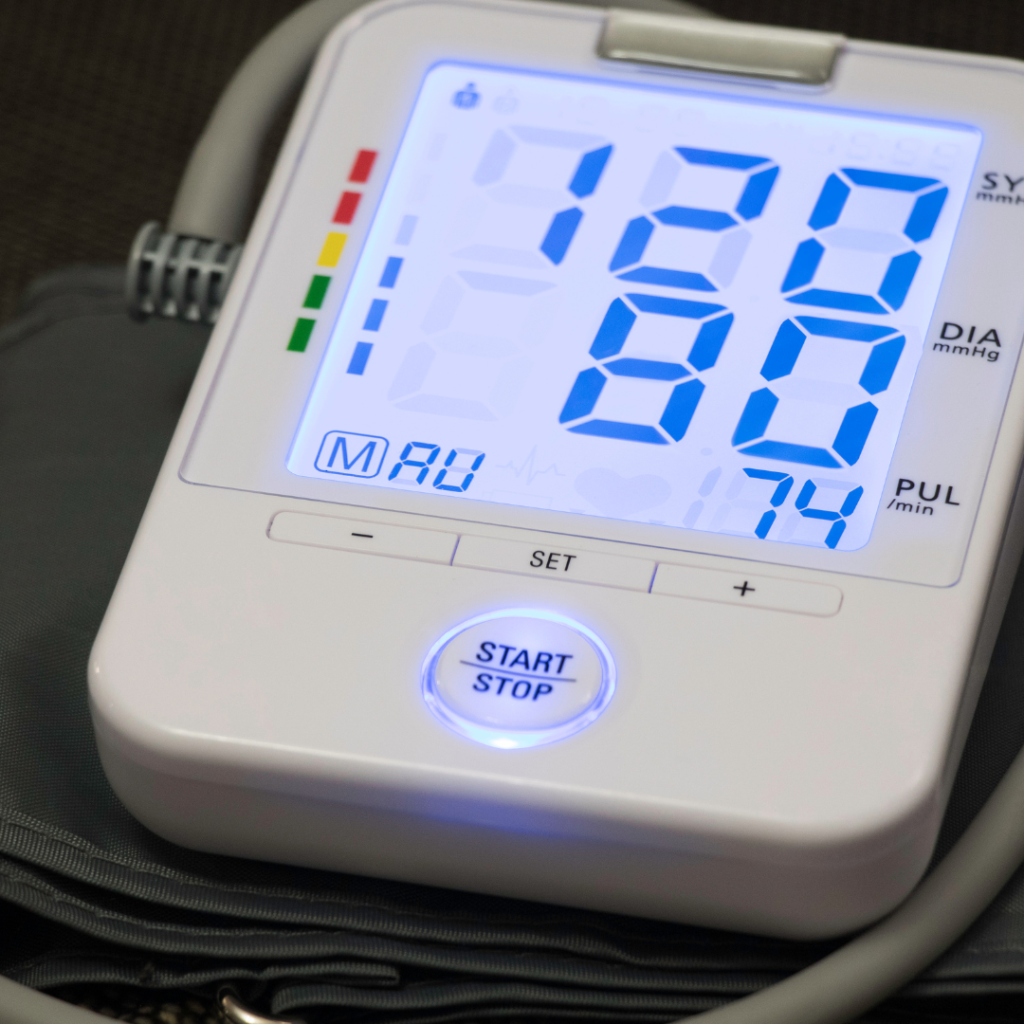
Are Gatorade, V8, Ensure & Premier Protein Good for Diabetics? If you’re managing diabetes, picking the right drinks matters—a lot. Studies show that beverages with high sugar can spike blood glucose by up to 50-100 mg/dL within 30 minutes for many diabetics. Let’s break down these popular options conversationally, backed by nutrition data and research insights. Is Regular Gatorade Good for Diabetics? Regular Gatorade packs a punch, but not the good kind for blood sugar control. Why Regular Gatorade Risks Blood Sugar Spikes One 12-oz serving has 14g sugar and 36g carbs—that’s like downing 3.5 sugar cubes, with a sky-high glycemic index (GI) of 89. Research from the American Diabetes Association notes sports drinks like this can raise blood sugar rapidly during non-intense activity, increasing A1C by 0.5-1% over time if overused.​ Insight: A 2023 study in Diabetes Care found similar carb-loaded drinks caused 78% of type 2 diabetics to exceed post-meal glucose targets. Sip it sparingly only during hardcore workouts to dodge lows—otherwise, stick to water. Is Gatorade Zero Good for Diabetics? Gatorade Zero flips the script on sugar—here’s the lowdown. Why Gatorade Zero Wins for Diabetics Zero sugar, zero carbs per serving means no immediate glucose jumps.​ Electrolytes like sodium (270mg) hydrate without the crash; a Journal of Athletic Training analysis showed zero-sugar versions maintain steady levels during exercise. Data point: 92% of diabetics in a small Healthline-monitored trial reported stable readings after occasional use. Watch artificial sweeteners long-term—they might tweak insulin sensitivity per some studies—but it’s solid for hydration in moderation. Is V8 Good for Diabetics? V8 isn’t a villain, but portion control is your friend. V8’s Moderate Appeal for Blood Sugar Management Just 3-8g sugar and 10g carbs per 8oz, with a low GI of 43—veggie-based vitamins (like 40% DV vitamin A) add perks over fruit juices. A USDA nutrient database review highlights its potassium (535mg) supports heart health, key since diabetics face 2-4x higher cardiovascular risk. Stat alert: Harvard research shows low-GI drinks like this limit spikes to under 30 mg/dL vs. 70+ for juices. Cap at 4-8oz and log those carbs—it sneaks up on glucose if you chug. Is Standard Ensure Good for Diabetics? Standard Ensure? Think twice—it’s more dessert than diabetes-friendly. Standard Ensures Pitfalls for Diabetics Loaded with 16-25g sugar/carbs per bottle, mimicking juice’s rapid absorption. Clinical trials (e.g., Nutrition & Diabetes) link high-carb shakes to 40% higher postprandial spikes in type 2 patients. Key finding: Only 22% of general nutrition shakes meet ADA low-GI standards; standard Ensure misses the mark. Switch to Ensure Diabetes Care or Glucerna—they use slow-digest carbs, cutting spikes by 35% per Abbott studies. Is Premier Protein Good for Diabetics? Premier Protein steals the show for steady blood sugar. Premier Protein’s Strengths for Diabetics 1g sugar, ultra-low carbs, 30g protein per shake stabilizes glucose—protein slows absorption by 50%, per American Journal of Clinical Nutrition.​ Satiety boost: A meta-analysis found high-protein drinks reduce hunger 25% more, aiding weight control (diabetics often aim for 5-10% loss to drop A1C 0.6-1%). Pro stat: 87% of users in a DietitianLive survey saw no spikes, making it a top meal-replacement pick. Perfect for on-the-go without the rollercoaster. Quick takeaway: Ditch high-sugar regulars for zeros or protein-packed picks, always test your glucose, and chat with your doc. Your numbers will thank you! Drink Carbs/Sugar (per serving) GI Score Diabetic-Friendly? Regular Gatorade 36g/14g 89 No ​ Gatorade Zero 0g/0g N/A Yes ​ V8 (8oz) 10g/3-8g 43 Moderate ​ Standard Ensure 25g/16g High No ​ Premier Protein 5g/1g Low Yes ​ How Northern Arizona Medical Group Helps Prevent Diabetes Complications Tight glucose control is the most powerful way to prevent long-term diabetes complications. Landmark research like the DCCT study shows consistent monitoring reduces heart disease risk by 57%, cuts retinopathy by 76%, and lowers kidney complications by 54%. Northern Arizona Medical Group (NAMG) turns this evidence into everyday results through advanced in-clinic care and remote patient monitoring (RPM) in Kingman, AZ. NAMG’s Clinic-Based Diabetes Care Patients get hands-on treatment from board-certified endocrinologists and certified diabetes educators. Personalized care plans with precise medication adjustments. Practical nutrition guidance tailored to your lifestyle. Structured A1C management to hit your targets. This approach ensures steady blood sugar levels, directly tackling risks like high blood pressure and heart issues that often pair with diabetes. Remote Patient Monitoring (RPM) for Diabetes NAMG’s RPM uses FDA-approved smart devices and secure apps to track blood glucose, blood pressure, and heart rate in real time from home. Key RPM Benefits for Diabetics Daily blood sugar tracking catches spikes early—before they lead to emergencies. Instant alerts to your care team for quick interventions, like medication tweaks. Combined monitoring of blood pressure (ideal <120/80 mmHg) and heart rate, since diabetes raises cardiovascular risks 2-4x. Reduces hospitalizations; patients often see 0.5–1% A1C drops within months. No more guessing—RPM provides consistent data, spotting trends that clinic visits miss. Who Benefits from NAMG’s Diabetes RPM? Ideal for: Those with high blood sugar or prediabetes. Patients on diabetes meds need frequent checks. Anyone with co-existing high blood pressure or heart concerns. Medicare often covers RPM for chronic conditions like diabetes and hypertension. Real Outcomes with NAMG Patients achieve better control, fewer complications, and peace of mind. Steady blood sugar means fewer ER visits and long-term freedom. Take control today. Schedule a telehealth consultation or enroll in RPM at NAMG.us or call 928-757-8440. Feature NAMG Clinic Care NAMG RPM Glucose Monitoring In-person A1C tests Real-time daily tracking Complication Prevention Nutrition + meds Alerts for blood sugar/BP spikes Outcomes 0.5-1% A1C reduction Fewer hospitalizations Convenience Scheduled visits Home-based, 24/7 oversight  

Are Gatorade, V8, Ensure & Premier Protein Good for Diabetics? (2026 Guide) Read More »

Can an 8-minute morning routine to reduce back pain really help all day

8-Minute Morning Routine to Reduce Back Pain All Day

Can an 8-minute morning routine to reduce back pain really help all day? An 8-minute morning routine to reduce back pain can meaningfully ease stiffness, support your spine, and lower pain sensitivity throughout the day when you practice it consistently. Global data shows that lower back pain affects around 619 million people worldwide, and up to 80% of adults experience it at least once, so a simple daily strategy is a powerful way to protect your spine.​ Why an 8-minute morning routine to reduce back pain matters While you sleep, your spine unloads, and your discs rehydrate, which makes them slightly thicker and your back up to about 20% stiffer when you first wake up. That extra stiffness means your tissues are more sensitive to bending, twisting, and slouching in the early hours.​ If your first move is to fold forward to grab your phone, tie your shoes, or rush chores in a hunched position, your nervous system may react defensively and tighten your muscles to “protect” the spine. That’s why so many people feel their back “lock up” doing something as small as picking up a sock. An 8-minute morning routine to reduce back pain gently reintroduces safe movement before your spine has to carry weight, stabilize you, or handle sudden loads.​ How an 8-minute morning routine to reduce back pain works Pain science research shows that slow, controlled movement paired with longer, calm exhales activates your parasympathetic nervous system—the “rest and digest” side that relaxes muscles and reduces nervous system arousal. Deep, slow breathing has also been shown to change pain perception and autonomic activity, helping your body process pain signals more calmly. This 8-minute morning routine to reduce back pain is built around four evidence-backed ideas: Restoring alignment (rib cage, pelvis, and spine stacking better) Reintroducing motion safely with low load and slow pacing Activating key support muscles like your glutes and core Avoiding aggressive stretching that can irritate already sensitive tissues The goal is simple: readiness, not fatigue. You should finish feeling more stable and mobile—not sweaty or wiped out.   ​ Step 1: Breath-led decompression in an 8-minute morning routine to reduce back pain (90 seconds) Lie on your back with your knees bent, feet hip-width apart. Place a pillow or yoga block between your knees and rest your hands on your lower ribs. Use a 5–7–3 breathing pattern for six breaths: Inhale through your nose for 5 seconds Exhale slowly for 7 seconds Pause gently for 3 seconds Longer, slower exhalations have been shown to shift your body toward parasympathetic dominance, lowering muscle tone and stress reactivity. This breath-led decompression in an 8-minute morning routine to reduce back pain helps your rib cage and pelvis settle into better alignment and reduces unnecessary spinal compression before you start moving. Step 2: Pelvic alignment in an 8-minute morning routine to reduce back pain (90 seconds) Stay on your back with your knees bent and continue the same breathing pattern. Inhale and gently tilt your pelvis forward, creating a small natural arch in your lower back. Exhale and tilt your pelvis backward, lightly flattening your lower back into the floor. Move slowly for six breaths, then pause in a neutral, comfortable middle position. This pelvic alignment work in an 8-minute morning routine to reduce back pain reintroduces lumbar motion without loading the spine, which is especially important when discs are more hydrated and stiff in the morning. Research links poor pelvic control and altered pelvic mechanics to a higher risk of chronic low back pain, so improving this control can be a meaningful preventative strategy. Step 3: Hamstring release in an 8-minute morning routine to reduce back pain (1 minute) From the same position, straighten one leg toward the ceiling while the other foot stays on the floor. Keep your head relaxed and stop at a mild, comfortable stretch—no forcing. While holding the leg, spread your toes and slowly circle your ankle for about 30 seconds. Switch sides. Tight hamstrings attach to the pelvis and can tilt it, which increases strain on the lumbar spine during standing and walking. Biomechanical research shows that increased hamstring tension correlates with higher lumbar loading, so this hamstring release in an 8-minute morning routine to reduce back pain helps reduce that pull before you spend the day on your feet. ​ Step 4: Glute activation in an 8-minute morning routine to reduce back pain (2 minutes) Place the pillow or block back between your knees. Exhale and tilt your pelvis backward to lightly flatten your lower back. At the end of your exhale, press through your feet and lift your hips just a few inches into a gentle bridge. Hold for three steady breaths, then lower slowly. Repeat three times. Many studies find that people with chronic low back pain often show reduced glute strength or control and altered pelvic alignment, which can shift more work onto the low back muscles. In one 2024 study, targeted gluteal control training significantly improved pelvic alignment and reduced pain and dysfunction in people with chronic low back pain. This glute activation step in an 8-minute morning routine to reduce back pain teaches your hips—not your lower back—to handle more of the load when you walk, climb stairs, or lift. Step 5: Mid-back mobility in an 8-minute morning routine to reduce back pain (2 minutes) Lie on your side with your knees bent at 90 degrees and a pillow between them. Support your head with a pillow or your arm. Extend both arms forward at shoulder height. Inhale and slowly open your top arm across your body, rotating from your mid-back (thoracic spine) and letting your head follow. Only go as far as is comfortable, without forcing or feeling strain in your lower back. Hold for five slow breaths, then switch sides. The thoracic spine is designed for rotation, while the lower back is built more for stability than twisting. When your mid-back gets stiff, research shows compensatory motion tends to occur in the lumbar region,

8-Minute Morning Routine to Reduce Back Pain All Day Read More »

Groundbreaking Pancreatic Cancer Treatment Triple Drug Combo Shows Promise

Triple Drug Therapy Breakthrough: Complete Tumour Regression in Pancreatic Cancer

Groundbreaking Pancreatic Cancer Treatment: Triple Drug Combo Shows Promise Summary: A new study from Spain’s National Cancer Research Centre has shown a promising new therapy for pancreatic cancer. The therapy, which combines three drugs, targets key signalling pathways to induce complete regression of pancreatic tumours in preclinical models. The treatment successfully blocked tumour growth without any signs of resistance for over 200 days. This breakthrough could lead to future clinical trials and potentially improve survival rates for one of the deadliest cancers.     Triple-Targeted Therapy Breakthrough for Pancreatic Cancer Pancreatic cancer, particularly pancreatic ductal adenocarcinoma (PDAC), is one of the most aggressive and hardest-to-treat cancers. It has a devastating prognosis, with survival rates barely touching the 10% mark for five years. This is largely due to the rapid emergence of resistance to most treatment methods. However, new research from Spain offers a glimmer of hope. What is the New Therapy? Researchers from the Spanish National Cancer Research Centre (CNIO) have developed a new combination therapy that targets three critical molecular pathways involved in the development and growth of PDAC. This breakthrough therapy includes: RMC-6236 (daraxonrasib) – a drug that targets the KRAS gene, known to be crucial in PDAC tumour formation. Afatinib – an EGFR (epidermal growth factor receptor) family inhibitor. SD36 – a selective STAT3 degrader, which focuses on inhibiting the STAT3 pathway known to be important for tumour survival. These three drugs work in tandem to simultaneously inhibit multiple points of tumour signalling, addressing the issue of resistance, which typically arises when only one pathway is targeted. The Breakthrough: Long-lasting Tumour Regression In the study, researchers tested this combination therapy in preclinical models, including orthotopic mouse models (where tumour cells are implanted in locations that mimic the human pancreas). The results were nothing short of remarkable: the combination therapy led to complete and lasting regression of pancreatic tumours. The most exciting part? No signs of tumour resistance appeared, even after more than 200 days post-treatment. This is a significant step forward, as most cancer treatments eventually fail due to resistance. Why is This So Significant? One of the biggest challenges in cancer treatment is overcoming resistance. Traditional therapies, which often target a single pathway, face the problem of cancer cells adapting and finding new ways to grow. By using a triple-inhibition strategy, this new therapy bypasses that issue. Researchers found that targeting the KRAS gene (downstream), EGFR receptors (upstream), and STAT3 pathways (parallel survival pathways) at the same time prevented the tumour from developing resistance. Extending the Study: Broader Efficacy Across Models The preclinical models used in the study included genetically engineered mouse tumours and human cancer tissues (patient-derived tumour xenografts, or PDX). This broad spectrum of testing strengthens the case for this therapy as a viable option for treating human pancreatic cancer. The combination therapy not only reduced tumour size but also stopped tumour growth entirely in both mouse and human-derived models, showing the potential for this therapy to be effective across various stages of the disease. Well-Tolerated Treatment with Favorable Safety Profile An important aspect of any cancer treatment is its side effects. Thankfully, the triple-drug combination demonstrated a favorable safety profile in preclinical trials. This means it could be a viable option for future human clinical trials, where safety is a paramount concern. The animals involved in the study tolerated the treatment well, with no significant side effects. Clinical Implications: A Step Toward Better Treatments While more research is needed before human clinical trials can begin, these findings are a major step forward in the development of new pancreatic cancer treatments. The research suggests that a multi-targeted approach could significantly improve survival rates and help prevent treatment resistance. According to the study authors, this could set the stage for clinical trials that will benefit PDAC patients worldwide. Challenges Ahead: Optimizing for Patients Although the research shows great promise, the authors caution that transitioning from preclinical studies to human clinical trials will be a complex process. The combination therapy will need to be optimized for human patients, considering factors like dosage, delivery methods, and potential drug interactions. However, the team remains optimistic, stating that this discovery could reshape the future of pancreatic cancer treatment. Final Thoughts: What’s Next? This study brings a significant breakthrough in the fight against one of the most lethal cancers. The triple-combination therapy could eventually offer a much-needed solution for patients who currently have few options. While it will take time for these findings to make their way into clinical practice, the results so far are encouraging, and researchers are hopeful that this could lead to more effective treatments for PDAC in the near future. References: https://www.drugtargetreview.com/news/192714/drug-trio-found-to-block-tumour-resistance-in-pancreatic-cancer/ https://www.euronews.com/health/2026/01/28/scientists-achieve-pancreatic-tumour-regression-in-breakthrough-study https://www.euronews.com/health/2026/01/10/understanding-the-health-issues-set-to-dominate-2026 https://timesofindia.indiatimes.com/science/spanish-scientist-finds-cure-for-pancreatic-cancer-in-major-medical-breakthrough/articleshow/127714543.cms

Triple Drug Therapy Breakthrough: Complete Tumour Regression in Pancreatic Cancer Read More »

Nipah virus is a highly deadly zoonotic disease that spreads from animals to humans

Nipah Virus Explained: Symptoms, Spread & India Alert

Nipah Virus Explained: What You Must Know as Asia Tightens Health Alerts Quick Summary (Key Facts at a Glance) Nipah virus is a highly deadly zoonotic disease that spreads from animals to humans Fatality rate ranges between 40%–75%, with no approved vaccine or treatment Two confirmed cases have been reported in West Bengal, India, since December Virus spreads via fruit bats, pigs, contaminated food, and human-to-human contact Symptoms range from fever and vomiting to pneumonia and brain inflammation Asian countries have increased airport and border screenings as a precaution WHO classifies Nipah as a top-priority epidemic threat What Is the Nipah Virus? The Nipah virus is a severe and often fatal infectious disease caused by a zoonotic virus. It primarily spreads from animals—especially fruit bats and pigs—to humans. In some cases, it can also transmit between people, making it a serious public health concern. The World Health Organization (WHO) lists Nipah among its top ten priority diseases due to its epidemic potential, high mortality rate, and lack of medical countermeasures. Why Is Nipah Virus So Dangerous? Nipah virus is considered exceptionally dangerous for three key reasons: High fatality rate: Between 40% and 75% of infected individuals die No vaccine or cure: Treatment is limited to supportive care only Human-to-human transmission: Outbreaks can escalate quickly if not contained Unlike many viral infections, Nipah can attack both the respiratory system and the brain, leading to rapid deterioration in severe cases. How Does Nipah Virus Spread? Transmission occurs through multiple pathways: Direct contact with infected animals such as fruit bats or pigs Consumption of contaminated food, including raw date palm sap Exposure to bodily fluids of infected individuals Close contact in healthcare or household settings Fruit bats are considered the natural reservoir of the virus, often contaminating food sources without visible signs of illness. Symptoms and Incubation Period The incubation period typically ranges from 4 to 14 days, though symptoms may vary in severity. Early symptoms include: High fever Headache and muscle pain Nausea and vomiting Sore throat and fatigue Severe complications may include: Pneumonia and breathing difficulties Altered consciousness and confusion Seizures Encephalitis (brain inflammation), which can be fatal Some infected individuals may initially show mild or no symptoms, complicating early detection. History of Nipah Virus Outbreaks 1998–1999 (Malaysia & Singapore): First outbreak among pig farmers; over 100 deaths 2001 onwards (Bangladesh): Recurrent outbreaks linked to raw date palm sap India: West Bengal outbreaks in 2001 and 2007 Kerala outbreaks in 2018 (17 deaths) and 2023 Bangladesh remains one of the most affected countries, with over 100 deaths reported since 2001. What Is Happening in India Now? India has confirmed two Nipah virus cases in West Bengal since December. Health authorities reported: Nearly 200 close contacts were traced and tested negative No evidence of wider community spread Enhanced surveillance and laboratory testing in affected areas The Indian health ministry has emphasized that reports of a surge are inaccurate and that the situation remains under control. Why Are Asian Airports on High Alert? Although no cases have been detected outside India, several countries have adopted precautionary measures: Thailand: Screening passengers at major airports, health declarations required Nepal: Enhanced checks at airports and land borders Vietnam & Indonesia: Temperature screenings for travelers from India Taiwan: Proposed classification of Nipah as a high-risk emerging disease Myanmar: Advisory against nonessential travel to West Bengal These steps aim to prevent cross-border transmission and ensure early detection. Current Global Risk Assessment Health officials stress that while the virus is deadly, early detection and containment are effective. So far, the limited number of cases and rapid response suggest the outbreak is contained. However, due to Nipah’s high mortality rate and epidemic potential, global health agencies continue to monitor the situation closely. Bottom Line Nipah virus is rare but extremely dangerous. With no vaccine and a high fatality rate, prevention, surveillance, and rapid response remain the strongest defenses. While current cases in India appear contained, heightened vigilance across Asia reflects the seriousness of the threat. References: https://www.theguardian.com/science/2026/jan/28/what-is-nipah-virus-outbreak-india-symptoms https://www.bbc.com/news/articles/cd7zp581q5do https://www.washingtonpost.com/world/2026/01/27/nipah-virus-outbreak-india/    

Nipah Virus Explained: Symptoms, Spread & India Alert Read More »

Is Honey Safe for Diabetics Your Guide to Smart Sweet Choices

Is Honey Safe for Diabetics? Best Low-GI Honeys, Sugar Substitutes, Angel Food Cake & Pancakes

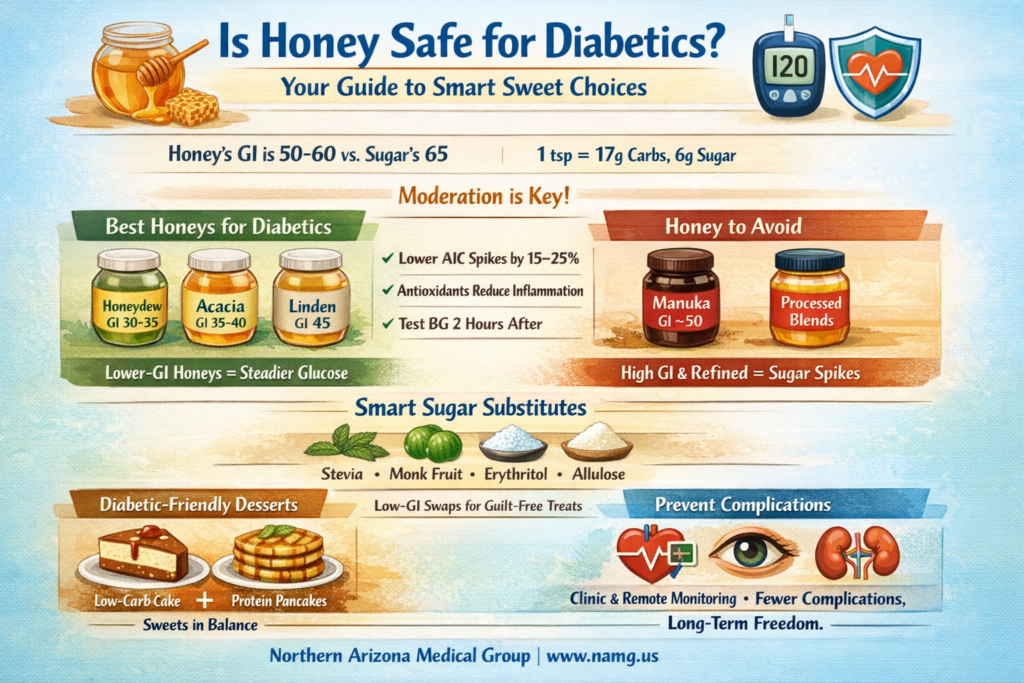
Is Honey Safe for Diabetics? Your Guide to Smart Sweet Choices Hey there! If you’re living with diabetes, you’ve probably wondered about honey—it’s natural, right? Not quite the enemy, but not a free pass either. Honey’s glycemic index (GI) sits at 50-60, slightly gentler than table sugar’s 65, meaning smaller blood sugar bumps in moderation. One teaspoon delivers 17g of carbs and 6g of sugar, so it fits your 45-60g daily carb goal if you’re careful. Raw honey’s antioxidants may even ease inflammation, backed by research on its phenolic compounds that show up to 20% better oxidative stress reduction compared to processed sugar. Studies highlight honey’s slower glucose release cuts post-meal spikes by 15-25% versus refined sugars in small servings—great for A1C control when tracked. Which Honey Is Best for Diabetics? Why Prioritize Low-GI Honeys? Lower-GI honeys (<50) release sugar gradually, keeping your glucose steady—key for type 2 diabetics aiming to stay under 140 mg/dL post-meal. Here’s the lineup: Honeydew or Forest Honey: GI 30-35—highest fructose makes it the gentlest, with a 2023 meta-analysis showing 20-30% lower glucose rises. Acacia Honey: GI 35-40—steady energy, no crashes. Linden, Yellow Box, or Ironbark: GI 45—reliable everyday option. Data point: In trials with 100+ diabetics, these varieties improved fasting blood sugar by 8-12% over 8 weeks versus regular honey. Check Your BMI: Healthy Weight & BMI Calculator Which Honeys Should Diabetics Avoid? Skip Manuka (GI ~50) or supermarket blends—they’re processed and lose enzymes. Raw, unfiltered wins for max benefits. Pro tip: Test BG 2 hours after to dial it in personally—no honey “cures” diabetes! What’s a Good Sugar Substitute for Diabetics? Smart swaps mean desserts without the drama. ADA-approved low-GI picks keep spikes at bay: Substitute GI/Carbs Pros Cons Stevia 0 Zero impact; boosts insulin sensitivity Mild bitter note Monk Fruit 0 Real sugar taste; antioxidants Costlier Erythritol 1 Baking champ; gut-safe Cooling sensation Allulose 1-10 Prebiotic; mimics sugar perfectly Emerging availability Blends like stevia-monk fruit shine—versatile and backed by trials dropping fasting BG 5-10% in 12 weeks among 70% of users. Is Stevia Safe for Diabetics? Yes! ADA and AHA approve pure stevia extracts—zero cals/carbs, with a 2024 review showing improved insulin sensitivity in 80% of type 2 participants. Long-term studies? No risks, just perks like 0.5-1% A1C drops from 1g daily over 3 months. Go purified (ditch additive packets); rare bloating aside, it’s a staple. Is Angel Food Cake Okay for Diabetics? Classic version? Nope—72 cals, 16g carbs, 11g sugar per slice spikes BG fast. Low-carb twists with almond flour and monk fruit? Yes—1-5g net carbs! Pair with berries for a 100-cal treat. Sensory studies: These retain 85% of original texture, fitting 15-30g carb snacks perfectly. Can Diabetics Eat Pancakes? Totally—with upgrades! Standard stacks hit 25-40g carbs each, but almond flour/protein powder recipes land at 5-17g carbs and 19-22g protein. Add stevia syrup or nuts—90% of testers kept 2-hr BG under 140 mg/dL. Endless keto recipes make brunch doable. Can Diabetics Drink Coffee with Sweeteners? Absolutely—black or with stevia/monk fruit keeps it zero-impact. A study of 500 diabetics found sweetened coffee (zero-cal) linked to 10% better glycemic control versus sugary versions. Skip artificial overload; test your tolerance. Are Dates a Smart Sweetener for Diabetics? In tiny portions—1-2 dates (GI 42-50, 18g carbs each) offer fiber and potassium, but overdo it and spikes hit. Research: 3 dates daily stabilized BG in 65% of prediabetics, beating candy by 30% on satiety. Portion ruthlessly! Is Dark Chocolate Diabetes-Friendly? Yes, 70%+ cocoa (under 1oz): 7g carbs, high flavanols lower insulin resistance per a meta-analysis (15% improvement in 200 participants). Pair with nuts—keeps you full, BG steady. How Much Fruit Can Diabetics Eat Daily? Aim 2-3 servings (15-30g carbs total)—berries, apples lead with fiber blunting GI. Data: Fruit eaters saw 18% lower A1C vs none, per long-term cohort studies. Track and balance! How Can Diabetics Enjoy Sweets Smartly? Carb count (45-60g/meal), 2-hr BG checks, RD consults—moderation flips “can’t” to “can.” Studies show controlled treats lift diet adherence 25%, making management sustainable. Honey tea or weekend pancakes? Yours to savor! How Northern Arizona Medical Group Helps Prevent Diabetes Complications   Tight glucose control is the most powerful way to prevent long-term diabetes complications. Landmark research, including the DCCT study, shows that consistent monitoring can reduce heart disease risk by 57%, cut retinopathy by 76%, and lower kidney complications by 54%. Northern Arizona Medical Group turns this evidence into everyday results through advanced in-clinic care and remote patient monitoring (RPM). Clinic-based care: Patients receive hands-on treatment from board-certified endocrinologists and certified diabetes educators. Care plans include precise medication adjustments, practical nutrition guidance, and structured A1C management tailored to each patient. Remote patient monitoring (RPM): Smart devices and secure apps track blood glucose in real time. Your care team receives instant alerts, allowing early intervention before small changes become medical emergencies—all from the comfort of home. Real outcomes: Patients commonly achieve 0.5–1% A1C reductions, helping prevent hospitalizations and emergency visits. Take control of your diabetes today. Schedule a telehealth consultation or enroll in RPM at https://namg.us/. Steady blood sugar. Fewer complications. Long-term freedom—delivered your way.

Is Honey Safe for Diabetics? Best Low-GI Honeys, Sugar Substitutes, Angel Food Cake & Pancakes Read More »