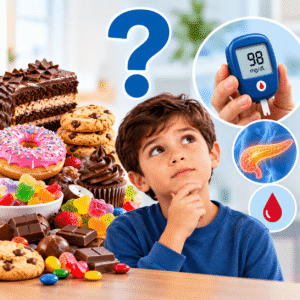

Does Obesity Cause Diabetes?
Yes, obesity can significantly increase the risk of developing type 2 diabetes, but it does not mean that everyone with obesity will develop diabetes. Excess body fat—particularly fat stored around the abdomen and internal organs—can make the body’s cells less responsive to insulin. This condition, called insulin resistance, is one of the main biological pathways leading to type 2 diabetes.
Obesity is therefore considered an important risk factor and biological driver of type 2 diabetes. However, diabetes is more complicated than body weight alone. Genetics, age, physical activity, diet, sleep, medications, family history, and other metabolic factors can all influence whether someone develops the condition.
Importantly, obesity does not cause type 1 diabetes, which is primarily an autoimmune disease.
How Can Obesity Lead to Type 2 Diabetes?
To understand the connection, it helps to understand what insulin does.
Insulin is a hormone produced by the pancreas. Its job is to help glucose move from your bloodstream into your cells, where it can be used for energy.
When a person develops excess body fat, particularly visceral fat around the abdominal organs, several metabolic changes may occur. The body’s muscle, liver, and fat cells can gradually become less responsive to insulin.
This is called insulin resistance.
The pancreas initially responds by making more insulin to keep blood sugar within a healthy range. For some people, this compensation can continue for years.
Eventually, however, the pancreas may no longer produce enough insulin to overcome the body’s resistance to it. Blood glucose begins to rise, potentially progressing from:
Normal blood glucose → insulin resistance → prediabetes → type 2 diabetes
This progression does not happen to everyone, and it is not always permanent. Early intervention can significantly change the course of the disease.
The American Diabetes Association describes obesity as an important pathophysiological driver of type 2 diabetes and recommends weight management as a major component of both diabetes prevention and treatment.
Why Does Excess Body Fat Affect Insulin?
Body fat is not simply stored energy. Fat tissue is biologically active and can release hormones, fatty acids, and signaling molecules that influence metabolism.
When excessive amounts of fat accumulate—particularly visceral fat—they may contribute to:
- increased insulin resistance
- chronic low-grade inflammation
- abnormal release of fatty acids into the bloodstream
- increased fat accumulation in the liver
- impaired glucose metabolism
- greater stress on insulin-producing beta cells in the pancreas
Over time, these changes can make controlling blood glucose increasingly difficult.
This is one reason where fat is stored can matter as well as how much body fat a person has.
Does Everyone With Obesity Develop Diabetes?
No.
Having obesity increases the likelihood of developing type 2 diabetes, but it does not guarantee that diabetes will occur.
Some people can have obesity for many years without developing diabetes, while others who are not classified as having obesity can still develop type 2 diabetes.
That is because diabetes develops through a combination of genetic, metabolic, environmental, and lifestyle factors.
Your overall risk may be influenced by factors such as:
- family history of type 2 diabetes
- age
- physical inactivity
- abdominal fat
- prediabetes
- history of gestational diabetes
- certain medications
- sleep problems
- high blood pressure
- abnormal cholesterol or triglyceride levels
- genetic susceptibility
The National Institute of Diabetes and Digestive and Kidney Diseases (NIDDK) identifies overweight and obesity among the important risk factors for type 2 diabetes while also recognizing that diabetes risk involves multiple factors.
Can Thin People Get Type 2 Diabetes?
Yes.
You do not have to have obesity to develop type 2 diabetes.
A person may appear relatively lean but still have significant insulin resistance or metabolic risk because of factors such as genetics, visceral fat, reduced muscle mass, age, family history, or fat accumulation around organs such as the liver.
This is an important reason not to think of type 2 diabetes simply as a disease caused by “being overweight.”
Body weight is one part of the picture—not the entire picture.
Does Obesity Cause Type 1 Diabetes?
No. Obesity is not considered the cause of type 1 diabetes.
Type 1 diabetes occurs when the immune system mistakenly attacks and destroys the insulin-producing beta cells in the pancreas.
As insulin production falls, people with type 1 diabetes need insulin treatment to regulate their blood glucose.
Someone with type 1 diabetes can also have overweight or obesity, but excess body fat is not the underlying cause of their type 1 diabetes.
This distinction matters because type 1 and type 2 diabetes develop through different biological mechanisms.
Obesity vs. Type 2 Diabetes: What Is the Relationship?
| Obesity-related change | Possible effect on diabetes risk |
|---|---|
| Increased visceral fat | May increase insulin resistance |
| Insulin resistance | Cells respond less effectively to insulin |
| Higher insulin demand | Pancreas must produce more insulin |
| Chronic metabolic stress | May impair pancreatic beta-cell function |
| Fat accumulation in the liver | Can worsen insulin resistance |
| Reduced ability to control glucose | Blood sugar may gradually increase |
| Persistent high blood glucose | Can eventually meet criteria for type 2 diabetes |
The key point is that obesity usually does not cause diabetes overnight.
The process may develop gradually over many years.
Can Losing Weight Reduce the Risk of Diabetes?
Yes. For people with overweight or obesity who are at increased risk of type 2 diabetes, losing even a moderate amount of weight can improve insulin sensitivity and reduce diabetes risk.
Current American Diabetes Association guidance recommends that adults with overweight or obesity who are at high risk of type 2 diabetes aim for at least 5% to 7% weight reduction, combined with healthy eating and approximately 150 minutes of moderate-intensity physical activity per week when appropriate.
For people who already have type 2 diabetes and overweight or obesity, the ADA reports that losing around 5% to 7% of initial body weight can improve blood glucose control and other cardiovascular risk factors. Greater sustained weight loss may provide additional benefits and, in some people, may contribute to diabetes remission.
For example, someone weighing 220 pounds would reach a 5% reduction after losing about 11 pounds.
The goal does not necessarily need to be reaching an “ideal” body weight before health improvements occur.
Can Weight Loss Reverse Type 2 Diabetes?
For some people, substantial and sustained weight loss can lead to type 2 diabetes remission.
Remission generally means that blood glucose remains below the diabetes range without glucose-lowering medication for a defined period.
However, remission is not the same as a permanent cure.
The underlying tendency toward diabetes can remain, and blood glucose can rise again if weight is regained or metabolic health changes.
The 2026 ADA Standards of Care note that greater sustained weight loss can produce larger improvements in A1C and fasting glucose and may lead to sustained remission in some people with type 2 diabetes.
What If Diet and Exercise Are Not Enough?
Obesity is a chronic medical condition, and managing it is not always simply a matter of eating less or exercising more.
Treatment can involve several approaches depending on a person’s health, preferences, medical history, and degree of metabolic risk.
These may include:
- nutrition counseling
- increased physical activity
- behavioral weight-management programs
- treatment of sleep problems
- prescription obesity medications
- diabetes medications that also support weight reduction
- metabolic or bariatric surgery in appropriate patients
Current ADA recommendations emphasize that obesity treatment should be individualized rather than relying on a single approach for everyone.
Some medications used for type 2 diabetes can also produce meaningful weight loss. However, these medications are not appropriate for everyone and should be selected with a qualified healthcare professional based on individual benefits, risks, medical conditions, and other medications.
How Can You Lower Your Risk of Type 2 Diabetes?
If you have overweight, obesity, prediabetes, or a strong family history of diabetes, focusing on metabolic health can reduce your risk.
Helpful strategies can include:
1. Be physically active
Physical activity allows muscles to use glucose more effectively and can improve insulin sensitivity.
For people at high risk of diabetes, the ADA recommends aiming for at least 150 minutes of moderate-intensity activity per week, when medically appropriate.
2. Focus on sustainable eating habits
Rather than following an extreme temporary diet, focus on a long-term eating pattern built around foods such as:
- vegetables
- whole fruits
- legumes
- whole grains
- nuts and seeds
- lean protein sources
- minimally processed foods
Reducing frequent consumption of highly processed, calorie-dense foods and sugar-sweetened drinks may also help with weight and glucose management.
3. Reduce excess weight if appropriate
Even modest weight loss can have meaningful metabolic benefits.
You do not necessarily need dramatic weight loss before insulin sensitivity, blood glucose, blood pressure, and other risk factors begin improving.
4. Get enough sleep
Poor or insufficient sleep may interfere with hormones involved in appetite, glucose regulation, and insulin sensitivity.
5. Know your blood glucose
Type 2 diabetes can develop gradually and may cause few noticeable symptoms at first.
If you have risk factors, ask a healthcare professional whether you should be tested with an:
- A1C test
- fasting plasma glucose test
- oral glucose tolerance test
When Should You Get Tested for Diabetes?
Consider discussing diabetes screening with a healthcare professional if you have overweight or obesity along with other risk factors, or if you have symptoms that could suggest high blood glucose.
Possible symptoms include:
- frequent urination
- increased thirst
- unexplained fatigue
- blurred vision
- slow-healing wounds
- frequent infections
- unexplained weight loss
- increased hunger
- tingling or numbness in the hands or feet
These symptoms do not automatically mean you have diabetes, but persistent symptoms should be evaluated.
Seek prompt medical attention if very high blood glucose is accompanied by severe vomiting, dehydration, confusion, difficulty breathing, or loss of consciousness.
Frequently Asked Questions
Is obesity the main cause of diabetes?
Obesity is one of the strongest modifiable risk factors for type 2 diabetes, but it is not the only cause. Genetics, age, insulin resistance, physical activity, body-fat distribution, medications, and other metabolic factors can also contribute.
Can obesity cause type 1 diabetes?
No. Type 1 diabetes is primarily an autoimmune disease in which the immune system destroys the pancreas’s insulin-producing cells. Obesity is not considered its underlying cause.
Can you develop diabetes without being overweight?
Yes. People with a normal BMI can develop type 2 diabetes. Genetics, visceral fat, age, muscle mass, family history, and other metabolic factors can affect risk.
Can losing weight prevent diabetes?
For many people with overweight or obesity and increased diabetes risk, modest weight loss combined with regular physical activity can significantly lower the chance of progressing to type 2 diabetes.
How much weight should I lose to reduce diabetes risk?
There is no single target for everyone. In people at high risk of type 2 diabetes, a commonly recommended initial goal is approximately 5% to 7% of starting body weight. Individual goals should be discussed with a healthcare professional.
Is diabetes caused by eating too much?
Not directly. Regularly consuming more energy than the body needs can contribute to weight gain and metabolic problems, but type 2 diabetes develops through a much more complicated interaction among insulin resistance, genetics, body-fat distribution, pancreatic function, lifestyle, and other health factors.
The Bottom Line
Obesity can contribute significantly to the development of type 2 diabetes, mainly by increasing insulin resistance and placing greater demand on the pancreas. But obesity does not mean diabetes is inevitable, and it is not the cause of type 1 diabetes.
Diabetes risk depends on much more than the number on a scale. Genetics, abdominal fat, physical activity, age, diet, sleep, medications, and overall metabolic health can all influence whether type 2 diabetes develops.
For people with overweight or obesity who are at increased risk, even modest, sustained weight loss and regular physical activity can improve insulin sensitivity and help prevent or delay type 2 diabetes. If you have prediabetes or other risk factors, getting your blood glucose checked and discussing an individualized prevention plan with a healthcare professional can be a useful next step.
References
- American Diabetes Association Professional Practice Committee. Obesity and Weight Management for the Prevention and Treatment of Diabetes: Standards of Care in Diabetes—2026. Diabetes Care.
- American Diabetes Association Professional Practice Committee. Prevention or Delay of Diabetes and Associated Comorbidities: Standards of Care in Diabetes—2026. Diabetes Care.
- National Institute of Diabetes and Digestive and Kidney Diseases. Risk Factors for Type 2 Diabetes.
- American Diabetes Association Professional Practice Committee. Pharmacologic Approaches to Glycemic Treatment: Standards of Care in Diabetes—2026. Diabetes Care.
Medical disclaimer: This article is intended for general educational purposes and should not be used as a substitute for personalized medical advice, diagnosis, or treatment. If you are concerned about your blood glucose, weight, or risk of diabetes, speak with a qualified healthcare professional.