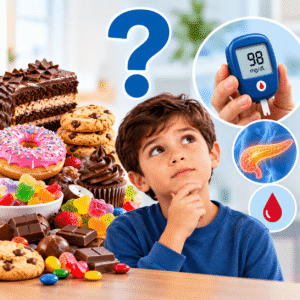

Does Sugar Cause Diabetes?
If you enjoy sweets, soda, or dessert, you may have wondered: Does eating too much sugar cause diabetes?
The short answer is not directly.
Eating sugar does not automatically cause diabetes. However, regularly consuming large amounts of added sugar—especially through sugary drinks—can contribute to weight gain and other metabolic changes that increase the risk of type 2 diabetes.
The connection also depends on the type of diabetes. Type 1 diabetes is an autoimmune disease and is not caused by eating sugar. Type 2 diabetes develops through a combination of insulin resistance, genetics, body weight, physical activity, and other health and lifestyle factors.
Here’s what you need to know about sugar and diabetes.
Does Eating Sugar Cause Diabetes?
Eating sugar by itself does not directly cause diabetes.
When you eat carbohydrates, including sugar, your digestive system breaks them down into glucose. Glucose enters your bloodstream and becomes an important source of energy for your body’s cells.
Your pancreas responds by releasing insulin, a hormone that helps glucose move from your bloodstream into your cells.
Having glucose in your blood after eating is therefore normal.
Diabetes develops when this glucose-regulating system does not work properly. Exactly why that happens depends on the type of diabetes.
Does Sugar Cause Type 1 Diabetes?
No. Eating sugar does not cause type 1 diabetes.
Type 1 diabetes is an autoimmune disease. It develops when the immune system mistakenly attacks and destroys the beta cells in the pancreas that produce insulin.
As these cells are destroyed, the body makes little or no insulin. People with type 1 diabetes therefore need insulin to regulate their blood glucose.
Genetics and environmental factors may influence who develops type 1 diabetes, although researchers are still investigating exactly what triggers the autoimmune process.
Eating too much sugar is not considered the cause.
This is particularly important for parents to understand. If a child develops type 1 diabetes, it did not happen because the child ate too many sweets or because a parent allowed sugar in their diet.
Can Too Much Sugar Increase the Risk of Type 2 Diabetes?
A diet high in added sugar may contribute to a higher risk of type 2 diabetes, but the relationship is more complicated than simply “sugar causes diabetes.”
Type 2 diabetes develops when the body does not use insulin effectively, a problem known as insulin resistance, and eventually cannot make enough insulin to keep blood glucose within a healthy range.
Several factors can increase the likelihood of developing type 2 diabetes, including:
- Overweight or obesity
- Family history of type 2 diabetes
- Physical inactivity
- Prediabetes
- Increasing age
- History of gestational diabetes
- Certain health conditions associated with insulin resistance
- Genetic factors
Frequently consuming foods and drinks high in added sugars can also provide excess calories. Over time, this may contribute to weight gain, which is an important modifiable risk factor for type 2 diabetes.
However, not everyone with overweight or obesity develops diabetes, and people at a healthy body weight can also develop type 2 diabetes.
What About Sugary Drinks?
Sugary drinks have one of the clearest connections between added sugar intake and type 2 diabetes risk.
Sugar-sweetened beverages include:
- Regular soda
- Sweetened fruit drinks
- Energy drinks
- Sports drinks
- Sweet tea
- Sweetened coffee drinks
- Other beverages containing added sugars
These drinks can contain large amounts of rapidly absorbed sugar while providing relatively little nutritional value.
Regular consumption of sugar-sweetened beverages is associated with weight gain, obesity, and type 2 diabetes.
Replacing sugary drinks with water, unsweetened beverages, or other lower-sugar options can be a practical way to reduce added sugar intake.
Does Sugar Cause Insulin Resistance?
Consuming sugar does not mean you will automatically become insulin resistant.
Insulin resistance develops when muscle, fat, and liver cells do not respond to insulin as effectively as they should.
When this happens, the pancreas produces more insulin to help move glucose into cells. For a while, the pancreas may be able to compensate.
Eventually, however, it may no longer produce enough insulin to maintain normal blood glucose levels. This can contribute to prediabetes and eventually type 2 diabetes.
Insulin resistance is influenced by several factors, including body weight, genetics, physical activity, and metabolic health.
A dietary pattern containing excessive calories and large amounts of added sugar may contribute to the conditions that promote insulin resistance, particularly when it contributes to excess weight.
Does Eating Sweets Raise Blood Sugar?
Yes. Foods containing sugar and other carbohydrates can raise blood glucose after you eat them.
But a rise in blood glucose after eating does not mean you have diabetes.
In someone without diabetes, the pancreas releases insulin to help bring glucose back toward its usual range.
In diabetes, the body either does not produce enough insulin, does not use insulin effectively, or both. This allows glucose to remain elevated.
The important distinction is:
Sugar can raise blood glucose, but raising blood glucose temporarily is not the same as causing diabetes.
Are Natural Sugars Better Than Added Sugars?
Sugar occurs naturally in foods such as:
- Fruit
- Milk
- Some vegetables
These foods can also provide valuable nutrients such as fiber, vitamins, minerals, protein, and other beneficial compounds.
Added sugars, on the other hand, are sugars added to foods and drinks during processing, preparation, or cooking.
Common sources include:
- Candy
- Cookies
- Cakes
- Regular soda
- Sweetened cereals
- Sweetened coffee
- Desserts
- Syrups
- Many packaged snacks
The nutritional context matters.
For example, eating an apple is different from drinking a sugary soft drink. An apple provides fiber and nutrients along with naturally occurring sugar, while a soft drink can deliver a large amount of added sugar with little nutritional benefit.
You generally do not need to avoid whole fruit simply because it contains natural sugar.
Can You Get Diabetes From Eating Too Much Candy?
Eating a large amount of candy occasionally does not suddenly cause diabetes.
Type 2 diabetes usually develops gradually as multiple risk factors interact over time.
However, frequently eating candy and other foods high in added sugars can contribute to excessive calorie intake and weight gain when they make up too much of the overall diet.
Rather than focusing on one food, it is more useful to consider your overall eating pattern.
A balanced diet can still include occasional sweets.
Can You Get Diabetes Even If You Don’t Eat Sugar?
Yes.
Someone can develop diabetes even if they rarely eat sweets.
Type 1 diabetes is caused by an autoimmune process rather than sugar consumption.
Type 2 diabetes also has multiple causes and risk factors. Genetics can play a significant role, and some people develop type 2 diabetes despite eating a generally healthy diet.
This is why describing diabetes simply as a disease caused by eating too much sugar is misleading.
Is Diabetes Caused by Being Overweight?
Not necessarily.
Having overweight or obesity is an important risk factor for type 2 diabetes, but it is not the only one.
Some people with obesity never develop type 2 diabetes, while some people who develop the condition are not obese.
Risk is influenced by a combination of factors, including:
- Genetics
- Family history
- Age
- Physical activity
- Body composition
- Insulin resistance
- Previous gestational diabetes
- Other health conditions
Body weight is therefore one part of the picture rather than the entire explanation.
Should You Stop Eating Sugar to Prevent Diabetes?
You do not need to eliminate every source of sugar from your diet to reduce your risk of type 2 diabetes.
A more realistic approach is to limit added sugars, particularly sugary drinks, while focusing on an overall nutritious eating pattern.
Helpful habits may include:
- Drinking water instead of sugary drinks more often
- Eating whole fruit instead of relying on sweetened fruit drinks
- Choosing whole grains more often
- Eating plenty of vegetables
- Including beans, nuts, seeds, and other fiber-rich foods
- Choosing appropriate sources of protein
- Limiting highly processed foods high in added sugar
- Staying physically active
- Maintaining a healthy weight when possible
If you have prediabetes or other risk factors for type 2 diabetes, even modest lifestyle changes may be helpful.
How Much Sugar Is Too Much?
Rather than trying to eliminate sugar completely, pay attention to added sugar.
Added sugars can appear under many names on food labels, including sugar, syrups, honey, and concentrated fruit juice sweeteners.
Checking the Nutrition Facts label can help you compare products and identify foods or beverages that contain substantial amounts of added sugar.
Sugary drinks are a particularly useful place to start because they can provide a large amount of added sugar in a single serving.
What Are the Early Signs of Diabetes?
Knowing the symptoms of diabetes is important, particularly if you have risk factors.
Possible symptoms include:
- Frequent urination
- Increased thirst
- Increased hunger
- Unexplained weight loss
- Fatigue
- Blurred vision
- Slow-healing sores
- Numbness or tingling in the hands or feet
Type 2 diabetes can develop slowly, and some people have few or no noticeable symptoms.
Type 1 diabetes may develop more quickly, particularly in children.
Symptoms such as vomiting, abdominal pain, severe tiredness, dehydration, fruity-smelling breath, or difficulty breathing can be signs of diabetic ketoacidosis (DKA) and require urgent medical attention.
When Should You Get Tested for Diabetes?
Consider discussing diabetes testing with a healthcare professional if you have symptoms of diabetes or risk factors for type 2 diabetes.
Diabetes is diagnosed using blood tests rather than symptoms alone.
Common tests include:
- A1C
- Fasting plasma glucose
- Oral glucose tolerance testing
- Random plasma glucose in certain circumstances
A healthcare professional can determine which test is appropriate based on your symptoms and risk factors.
The Bottom Line
Sugar does not directly cause diabetes.
Type 1 diabetes is an autoimmune disease and is not caused by eating sugar.
Type 2 diabetes develops because of a combination of factors, including insulin resistance, genetics, body weight, physical activity, age, and other health factors.
However, consuming large amounts of added sugar—particularly through sugary drinks—can contribute to weight gain and is associated with a higher risk of type 2 diabetes.
You do not need to fear every food containing sugar. Instead, focus on your overall eating pattern, limit sugary drinks and excessive added sugars, stay physically active, and know your personal risk factors.
FAQs
Can eating too much sugar give you diabetes?
Not directly. Eating excessive amounts of added sugar can contribute to weight gain and other factors associated with type 2 diabetes, but diabetes develops from multiple interacting causes.
Does sugar cause type 1 diabetes?
No. Type 1 diabetes is an autoimmune disease in which the immune system destroys insulin-producing cells in the pancreas. Eating sugar does not cause this process.
Does sugar cause type 2 diabetes?
Sugar itself is not the sole cause of type 2 diabetes. However, frequently consuming large amounts of added sugar, particularly sugary drinks, may increase risk directly or indirectly through weight gain and related metabolic factors.
Can a healthy person get diabetes from eating sweets?
Eating sweets occasionally does not suddenly cause diabetes. Your overall diet, genetics, body weight, physical activity, age, and other factors are more important when considering type 2 diabetes risk.
Can you develop diabetes without eating sweets?
Yes. Both type 1 and type 2 diabetes can develop in people who do not eat much added sugar.
Is fruit bad for diabetes because it contains sugar?
Whole fruit contains naturally occurring sugar, but it also provides fiber, vitamins, minerals, and other nutrients. Whole fruit can generally be part of a healthy eating plan, including for many people with diabetes.
What is worse for diabetes, sugar or carbohydrates?
Sugar is a type of carbohydrate. Different carbohydrate-containing foods affect blood glucose differently depending on factors such as portion size, fiber, processing, and what else is eaten with them. Rather than avoiding all carbohydrates, focus on carbohydrate quality and appropriate portions.