7 Best Lifestyle Changes to Manage Type 2 Diabetes
Type 2 diabetes management depends on daily behavior. You lower blood glucose, improve insulin sensitivity, and reduce cardiovascular risk through structured lifestyle changes. Research shows that combined lifestyle intervention reduces HbA1c by 1–2% in many adults.
Below, you will find the 7 most effective lifestyle changes.
1. How Does a Balanced Diet Improve Blood Sugar Control?
A balanced diet stabilizes postprandial glucose levels. You reduce rapid glucose spikes by limiting refined carbohydrates and increasing fiber.
Apply these strategies:
-
Replace white bread with whole grains (GI <55)
-
Increase fiber intake to 25–38 g/day
-
Limit added sugar to <10% of total calories
-
Combine carbohydrates with protein or fat
Example: Oats + Greek yogurt causes a slower glucose rise than white toast + jam.
Diet directly influences body weight. Next, weight reduction enhances insulin action.
2. Why Does Losing 5–10% of Body Weight Improve Diabetes?
Weight loss reduces visceral fat and inflammatory markers. You improve insulin signaling and lower hepatic glucose production.
Clinical evidence shows:
-
5% weight loss lowers HbA1c by ~0.5%
-
10% weight loss improves triglycerides and blood pressure
-
A modest reduction decreases cardiovascular risk
If you weigh 100 kg, a 5 kg loss creates measurable metabolic improvement.
Physical activity strengthens this effect.
3. How Does Regular Exercise Lower Blood Glucose?
Exercise increases skeletal muscle glucose uptake via GLUT4 activation. You reduce insulin resistance during and after activity.
Recommended targets:
-
Perform ≥150 minutes/week moderate aerobic exercise
-
Add resistance training 2–3 times weekly
-
Walk 10–15 minutes after meals
Post-meal walking can reduce glucose levels by 20–30 mg/dL in many individuals.
Movement works best when daily sitting time decreases.
4. Why Should You Reduce Sedentary Time?
Prolonged sitting decreases muscle glucose utilization. You increase insulin resistance when you remain inactive for extended periods.
Action steps:
-
Stand every 30–60 minutes
-
Use a standing desk
-
Take short movement breaks
Reducing sedentary time improves glycemic variability independent of structured exercise.
Sleep quality also affects glucose regulation.
5. How Does Sleep Quality Affect Type 2 Diabetes?
Sleep regulates cortisol, growth hormone, and insulin sensitivity. You impair glucose metabolism when you sleep under 6 hours per night.
Evidence links short sleep duration to a 20–30% higher diabetes risk.
Improve sleep by:
-
Maintaining 7–9 hours nightly
-
Keeping consistent sleep times
-
Avoiding heavy meals before bed
Stress hormones also influence blood sugar levels.
6. How Does Stress Management Support Blood Sugar Control?
Stress increases cortisol and adrenaline, which stimulate hepatic glucose release. You elevate blood sugar during chronic psychological stress.
Effective methods include:
-
Practicing mindfulness meditation
-
Performing controlled breathing exercises
-
Engaging in moderate physical activity
Stress reduction lowers glycemic fluctuations and supports long-term control.
Monitoring ensures you measure progress accurately.
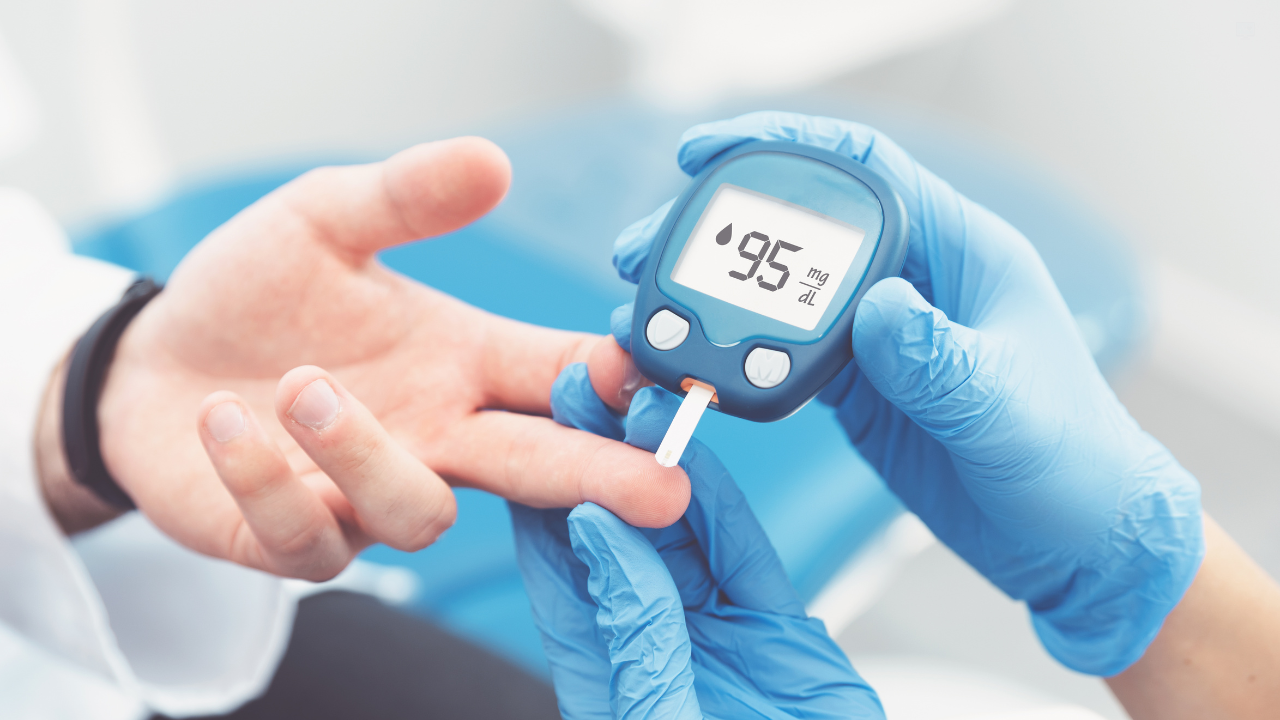
7. Why Is Regular Blood Glucose Monitoring Important?
Monitoring identifies patterns between food, activity, and glucose response. You adjust lifestyle decisions using measurable data.
Benefits include:
-
Detecting hyperglycemia early
-
Evaluating meal impact
-
Improving HbA1c outcomes
Self-monitoring increases treatment adherence and supports personalized adjustments.
How Do These 7 Lifestyle Changes Work Together?
Diet controls glucose input. Exercise increases glucose utilization. Weight loss improves insulin signaling. Sleep and stress regulate hormones. Monitoring guides decisions.
Combined interventions reduce microvascular and cardiovascular complications more effectively than single changes.
Take the Next Step Toward Better Diabetes Control
Lifestyle changes work best when they’re guided, monitored, and supported by medical professionals. If you’re ready to turn these seven strategies into real, lasting results, Northern Arizona Medical Group is here to support you at every step.
Our care team provides comprehensive Type 2 diabetes management across Arizona and nearby areas, combining medical expertise with modern Remote Patient Monitoring (RPM) devices that track your blood glucose trends in real time. This allows your providers to adjust your care proactively, catch risks early, and help you stay within healthy targets—without guesswork.
Don’t manage diabetes alone. Schedule a consultation with Northern Arizona Medical Group today and take control of your blood sugar with expert care, continuous monitoring, and a plan built around your life.