Prediabetes Symptoms in Kingman, AZ: Early Warning Signs, Risks, and When to Get Tested
Prediabetes is a condition where blood sugar levels are higher than normal but not yet high enough to be diagnosed as type 2 diabetes. The most important fact about prediabetes symptoms is that many people have no obvious symptoms at all, which means the condition can develop silently for years.
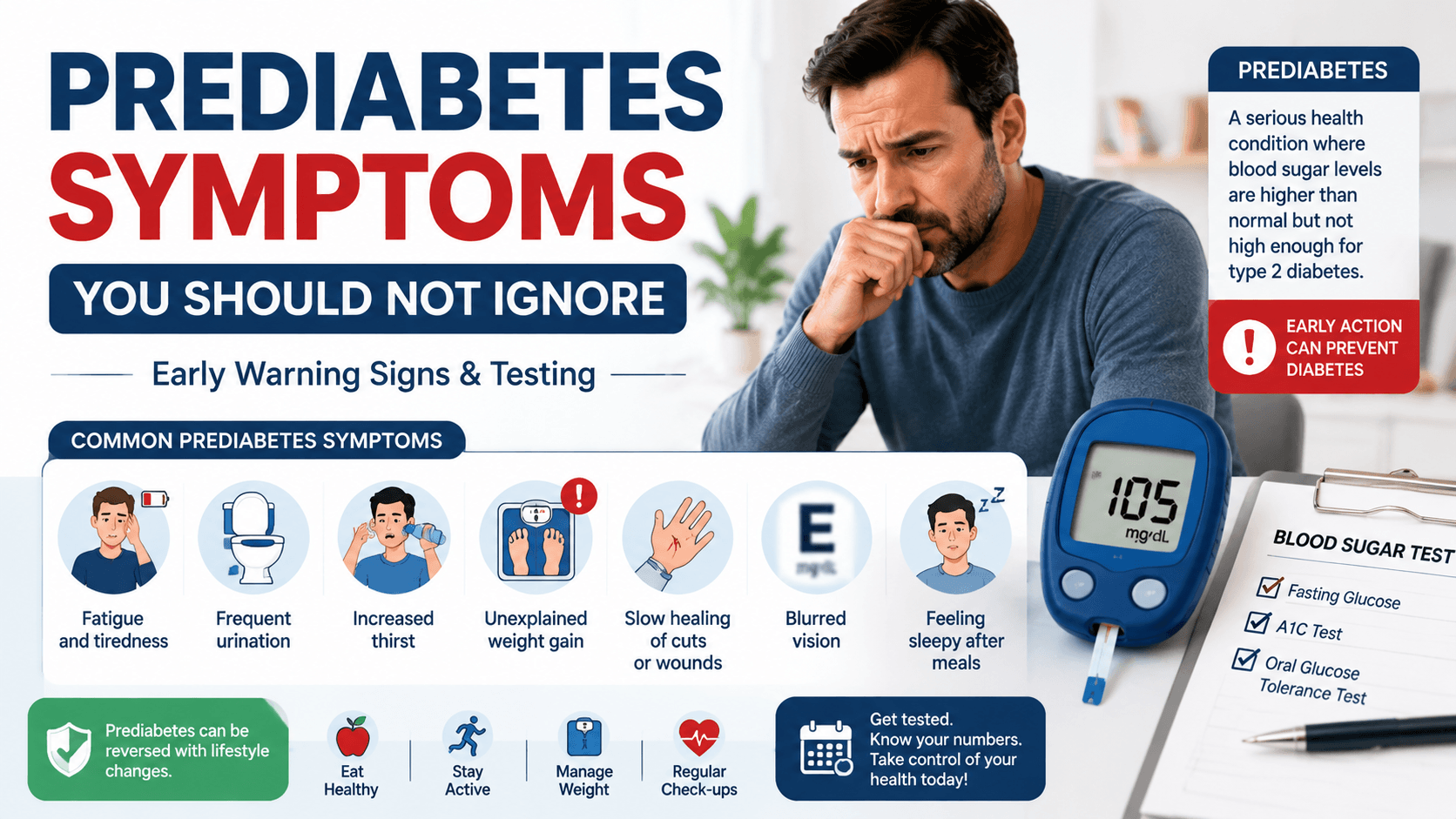
However, some people may notice subtle changes linked to rising blood glucose or insulin resistance, including unusual fatigue, increased thirst, frequent urination, blurred vision, increased hunger, or skin changes such as dark patches around the neck or armpits.
Recognizing possible warning signs matters because prediabetes is an early stage where lifestyle changes, regular monitoring, and medical guidance can significantly reduce the risk of developing type 2 diabetes.
For adults living in Kingman, AZ, understanding your blood sugar levels and getting appropriate screening can help identify health risks before they become more serious.
Northern Arizona Medical Group provides primary care services that help patients evaluate blood sugar concerns, manage chronic conditions, and create personalized healthcare plans.
What Are the Most Important Facts About Prediabetes Symptoms?
Prediabetes often does not cause noticeable symptoms, but some people may experience early warning signs related to insulin resistance and elevated blood glucose.
Key facts:
- Prediabetes is frequently discovered during routine blood testing.
- Symptoms may be mild and confused with stress, aging, poor sleep, or lifestyle factors.
- Having diabetes risk factors can be more important than having symptoms.
- Blood glucose testing is required to confirm prediabetes.
Prediabetes occurs when the body begins having difficulty using insulin effectively. Insulin helps move glucose from the bloodstream into cells where it can be used for energy.
Why Does Prediabetes Often Have No Noticeable Symptoms?
Prediabetes often has no symptoms because blood sugar levels are elevated but usually not high enough to cause major changes.
The body may compensate for insulin resistance by producing more insulin. This can keep blood glucose levels only slightly above normal for some time.
Because symptoms may be absent:
- Many people do not know they have prediabetes.
- Routine screening becomes important.
- Waiting for symptoms may delay diagnosis.
This is why adults with risk factors should discuss blood sugar screening with a healthcare provider.
What Early Prediabetes Symptoms Should You Not Ignore?
Early prediabetes symptoms can be subtle and are not always caused by blood sugar problems. However, certain changes should be discussed with a healthcare professional.
Common possible warning signs include:
| Possible Sign | Why It May Be Related to Prediabetes |
|---|---|
| Persistent fatigue | Insulin resistance may affect how the body uses glucose for energy |
| Increased thirst | Rising glucose levels can affect fluid balance |
| Frequent urination | The kidneys may respond to increased glucose levels |
| Blurred vision | Glucose changes may affect fluid balance in the eyes |
| Increased hunger | The body may not use glucose efficiently |
| Darkened skin patches | May be associated with insulin resistance |
| Slow healing wounds | May be related to blood sugar changes |
These symptoms do not prove someone has prediabetes. Blood testing is needed for diagnosis.
Prediabetes Symptoms in Older Adults: Why Screening Matters
Many adults, especially those over age 45, may have prediabetes without knowing it.
Older adults may have increased risk because of:
- Age-related changes in metabolism
- Family history of diabetes
- High blood pressure
- Cholesterol problems
- Reduced physical activity
- Weight changes
Early screening allows healthcare providers to identify blood sugar concerns and create a plan before diabetes develops.
Who Should Be Tested for Prediabetes Even Without Symptoms?
People with certain risk factors should consider screening even if they feel healthy.
Risk factors include:
- Being overweight or having obesity
- Having a parent, brother, or sister with diabetes
- High blood pressure
- Abnormal cholesterol levels
- History of gestational diabetes
- Low physical activity levels
- Conditions associated with insulin resistance
If you live in Kingman, AZ, and have these risk factors, a primary care visit can help determine whether blood sugar testing is appropriate.
How Is Prediabetes Diagnosed?
Prediabetes is diagnosed through blood glucose testing, not symptoms alone.
Common tests include:
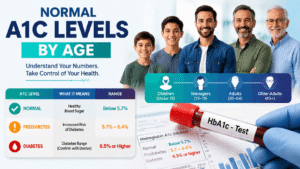
| Test | Prediabetes Range |
|---|---|
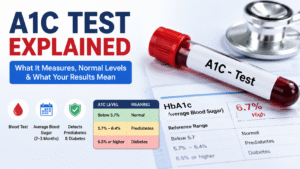
| A1C test | 5.7%–6.4% |
| Fasting plasma glucose | 100–125 mg/dL |
| Oral glucose tolerance test | 140–199 mg/dL after two hours |
A healthcare provider determines the most appropriate testing based on your health history and risk factors.
Prediabetes Screening in Kingman, AZ: When Should You See a Doctor?
Many people wait until symptoms become noticeable before seeking medical care. However, prediabetes often develops silently.
You should consider discussing screening with a healthcare provider if:
- Your A1C has been elevated
- You have a family history of diabetes
- You have high blood pressure
- You have cholesterol concerns
- You have experienced unexplained fatigue or increased thirst
- You want to understand your diabetes risk
Northern Arizona Medical Group helps Kingman residents evaluate blood sugar concerns and develop personalized health plans.
Schedule an appointment with Northern Arizona Medical Group to discuss prediabetes screening and diabetes prevention.
What Happens During a Prediabetes Appointment?
During a prediabetes evaluation, your healthcare provider may:
- Review your medical history
- Discuss symptoms and risk factors
- Review previous laboratory results
- Recommend appropriate blood sugar testing
- Discuss nutrition and physical activity
- Create a personalized prevention plan
A healthcare visit provides guidance based on your individual health needs rather than relying only on general information.
What Happens If Prediabetes Is Ignored?
Ignoring prediabetes increases the risk of developing type 2 diabetes.
Without intervention, insulin resistance may worsen and blood glucose levels may continue increasing.
Possible risks include:
- Higher risk of type 2 diabetes
- Increased cardiovascular risk
- Continued insulin resistance
- More difficulty managing blood sugar later
The good news is that prediabetes provides an opportunity to make changes early.
Can Prediabetes Be Prevented or Reversed?
Prediabetes can often improve through lifestyle changes that support healthier blood sugar levels.
Helpful strategies include:
Improve Eating Patterns
- Eat more vegetables and fiber-rich foods
- Choose balanced meals with protein
- Reduce sugary drinks
- Limit highly processed foods
Increase Physical Activity
Regular movement helps muscles use glucose more effectively.
Examples include:
- Walking
- Cycling
- Swimming
- Resistance training
Maintain a Healthy Weight
For people with excess weight, modest weight loss can improve insulin sensitivity.
What Are the Biggest Misconceptions About Prediabetes Symptoms?
“If I feel fine, I cannot have prediabetes.”
False. Prediabetes frequently has no symptoms.
“Prediabetes automatically becomes diabetes.”
False. Early lifestyle changes and medical support can reduce progression risk.
“Symptoms alone can tell me if I have prediabetes.”
False. Blood testing is required for diagnosis.
What Are the Key Takeaways About Prediabetes Warning Signs?
- Prediabetes means blood sugar levels are higher than normal but not yet in the diabetes range.
- Many people have no noticeable symptoms.
- Fatigue, thirst, frequent urination, blurred vision, and skin changes may be warning signs.
- Risk factors can be stronger indicators than symptoms.
- Blood tests are the only reliable way to diagnose prediabetes.
- Early action can reduce the risk of type 2 diabetes.
Frequently Asked Questions About Prediabetes Symptoms
Can prediabetes cause symptoms?
Prediabetes usually does not cause noticeable symptoms, but some people may experience subtle changes related to insulin resistance.
What are the first warning signs of prediabetes?
Possible warning signs include fatigue, increased thirst, frequent urination, blurred vision, increased hunger, and darkened skin patches.
Can you have prediabetes and feel completely normal?
Yes. Many people discover prediabetes only through blood testing.
How do I know if I have prediabetes?
A healthcare provider can diagnose prediabetes using blood tests such as A1C or fasting glucose testing.
Is prediabetes reversible?
Many people improve blood sugar levels through lifestyle changes, physical activity, weight management, and medical guidance.
Conclusion: Take Action on Prediabetes Before It Becomes Diabetes
Prediabetes is often a silent condition, but it is also an opportunity for prevention.
Recognizing possible warning signs, understanding your risk factors, and getting appropriate blood tests can help identify problems early.
If you live in Kingman, AZ, and are concerned about prediabetes symptoms, A1C levels, or diabetes risk, schedule an appointment with Northern Arizona Medical Group.
Early evaluation can help you understand your health risks and take steps toward preventing type 2 diabetes.