
August 31, 2026

Prediabetes Symptoms and Early Warning Signs

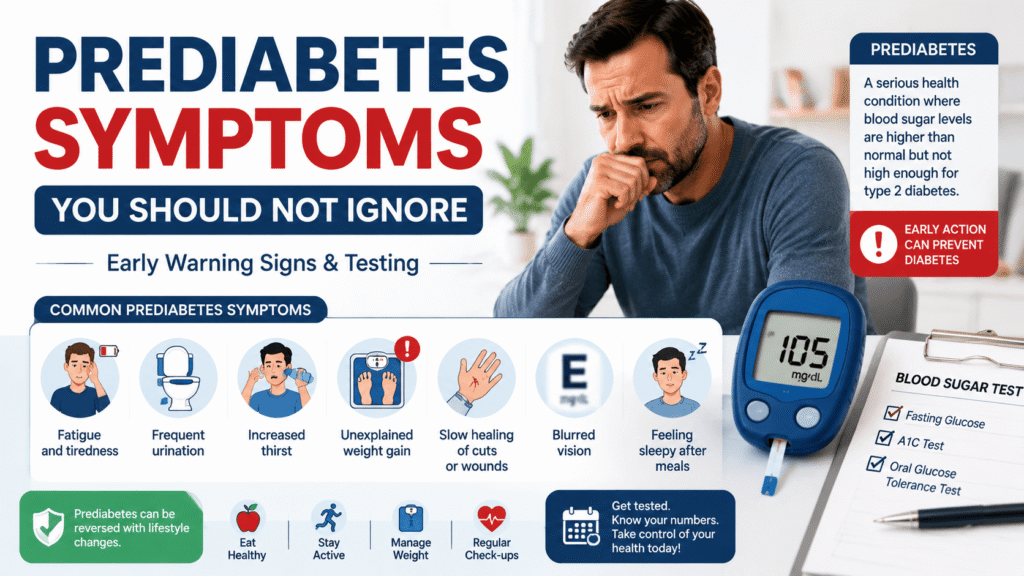
Prediabetes Symptoms You Should Not Ignore: Early Warning Signs & Testing

Prediabetes Symptoms in Kingman, AZ: Early Warning Signs, Risks, and When to Get Tested Prediabetes is a condition where blood sugar levels are higher than normal but not yet high enough to be diagnosed as type 2 diabetes. The most important fact about prediabetes symptoms is that many people have no obvious symptoms at all, which means the condition can develop silently for years. However, some people may notice subtle changes linked to rising blood glucose or insulin resistance, including unusual fatigue, increased thirst, frequent urination, blurred vision, increased hunger, or skin changes such as dark patches around the neck or armpits. Recognizing possible warning signs matters because prediabetes is an early stage where lifestyle changes, regular monitoring, and medical guidance can significantly reduce the risk of developing type 2 diabetes. For adults living in Kingman, AZ, understanding your blood sugar levels and getting appropriate screening can help identify health risks before they become more serious. Northern Arizona Medical Group provides primary care services that help patients evaluate blood sugar concerns, manage chronic conditions, and create personalized healthcare plans. What Are the Most Important Facts About Prediabetes Symptoms? Prediabetes often does not cause noticeable symptoms, but some people may experience early warning signs related to insulin resistance and elevated blood glucose. Key facts: Prediabetes is frequently discovered during routine blood testing. Symptoms may be mild and confused with stress, aging, poor sleep, or lifestyle factors. Having diabetes risk factors can be more important than having symptoms. Blood glucose testing is required to confirm prediabetes. Prediabetes occurs when the body begins having difficulty using insulin effectively. Insulin helps move glucose from the bloodstream into cells where it can be used for energy. Why Does Prediabetes Often Have No Noticeable Symptoms? Prediabetes often has no symptoms because blood sugar levels are elevated but usually not high enough to cause major changes. The body may compensate for insulin resistance by producing more insulin. This can keep blood glucose levels only slightly above normal for some time. Because symptoms may be absent: Many people do not know they have prediabetes. Routine screening becomes important. Waiting for symptoms may delay diagnosis. This is why adults with risk factors should discuss blood sugar screening with a healthcare provider. What Early Prediabetes Symptoms Should You Not Ignore? Early prediabetes symptoms can be subtle and are not always caused by blood sugar problems. However, certain changes should be discussed with a healthcare professional. Common possible warning signs include: Possible Sign Why It May Be Related to Prediabetes Persistent fatigue Insulin resistance may affect how the body uses glucose for energy Increased thirst Rising glucose levels can affect fluid balance Frequent urination The kidneys may respond to increased glucose levels Blurred vision Glucose changes may affect fluid balance in the eyes Increased hunger The body may not use glucose efficiently Darkened skin patches May be associated with insulin resistance Slow healing wounds May be related to blood sugar changes These symptoms do not prove someone has prediabetes. Blood testing is needed for diagnosis. Prediabetes Symptoms in Older Adults: Why Screening Matters Many adults, especially those over age 45, may have prediabetes without knowing it. Older adults may have increased risk because of: Age-related changes in metabolism Family history of diabetes High blood pressure Cholesterol problems Reduced physical activity Weight changes Early screening allows healthcare providers to identify blood sugar concerns and create a plan before diabetes develops. Who Should Be Tested for Prediabetes Even Without Symptoms? People with certain risk factors should consider screening even if they feel healthy. Risk factors include: Being overweight or having obesity Having a parent, brother, or sister with diabetes High blood pressure Abnormal cholesterol levels History of gestational diabetes Low physical activity levels Conditions associated with insulin resistance If you live in Kingman, AZ, and have these risk factors, a primary care visit can help determine whether blood sugar testing is appropriate. How Is Prediabetes Diagnosed? Prediabetes is diagnosed through blood glucose testing, not symptoms alone. Common tests include: Test Prediabetes Range A1C test 5.7%–6.4% Fasting plasma glucose 100–125 mg/dL Oral glucose tolerance test 140–199 mg/dL after two hours A healthcare provider determines the most appropriate testing based on your health history and risk factors. Prediabetes Screening in Kingman, AZ: When Should You See a Doctor? Many people wait until symptoms become noticeable before seeking medical care. However, prediabetes often develops silently. You should consider discussing screening with a healthcare provider if: Your A1C has been elevated You have a family history of diabetes You have high blood pressure You have cholesterol concerns You have experienced unexplained fatigue or increased thirst You want to understand your diabetes risk Northern Arizona Medical Group helps Kingman residents evaluate blood sugar concerns and develop personalized health plans. Schedule an appointment with Northern Arizona Medical Group to discuss prediabetes screening and diabetes prevention. What Happens During a Prediabetes Appointment? During a prediabetes evaluation, your healthcare provider may: Review your medical history Discuss symptoms and risk factors Review previous laboratory results Recommend appropriate blood sugar testing Discuss nutrition and physical activity Create a personalized prevention plan A healthcare visit provides guidance based on your individual health needs rather than relying only on general information. What Happens If Prediabetes Is Ignored? Ignoring prediabetes increases the risk of developing type 2 diabetes. Without intervention, insulin resistance may worsen and blood glucose levels may continue increasing. Possible risks include: Higher risk of type 2 diabetes Increased cardiovascular risk Continued insulin resistance More difficulty managing blood sugar later The good news is that prediabetes provides an opportunity to make changes early. Can Prediabetes Be Prevented or Reversed? Prediabetes can often improve through lifestyle changes that support healthier blood sugar levels. Helpful strategies include: Improve Eating Patterns Eat more vegetables and fiber-rich foods Choose balanced meals with protein Reduce sugary drinks Limit highly processed foods Increase Physical Activity Regular movement helps muscles use glucose more effectively. Examples include: Walking Cycling Swimming Resistance training Maintain a Healthy Weight For people with excess weight,

Prediabetes Symptoms You Should Not Ignore: Early Warning Signs & Testing Read More »
Understanding Prediabetes Signs and Prevention

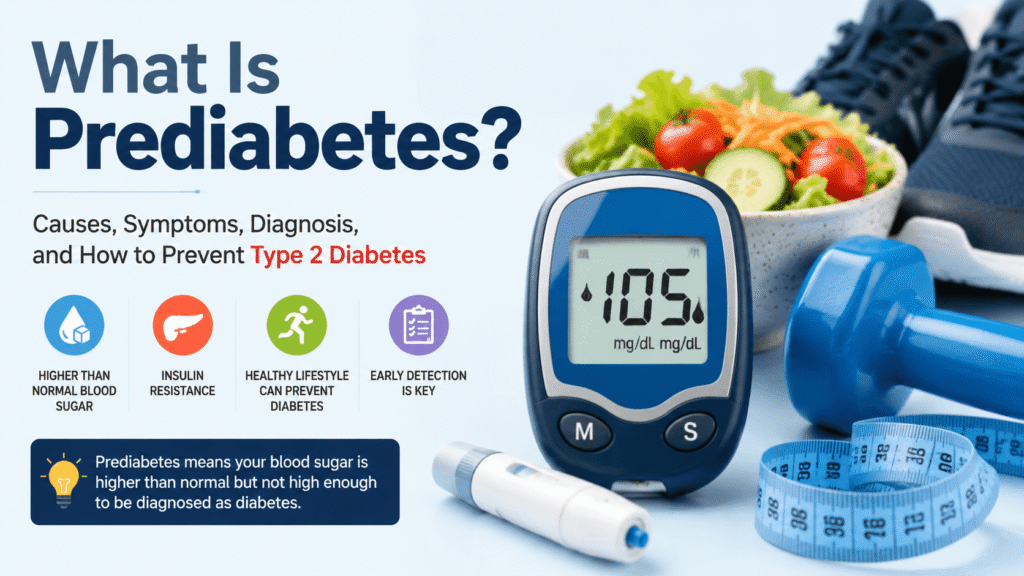
What Is Prediabetes? Symptoms, Causes, A1C Levels, and How to Prevent Diabetes

Prediabetes in Kingman, AZ: Symptoms, A1C Levels, Diagnosis, and How to Prevent Type 2 Diabetes Prediabetes is a health condition where blood glucose (blood sugar) levels are higher than normal but not high enough to be diagnosed as diabetes. It is often considered an early warning stage because it increases the risk of developing type 2 diabetes, heart disease, and other metabolic health problems. Many people with prediabetes do not know they have it because symptoms may not be obvious. Early testing, lifestyle changes, and regular medical guidance can help reduce the risk of progressing to type 2 diabetes. For adults living in Kingman, AZ, understanding your blood sugar levels and getting appropriate screening can be an important step toward protecting your long-term health. Northern Arizona Medical Group provides primary care services that help patients evaluate blood sugar concerns, manage chronic conditions, and develop personalized healthcare plans. What Is Prediabetes and What Does It Mean? Prediabetes is a condition where blood sugar levels are above the healthy range but below the level used to diagnose diabetes. In prediabetes, the body may still produce insulin, but cells do not respond to insulin as effectively as they should. This condition is known as insulin resistance. As insulin becomes less effective, glucose remains in the bloodstream instead of moving efficiently into cells for energy. Prediabetes is part of a progression of blood sugar changes: Normal blood sugar → healthy glucose control Prediabetes → impaired glucose regulation Type 2 diabetes → persistent high blood sugar requiring medical management Prediabetes does not mean you automatically develop diabetes. However, it is an important warning sign that your body may need changes in nutrition, activity, weight management, and medical monitoring. Why Should Kingman Residents Take Prediabetes Seriously? Prediabetes is common and often develops without noticeable symptoms. Many adults continue daily life without realizing their blood sugar levels are increasing. Without intervention, prediabetes may progress to type 2 diabetes, which can increase the risk of: Heart disease Kidney problems Nerve damage Vision complications Slow wound healing The earlier blood sugar concerns are identified, the more opportunities there are to improve health outcomes. If you live in Kingman, AZ, and are concerned about your blood sugar, a primary care visit can help determine whether testing or ongoing monitoring is appropriate. How Does Prediabetes Affect Blood Sugar and Insulin? Prediabetes affects the relationship between insulin and glucose by reducing the body’s ability to maintain normal blood sugar levels. Insulin is a hormone produced by the pancreas. Its role is to help glucose move from the bloodstream into cells where it can be used for energy. When insulin resistance develops: Body cells respond less effectively to insulin. The pancreas produces more insulin to compensate. Blood glucose levels gradually increase. Over time, insulin production may become less effective. This process can eventually contribute to type 2 diabetes if blood sugar continues rising. How Is Prediabetes Diagnosed? Prediabetes is diagnosed through blood tests that measure glucose levels or average blood sugar levels over time. Healthcare professionals commonly use: Test Prediabetes Range What It Measures A1C test 5.7%–6.4% Average blood glucose over approximately three months Fasting plasma glucose 100–125 mg/dL Blood sugar after fasting Oral glucose tolerance test 140–199 mg/dL after glucose drink How the body processes glucose If you have risk factors such as age, family history, high blood pressure, excess weight, or previous abnormal glucose results, discussing screening with a healthcare provider may be beneficial. What A1C Level Means Prediabetes? An A1C level between 5.7% and 6.4% is generally considered the prediabetes range. The A1C test estimates average blood glucose levels over approximately three months. A1C categories: A1C Result Meaning Below 5.7% Normal range 5.7%–6.4% Prediabetes range 6.5% or higher Diabetes range Your healthcare provider can interpret your results based on your overall health history. Prediabetes Screening and Diabetes Prevention in Kingman, AZ If you are concerned about prediabetes, a healthcare visit may include: Review of your health history Blood sugar testing recommendations Discussion of nutrition and activity habits Evaluation of diabetes risk factors Personalized prevention strategies Northern Arizona Medical Group helps patients in Kingman manage chronic health concerns through personalized primary care. Schedule an appointment with Northern Arizona Medical Group to discuss your blood sugar concerns and create a diabetes prevention plan. Can Prediabetes Be Reversed or Prevented? Prediabetes can often improve through consistent lifestyle changes. The strongest strategies include: Regular physical activity Healthy eating patterns Weight management when appropriate Regular blood sugar monitoring Working with your healthcare provider Lifestyle changes are most effective when they are realistic and maintained over time. What Lifestyle Changes Help Lower Blood Sugar? Improve Food Choices Helpful approaches include: Eating more vegetables and fiber-rich foods Choosing whole grains Including lean proteins Limiting sugary beverages Reducing highly processed foods Increase Physical Activity Exercise helps muscles use glucose more effectively. Examples include: Walking Cycling Swimming Strength training Maintain a Healthy Weight For people with excess weight, modest weight loss can improve insulin sensitivity and reduce diabetes risk. What Foods Should You Eat If You Have Prediabetes? People with prediabetes often benefit from foods that support stable blood glucose levels. Better choices include: Vegetables Beans and lentils Whole grains Lean proteins Nuts and seeds Low-sugar fruits Foods to limit include: Sugary drinks Excess sweets Highly refined carbohydrates Large portions of processed foods A healthcare provider can help create an eating approach based on your individual needs. When Should You See a Doctor About Prediabetes? You should consider discussing your blood sugar with a healthcare provider if: Your A1C is in the prediabetes range You have a family history of diabetes You have high blood pressure or cholesterol problems You are experiencing possible blood sugar symptoms You want guidance on preventing diabetes Early medical guidance can help you take action before diabetes develops. Why Regular Prediabetes Monitoring Matters Prediabetes is easier to manage when changes are identified early. Regular healthcare visits allow your provider to monitor: Blood sugar trends Risk factors Lifestyle progress Overall health changes For many

What Is Prediabetes? Symptoms, Causes, A1C Levels, and How to Prevent Diabetes Read More »