What Causes High Blood Pressure? Main Reasons, Risk Factors, and Hidden Causes
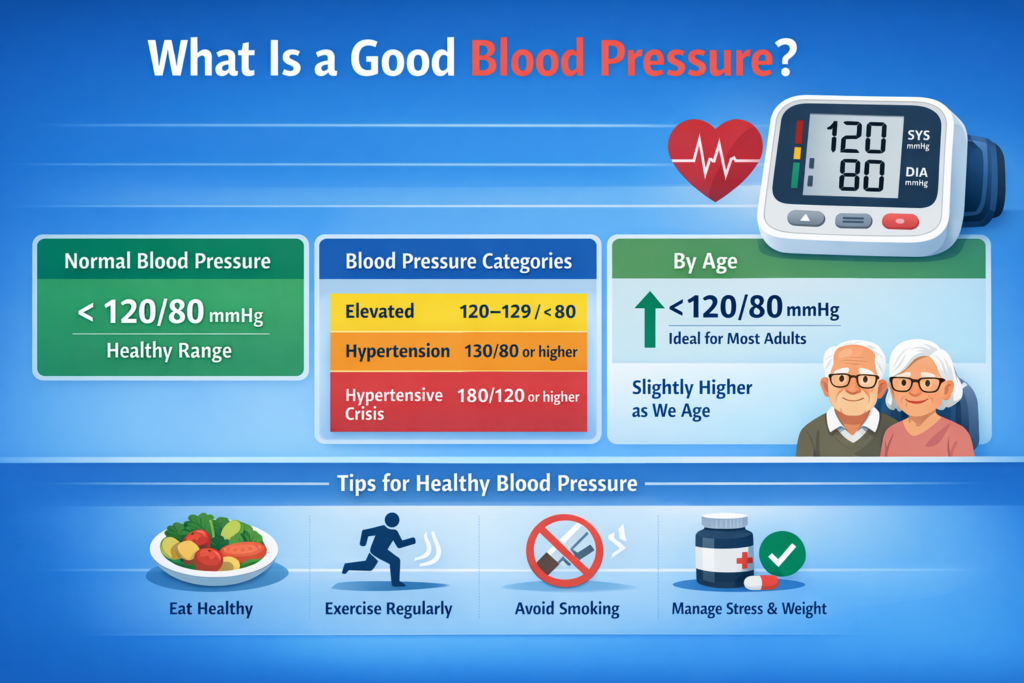
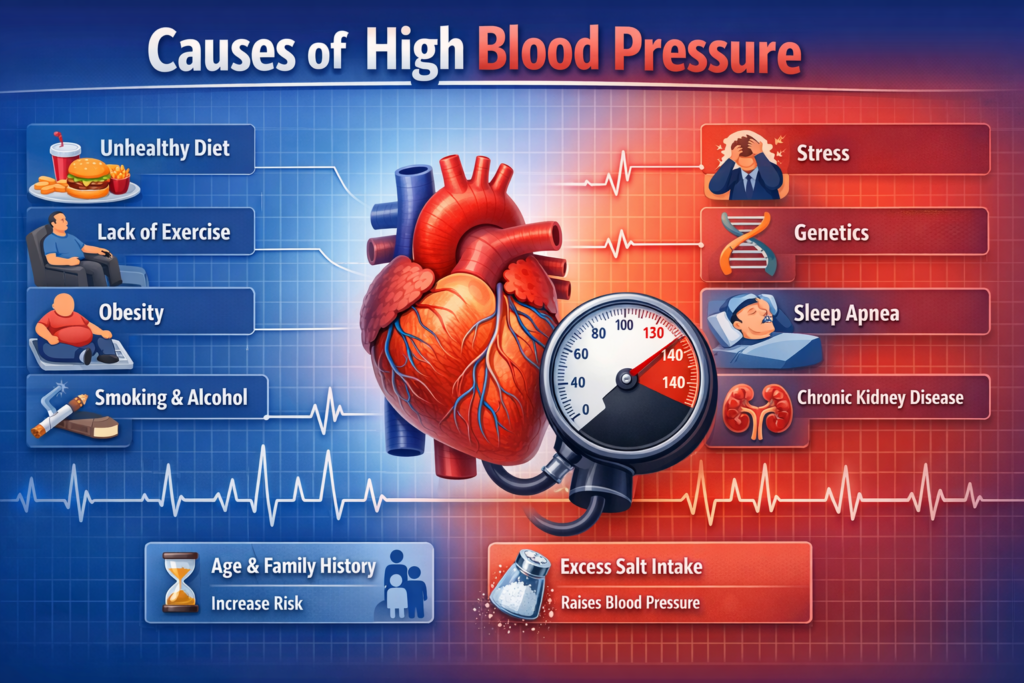
What Causes High Blood Pressure? High blood pressure usually does not come from one single cause. In most adults, it develops gradually over time because of a mix of aging, genetics, lifestyle habits, body weight, and other health conditions. In other cases, high blood pressure is secondary, which means an identifiable medical problem, medication, or substance is driving it. This topic matters because high blood pressure is common, often silent, and harmful when it stays uncontrolled. The World Health Organization says about 1.28 billion adults ages 30 to 79 worldwide have hypertension, and uncontrolled hypertension contributes to heart attacks, strokes, and premature death. The simplest answer is this: high blood pressure is most often caused or worsened by a combination of too much sodium, excess body weight, low physical activity, alcohol, tobacco exposure, poor sleep, stress-related behaviors, family history, aging, and medical conditions such as kidney disease, sleep apnea, diabetes, thyroid disorders, and pregnancy-related disorders. What is high blood pressure, and why does the cause matter? High blood pressure means blood is pushing against artery walls at an unhealthy level. Under current U.S. guidance reflected by CDC and NHLBI, hypertension is generally defined as consistent readings of 130/80 mm Hg or higher. Knowing the cause matters because treatment is not always the same. Someone with primary hypertension may benefit most from long-term lifestyle changes and sometimes medication, while someone with secondary hypertension may need treatment for an underlying condition such as kidney disease, sleep apnea, or a hormone problem. High blood pressure is especially important to catch because it usually has no warning signs or symptoms. CDC notes that measuring blood pressure is the only way to know whether it is high. What is the difference between primary and secondary hypertension? The difference is that primary hypertension has no single identifiable cause, while secondary hypertension is caused by another condition, medicine, or trigger. Mayo Clinic notes that for most adults, there is no identifiable single cause, and this form tends to develop gradually over many years. Secondary hypertension, by contrast, tends to appear more suddenly and can cause higher readings. This distinction helps explain why “cause” can mean two different things: a long-term pattern of risk factors that gradually raises blood pressure a direct underlying problem that pushes blood pressure up more abruptly In practice: Primary hypertension is more common and is linked to age, genetics, diet, inactivity, weight, and vascular changes. Secondary hypertension is more likely when blood pressure rises suddenly, becomes very hard to control, or appears alongside clues such as kidney disease, sleep apnea, thyroid problems, certain medicines, or pregnancy complications. What lifestyle factors cause or worsen high blood pressure? Lifestyle factors are among the most important modifiable causes of high blood pressure. NHLBI and CDC both note that unhealthy habits, especially poor diet, inactivity, and excess weight, can raise risk and contribute to hypertension over time. The biggest everyday contributors include: too much sodium excess body weight too little exercise alcohol overuse tobacco use poor sleep stress-related habits Does too much sodium raise blood pressure? Yes. Too much sodium can raise blood pressure by increasing fluid retention and affecting how blood vessels and the kidneys handle salt and water. NHLBI states that too much sodium can raise blood pressure, and notes that about 90% of children and adults in the U.S. eat too much salt. This matters because sodium is one of the most actionable causes. Cutting back often helps, especially in people who are salt-sensitive or already have hypertension. NHLBI also points to the DASH eating plan and lower sodium intake as proven ways to reduce blood pressure. Practical examples of high-sodium foods include: processed meats canned soups fast food chips and salty snacks pizza packaged sauces and frozen meals Can being overweight or obese lead to high blood pressure? Yes. Excess body weight is a major driver of high blood pressure. NHLBI lists overweight and obesity as risk factors, and CDC says obesity increases the risk of developing hypertension. Weight affects blood pressure in several ways: It changes blood vessel function It increases strain on the heart It affects kidney function and hormone systems It often overlaps with insulin resistance, diabetes, and sleep apnea CDC reports that 58% of U.S. adults with obesity have high blood pressure, which shows how tightly the two conditions overlap. That does not mean every person with obesity will have hypertension, but it does show that obesity is a major risk signal. Does inactivity make blood pressure worse? Yes. Not getting enough physical activity increases the risk of hypertension. CDC says high blood pressure can develop because of unhealthy lifestyle choices, such as not getting enough regular physical activity, and Mayo Clinic notes that inactivity often contributes to weight gain and higher resting heart rates. In simple terms, regular movement helps blood vessels function better and supports a healthier weight, blood sugar, and heart function. A sedentary pattern does the opposite over time. Can alcohol, smoking, and stress raise blood pressure? Yes. Alcohol, tobacco exposure, and stress can all raise blood pressure, although they do it in different ways. Mayo Clinic notes that drinking too much alcohol is linked with increased blood pressure, smoking can raise blood pressure immediately for a short time and damage blood vessels, and high stress can cause temporary increases while also driving unhealthy habits that keep pressure high. Here is the practical breakdown: Alcohol: heavy intake is linked with higher blood pressure. Smoking or vaping nicotine can cause short-term spikes and ongoing blood vessel injury. Stress: often raises blood pressure temporarily, and repeated stress may worsen it indirectly through overeating, alcohol, poor sleep, and tobacco use. A common misconception is that stress alone is the only cause. In reality, stress is usually one contributor in a larger pattern rather than the sole explanation. Can poor sleep contribute to high blood pressure? Yes. Poor sleep can contribute, especially when the problem is obstructive sleep apnea. NHLBI lists sleep apnea among medical conditions that can cause
What Causes High Blood Pressure? Main Reasons, Risk Factors, and Hidden Causes Read More »