What Should Diabetics Eat? Best Foods, Worst Foods & Sugar Symptoms
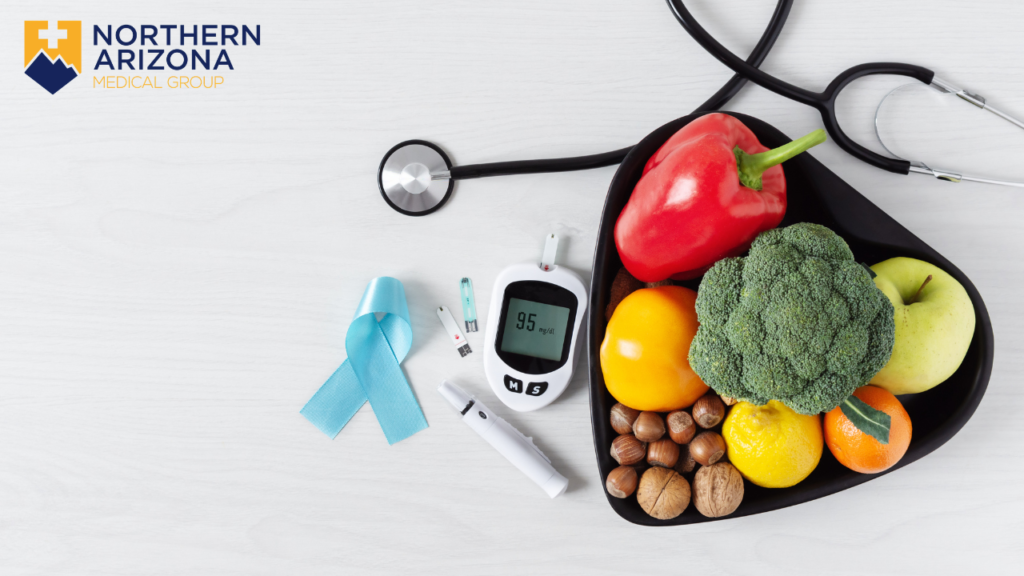
What Should a Person With Diabetes Eat, Avoid, and Know About Sugar? Diabetes nutrition gets overcomplicated fast. One article says fruit is fine. Another says bananas are too sugary. Someone else says all carbs are bad. That kind of advice is exactly why so many people feel stuck. Here’s the simpler truth: diabetes-friendly eating is usually less about “never” foods and more about choosing foods that keep blood sugar steadier, improve fullness, and reduce sharp glucose spikes. The American Diabetes Association says carbohydrates have the biggest effect on blood sugar, and the NIDDK recommends building meals around non-starchy vegetables, fiber-rich carbs, and protein. This matters because diabetes is already very common. In the United States, about 40.1 million people have diabetes, or roughly 1 in 8, and more than 1 in 4 adults with diabetes don’t know they have it. What Are the Worst Foods for a Diabetic? The worst foods for diabetes are usually the ones that deliver a lot of fast-digesting carbohydrate with very little fiber. In plain language, that means foods and drinks that push blood sugar up quickly and don’t keep you full for long. The American Diabetes Association notes that foods high in simple carbs, fat, and calories tend to have a bigger impact on blood glucose, while Mayo Clinic specifically advises eating fewer refined, highly processed carbs such as white bread, white rice, sugary cereal, cakes, cookies, candy, and chips. Which foods usually spike blood sugar the fastest? Sugary drinks are at the top of the list. Soda, sweetened tea, energy drinks, and many packaged juices can raise blood sugar quickly because they contain rapidly absorbed sugars without the slowing effect of much fiber. The NIDDK explicitly recommends water instead of sugary drinks such as soda, sports drinks, and fruit juice. Refined grain foods also deserve extra caution. White bread, white rice, many bakery products, sweet cereals, and snack foods are typically lower in fiber and easier to digest quickly. That combination often means a sharper glucose rise than you’d get from beans, lentils, oats, or intact whole grains. What does the research say about sugary drinks and diabetes risk? Large studies consistently link sugar-sweetened beverages with higher type 2 diabetes risk. A major BMJ analysis found habitual intake of sugar-sweetened beverages was associated with greater incidence of type 2 diabetes, and a more recent global analysis in Nature Medicine also linked sugar-sweetened beverages to type 2 diabetes burden across countries. So, if you want a practical rule, it’s this: the worst foods for diabetes are usually liquid sugar, refined carbs, and heavily processed snack foods. What Foods Can a Diabetic Eat More Often Without Spiking Blood Sugar? No food is truly “free,” because portions still matter. But some foods are much easier to build meals around because they support steadier blood sugar and better fullness. The NIDDK’s plate method is one of the clearest frameworks: half the plate non-starchy vegetables, one-quarter protein, and one-quarter fiber-rich carbohydrate foods such as beans, fruit, brown rice, or whole grains. Which foods are the safest everyday staples? The easiest foods to eat more often include: Are non-starchy vegetables the best foundation? Yes. Leafy greens, broccoli, cauliflower, cabbage, peppers, okra, green beans, lettuce, cucumbers, and zucchini are some of the best everyday choices because they are lower in carbohydrate and higher in volume and nutrients. NIDDK specifically recommends making non-starchy vegetables half the plate. Are beans and lentils good for diabetes? Yes. Beans, chickpeas, and lentils offer carbohydrate, but they also bring fiber and protein, which usually makes them more blood-sugar-friendly than refined starches. The ADA includes beans and lentils among the “whole, minimally processed carbohydrate foods” people with diabetes can eat. Is protein helpful for steadier meals? Yes. Foods like eggs, fish, chicken, tofu, yogurt, and other lean proteins can make meals more filling and may reduce the chance that you’ll rely on high-sugar snacks later. The NIDDK includes protein foods as one-quarter of the plate. What does the evidence say about fiber and whole grains? This is where the data gets especially useful. A major review in PLOS Medicine reported that people with prediabetes, type 1 diabetes, or type 2 diabetes should aim to increase fiber by about 15 grams per day or up to about 35 grams per day, and one practical way to do that is replacing refined grains with whole grains. A BMJ analysis also found higher whole-grain intake was associated with lower type 2 diabetes risk. So if you want foods you can eat more comfortably, think: vegetables, beans, lentils, whole grains, nuts, seeds, and lean proteins. Are Bananas Okay for Diabetics? Yes, bananas can fit into a diabetes-friendly diet. The better question is not “Are bananas bad?” but “How much banana works for me?” The ADA includes banana in its list of common fruits, and Diabetes UK notes that a large banana contains about 30 grams of carbohydrate, which is why portion size matters. They also point out that whole fruit is generally a better target than foods with free sugars and refined carbs. Does ripeness change how a banana affects blood sugar? Usually, yes. Diabetes UK notes that overripe bananas can raise blood sugar faster than slightly underripe bananas, which tend to be a slower choice. Is banana better as part of a snack than by itself? Often, yes. Pairing banana with something that adds protein or fat, like peanut butter, yogurt, or a handful of nuts, can make the snack more balanced and satisfying. That is a practical eating strategy rather than a strict medical rule, but it lines up with the broader guidance to combine carbs with foods that slow digestion and support steadier blood sugar. What does research say about fruit and diabetes? Research is more favorable toward whole fruit than many people think. A 2023 meta-analysis found that increasing fruit intake reduced fasting blood glucose, and another meta-analysis found a modest inverse association between fruit and vegetable intake and type 2 diabetes risk. So yes,
What Should Diabetics Eat? Best Foods, Worst Foods & Sugar Symptoms Read More »