
What are the five signs of high cholesterol?
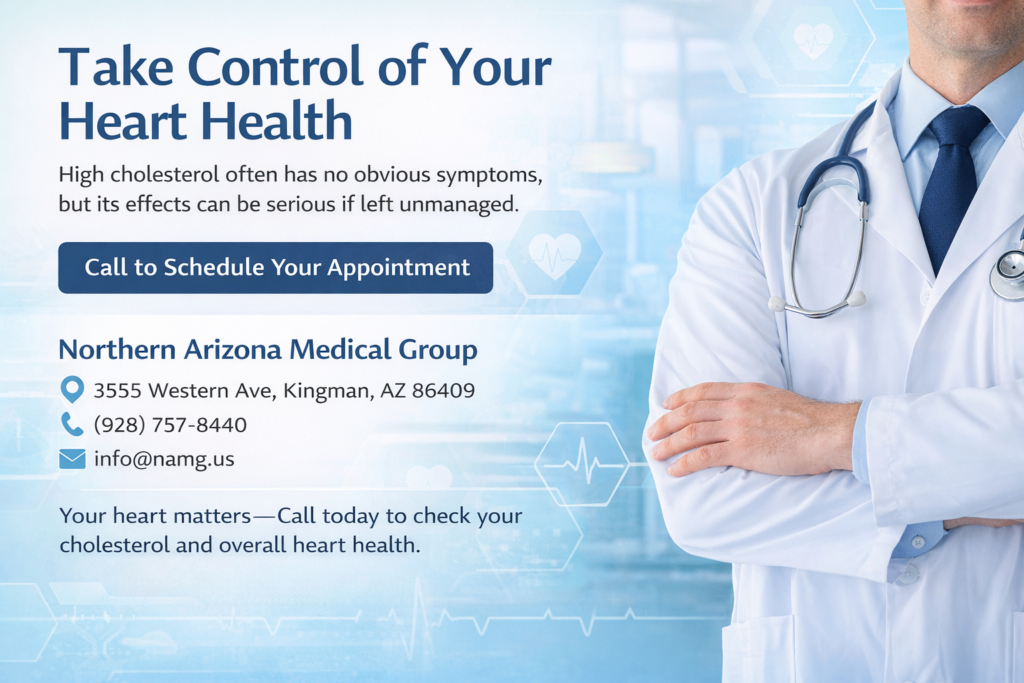
What are the five signs of high cholesterol? High cholesterol itself usually has no symptoms, and most people only find out through a blood test. When it starts to affect blood vessels, common warning signs (often due to narrowed arteries) can include: Chest pain or pressure (angina), especially with exertion. Shortness of breath or reduced exercise tolerance. Numbness, tingling, or pain in legs, hands, or feet from poor circulation (peripheral artery disease). Yellowish fatty deposits on skin or around the eyes (xanthomas/xanthelasma). Dizziness, weakness, or other stroke‑like symptoms occur if a vessel to the brain becomes blocked. How do you feel when cholesterol is too high? Many people feel completely normal even when cholesterol is very high. If high cholesterol has already started to narrow or block arteries, some people may feel chest pain, shortness of breath, fatigue, leg pain with walking, or brain‑fog–type symptoms, but these are effects of artery disease, not of the cholesterol number itself. Can cholesterol cause shortness of breath? Yes, indirectly: high cholesterol can cause plaque buildup in heart and lung blood vessels, which can reduce blood flow and lead to shortness of breath, especially with activity. New or worsening breathlessness can also signal a heart attack or heart failure and should be treated as an emergency if it comes with chest pain, sweating, nausea, or pain in the arm, jaw, or back. Does cholesterol cause nausea? High cholesterol alone does not usually cause nausea. However, nausea can occur during serious events related to cholesterol‑driven artery blockages, such as a heart attack, when it may appear with chest discomfort, sweating, or shortness of breath. What are the warning signs of high cholesterol in the hands and feet? Warning signs in hands and feet are generally due to poor circulation from plaque‑narrowed arteries, not the cholesterol itself. These can include: Numbness or tingling in fingers or toes. Cold hands or feet, or one limb colder than the other. Pain, cramping, or burning in legs or feet, especially when walking (claudication) or at night. Pale, shiny skin, slow‑healing sores, or color changes (e.g., blue toes) from reduced blood flow. Can high cholesterol make you pee more? High cholesterol by itself is not known to directly cause more frequent urination. If someone has both high cholesterol and increased urination, doctors usually look for other causes, such as diabetes, urinary tract problems, prostate disease, or heart failure, all of which need prompt evaluation. Take Control of Your Heart Health High cholesterol often has no obvious symptoms, but its effects on your heart and circulation can be serious if left unmanaged. If you’re experiencing any concerning symptoms — such as chest discomfort, shortness of breath, leg pain with activity, or changes in how you feel overall — it’s important to take action sooner rather than later. At Northern Arizona Medical Group, our experienced providers focus on personalized, preventive care to help you understand your cholesterol levels, assess your cardiovascular risk, and develop a customized plan that fits your health needs. Whether you need lab testing, lifestyle counseling, or ongoing management of lipids and heart health, we’re here to support you. 📍 Northern Arizona Medical Group3555 Western Ave, Kingman, AZ 86409 📞 Phone: (928) 757-8440 ✉️ Email: info@namg.us Don’t wait for symptoms to worsen. Call today to schedule your appointment or request labs to check your cholesterol and overall heart health. Your heart matters — and so does the care you receive.
What are the five signs of high cholesterol? Read More »