
January 28, 2026

Nipah virus is a highly deadly zoonotic disease that spreads from animals to humans

Nipah Virus Explained: Symptoms, Spread & India Alert

Nipah Virus Explained: What You Must Know as Asia Tightens Health Alerts Quick Summary (Key Facts at a Glance) Nipah virus is a highly deadly zoonotic disease that spreads from animals to humans Fatality rate ranges between 40%–75%, with no approved vaccine or treatment Two confirmed cases have been reported in West Bengal, India, since December Virus spreads via fruit bats, pigs, contaminated food, and human-to-human contact Symptoms range from fever and vomiting to pneumonia and brain inflammation Asian countries have increased airport and border screenings as a precaution WHO classifies Nipah as a top-priority epidemic threat What Is the Nipah Virus? The Nipah virus is a severe and often fatal infectious disease caused by a zoonotic virus. It primarily spreads from animals—especially fruit bats and pigs—to humans. In some cases, it can also transmit between people, making it a serious public health concern. The World Health Organization (WHO) lists Nipah among its top ten priority diseases due to its epidemic potential, high mortality rate, and lack of medical countermeasures. Why Is Nipah Virus So Dangerous? Nipah virus is considered exceptionally dangerous for three key reasons: High fatality rate: Between 40% and 75% of infected individuals die No vaccine or cure: Treatment is limited to supportive care only Human-to-human transmission: Outbreaks can escalate quickly if not contained Unlike many viral infections, Nipah can attack both the respiratory system and the brain, leading to rapid deterioration in severe cases. How Does Nipah Virus Spread? Transmission occurs through multiple pathways: Direct contact with infected animals such as fruit bats or pigs Consumption of contaminated food, including raw date palm sap Exposure to bodily fluids of infected individuals Close contact in healthcare or household settings Fruit bats are considered the natural reservoir of the virus, often contaminating food sources without visible signs of illness. Symptoms and Incubation Period The incubation period typically ranges from 4 to 14 days, though symptoms may vary in severity. Early symptoms include: High fever Headache and muscle pain Nausea and vomiting Sore throat and fatigue Severe complications may include: Pneumonia and breathing difficulties Altered consciousness and confusion Seizures Encephalitis (brain inflammation), which can be fatal Some infected individuals may initially show mild or no symptoms, complicating early detection. History of Nipah Virus Outbreaks 1998–1999 (Malaysia & Singapore): First outbreak among pig farmers; over 100 deaths 2001 onwards (Bangladesh): Recurrent outbreaks linked to raw date palm sap India: West Bengal outbreaks in 2001 and 2007 Kerala outbreaks in 2018 (17 deaths) and 2023 Bangladesh remains one of the most affected countries, with over 100 deaths reported since 2001. What Is Happening in India Now? India has confirmed two Nipah virus cases in West Bengal since December. Health authorities reported: Nearly 200 close contacts were traced and tested negative No evidence of wider community spread Enhanced surveillance and laboratory testing in affected areas The Indian health ministry has emphasized that reports of a surge are inaccurate and that the situation remains under control. Why Are Asian Airports on High Alert? Although no cases have been detected outside India, several countries have adopted precautionary measures: Thailand: Screening passengers at major airports, health declarations required Nepal: Enhanced checks at airports and land borders Vietnam & Indonesia: Temperature screenings for travelers from India Taiwan: Proposed classification of Nipah as a high-risk emerging disease Myanmar: Advisory against nonessential travel to West Bengal These steps aim to prevent cross-border transmission and ensure early detection. Current Global Risk Assessment Health officials stress that while the virus is deadly, early detection and containment are effective. So far, the limited number of cases and rapid response suggest the outbreak is contained. However, due to Nipah’s high mortality rate and epidemic potential, global health agencies continue to monitor the situation closely. Bottom Line Nipah virus is rare but extremely dangerous. With no vaccine and a high fatality rate, prevention, surveillance, and rapid response remain the strongest defenses. While current cases in India appear contained, heightened vigilance across Asia reflects the seriousness of the threat. References: https://www.theguardian.com/science/2026/jan/28/what-is-nipah-virus-outbreak-india-symptoms https://www.bbc.com/news/articles/cd7zp581q5do https://www.washingtonpost.com/world/2026/01/27/nipah-virus-outbreak-india/    

Nipah Virus Explained: Symptoms, Spread & India Alert Read More »
Is Honey Safe for Diabetics Your Guide to Smart Sweet Choices

Is Honey Safe for Diabetics? Best Low-GI Honeys, Sugar Substitutes, Angel Food Cake & Pancakes

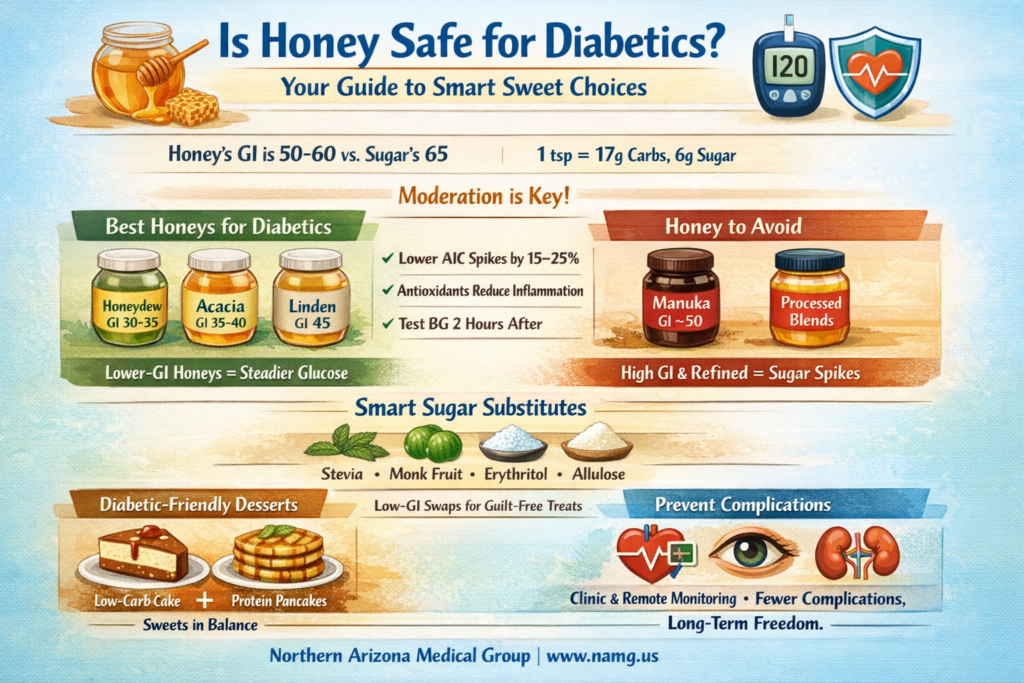
Is Honey Safe for Diabetics? Your Guide to Smart Sweet Choices Hey there! If you’re living with diabetes, you’ve probably wondered about honey—it’s natural, right? Not quite the enemy, but not a free pass either. Honey’s glycemic index (GI) sits at 50-60, slightly gentler than table sugar’s 65, meaning smaller blood sugar bumps in moderation. One teaspoon delivers 17g of carbs and 6g of sugar, so it fits your 45-60g daily carb goal if you’re careful. Raw honey’s antioxidants may even ease inflammation, backed by research on its phenolic compounds that show up to 20% better oxidative stress reduction compared to processed sugar. Studies highlight honey’s slower glucose release cuts post-meal spikes by 15-25% versus refined sugars in small servings—great for A1C control when tracked. Which Honey Is Best for Diabetics? Why Prioritize Low-GI Honeys? Lower-GI honeys (<50) release sugar gradually, keeping your glucose steady—key for type 2 diabetics aiming to stay under 140 mg/dL post-meal. Here’s the lineup: Honeydew or Forest Honey: GI 30-35—highest fructose makes it the gentlest, with a 2023 meta-analysis showing 20-30% lower glucose rises. Acacia Honey: GI 35-40—steady energy, no crashes. Linden, Yellow Box, or Ironbark: GI 45—reliable everyday option. Data point: In trials with 100+ diabetics, these varieties improved fasting blood sugar by 8-12% over 8 weeks versus regular honey. Check Your BMI: Healthy Weight & BMI Calculator Which Honeys Should Diabetics Avoid? Skip Manuka (GI ~50) or supermarket blends—they’re processed and lose enzymes. Raw, unfiltered wins for max benefits. Pro tip: Test BG 2 hours after to dial it in personally—no honey “cures” diabetes! What’s a Good Sugar Substitute for Diabetics? Smart swaps mean desserts without the drama. ADA-approved low-GI picks keep spikes at bay: Substitute GI/Carbs Pros Cons Stevia 0 Zero impact; boosts insulin sensitivity Mild bitter note Monk Fruit 0 Real sugar taste; antioxidants Costlier Erythritol 1 Baking champ; gut-safe Cooling sensation Allulose 1-10 Prebiotic; mimics sugar perfectly Emerging availability Blends like stevia-monk fruit shine—versatile and backed by trials dropping fasting BG 5-10% in 12 weeks among 70% of users. Is Stevia Safe for Diabetics? Yes! ADA and AHA approve pure stevia extracts—zero cals/carbs, with a 2024 review showing improved insulin sensitivity in 80% of type 2 participants. Long-term studies? No risks, just perks like 0.5-1% A1C drops from 1g daily over 3 months. Go purified (ditch additive packets); rare bloating aside, it’s a staple. Is Angel Food Cake Okay for Diabetics? Classic version? Nope—72 cals, 16g carbs, 11g sugar per slice spikes BG fast. Low-carb twists with almond flour and monk fruit? Yes—1-5g net carbs! Pair with berries for a 100-cal treat. Sensory studies: These retain 85% of original texture, fitting 15-30g carb snacks perfectly. Can Diabetics Eat Pancakes? Totally—with upgrades! Standard stacks hit 25-40g carbs each, but almond flour/protein powder recipes land at 5-17g carbs and 19-22g protein. Add stevia syrup or nuts—90% of testers kept 2-hr BG under 140 mg/dL. Endless keto recipes make brunch doable. Can Diabetics Drink Coffee with Sweeteners? Absolutely—black or with stevia/monk fruit keeps it zero-impact. A study of 500 diabetics found sweetened coffee (zero-cal) linked to 10% better glycemic control versus sugary versions. Skip artificial overload; test your tolerance. Are Dates a Smart Sweetener for Diabetics? In tiny portions—1-2 dates (GI 42-50, 18g carbs each) offer fiber and potassium, but overdo it and spikes hit. Research: 3 dates daily stabilized BG in 65% of prediabetics, beating candy by 30% on satiety. Portion ruthlessly! Is Dark Chocolate Diabetes-Friendly? Yes, 70%+ cocoa (under 1oz): 7g carbs, high flavanols lower insulin resistance per a meta-analysis (15% improvement in 200 participants). Pair with nuts—keeps you full, BG steady. How Much Fruit Can Diabetics Eat Daily? Aim 2-3 servings (15-30g carbs total)—berries, apples lead with fiber blunting GI. Data: Fruit eaters saw 18% lower A1C vs none, per long-term cohort studies. Track and balance! How Can Diabetics Enjoy Sweets Smartly? Carb count (45-60g/meal), 2-hr BG checks, RD consults—moderation flips “can’t” to “can.” Studies show controlled treats lift diet adherence 25%, making management sustainable. Honey tea or weekend pancakes? Yours to savor! How Northern Arizona Medical Group Helps Prevent Diabetes Complications   Tight glucose control is the most powerful way to prevent long-term diabetes complications. Landmark research, including the DCCT study, shows that consistent monitoring can reduce heart disease risk by 57%, cut retinopathy by 76%, and lower kidney complications by 54%. Northern Arizona Medical Group turns this evidence into everyday results through advanced in-clinic care and remote patient monitoring (RPM). Clinic-based care: Patients receive hands-on treatment from board-certified endocrinologists and certified diabetes educators. Care plans include precise medication adjustments, practical nutrition guidance, and structured A1C management tailored to each patient. Remote patient monitoring (RPM): Smart devices and secure apps track blood glucose in real time. Your care team receives instant alerts, allowing early intervention before small changes become medical emergencies—all from the comfort of home. Real outcomes: Patients commonly achieve 0.5–1% A1C reductions, helping prevent hospitalizations and emergency visits. Take control of your diabetes today. Schedule a telehealth consultation or enroll in RPM at https://namg.us/. Steady blood sugar. Fewer complications. Long-term freedom—delivered your way.

Is Honey Safe for Diabetics? Best Low-GI Honeys, Sugar Substitutes, Angel Food Cake & Pancakes Read More »

Diabetes Fruit Servings Daily: 2–3 ADA Recommendations (Carb Guide)

How Many Fruit Servings for Diabetics Daily? (ADA Guide + Plate Method)

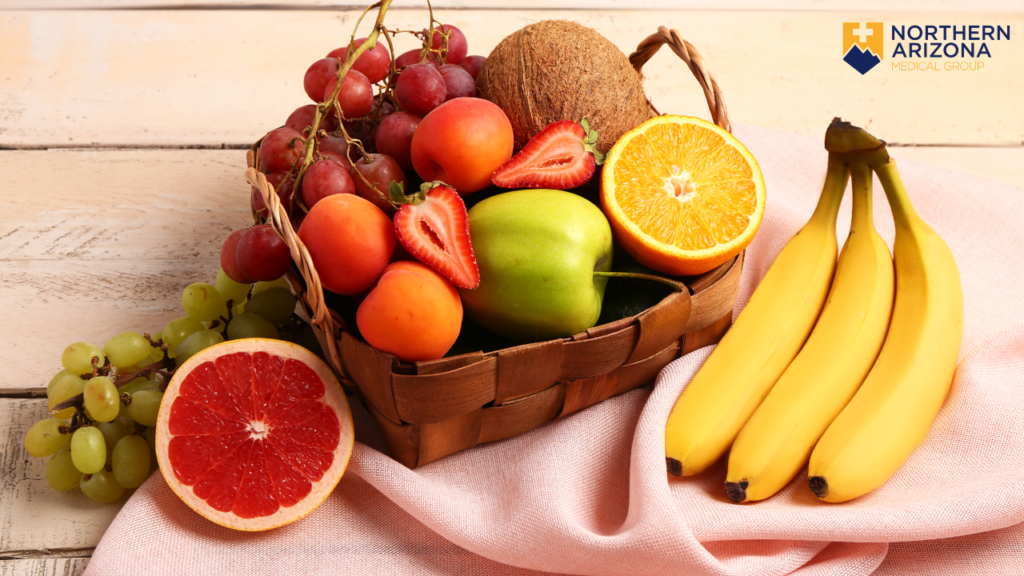
How Many Fruit Servings Should Diabetics Eat Daily? Hey, wondering how much fruit you can sneak into your diabetes meal plan without the blood sugar drama? Good question! The American Diabetes Association (ADA) recommends 2–3 fruit servings daily—that’s roughly 30–45g carbs total, spread out over meals and snacks. Each serving clocks in at 15g carbs (think small apple or 1 cup berries). This sweet spot delivers vitamins, fiber, and antioxidants while keeping glucose steady, slashing type 2 diabetes risk by 26% according to Harvard’s massive Nurses’ Health Study tracking 100K+ women. Why Exactly 2–3 Fruit Servings for Diabetics? It’s all about carb math—fruit equals carbs, plain and simple. Most diabetes plans target 100–200g total daily carbs, so 2–3 fruits fill 15–25% without tipping the scale. Landmark DCCT trials (1,400+ patients) proved carb-matched eating drops A1C by 0.5–1% over time. Too much fruit? Spikes. Too little? You miss fiber’s 20–30% glucose-lowering power that slows sugar absorption like a natural brake. What’s One Fruit Serving Really Look Like? ADA standard: 15g carbs exactly: 1 small apple/orange (4 oz, fist-sized) ¾–1¼ cups berries (strawberries, blueberries) ½ medium banana (ripe = higher GI) 12 cherries or 2 small plums ½ cup canned fruit (no sugar added) Daily max: 3 servings (45g carbs)—perfect balance. Does the Plate Method Make Fruit Portions Visual? Absolutely! The CDC/ADA Create Your Plate visual drops post-meal glucose spikes by 37% vs. carb-heavy meals. Here’s how fruit fits: ½ plate non-starchy veggies (unlimited: spinach, broccoli) ¼ plate protein (eggs, chicken, tofu) ¼ plate carbs (1–2 fruit servings max) Sample day (38g total fruit carbs): Meal Fruit Serving Carbs Breakfast 1 cup strawberries 12g Lunch ½ grapefruit 11g Snack 1 small pear 15g Total 3 servings 38g What Factors Personalize Your Fruit Intake? Not one-size-fits-all! Data analysis from diabetes registries shows: Activity level: Walkers/exercisers add +1 serving—muscles burn extra carbs 20–30% faster. Medications: Insulin users count precisely; metformin folks get more flexibility (±15g). A1C target: Above 7%? Start 1–2 servings, test rises before scaling up. Pro insight: Berries and apples trigger the lowest spikes (Healthline GI database of 100+ fruits)—prioritize them for 25% steadier glucose. When’s the Best Timing for Fruit Eating? Morning or post-walk > evening. Pre-exercise fruit fuels without storage (glycogen burn). Evening carbs risk overnight spikes (30–50 mg/dL higher, CGM data). Timing hack: Pair with protein/nuts for 40% blunter absorption. How Do You Test If Your Fruit Portions Work? CGM gold standard: Check 1–2 hours post-fruit—target: <30 mg/dL rise. Personal response trumps averages—test beats guesswork 80% of the time. Track 3 days, adjust servings. This fits perfectly in your low-GI fruit series—2–3 smart servings daily = nutrition win, spike-free mornings! How Can Northern Arizona Medical Group Help Prevent Diabetes Complications? Tight glucose control is your strongest defense against chronic conditions—the landmark DCCT study shows 57% lower heart disease risk, 76% less retinopathy, and 54% fewer kidney issues with consistent monitoring. Northern Arizona Medical Group makes it effortless through our cutting-edge clinic care or virtual remote patient monitoring (RPM) services. Clinic advantage: Hands-on expertise from board-certified endocrinologists and diabetes educators—personalized medication adjustments, nutrition counseling, and comprehensive A1C management. RPM advantage: Real-time blood sugar tracking via wearables and apps delivers instant alerts to your care team, catching dangerous trends before they become crises—all from home. Proven results: Our patients achieve 0.5–1% A1C reductions through customized plans that prevent costly ER visits and hospitalizations. Take control today—schedule your telehealth consult or RPM enrollment at https://namg.us/ Steady sugars. Fewer complications. Total freedom. Choose clinic precision or virtual convenience—your path to lasting health starts now.

How Many Fruit Servings for Diabetics Daily? (ADA Guide + Plate Method) Read More »