How to Watch December’s Cold Moon: The Last Supermoon of 2025
Key Points:
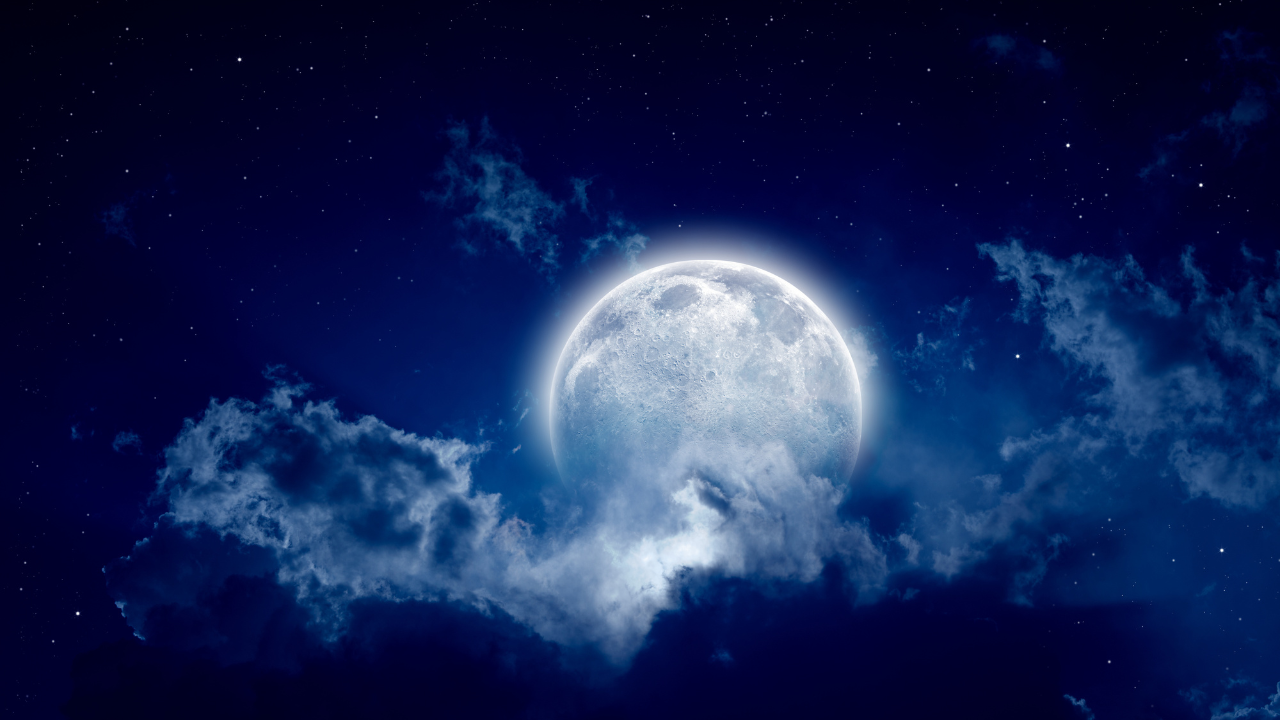
✅ December’s Cold Moon — the final supermoon of 2025 — will illuminate the night sky on Thursday, 4 December, offering skywatchers one last lunar spectacle before year’s end. The full Moon will rise in the northeastern sky around mid-afternoon, appearing brighter and larger than usual as it reaches perigee, the closest point in its orbit to Earth
✅ Moonrise will begin at 14:52 GMT in London, 14:29 in Edinburgh, 14:52 in Belfast, and 15:05 in Cardiff, with the Moon remaining visible until after 8 a.m. the following morning. As it rises, the bright lunar disk will form a celestial alignment with the Pleiades cluster, Aldebaran, Jupiter, and the winter constellation Orion.
✅ Cloud and rain may affect visibility early in the evening, but clearing skies across the UK are expected overnight, with mist and frost forming in some regions.
✅ Known traditionally as the Cold Moon, this full Moon marks the arrival of winter and the long nights preceding the solstice. The event also falls near anniversaries of NASA’s Apollo 8 and Apollo 17 missions and comes ahead of the upcoming Artemis II crewed lunar flyby in 2026.
Skywatchers Alert: December’s Cold Moon Will Be a Brilliant Supermoon
Skywatchers are in for a final celestial treat before the year ends. December’s Cold Moon — also the last supermoon of 2025 — will rise on Thursday, 4 December, offering one of the brightest and largest lunar displays of the year.
This full Moon marks the third consecutive supermoon of 2025, a rare back-to-back lineup that won’t return until early 2026.
Why This Month’s Full Moon Is a Supermoon
A supermoon occurs when the Moon reaches perigee, the closest point in its orbit to Earth. When this moment aligns with the full Moon phase (known as syzygy, when the Sun, Earth, and Moon form a straight line), the lunar disk appears:
-
Larger than usual
-
Brighter in the night sky
-
More visually striking near the horizon
Although supermoons are not uncommon — typically 3 to 4 occur each year — having three in a row makes this celestial event particularly noteworthy.
When and Where to See the Cold Moon
The Cold Moon will rise on Thursday, 4 December, glowing in the northeastern sky.
Moonrise Times:
-
London: 14:52 GMT
-
Edinburgh: 14:29 GMT
-
Belfast: 14:52 GMT
-
Cardiff: 15:05 GMT
It will remain visible until between 08:00 and 09:00 the following morning, giving stargazers hours of darkness to enjoy the spectacle.
What You’ll See in the Night Sky
As the Cold Moon rises, it will create a beautiful alignment in the sky:
-
A triangle with the Pleiades star cluster
-
The bright star Aldebaran
-
Jupiter shining nearby
-
The iconic winter constellation Orion the Hunter
This makes it an ideal night for both casual skywatchers and astrophotographers.
Will the Skies Be Clear?
A band of rain and cloud is expected to move eastward across parts of the UK on Thursday, affecting visibility into the early evening — especially in Scotland and eastern England.
Later in the night, skies are expected to clear, though mist and fog may form due to colder temperatures. Frost is also likely in some locations.
Checking your local forecast will help determine the best viewing window.
Why December’s Full Moon Is Called the “Cold Moon”
Full Moon names come from ancient seasonal traditions, long predating the Gregorian calendar. December’s Moon is known as the Cold Moon, marking winter’s arrival and the long nights ahead.
Other traditional names for the December full Moon include:
-
Long Night Moon
-
Moon Before Yule
-
Snow Moon (Cherokee Nation)
-
Winter Maker Moon (Abenaki tribe)
This Cold Moon occurs just weeks before the winter solstice on 21 December, the shortest day of the year in the Northern Hemisphere.
A Supermoon with a Historic Connection
December’s full Moon aligns closely with major anniversaries of NASA’s Apollo missions:
Apollo 8
Launched 21 December 1968, it carried the first astronauts to orbit the Moon and delivered the iconic Christmas Eve broadcast from lunar orbit.
Apollo 17
Launched on 7 December 1972, the last mission to land humans on the Moon.
NASA scientist Noah Petro, project scientist for the Artemis III mission, says the Cold Moon is a reminder of past lunar exploration — and a preview of what comes next.
Looking Ahead to Artemis
The Cold Moon arrives just months before the expected launch of Artemis II, scheduled for February–April 2026. This mission will send four astronauts on a 10-day journey around the Moon — the first crewed lunar flyby in more than 50 years.
Petro encourages skywatchers:
“Go out and look at the Moon. Think about Apollo, and then imagine we’re only two full Moons away from sending humans back toward the lunar surface.”
Watch the Cold Moon Online If Skies Are Cloudy
Even if the weather blocks your view, you can still enjoy the supermoon through livestreams.
🌕 Virtual Telescope Project — Live from Italy
Dec 4 at 3 p.m. EST (20:00 GMT)
Astrophysicist Gianluca Masi will stream real-time telescopic views of the Cold Moon rising over Italy, along with a curated gallery of lunar photographs.
🌕 Griffith Observatory — Live from Los Angeles
Dec 5 at 8:27 p.m. EST (01:27 GMT, Dec 6)
This livestream captures the Moon rising over the eastern horizon from Mount Hollywood, offering one of the most iconic Moonrise views in the world.
Why This Supermoon Is Extra Special
December’s Cold Moon also rises during the final phase of a Major Lunar Standstill, a rare 18.6-year orbital cycle when the Moon’s path reaches extreme angles. This makes December’s supermoon:
-
Rise farther north on the horizon
-
Climb higher in the sky
-
Appear more dramatically positioned than usual
The result is one of the year’s most photogenic lunar events.
How to Make the Most of the Cold Moon
For the best experience, try:
-
Viewing from an open area with a clear eastern horizon
-
Using binoculars or a telescope for crater detail
-
Taking photos during moonrise when the Moon looks biggest
-
Watching both the livestream and the sky for comparison
If you want to capture your own images, astronomers recommend wide-angle lenses or telephoto shots during moonrise.
Final Takeaway
December’s Cold Moon is not just another full Moon — it’s the final supermoon of 2025, a cultural marker of winter, a visual treat for skywatchers, and a meaningful reminder of humanity’s past and future lunar journeys.
Whether you watch it from your backyard or through a global livestream, this is a lunar moment worth catching.