High Blood Pressure Care at Home with Remote Health Monitoring
Monitoring your blood pressure and heart health should not be limited to clinic visits.
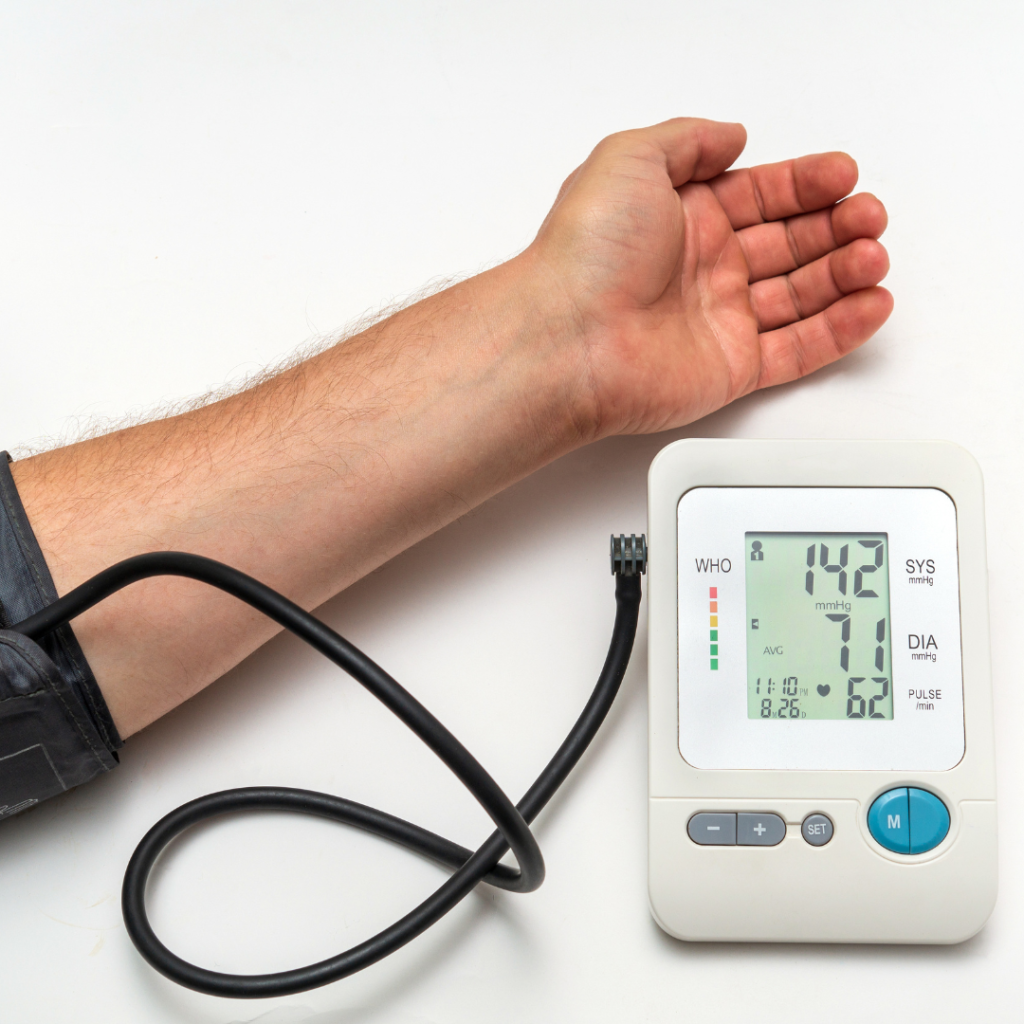
With Remote Health Monitoring (RPM), patients can track blood pressure, blood sugar, and heart rate daily—safely, accurately, and from home.
What Is Remote Health Monitoring?
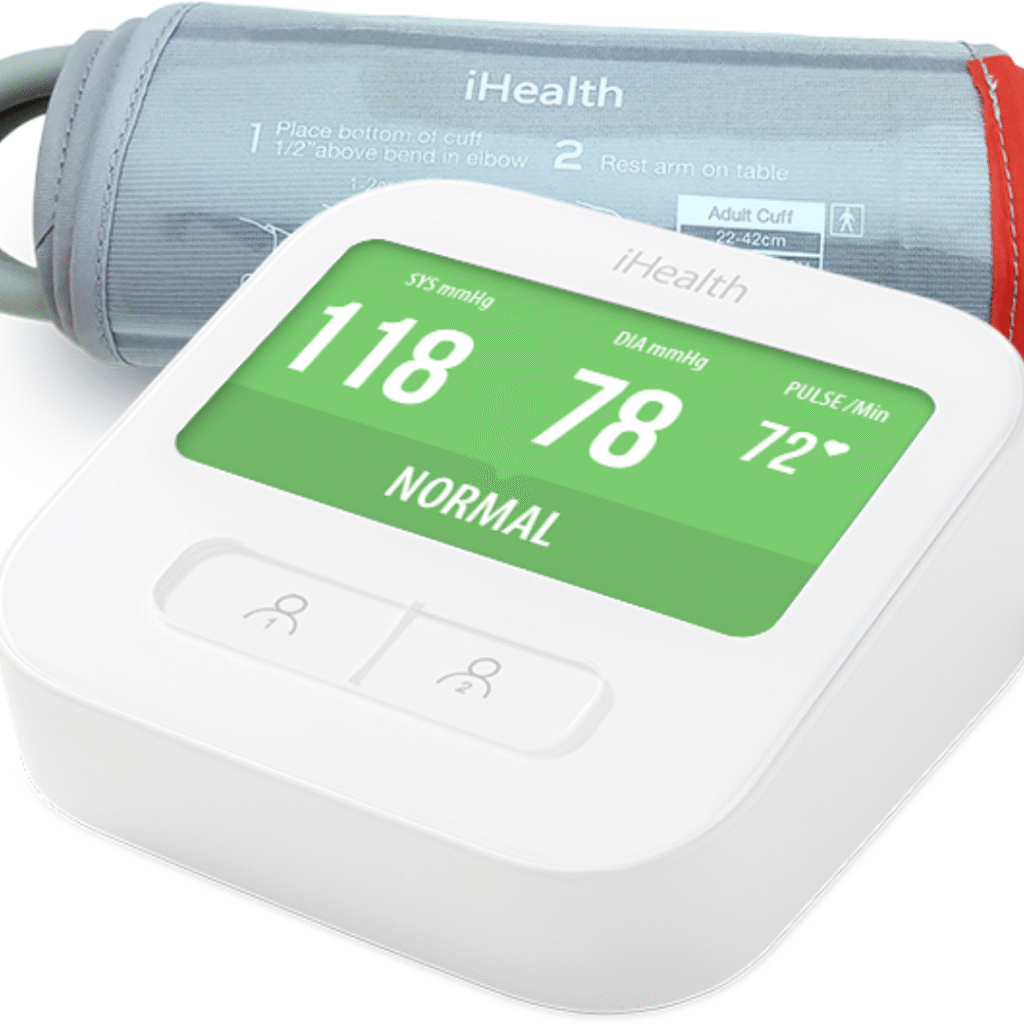
Remote Patient Monitoring is a healthcare service that uses FDA-approved digital devices to track vital health data from home and securely share it with healthcare providers.
RPM commonly monitors:
Blood pressure checks
Blood sugar (glucose) levels
Heart rate
Oxygen saturation
Weight trends
This approach allows early detection, timely medical adjustments, and continuous care—especially for chronic conditions like high blood pressure.
Why Blood Pressure Checks Matter Daily
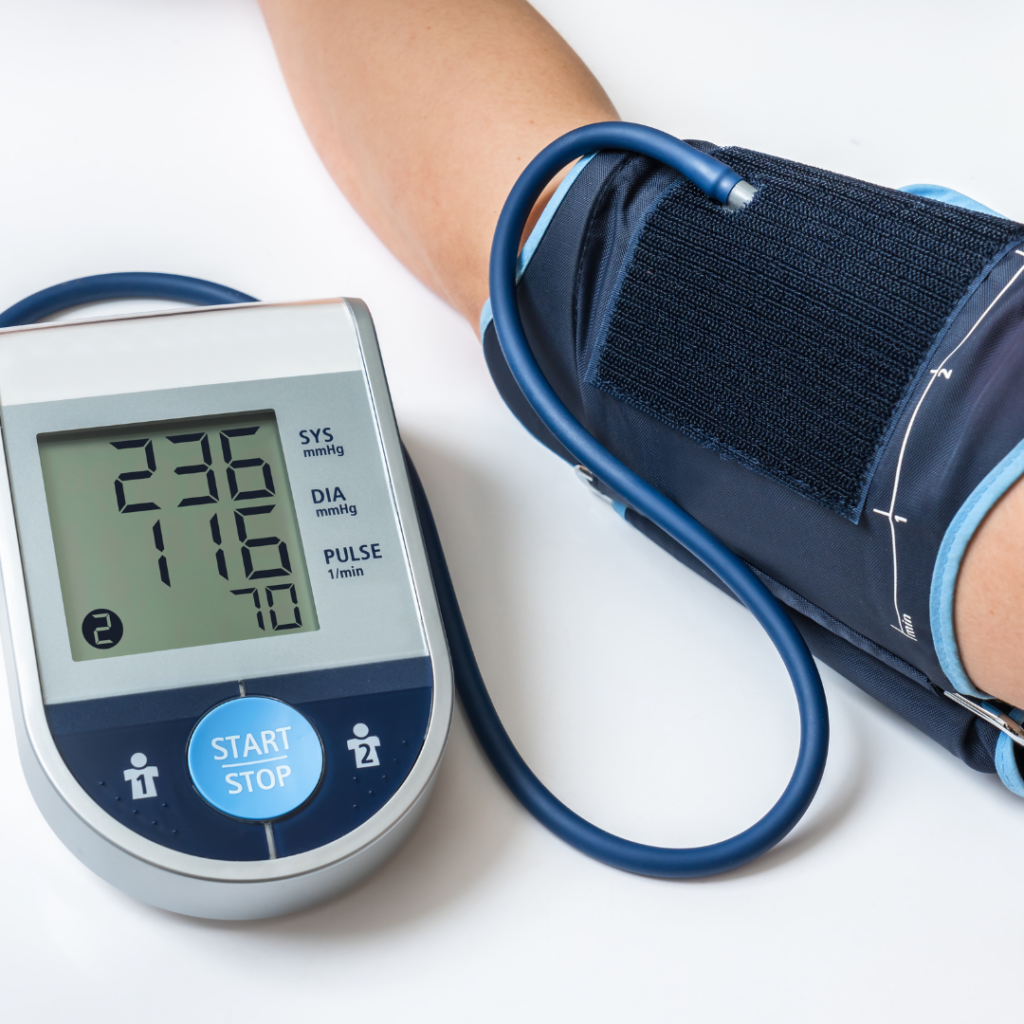
Blood pressure can fluctuate throughout the day.
Single clinic readings often miss dangerous trends.
Regular blood pressure checks help detect:
Rising blood pressure before symptoms appear
Poor medication response
Lifestyle-related spikes
Risk of heart disease or stroke
Remote monitoring ensures consistent, real-time blood pressure tracking, not guesswork.
What Causes High Blood Pressure?
High blood pressure usually develops due to multiple factors:
Poor diet (high sodium, low potassium)
Physical inactivity
Chronic stress
Obesity
Diabetes or high blood sugar
Family history
Smoking or alcohol use
Hormonal or kidney disorders
Symptoms and Signs of High Blood Pressure
Most people experience no obvious symptoms, but possible warning signs include:
Headaches
Dizziness
Chest discomfort
Shortness of breath
Fatigue
Blurred vision
Irregular heartbeat
Headaches
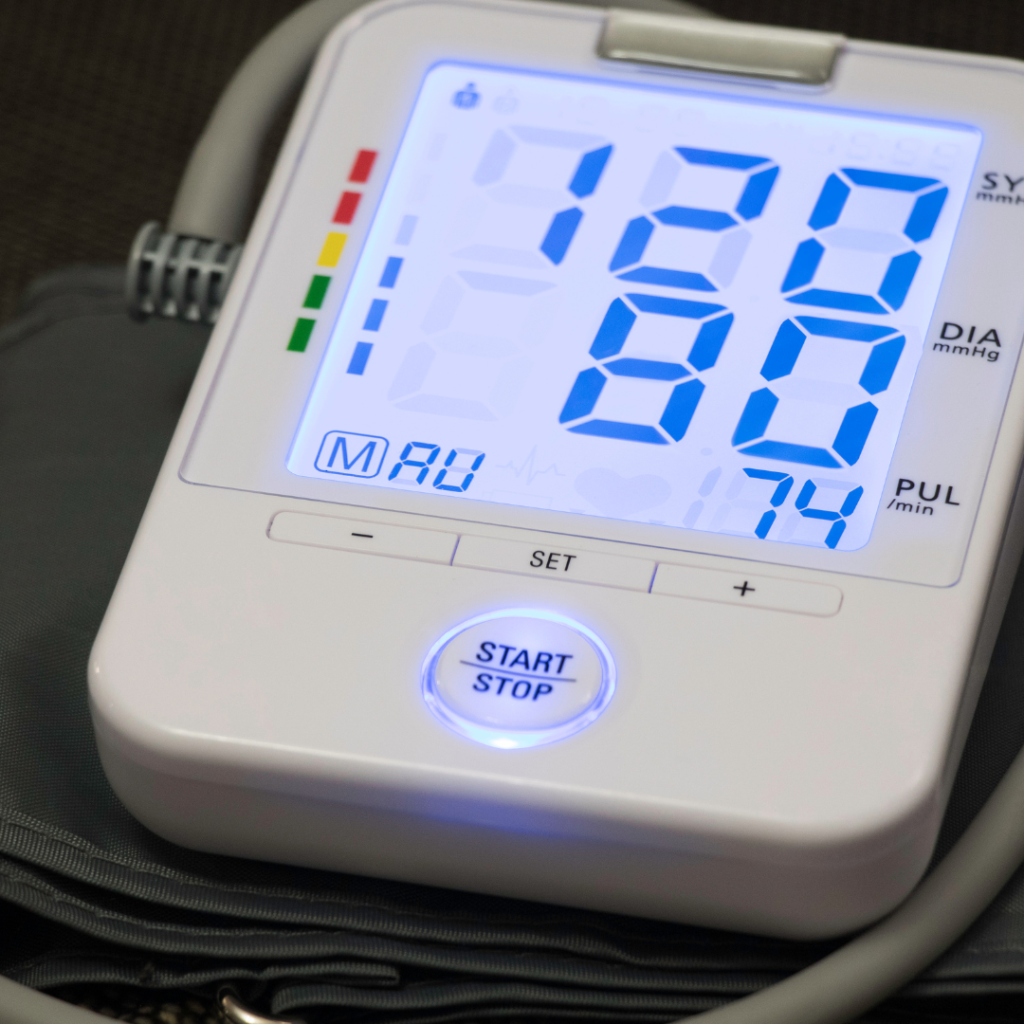
Understanding Blood Pressure Ranges
Knowing your numbers is essential for prevention and control.
Blood Pressure Ranges:
Normal (Good Blood Pressure): below 120/80 mmHg
Elevated: 120–129 / <80 mmHg
High Blood Pressure (Stage 1): 130–139 / 80–89 mmHg
High Blood Pressure (Stage 2): ≥140 / ≥90 mmHg
Hypertensive Crisis: ≥180 / ≥120 mmHg (medical emergency)
RPM tracks these ranges continuously, not occasionally.
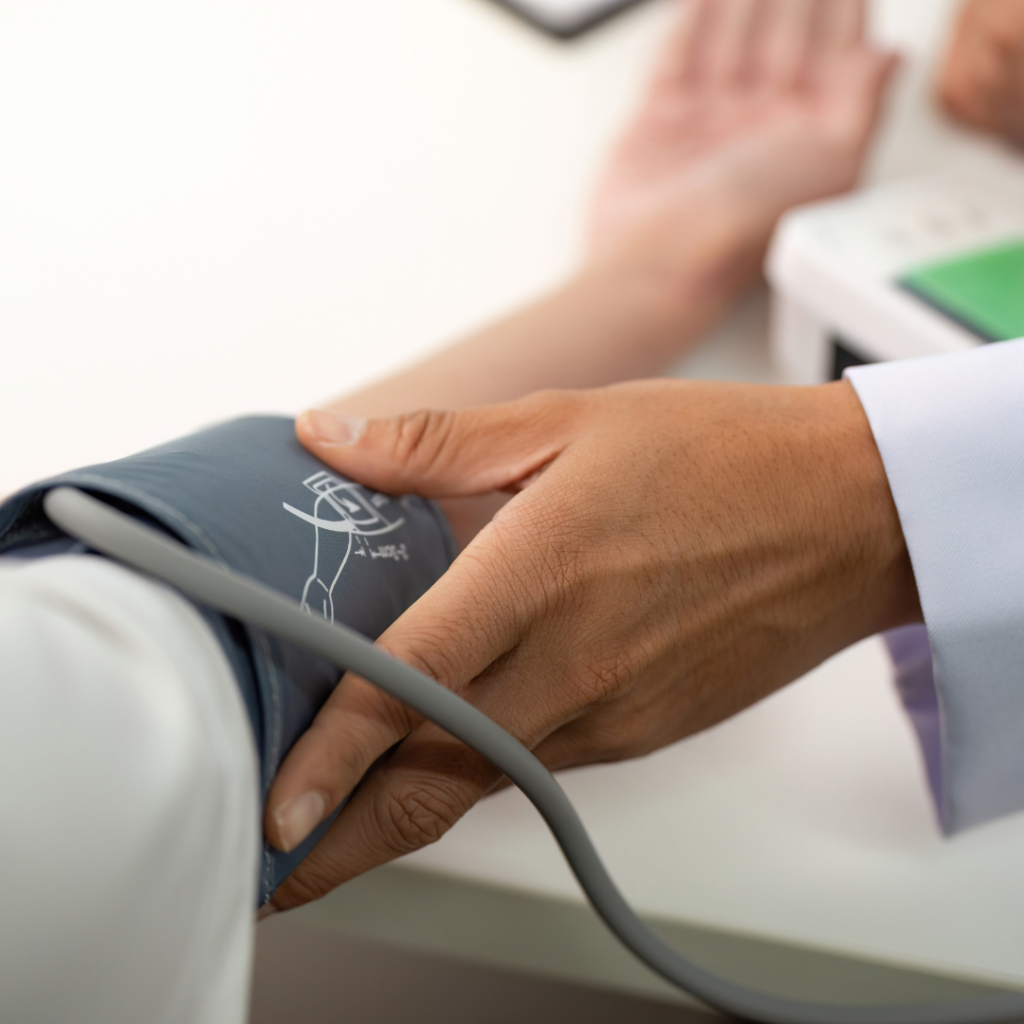
What Is a Good Blood Pressure?
A good blood pressure supports healthy circulation and reduces strain on the heart.
For most adults:
Ideal: around 120/80 mmHg
Slight variation is normal
Persistent elevation is not
Remote patient monitoring helps maintain good blood pressure by identifying trends early.
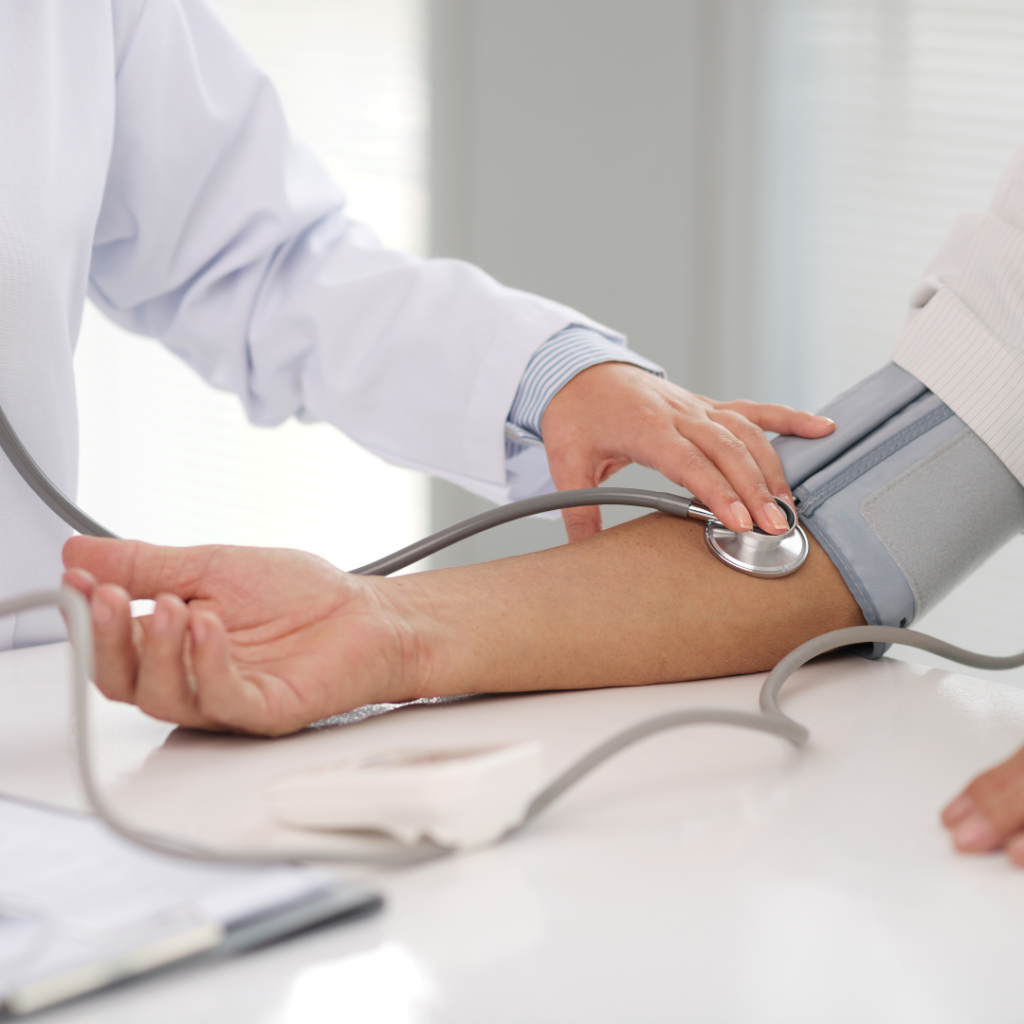
Blood Sugar, Heart Rate & Blood Pressure: The Connection
High blood pressure often coexists with:
High blood sugar (diabetes or prediabetes)
Abnormal heart rate
Insulin resistance
RPM allows combined monitoring, which improves outcomes by treating the whole metabolic picture—not isolated numbers.
How Remote Patient Monitoring Improves Blood Pressure Control
RPM changes how hypertension is managed.
Key benefits include:
Daily blood pressure checks from home
Early detection of dangerous trends
Reduced emergency visits
Better medication adjustments
Improved patient adherence
Continuous provider oversight
Patients no longer wait months between visits to know if treatment is working.
Who Benefits Most from RPM?
Remote patient monitoring is ideal for:
Patients with high blood pressure
Individuals with diabetes or high blood sugar
Heart disease patients
Seniors managing chronic conditions
Patients on blood pressure medications
Those needing frequent blood pressure checks
RPM Devices Used for Blood Pressure Monitoring
RPM typically uses:
Digital blood pressure monitors
Glucose meters
Heart rate and pulse monitors
Secure mobile apps or hubs
All readings are transmitted securely to healthcare providers.
Take Control of Your Health Today
Don’t wait for symptoms to appear — take a proactive approach to managing your blood pressure, heart rate, and blood sugar with Remote Patient Monitoring from NAMG.
Request an RPM consultation now and let our team help you stay ahead of high blood pressure and other chronic health concerns.
📞 Call 928-757-8440
Frequently Asked Questions About Remote Patient Monitoring
What is remote patient monitoring for blood pressure?
Remote patient monitoring allows patients to measure blood pressure at home using digital devices that automatically send readings to healthcare providers for review.
How often should blood pressure be checked?
Patients with high blood pressure often benefit from daily blood pressure checks, especially when starting or adjusting treatment.
Can RPM help manage high blood pressure?
Yes. RPM helps identify patterns, detect rising blood pressure early, and allows providers to adjust care before complications occur.
What is considered a good blood pressure?
For most adults, a good blood pressure is below 120/80 mmHg, though individual targets may vary.
Does RPM also monitor blood sugar and heart rate?
Yes. NAMG’s RPM program can track blood pressure, blood sugar levels, heart rate, and other vital health data.
Is remote patient monitoring covered by Medicare?
Many RPM services are covered by Medicare for eligible patients with chronic conditions such as hypertension or diabetes.