How Do You Know If You Have Diabetes?
You usually know you might have diabetes if you notice common warning signs such as frequent urination, unusual thirst, increased hunger, unexplained weight loss, fatigue, blurry vision, slow-healing sores, or frequent infections. The only way to know for sure is with a medical blood test, such as an A1C, fasting plasma glucose, oral glucose tolerance test, or random plasma glucose test when symptoms are present.
This question matters because diabetes can be easy to miss. CDC says 40.1 million people in the United States have diabetes, and more than 1 in 4 adults with diabetes do not know they have it.
The tricky part is that diabetes does not always feel dramatic at first. Type 2 diabetes can develop slowly over years and sometimes causes no obvious symptoms, while type 1 diabetes often appears faster and can become dangerous quickly.
What are the most common signs and symptoms of diabetes?
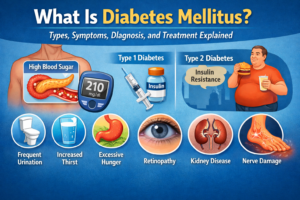
The most common signs of diabetes are changes caused by high blood sugar, and they often show up as thirst, frequent urination, hunger, tiredness, blurred vision, infections, and sometimes weight loss. These are the symptoms most people should know first.
Common warning signs include the following.
-
Frequent urination
-
Feeling very thirsty
-
Feeling hungrier than usual
-
Unexplained weight loss
-
Fatigue or low energy
-
Blurry vision
-
Frequent urinary tract infections or yeast infections
-
Slow-healing sores
-
Skin or other frequent infections
These symptoms happen because glucose builds up in the blood instead of being used properly by the body. In type 2 diabetes, this is often linked to insulin resistance, which means the body does not respond to insulin normally.
How are type 1 and type 2 diabetes symptoms different?
Type 1 diabetes usually appears faster, while type 2 diabetes often develops more slowly and can go unnoticed for a long time. That difference in speed is one of the most useful clues.
Type 1 diabetes symptoms may appear over days to weeks and can be severe. NIDDK says many people do not realize they have type 1 diabetes until symptoms start, and some people first present with diabetic ketoacidosis, or DKA.
Type 2 diabetes symptoms often develop over several years. Many people with type 2 diabetes have no symptoms at all, or the symptoms are so mild that they are easy to miss.
Can you have diabetes without noticing symptoms?
Yes, you can have diabetes without noticing symptoms, especially type 2 diabetes and prediabetes. That is one reason diabetes is often found during routine testing rather than because a person feels obviously ill.
CDC says type 2 diabetes symptoms can develop over several years and may not be noticeable at all. NIDDK also notes that many people with type 2 diabetes have no symptoms or only very mild symptoms.
Prediabetes can also be silent. CDC reports that 115.2 million American adults have prediabetes, and 8 in 10 do not know it.
That means the absence of symptoms does not rule out a blood sugar problem. If you have risk factors, testing matters even if you feel normal.
What tests are used to diagnose diabetes?
Doctors diagnose diabetes with blood tests, not by symptoms alone. The main tests are the A1C test, fasting plasma glucose test, oral glucose tolerance test, and random plasma glucose test when symptoms are present.
Here is what each test does.
-
A1C test: Shows average blood glucose over about the last 3 months.
-
Fasting plasma glucose (FPG): Measures blood sugar after at least 8 hours of fasting.
-
Oral glucose tolerance test (OGTT): Measures how your body handles glucose before and after a sugary drink.
-
Random plasma glucose: Can help diagnose diabetes right away if classic symptoms are present.
During pregnancy, doctors may first use a glucose challenge test, then an oral glucose tolerance test if the screening result is high. CDC says gestational diabetes screening usually happens between 24 and 28 weeks of pregnancy.
A diagnosis usually needs confirmation. The American Diabetes Association says diabetes tests often need to be repeated on a second day, unless blood sugar is very high or a person has classic symptoms plus one positive test.
There are also special situations. NIDDK notes that A1C may be less reliable in some people, including those in later pregnancy or those with certain blood conditions or hemoglobin variants.
What blood sugar levels mean diabetes or prediabetes?
Standard diagnostic cutoffs help doctors separate normal blood sugar, prediabetes, and diabetes. These are the most commonly used thresholds from NIDDK, citing ADA criteria.
| Test | Normal | Prediabetes | Diabetes |
|---|---|---|---|
| A1C | Below 5.7% | 5.7% to 6.4% | 6.5% or above |
| Fasting plasma glucose | 99 mg/dL or below | 100 to 125 mg/dL | 126 mg/dL or above |
| 2-hour oral glucose tolerance test | 139 mg/dL or below | 140 to 199 mg/dL | 200 mg/dL or above |
| Random plasma glucose | — | — | 200 mg/dL or above with symptoms |
These numbers matter because they show that diabetes is not diagnosed by “feeling bad” alone. A person can feel unwell and still need formal testing, or feel normal and still meet lab criteria for diabetes or prediabetes.
Who should get tested for diabetes?
People should ask about diabetes testing if they have symptoms, are older, or have risk factors such as being overweight, having a family history, prediabetes, past gestational diabetes, or low physical activity. Screening matters because diabetes and prediabetes are often silent.
NIDDK says adults are more likely to develop type 2 diabetes if they are overweight or have obesity, are age 35 or older, have a family history of diabetes, have prediabetes, have had gestational diabetes, or are not physically active. NIDDK also lists higher risk in several racial and ethnic groups, including African American, American Indian, Asian American, Hispanic/Latino, and Pacific Islander populations.
CDC adds a practical screening message for A1C testing: get an A1C test if you are over age 45, or if you are younger but have overweight plus another risk factor for prediabetes or type 2 diabetes.
For children, NIDDK says health professionals begin testing children who have overweight or obesity starting around age 10 or puberty.
If you are pregnant, diabetes screening is different. CDC says gestational diabetes is usually checked between 24 and 28 weeks, and earlier if the risk is higher.
When should possible diabetes symptoms be treated as urgent?
Possible diabetes symptoms should be treated as urgent if they suggest diabetic ketoacidosis (DKA) or another severe high-blood-sugar emergency. DKA is a medical emergency and can sometimes be the first sign of undiagnosed diabetes.
CDC says DKA may start with heavy thirst and lots of urination, then quickly become more serious. Warning signs include fast, deep breathing, dry mouth, flushed face, fruity-smelling breath, headache, muscle aches, severe tiredness, nausea, vomiting, and stomach pain. NIDDK also lists trouble breathing, fainting from dehydration, and abdominal pain.
Common warning signs vs urgent red flags
| Situation | What it can look like | How quickly to act |
|---|---|---|
| Common diabetes warning signs | Thirst, frequent urination, hunger, fatigue, blurry vision, infections, slow-healing sores | Book a medical appointment soon |
| Urgent red flags | Fruity breath, vomiting, trouble breathing, fainting, severe stomach pain, fast deep breathing, extreme weakness | Seek urgent or emergency medical care |
DKA is more common in type 1 diabetes, but NIDDK notes that people with type 2 diabetes can also develop DKA if the body does not produce enough insulin.
Can you diagnose diabetes at home?
No, you should not diagnose diabetes at home. Home devices and online risk tools can be helpful clues, but diagnosis requires proper testing in a health care setting.
NIDDK says doctors diagnose diabetes, prediabetes, and gestational diabetes using blood tests, and over-the-counter blood glucose meters cannot diagnose diabetes. ADA also says testing should be carried out in a doctor’s office or lab.
A home blood sugar reading that looks high is still useful information. But the next step is to follow up with a clinic or doctor’s office so the result can be confirmed correctly. CDC specifically says that if you had blood sugar checked at a health fair or pharmacy, you should follow up with your doctor because re-testing may be needed.
What should you do next if you think you may have diabetes?
If you think you may have diabetes, the best next step is to arrange medical testing rather than guessing based on symptoms alone. Early testing can confirm the problem and lower the chance of complications by getting treatment started sooner.
A simple plan looks like this.
-
Notice the pattern. Write down symptoms such as thirst, urination, blurry vision, fatigue, weight loss, infections, or slow-healing sores.
-
Book a medical visit. Ask whether you need an A1C, fasting glucose, or another diabetes test.
-
Mention risk factors. Say if you have a family history, prediabetes, overweight, past gestational diabetes, or low activity.
-
Do not rely only on a home meter. Use formal testing for diagnosis.
-
Get urgent help for red flags. Go urgently if you have vomiting, trouble breathing, fruity breath, fainting, or severe abdominal pain.
The reason this matters is simple: diabetes can damage the heart, eyes, kidneys, nerves, and feet over time, especially when high blood sugar stays untreated.
What is the key takeaway?
You may suspect diabetes from symptoms like thirst, frequent urination, hunger, fatigue, blurry vision, infections, weight loss, or slow-healing sores, but you only know you have diabetes after a proper blood test. Because type 2 diabetes can be silent and type 1 diabetes can become dangerous quickly, do not wait for symptoms to become severe before getting checked.
Frequently asked questions about diabetes symptoms and diagnosis
Can you have diabetes and still feel normal?
Yes. Many people with type 2 diabetes or prediabetes feel normal, especially early on. That is why screening based on age and risk factors matters.
What is often the first sign of diabetes?
There is not one single first sign for everyone, but common early clues include frequent urination, increased thirst, and fatigue. Type 1 diabetes may start suddenly, while type 2 diabetes often builds slowly.
Is prediabetes the same as diabetes?
No. Prediabetes means blood sugar is higher than normal but not yet high enough for a diabetes diagnosis. It still matters because it raises the risk of developing type 2 diabetes.
Can a home glucose meter diagnose diabetes?
No. A home glucose meter can show that a reading is high, but it cannot diagnose diabetes by itself. Diagnosis should be done with proper testing in a clinic or lab.
Should I get tested if diabetes runs in my family?
Yes. Family history is one of the recognized risk factors for type 2 diabetes, so it is worth asking your doctor about testing.
Can gestational diabetes happen without symptoms?
Yes. CDC says gestational diabetes often develops during pregnancy screening rather than from obvious symptoms, and testing usually happens between 24 and 28 weeks.
When should diabetes symptoms be treated as an emergency?
Treat symptoms as urgent if you have vomiting, trouble breathing, fruity-smelling breath, severe stomach pain, fainting, or fast deep breathing. Those are warning signs of DKA, which is a medical emergency.