latest update

A Glass of Orange Juice Daily May Boost Heart Health

Daily Orange Juice Linked to Reduced Inflammation and Better Heart Health

Daily Orange Juice Linked to Reduced Inflammation and Better Heart Health, New 2025 Study Shows A new study in 2025 is reshaping how scientists view one of the world’s most common breakfast drinks. Researchers have found that drinking a daily glass of pure orange juice may significantly influence gene activity linked to blood pressure, inflammation, and metabolic health—suggesting the beverage has far greater physiological impact than previously understood. The findings, highlighted by Euronews Health and explained by Dr. David C. Gaze, Senior Lecturer in Chemical Pathology at the University of Westminster, indicate that orange juice may help reduce key risk factors associated with cardiovascular disease. Study Finds Changes in Thousands of Genes In the study, adults consumed 500 ml of pasteurised orange juice every day for two months. After 60 days, scientists observed reduced activity in thousands of genes within immune cells. Several of the genes that became less active—including NAMPT, IL6, IL1B, and NLRP3—are normally triggered during inflammation or physical stress. Another gene, SGK1, which plays a role in sodium retention and blood pressure regulation, also showed lower activity. Researchers say these subtle but meaningful shifts support earlier evidence that routine orange juice consumption may help lower blood pressure, reduce inflammation, and ease stress within the cardiovascular system. Hesperidin Identified as Key Anti-Inflammatory Component The study reinforces the importance of hesperidin, a natural citrus flavonoid found in oranges. Hesperidin has long been recognised for its antioxidant and anti-inflammatory benefits, but the new research shows it may also influence processes related to: Blood vessel relaxation Cholesterol balance Sugar metabolism According to Dr. Gaze, the research helps explain why several clinical trials have linked orange juice intake to modest improvements in heart health. Individual Responses Depend on Body Type Interestingly, the effects varied based on participants’ body weight. Overweight individuals exhibited larger changes in genes tied to fat metabolism. Lean participants showed greater improvements in inflammation-related gene activity. Researchers say this indicates orange juice may adaptively influence metabolism depending on an individual’s physiology. Broader Evidence Supports Heart-Health Benefits The new findings align with many earlier clinical studies: A review of 15 controlled trials involving 639 participants found that orange juice consumption lowered insulin resistance and LDL cholesterol. A separate analysis reported small reductions in systolic blood pressure and increases in HDL (“good”) cholesterol among overweight adults. Studies examining metabolites revealed that orange juice may influence energy pathways, cell signaling, and inflammatory markers. In trials involving blood orange juice, researchers observed improved gut bacteria that produce short-chain fatty acids, compounds associated with healthier blood pressure and reduced inflammation. Another study involving people with metabolic syndrome found that daily orange juice significantly improved endothelial function, an indicator of how well blood vessels relax and expand. Orange Juice in Everyday Life and Cultural Tradition Beyond the laboratory, orange juice remains a cultural staple in households worldwide. Family traditions—such as holiday gatherings where orange juice is a central beverage—reflect the drink’s long-standing role as a symbol of comfort, freshness, and energy. While the health conversation around fruit juice often focuses on sugar content, researchers emphasize that pure orange juice should be assessed differently from sugary soft drinks due to its unique nutrient composition and bioactive compounds. Saudi Arabia’s Fruit Juice Market Shows Rapid Growth The scientific interest in orange juice mirrors global market shifts. In Saudi Arabia, the fruit juice sector—including orange juice—is expanding rapidly. The market grew to USD 1.2 billion in 2024 and is projected to reach USD 1.8 billion by 2033, according to an IMARC Group report. Drivers of this growth include: Rising health awareness amid Vision 2030 reforms Increased demand for natural and nutritious beverages AI-powered production and supply chain optimization Investment in local agriculture and vertical farming Preference for organic, clean-label, and premium juice options Experts say the shift toward health-oriented consumer choices is accelerating innovation and sustainability initiatives within the region’s juice industry. A Functional Food With Measurable Impact Although whole oranges remain the best choice nutritionally due to their fibre content, scientists agree that moderate, daily consumption of pure orange juice can offer important health benefits that build over time. These include: Lower inflammation Improved blood flow Reduced LDL cholesterol Better insulin sensitivity Enhanced vascular function Researchers caution that effects are modest in the short term but may accumulate significantly over years, contributing to long-term cardiovascular protection. A Simple Daily Habit With Scientific Backing The growing body of evidence challenges the perception that fruit juice is merely a sugary beverage. Instead, orange juice appears to be a functional food—one that interacts with the body on a molecular level, influencing processes tied to heart health, metabolism, and inflammation. As Dr. Gaze notes, “The drink doesn’t only spike insulin rates—it also triggers changes that ease inflammation.” With ongoing research and rising consumer interest, orange juice continues to hold its place as a nutritional and cultural staple, now supported by a deeper scientific understanding of its benefits. references: https://theconversation.com/your-daily-orange-juice-could-be-helping-your-heart-270492 https://www.euronews.com/health/2025/12/02/orange-juice-found-to-affect-thousands-of-genes-in-immune-cells-study-says  

Daily Orange Juice Linked to Reduced Inflammation and Better Heart Health Read More »

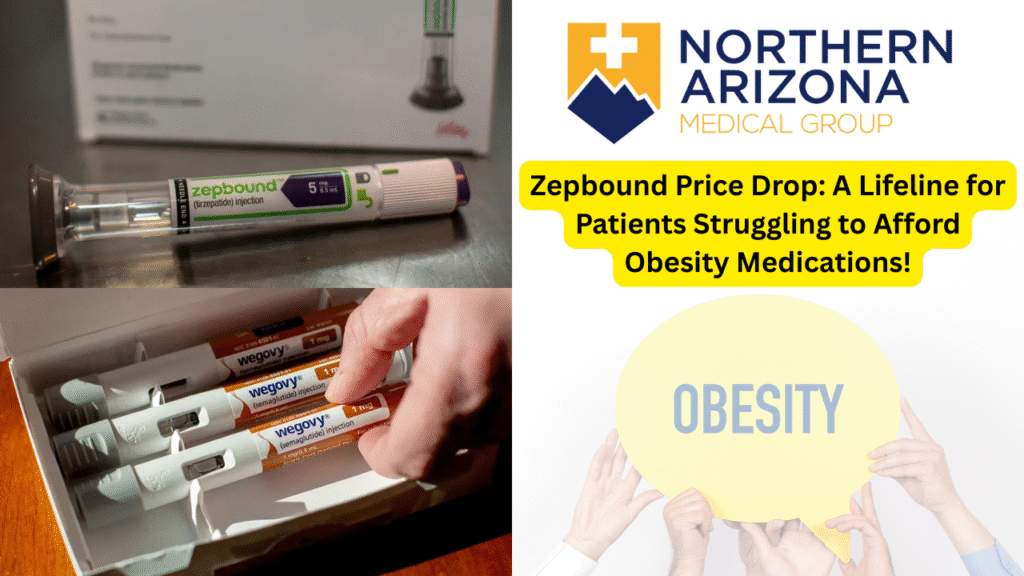
Zepbound Price Drop A Lifeline for Patients Struggling to Afford Obesity Medications!

Zepbound Prices Cut—Now Patients Can Get the Weight Loss Drug for as Low as $299!

Key Points: Eli Lilly reduces Zepbound prices: Single-dose vials now cost $299–$449 per month on LillyDirect, down from $349–$499. Digital healthcare platform: LillyDirect enables cash-paying patients to access Zepbound at a reduced price. Targeted patients: Prices apply to patients with valid prescriptions who lack insurance or have limited coverage. Key price changes: The 2.5 mg dose is now $299, the 5 mg dose is at $399, and higher doses are at $449. Lilly’s price-cutting strategy: Builds on previous discounts for multi-dose pens, with plans for Medicare patients. Eli Lilly’s role in accessibility: Aimed at making treatments for obesity more accessible despite high costs and limited insurance coverage. Rival competition: Novo Nordisk also announced similar price reductions for its weight loss drugs, Wegovy and Ozempic. Eli Lilly Cuts Zepbound Prices for Increased Access: A Step Toward Affordable Obesity Treatment   Introduction   Eli Lilly is making significant strides to reduce the financial burden of weight loss treatments by cutting the prices of Zepbound (tirzepatide) for self-paying patients. The new pricing, available through LillyDirect, their digital healthcare platform, aims to increase accessibility for individuals dealing with obesity or overweight-related health issues. Price Reductions Announced   On December 1, 2025, Eli Lilly announced a price reduction for single-dose vials of Zepbound, making the drug more affordable for many Americans. The 2.5 mg dose is now priced at $299 per month, a decrease from $349. The 5 mg dose will cost $399 per month, down from $499, while all other approved doses (7.5 mg, 10 mg, 12.5 mg, and 15 mg) will be available for $449 per month, a reduction from the previous price of $499 per month. For cash-paying patients with a valid prescription, these prices offer a more affordable alternative to the standard list prices, which can range from $599 to $1,049 per month depending on the dosage. This Zepbound Self Pay Journey Program offers a digital solution for those who face financial or insurance challenges. LillyDirect: Expanding Access to Obesity Care   The LillyDirect platform, launched in early 2024, is central to this initiative. It allows patients without insurance or those with inadequate coverage to access medications directly from Eli Lilly. Through this platform, Eli Lilly is striving to lower out-of-pocket costs and eliminate barriers to weight loss treatments, a common issue many face due to the high costs and limited insurance coverage for obesity drugs. This price drop also follows a broader trend in the healthcare industry, with other pharmaceutical giants like Novo Nordisk announcing similar initiatives to make their weight-loss drugs more accessible to the public. This move is part of an effort to reduce the financial barriers that have historically made it difficult for patients to access these critical medications. Zepbound’s Role in Obesity Treatment   Zepbound is an injectable prescription medicine designed for adults with obesity or overweight who also have weight-related medical problems. It is particularly effective in assisting patients with long-term weight management. Additionally, Zepbound may help improve conditions like obstructive sleep apnea (OSA) in individuals struggling with obesity. The drug is administered through a subcutaneous injection once a week, and it has gained significant popularity among patients who need assistance with weight loss. However, its high retail price has been a barrier for many, making Lilly’s pricing move even more impactful. What This Means for Patients   For patients already on the Zepbound Self Pay Journey Program, the price reduction will make it easier to stay on their treatment plan. This change allows patients to continue using the medication with fewer financial concerns. The company’s commitment to making treatment options more accessible is a major step forward in the ongoing fight against obesity and related health problems. Moreover, Eli Lilly has indicated that it will continue expanding its delivery device options and pathways for access, ensuring patients have the flexibility they need in managing their treatment. This includes the possibility of Medicare coverage starting in 2026, which will provide further relief for senior patients. Eli Lilly’s Competitive Edge   In the growing market for weight-loss drugs, Eli Lilly is now competing head-to-head with Novo Nordisk, which offers Wegovy and Ozempic. Both companies have introduced direct-to-consumer platforms that help reduce the barriers new patients face when trying to access these medications. While Novo Nordisk launched NovoCare Pharmacy in March 2025, Eli Lilly’s LillyDirect offers a similar benefit with a focus on making drugs like Zepbound more affordable. This shift toward direct-to-consumer access could significantly change the way medications are distributed, particularly for individuals who struggle with insurance issues or are uninsured. These platforms may also contribute to greater competition between the two pharmaceutical giants, driving further price reductions and making treatments for obesity and related diseases more accessible to all. The Bigger Picture: Transforming Healthcare Access   As both Eli Lilly and Novo Nordisk continue to cut prices for their weight loss drugs, they are not only providing more accessible treatments for patients but are also setting a precedent for the future of healthcare. With Medicare coverage becoming available for obesity treatments and new deals aimed at reducing costs, these efforts highlight the potential for greater accessibility to life-changing treatments. Eli Lilly’s price-cutting measures, paired with innovative platforms like LillyDirect, show the company’s commitment to transforming healthcare for patients, particularly those dealing with the challenges of obesity and its associated health problems. Conclusion   Eli Lilly’s recent price reduction for Zepbound exemplifies the company’s efforts to increase accessibility to vital obesity treatments. By lowering costs and expanding the reach of its digital platform, Lilly is working to reduce financial barriers for patients, ultimately making it easier for individuals to manage their weight and improve their health. As the market continues to evolve, Lilly’s pricing strategies may inspire other companies to follow suit, leading to more affordable options for those in need. References: https://www.foxbusiness.com/lifestyle/eli-lilly-cuts-zepbound-price-widen-access-obesity-drug https://www.cnbc.com/2025/12/01/eli-lilly-prices-zepbound-weight-loss-drug-vials.html https://investor.lilly.com/news-releases/news-release-details/lilly-lowers-price-zepboundr-tirzepatide-single-dose-vials  

Zepbound Prices Cut—Now Patients Can Get the Weight Loss Drug for as Low as $299! Read More »