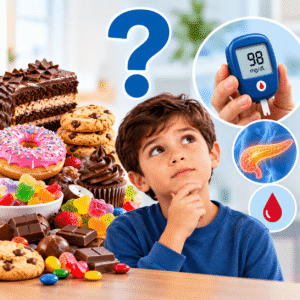

How to Prevent Diabetes
You cannot prevent every type of diabetes, but type 2 diabetes can often be prevented or delayed—especially if you have prediabetes or other risk factors. The most effective strategies include maintaining a healthy weight, staying physically active, choosing a nutritious eating pattern, getting enough sleep, avoiding smoking, and getting your blood sugar checked when appropriate.
Current American Diabetes Association guidance recommends that adults with overweight or obesity who are at high risk of type 2 diabetes aim for at least 5% to 7% weight loss and at least 150 minutes of moderate-intensity physical activity each week.
Prevention does not require perfection. Small, sustainable changes made consistently can improve insulin sensitivity and reduce the likelihood that prediabetes will progress to type 2 diabetes.
Can Diabetes Be Prevented?
It depends on the type.
Type 2 diabetes
Type 2 diabetes can often be prevented or delayed.
It usually develops gradually as the body becomes resistant to insulin and the pancreas becomes less able to keep blood glucose within a healthy range.
Lifestyle changes can significantly reduce this risk, particularly in people with prediabetes, overweight or obesity, physical inactivity, or a family history of diabetes.
Type 1 diabetes
There is currently no proven way to routinely prevent type 1 diabetes.
Type 1 diabetes is an autoimmune disease in which the immune system attacks the insulin-producing beta cells of the pancreas.
Healthy eating and exercise remain important for overall health, but they do not prevent the autoimmune process responsible for type 1 diabetes.
Gestational diabetes
Gestational diabetes cannot always be prevented.
However, entering pregnancy at a healthy weight, being physically active when medically appropriate, and following a healthy eating pattern may help reduce risk in some people.
Anyone who has had gestational diabetes also has an increased risk of developing type 2 diabetes later in life.
1. Lose Excess Weight If Needed
If you have overweight or obesity, even modest weight loss can make a meaningful difference.
The ADA currently recommends a goal of at least 5% to 7% of starting body weight for adults at high risk of type 2 diabetes.
For example:
- If you weigh 200 pounds, 5% is about 10 pounds.
- If you weigh 220 pounds, 7% is about 15 pounds.
- If you weigh 250 pounds, 5% is about 12.5 pounds.
You do not need to reach an “ideal” weight before metabolic benefits begin.
Weight loss can improve insulin sensitivity, reduce abdominal fat, lower blood glucose, and reduce the workload placed on the pancreas.
NIDDK also notes that losing approximately 5% to 7% of body weight may help prevent or delay type 2 diabetes.
2. Get at Least 150 Minutes of Physical Activity Each Week
Exercise is one of the most effective ways to improve insulin sensitivity.
When your muscles contract during activity, they can use glucose for energy more effectively. Regular exercise also helps reduce visceral fat, improve cardiovascular health, and support weight management.
For people at increased risk of diabetes, the ADA recommends at least:
150 minutes of moderate-intensity physical activity per week.
That could look like:
- 30 minutes of brisk walking 5 days per week
- cycling
- swimming
- dancing
- jogging
- recreational sports
- aerobic exercise classes
If 30 minutes at once feels difficult, shorter sessions can still help.
You might start with:
10 minutes after breakfast + 10 minutes after lunch + 10 minutes after dinner
and gradually build from there.
The Diabetes Prevention Program found that reaching 150 minutes of physical activity weekly provided meaningful protection against developing type 2 diabetes, even among participants who did not reach their weight-loss goal.
3. Add Strength Training
Aerobic activity is important, but strength training can also support diabetes prevention.
Muscle tissue uses glucose.
Building or maintaining muscle can therefore improve the body’s ability to manage blood sugar.
Strength exercises may include:
- resistance bands
- body-weight exercises
- weight machines
- free weights
- squats
- push-ups
- lunges
A balanced program can include both aerobic exercise and resistance training.
ADA guidance specifically notes that resistance training can be included in physical activity plans designed to prevent diabetes.
4. Sit Less During the Day
Even if you exercise regularly, spending very long periods sitting may negatively affect metabolic health.
Try breaking up prolonged sitting by:
- standing every 30 to 60 minutes
- walking during phone calls
- taking short movement breaks
- walking after meals
- using stairs when possible
Breaking up prolonged sedentary time may help reduce blood glucose after meals.
5. Build Your Diet Around Minimally Processed Foods
There is no single “diabetes prevention diet.”
The most useful eating pattern is one that:
- provides adequate nutrition
- supports a healthy weight
- can be followed long term
- limits highly processed foods
- emphasizes fiber-rich whole foods
Foods to include regularly may include:
Vegetables
Try to make non-starchy vegetables a major part of meals.
Examples include:
- broccoli
- spinach
- peppers
- cauliflower
- tomatoes
- cabbage
- green beans
- leafy greens
Whole fruits
Whole fruit provides fiber, vitamins, minerals, and beneficial plant compounds.
Choose whole fruit more often than fruit juice.
Legumes
Beans, lentils, chickpeas, and peas provide fiber, protein, and slowly digested carbohydrates.
Whole grains
Examples include:
- oats
- barley
- brown rice
- quinoa
- whole-grain bread
Protein
Useful protein choices may include:
- fish
- poultry
- eggs
- beans
- lentils
- tofu
- low-fat dairy
- nuts and seeds
Healthy fats
Sources include:
- olive oil
- nuts
- seeds
- avocado
- fatty fish
The ADA notes that several evidence-based eating patterns can be appropriate for diabetes prevention, including Mediterranean-style and lower-carbohydrate approaches.
6. Reduce Sugary Drinks
Sugary beverages can provide large amounts of rapidly absorbed sugar and calories without making you feel very full.
Examples include:
- regular soda
- sweetened tea
- energy drinks
- sweetened coffee drinks
- sports drinks
- many fruit drinks
Better everyday options include:
- water
- sparkling water without added sugar
- unsweetened tea
- coffee without large amounts of added sugar
NIDDK specifically recommends choosing water instead of sugar-sweetened beverages as part of preventing type 2 diabetes.
7. Pay Attention to Portion Size
Healthy foods can still contribute to excess calorie intake when portions are consistently very large.
Portion awareness can be especially useful if weight loss is one of your goals.
One simple approach is the plate method:
Half the plate: non-starchy vegetables
One-quarter: protein
One-quarter: whole grains or another high-fiber carbohydrate
You do not need to count every calorie forever.
The goal is to develop portions that satisfy hunger while supporting a healthy overall energy intake.
8. Eat More Fiber
Fiber slows digestion and can help moderate the rise in blood glucose after meals.
It may also help you feel full for longer.
Good sources include:
- vegetables
- fruits
- beans
- lentils
- whole grains
- nuts
- seeds
Higher-fiber foods also tend to be less heavily processed, making them useful components of an overall diabetes-prevention eating pattern.
9. Limit Highly Processed Foods
You do not need to completely avoid any single food to prevent diabetes.
However, frequently consuming highly processed foods can make it easier to eat excess calories and may contribute to weight gain.
Try limiting foods such as:
- sugary desserts
- candy
- refined snack foods
- heavily processed meats
- fast food
- fried foods
- refined baked goods
- sugar-sweetened drinks
Rather than labeling foods as completely “good” or “bad,” focus on the overall pattern of your diet.
10. Get Enough Sleep
Sleep plays an important role in glucose regulation.
Chronic sleep deprivation may affect:
- insulin sensitivity
- appetite hormones
- cortisol
- food cravings
- energy levels
- physical activity
- body weight
For most adults, approximately 7 to 9 hours of sleep per night is commonly recommended.
Try to maintain a consistent sleep schedule and seek medical advice if you have persistent insomnia, severe snoring, or symptoms of sleep apnea.
Sleep apnea is particularly common among people with overweight or obesity and may worsen metabolic health.
11. Manage Chronic Stress
Short-term stress is part of normal life.
Chronic stress, however, can affect glucose regulation through hormones such as cortisol and adrenaline.
Stress can also indirectly increase diabetes risk by contributing to:
- poor sleep
- overeating
- reduced physical activity
- alcohol use
- smoking
- difficulty maintaining healthy routines
Helpful stress-management strategies may include:
- walking
- meditation
- breathing exercises
- yoga
- spending time outdoors
- hobbies
- adequate sleep
- talking with friends or family
- counseling or psychotherapy when needed
Stress reduction alone cannot guarantee diabetes prevention, but it can support healthier metabolic habits.
12. Avoid Smoking
Smoking affects much more than the lungs.
It increases cardiovascular risk and may contribute to metabolic problems, including insulin resistance.
If you smoke, quitting is one of the most beneficial changes you can make for your overall health.
A healthcare professional can help with:
- nicotine replacement
- prescription medications
- behavioral counseling
- structured quit programs
13. Limit Excessive Alcohol
Heavy alcohol use can contribute to:
- weight gain
- high triglycerides
- liver disease
- poor dietary choices
- disrupted sleep
- abnormal glucose regulation
If you drink alcohol, moderation is important.
People taking certain medications or living with certain medical conditions may need to avoid alcohol completely.
14. Know Your Risk Factors
Preventing diabetes starts with knowing whether you are at increased risk.
Risk factors for type 2 diabetes include:
- overweight or obesity
- prediabetes
- physical inactivity
- family history of diabetes
- increasing age
- previous gestational diabetes
- high blood pressure
- abnormal cholesterol or triglyceride levels
- polycystic ovary syndrome
- certain conditions associated with insulin resistance
- some medications
NIDDK also identifies age, family history, overweight or obesity, inactivity, and previous gestational diabetes as important risk factors.
Having a risk factor does not mean you will definitely develop diabetes.
It means prevention and appropriate screening become more important.
15. Get Tested Before Symptoms Appear
Type 2 diabetes often develops gradually.
Many people with prediabetes or early type 2 diabetes have no obvious symptoms.
Blood tests can detect problems before symptoms develop.
Common tests include:
A1C test
This estimates your average blood glucose over approximately the previous 2 to 3 months.
Fasting plasma glucose
This measures blood glucose after an overnight fast.
Oral glucose tolerance test
This measures how effectively your body processes glucose after drinking a glucose-containing beverage.
NIDDK currently advises that adults age 35 or older should be tested for diabetes and prediabetes, while earlier screening may be appropriate for people with additional risk factors.
Ask your healthcare professional what screening schedule is appropriate for you.
16. Take Prediabetes Seriously
Prediabetes means blood glucose is higher than normal but has not yet reached the range used to diagnose type 2 diabetes.
This stage is important because it provides an opportunity to intervene early.
Prediabetes does not automatically progress to diabetes.
Lifestyle changes can substantially reduce that risk.
The ADA recommends structured diabetes prevention programs for adults at high risk, particularly people with overweight or obesity.
17. Consider a Diabetes Prevention Program
If you have prediabetes, you do not have to manage prevention entirely on your own.
Structured diabetes prevention programs can provide:
- nutrition guidance
- physical activity planning
- weight-management support
- coaching
- goal setting
- accountability
- behavior-change strategies
The Diabetes Prevention Program is one of the strongest bodies of evidence showing that intensive lifestyle changes can prevent or delay type 2 diabetes.
Programs may be available in person, online, or through telehealth.
18. Ask Whether Medication Is Appropriate
Lifestyle modification is generally the foundation of type 2 diabetes prevention.
However, medication may be appropriate for some people with prediabetes who are at particularly high risk.
Metformin is the best-established medication used for diabetes prevention in selected people with prediabetes.
NIDDK notes that metformin may be particularly useful for certain younger people with overweight and prediabetes and for people with a history of gestational diabetes.
Medication should not be started solely for prevention without discussing the expected benefits and risks with a qualified healthcare professional.
How Quickly Can You Reduce Your Diabetes Risk?
There is no single timeline.
Some metabolic improvements can begin relatively quickly after you become more physically active, improve your diet, or lose excess weight.
Long-term prevention, however, depends on maintaining those habits.
This is why sustainable changes usually work better than crash diets or extremely restrictive programs.
Think of prevention as:
small changes → repeated consistently → maintained long term
rather than trying to completely transform your lifestyle in one week.
A Simple Diabetes Prevention Plan
If you want a straightforward place to start, focus on these five goals:
- Move for at least 150 minutes each week.
- If you have overweight or obesity and are at high risk, work toward losing at least 5% to 7% of your starting weight.
- Build most meals around vegetables, high-fiber carbohydrates, protein, and minimally processed foods.
- Replace sugary drinks with water most of the time.
- Get tested if you have prediabetes risk factors.
These are practical targets supported by current diabetes-prevention guidance.
FAQs
What is the best way to prevent diabetes?
The strongest evidence for preventing type 2 diabetes supports maintaining a healthy weight, exercising regularly, eating a nutritious reduced-calorie diet when weight loss is needed, and addressing prediabetes early.
For high-risk adults with overweight or obesity, the ADA recommends at least 5% to 7% weight loss and 150 minutes or more of moderate-intensity activity each week.
Can you prevent diabetes if it runs in your family?
You cannot change your genetics, but having a family history does not mean type 2 diabetes is inevitable.
Healthy weight management, regular exercise, nutritious eating, and appropriate screening can still reduce your overall risk.
Can walking prevent diabetes?
Walking can help.
Brisk walking improves insulin sensitivity, burns energy, supports cardiovascular health, and can help with weight management.
A practical target is about 150 minutes of moderate physical activity per week.
Can you prevent diabetes by avoiding sugar?
Simply eliminating table sugar does not guarantee that you will prevent diabetes.
Type 2 diabetes develops through a combination of insulin resistance, genetics, body weight, physical activity, diet, age, and other factors.
Reducing sugary drinks and highly processed foods can be helpful, but your overall lifestyle matters more than avoiding one ingredient.
Can prediabetes go away?
Blood glucose can return below the prediabetes range in some people, particularly after meaningful and sustained lifestyle changes.
However, a history of prediabetes still signals increased metabolic risk, so healthy habits and appropriate monitoring remain important.
Can diabetes be prevented without losing weight?
Yes, some diabetes-prevention benefits can occur even without major weight loss.
Exercise itself improves insulin sensitivity. In the Diabetes Prevention Program, reaching the physical activity target was associated with lower diabetes incidence even among people who did not meet the weight-loss goal.
Weight loss can provide additional benefit for people with overweight or obesity.
Can type 1 diabetes be prevented?
At present, there is no routine lifestyle method proven to prevent type 1 diabetes.
Type 1 diabetes is an autoimmune condition and is fundamentally different from type 2 diabetes.
The Bottom Line
Type 2 diabetes can often be prevented or delayed, particularly when action begins during prediabetes or before blood glucose becomes persistently elevated.
The most effective strategy is not a single supplement, food, or exercise.
It is a combination of sustainable habits:
- maintaining or reaching a healthier weight when appropriate
- getting at least 150 minutes of physical activity per week
- eating mostly nutrient-dense, minimally processed foods
- limiting sugary drinks
- sitting less
- sleeping well
- managing chronic stress
- avoiding smoking
- knowing your diabetes risk
- getting screened when appropriate
For adults with overweight or obesity who are at high risk of type 2 diabetes, losing 5% to 7% of starting body weight combined with regular physical activity is a well-supported prevention strategy.
You cannot control every diabetes risk factor, particularly age and genetics. But acting on the factors you can change may substantially lower your chances of progressing to type 2 diabetes.
References
- American Diabetes Association Professional Practice Committee. Prevention or Delay of Diabetes and Associated Comorbidities: Standards of Care in Diabetes—2026.
- National Institute of Diabetes and Digestive and Kidney Diseases. Risk Factors for Type 2 Diabetes.
- National Institute of Diabetes and Digestive and Kidney Diseases. Type 2 Diabetes.
- National Institute of Diabetes and Digestive and Kidney Diseases. Your Game Plan to Prevent Type 2 Diabetes.
- National Institute of Diabetes and Digestive and Kidney Diseases. Diabetes Alert Day.
Medical disclaimer: This article is for general educational purposes and is not a substitute for individualized medical advice, diagnosis, or treatment. Speak with a qualified healthcare professional if you have prediabetes, symptoms of high blood sugar, or concerns about your diabetes risk.