Normal Blood Pressure by Age: What Your Numbers Mean
Under U.S. guidelines, normal blood pressure is below 120/80 mm Hg for adults and teens ages 13 and older. There isn’t a separate normal range for adults in their 40s, 60s, or 80s. For children ages 1 to 12, normal blood pressure depends on age, sex, and height. ahajournals.org
What Is Normal Blood Pressure by Age?
Age changes how blood pressure is classified in younger children, but the same adult categories apply throughout adulthood. A clinician may still set a different treatment goal based on someone’s health and circumstances. ahajournals.org
| Age group | What counts as normal |
|---|---|
| Children ages 1–12 | Both numbers below the 90th percentile for age, sex, and height |
| Teens ages 13–17 | Top number below 120 and bottom number below 80 mm Hg |
| Adults ages 18–64 | Top number below 120 and bottom number below 80 mm Hg |
| Adults ages 65 and older | Same adult category. An individual treatment goal may differ. |
Newborns and infants need separate assessment. Pregnancy also has separate guidance, so the adult chart below should not be used on its own to decide whether a reading during pregnancy needs care. publications.aap.org
What Do the Two Blood Pressure Numbers Mean?
The top number, called systolic pressure, measures the pressure in your arteries when your heart beats. The bottom number, called diastolic pressure, measures the pressure between beats. If the two numbers fall into different categories, the higher category applies. American Heart Association
| U.S. adult blood pressure category | Systolic (top number) | Diastolic (bottom number) |
|---|---|---|
| Normal | Below 120 | And below 80 |
| Elevated | 120–129 | And below 80 |
| Stage 1 high blood pressure | 130–139 | Or 80–89 |
| Stage 2 high blood pressure | 140 or higher | Or 90 or higher |
For example, 118/84 mm Hg falls in the stage 1 range because the bottom number is 84, even though the top number is below 120. One reading in that range does not establish a diagnosis. American Heart Association
Is Higher Blood Pressure Normal as You Get Older?
Higher blood pressure is more common with age, but that doesn’t make a reading of 140/90 mm Hg normal for an older adult. The distinction is between a blood pressure category and a treatment goal. U.S. guidelines generally aim for a treated blood pressure below 130/80 mm Hg, with individual considerations for people who require institutional care or have a limited life expectancy. ahajournals.org
How Can You Get an Accurate Blood Pressure Reading at Home?
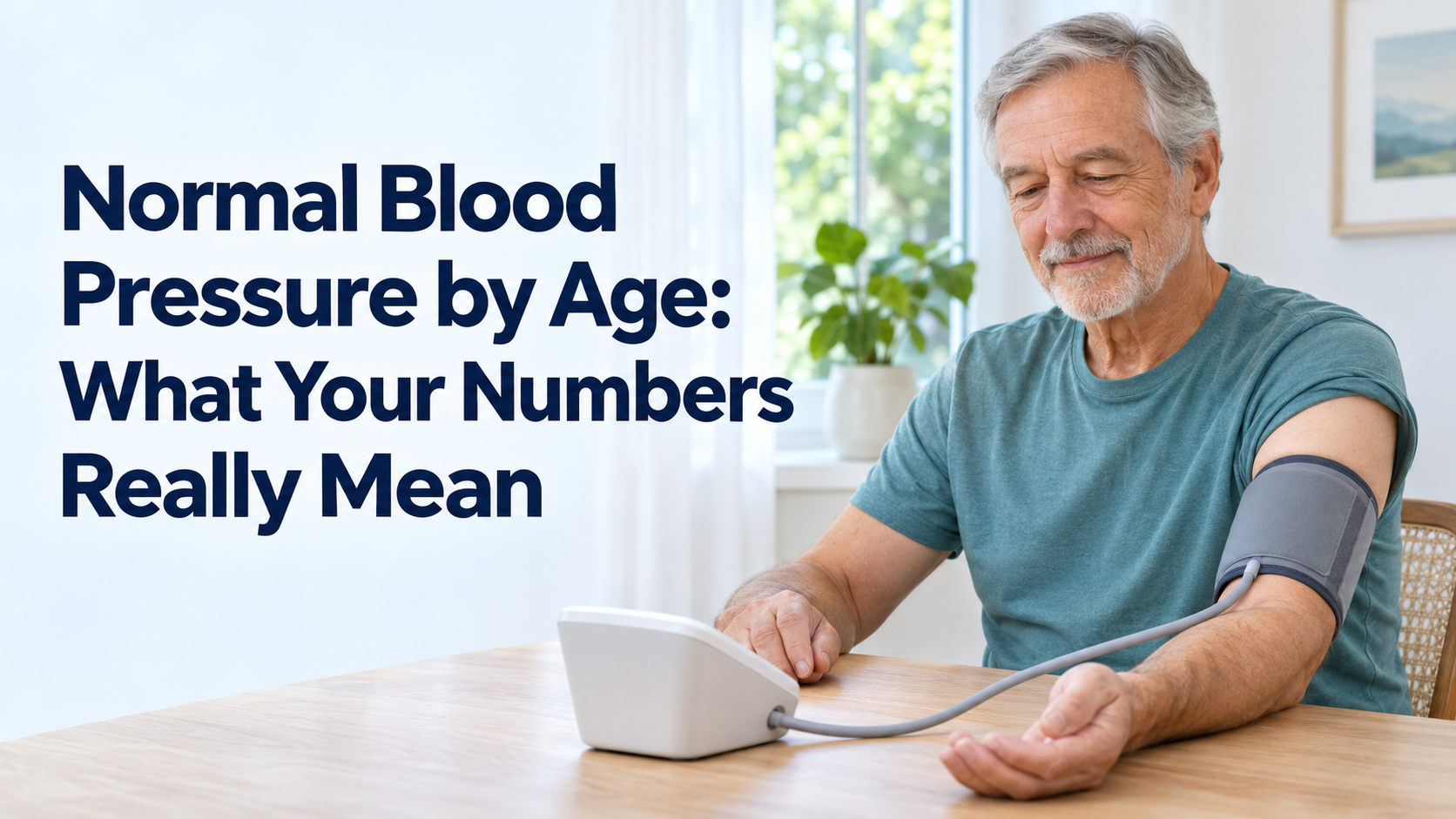
Use a validated upper-arm monitor with a cuff that fits, and sit quietly for at least five minutes before measuring. A cuff that is too small or an arm left unsupported can affect the result. American Heart Association
- Avoid caffeine, smoking, and exercise for 30 minutes before measuring.
- Sit with your back supported, feet flat, and legs uncrossed.
- Place the cuff on bare skin and support your arm at heart level.
- Take two readings one minute apart and record both. American Heart Association
When Should You Get Help for a High Reading?
Arrange a medical review if your readings are repeatedly high. Bring your home readings so your clinician can assess the pattern rather than rely on a single measurement. ahajournals.org
If your top number is above 180 or your bottom number is above 120, and you have chest pain, shortness of breath, new weakness or numbness, vision changes, or difficulty speaking, call emergency services immediately. If you have no concerning symptoms, wait at least one minute and check again. If either number stays above that threshold, contact a healthcare professional promptly. American Heart Association
Frequently Asked Questions
Is 120/80 normal blood pressure?
Exactly 120/80 mm Hg is not in the normal category under U.S. guidelines. The bottom number of 80 puts that reading in the stage 1 range. A reading of 120/79, by contrast, falls in the elevated category. Neither reading by itself diagnoses hypertension. American Heart Association
Can you have high blood pressure and feel fine?
Yes. High blood pressure often has no symptoms, so feeling well does not tell you whether your pressure is in range. Accurate measurements taken over time are more useful than how you feel on the day.