
Can Diabetics Eat Bread, Rice, Grits & Tortillas? What’s Safe & What’s Not
If you’ve been told to watch your carbs, you’re probably wondering: “What can I eat instead of bread?”
The good news? You don’t have to give up sandwiches, wraps, or toast. There are plenty of tasty, low‑carb bread substitutes for diabetics that keep blood sugar stable and still feel satisfying.
In this guide, you’ll learn:
-
The best bread substitutes for diabetics
-
Is basmati rice OK for diabetics?
-
Can diabetics eat grits?
-
Are corn tortillas good for diabetics?
-
Is pita bread good for diabetics?
-
What is the best sourdough bread for diabetics?
Plus, we’ll share real numbers, research findings, and simple portion tips so you can eat confidently.
What Is a Good Substitute for Bread for Diabetics?
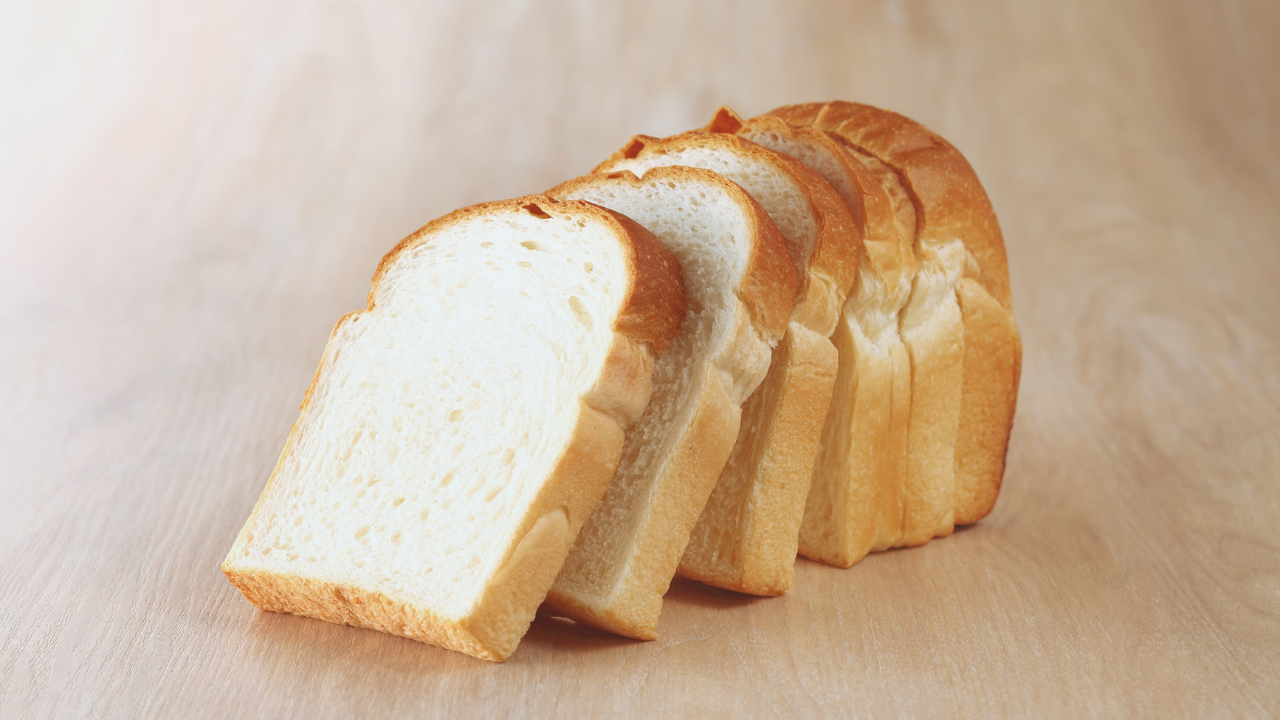
When you’re managing diabetes, the goal is to keep carbs low and fiber high. The best bread substitutes for diabetics are low‑carb, high‑fiber, and easy to use in everyday meals.
Top Low‑Carb Bread Alternatives
These options are perfect for sandwiches, wraps, and snacks:
-
Lettuce wraps – Iceberg, romaine, or butter lettuce add almost zero carbs and work great for deli meat, chicken, or tuna.
-
Portobello mushroom “buns” – One large portobello cap has about 3–4 g carbs and makes a hearty burger or sandwich base.
-
Bell pepper halves – A medium bell pepper has around 7 g carbs and holds fillings like chicken salad or hummus really well.
-
Cucumber slices or “boats” – One whole cucumber has about 11 g carbs; slice thickly for crackers or cut in half for mini subs.
-
Low‑carb tortillas/wraps – Look for wraps with ≤10 g carbs and at least 3–5 g fiber per serving.
-
Nut‑based breads – Almond flour, coconut flour, or flaxseed breads typically have 5–8 g carbs per slice and are rich in healthy fats and protein.
-
Cloud bread – Made from eggs and cream cheese, this fluffy, low‑carb bread is great for small sandwiches (about 1–2 g carbs per slice).
Why These Substitutes Work for Diabetics
Research shows that replacing refined grains with low‑carb, high‑fiber options helps improve blood sugar control and insulin sensitivity. A 2024 review found that low‑carb diets (under 130 g carbs/day) significantly reduce HbA1c in people with type 2 diabetes.
Pro tip: If you still want bread, choose high‑fiber, low‑sugar options and stick to 1 slice per meal to avoid blood sugar spikes.
Is Basmati Rice OK for Diabetics?
Yes, basmati rice can fit into a diabetic diet — but only if you choose the right type and watch your portion size.
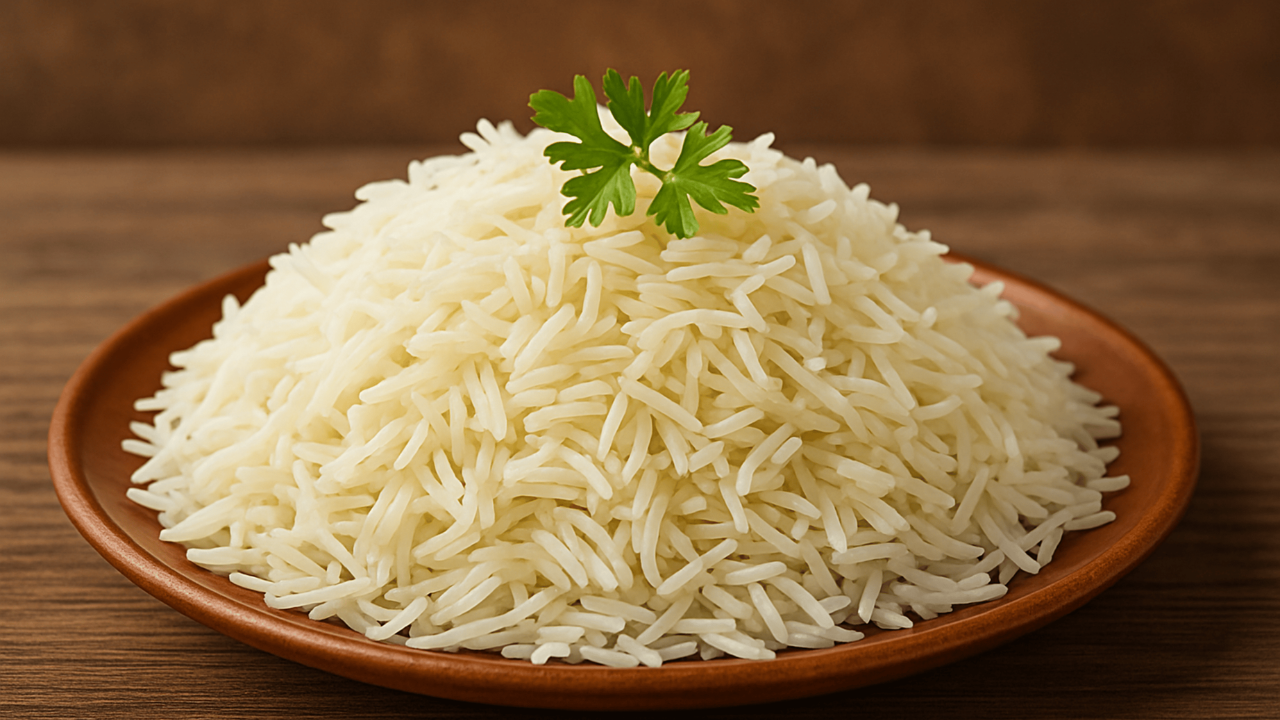
Basmati Rice and the Glycemic Index
The glycemic index (GI) measures how quickly a food raises blood sugar. Basmati rice has a lower GI than regular white rice:
-
White basmati rice: GI ≈ 50–58 (low to medium)
-
Brown basmati rice: GI ≈ 50–55 (slightly lower than white)
This means basmati rice raises blood sugar more slowly than many other white rices, making it a better choice for diabetics.
Brown vs. White Basmati: Which Is Better?
Brown basmati is a whole grain, so it has more fiber and nutrients:
-
1 cup cooked brown basmati: ~45 g carbs, ~3.5 g fiber
-
1 cup cooked white basmati: ~45 g carbs, ~1 g fiber
More fiber = slower digestion and a gentler rise in blood sugar, so brown basmati is the smarter pick for blood sugar control.
How Much Basmati Rice Can a Diabetic Eat?
A typical carb serving for a meal is about 30–45 g of carbs. That means:
-
½ cup cooked basmati rice ≈ 22–25 g carbs
-
1 cup cooked basmati rice ≈ 45 g carbs
For most people with diabetes, ½ cup of cooked basmati rice per meal is a safe portion, especially when paired with protein and non‑starchy vegetables.
Are Grits Good for a Diabetic?
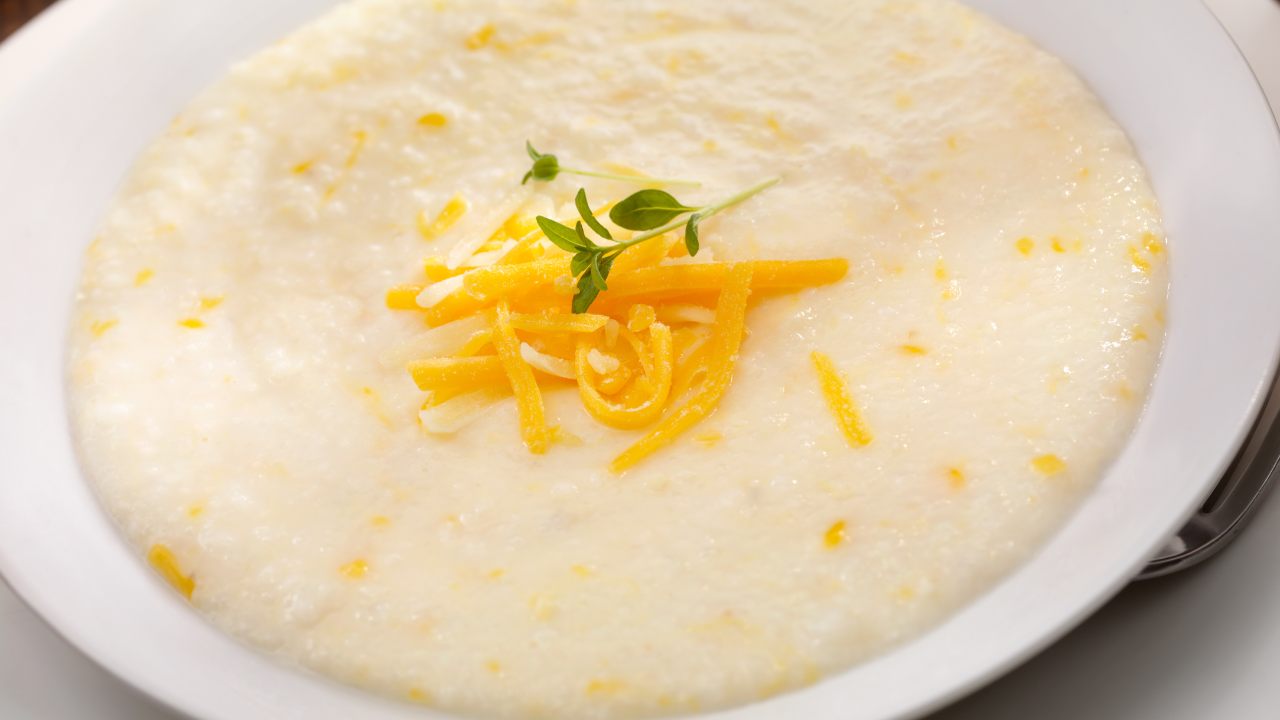
Grits are not “bad” for diabetics, but they’re not ideal either. Here’s what the numbers say:
-
1 cup cooked regular grits: ~25–30 g carbs
-
1 cup cooked stone‑ground grits: ~25–30 g carbs, but more fiber
Because grits are mostly refined corn, they digest quickly and can cause a rapid rise in blood sugar, especially if eaten alone.
Should Diabetics Eat Grits?
Yes, but with limits:
-
Choose stone‑ground or whole‑grain grits over instant grits (they have more fiber and a lower glycemic impact).
-
Stick to a small portion (¼–½ cup cooked) per meal.
-
Always pair grits with protein (eggs, cheese, lean meat) and non‑starchy veggies to slow digestion and reduce the blood sugar spike.
A 2019 analysis of breakfast cereals found that high‑fiber, low‑GI options (like oats) led to better blood sugar control than refined grains like instant grits.
Are Corn Tortillas Good for Diabetics?
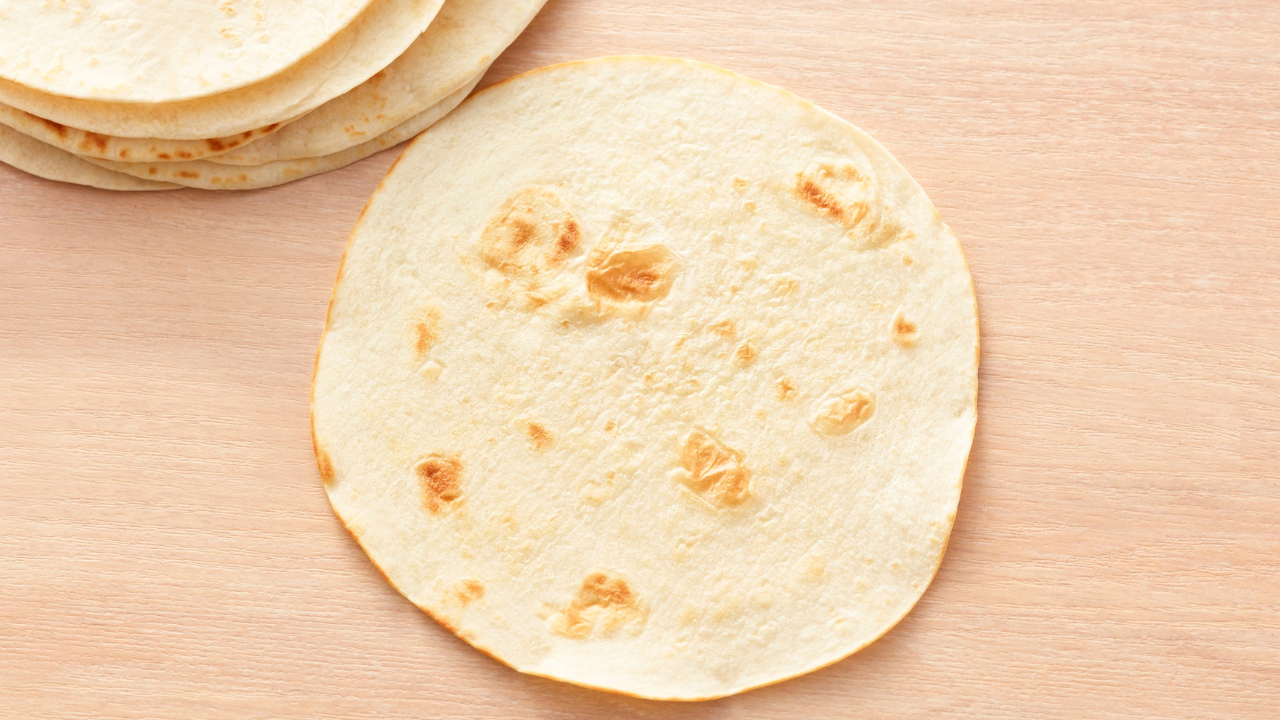
Yes, corn tortillas are generally diabetes‑friendly because:
-
They’re made from whole corn (a whole grain)
-
They have more fiber than white flour tortillas
-
They tend to have a lower glycemic impact
A typical 6‑inch corn tortilla has about 12–15 g carbs, while a similar white flour tortilla can have 20–30 g carbs.
Can a Diabetic Eat Tortillas?
Absolutely — but smart choices matter:
-
Choose small corn tortillas over large flour tortillas.
-
Limit to 1–2 tortillas per meal, not a stack of 4–5.
-
Pair with lean protein (chicken, beans, fish) and plenty of veggies to balance the meal.
A 2024 review on corn and diabetes found that whole‑grain corn products (like corn tortillas) can be part of a healthy diabetic diet when eaten in moderation.
Is Pita Bread Good for Diabetics?
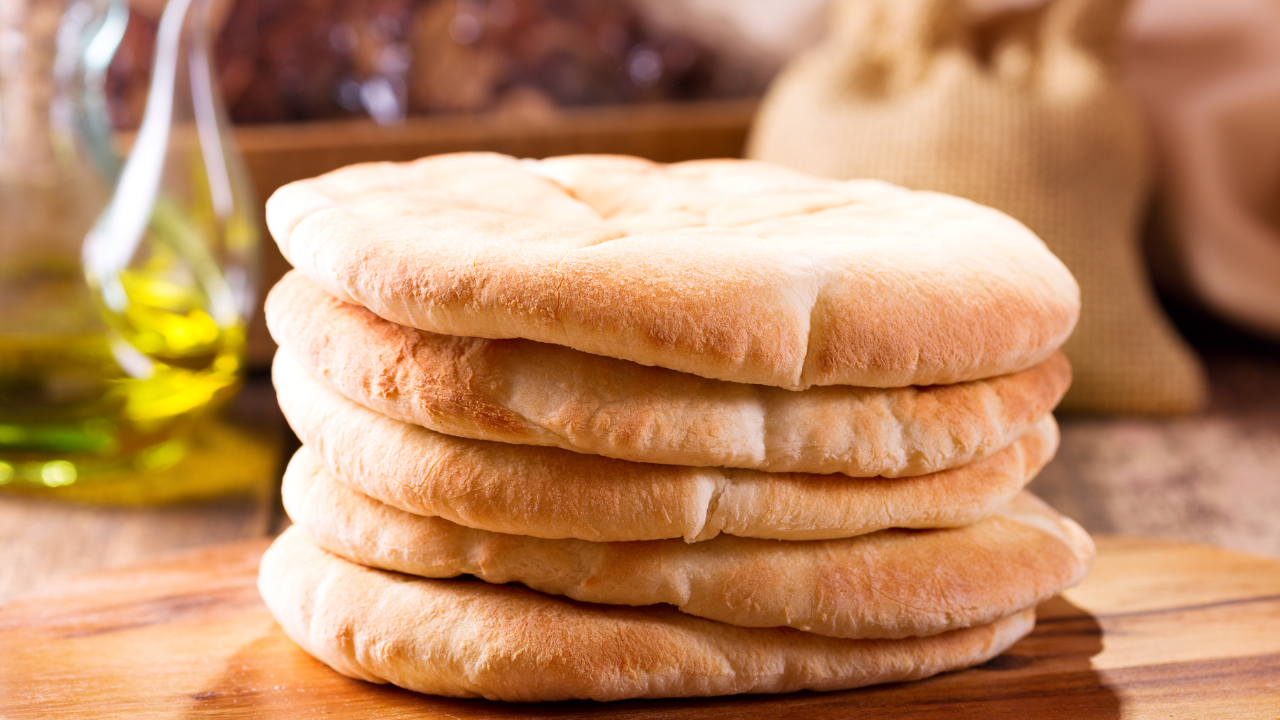
Pita bread is not the worst choice, but it’s not the best either:
-
A 6‑inch whole wheat pita has about 30–35 g carbs and 4–5 g fiber
-
A similar white pita has about 30–35 g of carbs but less fiber
Pita bread has a medium glycemic index (around 57), so it can raise blood sugar, especially if eaten alone.
How to Eat Pita Bread Safely with Diabetes
To keep blood sugar stable:
-
Choose 100% whole wheat or sprouted grain pita (higher fiber, better blood sugar control).
-
Limit to half a pita per meal (about 15–18 g carbs).
-
Fill it with lean protein (grilled chicken, hummus, falafel) and lots of veggies.
-
Avoid large pitas loaded with sugary sauces, high‑fat spreads, or fried fillings.
What Is the Best Sourdough Bread for Diabetics?
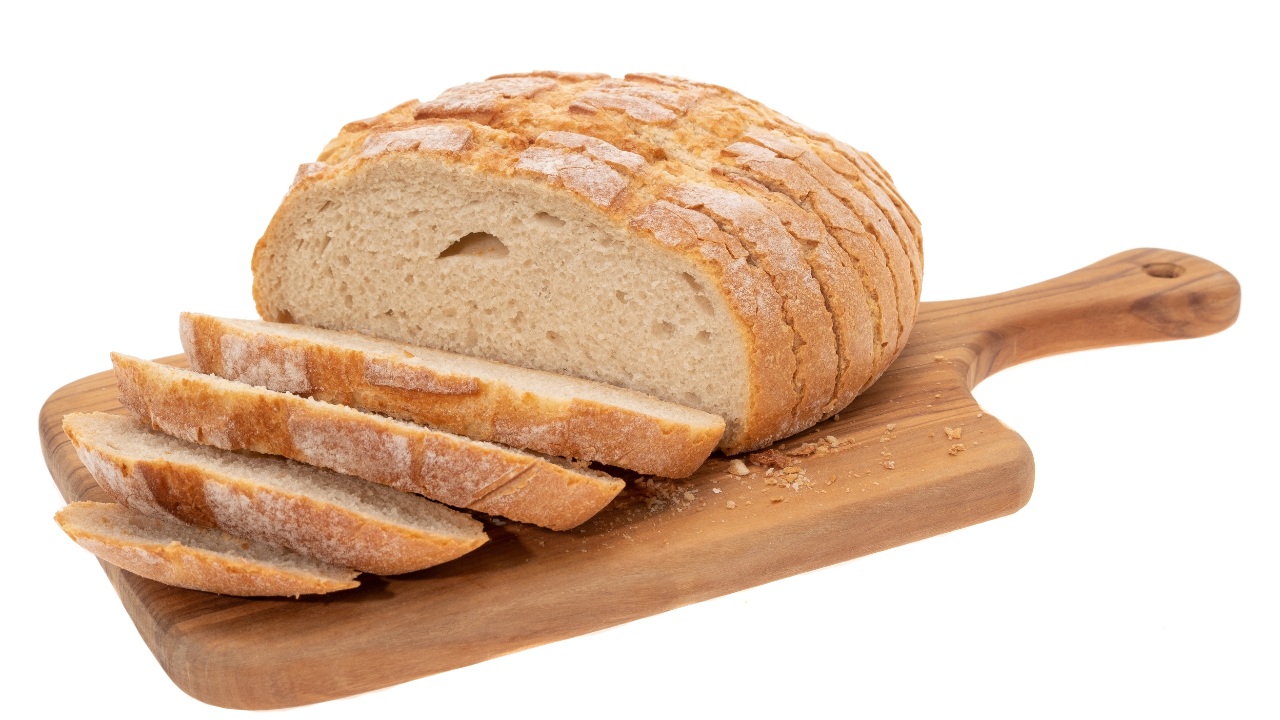
The best sourdough bread for diabetics is:
-
Made from whole grain or sprouted grain flour
-
High in fiber (≥3 g per slice)
-
Low in added sugar and refined ingredients
Look for sourdough that lists: whole wheat flour, water, salt, and sourdough starter — nothing else.
Why Sourdough Can Be Better for Blood Sugar
The fermentation process in sourdough:
-
Lowers the glycemic index slightly
-
May improve insulin sensitivity compared to regular white bread
A 2024 analysis found that sourdough bread led to a slower rise in blood glucose than regular white bread, making it a better option for diabetics.
Best Store‑Bought Sourdough Options for Diabetics
Look for brands that are:
-
Whole-grain or sprouted-grain sourdough
-
≤15 g carbs per slice
-
≥3 g fiber per slice
-
No added sugar or fruit juice
Popular diabetes‑friendly choices include:
-
Ezekiel 4:9 Sprouted Grain Bread
-
Dave’s Killer Bread (Thin Sliced)
-
Silver Hills Sprouted Power Bread
Practical Tips for Diabetics: How to Choose the Best Bread, Rice, and Tortillas
Here’s how to make smarter choices at every meal:
Use the Plate Method
-
½ plate: non‑starchy vegetables (broccoli, salad, peppers, spinach)
-
¼ plate: lean protein (chicken, fish, eggs, beans)
-
¼ plate: carbs (bread, rice, tortillas, grits)
This simple rule helps control portion size and keeps blood sugar stable.
Pair Carbs with Protein and Fat
Eating carbs with protein and healthy fats slows digestion and reduces blood sugar spikes:
-
Eggs + toast
-
Chicken + rice
-
Beans + tortillas
Check Your Blood Sugar
Test your blood sugar before and 1–2 hours after eating bread, rice, or grits. This shows exactly how your body responds and helps you adjust portions.
Watch Portion Sizes
Even “good” carbs like basmati rice or corn tortillas can raise blood sugar if eaten in large amounts. Stick to:
-
½ cup cooked rice
-
1–2 small tortillas
-
1 slice of high‑fiber bread