
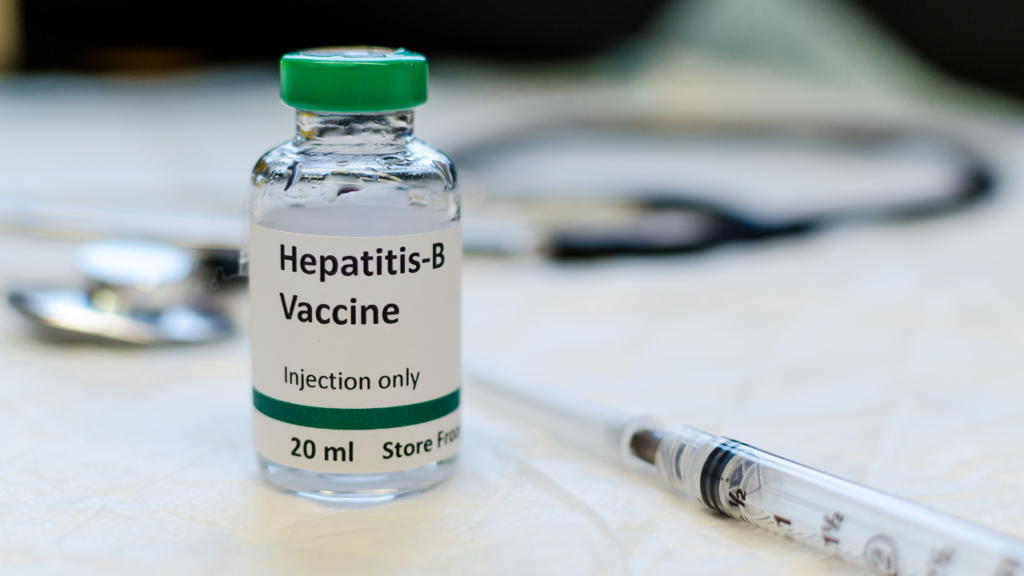
Newborn Hepatitis B Vaccine Faces Possible CDC Shift
CDC Panel Set for High-Stakes Vote on Newborn Hepatitis B Vaccine as Experts Warn of Rising Risks Key Points : The CDC’s vaccine advisory committee convened Thursday for a pivotal two-day meeting to reassess major elements of the U.S. childhood immunization schedule, including a controversial proposal to delay the long-recommended hepatitis B vaccine birth dose. The shot, routinely given within 24 hours of birth since 1991, has driven a 99% decline in hepatitis B infections among infants. Medical organizations warn that revising the recommendation could reverse decades of progress. Hepatitis B is highly infectious, often symptomless in adults, and easily transmitted from mothers or caregivers to newborns. Infants infected early face a 90% likelihood of developing chronic, lifelong disease. Research from the Vaccine Integrity Project suggests limiting vaccination only to infants of mothers who test positive could increase newborn infections by up to 76%. The meeting marks the third session of a newly reconstructed ACIP panel appointed by Health and Human Services Secretary Robert F. Kennedy Jr., fueling concerns among public health experts about rising vaccine skepticism and declining childhood immunization rates. Beyond hepatitis B, the committee is also reviewing the broader vaccine schedule, the combined MMR shot, and long-standing use of aluminum adjuvants — moves that experts say could create new vulnerabilities amid ongoing measles and pertussis outbreaks. A vote on the hepatitis B recommendation is expected on Thursday afternoon. CDC Panel Considers Major Change to Hepatitis B Schedule: Detailed Overview A major shift to the nation’s childhood immunization standards could unfold this week as the CDC’s Advisory Committee on Immunization Practices (ACIP) meets for a tense two-day review of vaccine recommendations — including a highly controversial proposal to delay the hepatitis B birth dose, a core protection given to U.S. newborns since 1991. The vote, expected Thursday afternoon, comes at a moment when vaccine confidence is already strained, public health leaders warn. The committee — now entirely appointed by Health and Human Services Secretary Robert F. Kennedy Jr. — will debate whether the long-standing practice of vaccinating all newborns within 24 hours of birth should be replaced with a selective approach based only on maternal test results. Medical organizations say such a decision could reverse decades of progress. Why the Hepatitis B Birth Dose Matters Hepatitis B remains one of the most contagious and persistent viral infections in the world. The virus spreads through blood and bodily fluids, can survive on surfaces for days, and is frequently transmitted from mother to infant during birth — even when symptoms are absent. Babies infected at birth face a 90% chance of lifelong chronic hepatitis B Chronic infection dramatically raises the risk of cirrhosis, liver failure, and liver cancer The vaccine given within 24 hours of birth is up to 90% effective at blocking mother-to-child transmission Completing the three-dose series provides 98% immunity, according to the American Academy of Pediatrics (AAP) Despite universal prenatal screening, CDC data show 16% of pregnant women are never tested — leaving thousands of infants vulnerable. The birth-dose recommendation has served as a critical safeguard, ensuring that missed diagnoses or documentation errors do not lead to preventable infections. Thanks to the strategy, hepatitis B cases in infants and young children have fallen 99% since the early 1990s. Medical Leaders Sound the Alarm Pediatricians and infectious disease experts have been unusually vocal ahead of the meeting. Dr. Sean O’Leary of the AAP—long regarded as one of the nation’s leading vaccine experts—warned that weakening the recommendation would “put children directly at risk for a lifelong, incurable disease.” “The hepatitis B vaccine has one of the most established safety records of any vaccine,” O’Leary said. “This is the seatbelt analogy — you put it on before the accident, not after.” Sen. Bill Cassidy, a Louisiana Republican and physician, echoed that concern, noting that early vaccination has prevented “20,000 chronic hepatitis B cases” in the last 20 years. A Committee Under Scrutiny Since Secretary Kennedy replaced every ACIP member earlier this year, the panel has drawn sharp criticism from mainstream medical groups. September’s meeting was described as “chaotic” after members failed to complete a scheduled vote on the same issue. The newly appointed chair, Dr. Kirk Milhoan, is affiliated with groups that support COVID-19 treatments like ivermectin — contrary to FDA findings. The changes have led the AAP, the American Academy of Family Physicians, and a newly formed Vaccine Integrity Project to issue independent immunization guidance, a first in modern U.S. public health. Experts fear this week’s agenda signals the start of a broader effort to dismantle the traditional childhood vaccine schedule. What’s at Stake in the Vote The posted proposal suggests limiting the hepatitis B vaccine to: Infants born to mothers who test positive, and Individual decision-making for babies whose mothers test negative. Researchers say such a move would sharply increase infant infections.A new analysis from the Vaccine Integrity Project estimates newborn hepatitis B cases could rise to 76% under a selective strategy. Doctors warn that delaying vaccination even one month may be too late. Once a baby is infected early in life, the virus embeds in the liver and becomes almost impossible to eliminate. “If the mother or a caregiver is unknowingly infected, the window to prevent transmission closes fast,” said Dr. William Schaffner of Vanderbilt University. “By the time symptoms appear, the infection is already established.” Because the subsequent hepatitis B doses are included in combination vaccines, changing the birth-dose timing could also disrupt the broader vaccine schedule and lead to logistical complications for parents and providers. Larger Revisions to Childhood Vaccines Under Review Beyond hepatitis B, the committee is examining: • The timing of more than 30 childhood vaccines Experts worry that revisiting the schedule during active outbreaks of measles and pertussis could worsen declining vaccination rates. • Splitting the MMR vaccine into separate measles, mumps, and rubella shots Public health officials warn this would mean more appointments, more injections, and inevitably lower coverage, creating gaps in herd immunity. • Potential changes to vaccines containing
Newborn Hepatitis B Vaccine Faces Possible CDC Shift Read More »